As soon as we had seen Hannah and Pieter off on the ferry back to Athens, we pulled up Sunday’s anchor and left the island of Poros.

The sadness of our daughter and son-in-law’s departure was tempered by the anticipation of ticking off another bucket list item – traversing the Corinth Canal.
We had driven over the canal a number of times when exploring the Peloponnese peninsula in our campervan and we had both decided we would make the trip through the canal one day.
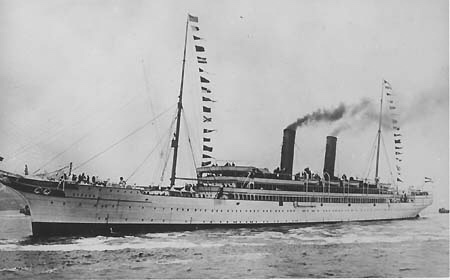
This wasn’t my first time however, as when I was a toddler my family had sailed back from Egypt in an old fashioned ocean liner (probably the Royal Mail Ship) which had traversed the canal from the Ionian side and continued on to Athens. I don’t have any memory of this but it had been talked about in our family over my growing years which of course, whet my appetite to travel the length of the Corinth Canal once we had our own boat.
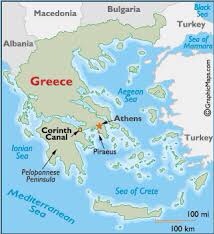
The Corinth Canal links the Saronic Gulf in the Aegean to the Gulf of Corinth in the Ionian Sea – effectively turning the Peloponnese peninsula into an island and when first built, transformed navigation in Southern Europe.
The breathtaking canal has a fascinating history. The first person credited with the idea of building a canal was Periander, one of the Seven Sages of ancient Greece and the ruler of Corinth in the late seventh century BCE.
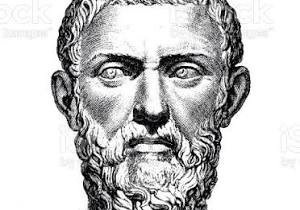
of Ancient Greece
Apparently the high priestess of the Temple of Apollo in Delphi declared that the project would incur “the gods’ wrath” so it didn’t go ahead.
At that time vessels could only avoid having to sail around the Peloponnese by using the Diolkos, a stone-paved road that allowed vessels – greased with animal fat and mounted on wheeled carriages – to be dragged overland from the Gulf of Corinth to the Saronic Gulf.
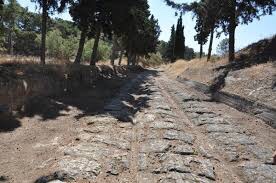
The idea of a canal was revived several times but it wasn’t until 67 AD during the reign of Roman Emperor Nero that work actually started on building one. Work came to a grinding halt after Nero died and no real progress was made until the opening of the Suez Canal in Egypt in 1869 which revitalized discussions and on April 23, 1882, work began once again.

Over the next 11 years, a total of 12 million cubic metres of soil was extracted to create an 8-metre deep canal that crosses the Corinth isthmus in a straight line.
Acknowledged as one of the greatest engineering achievements of its time, the Corinth Canal is 6,343 metres long but only 24.6 metres wide which means a one-way system is used and boats have to wait their turn.

achievements of its time
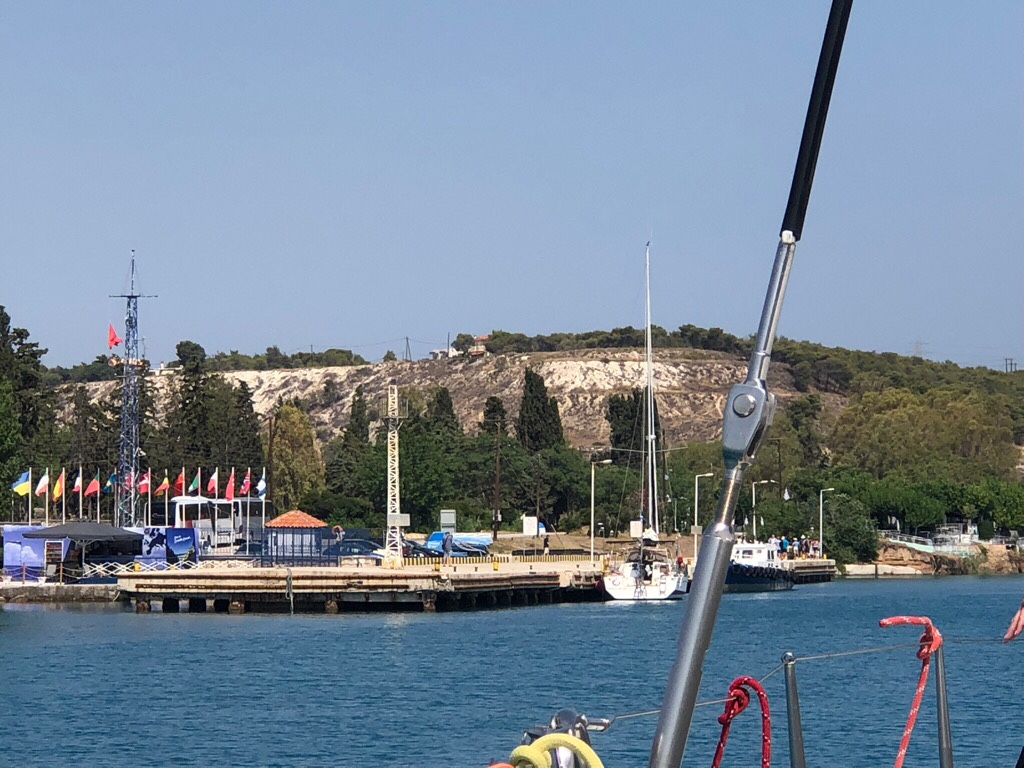
We arrived at the wharf around 11am and although we weren’t booked to traverse the canal until 1pm we were given permission to tie up.
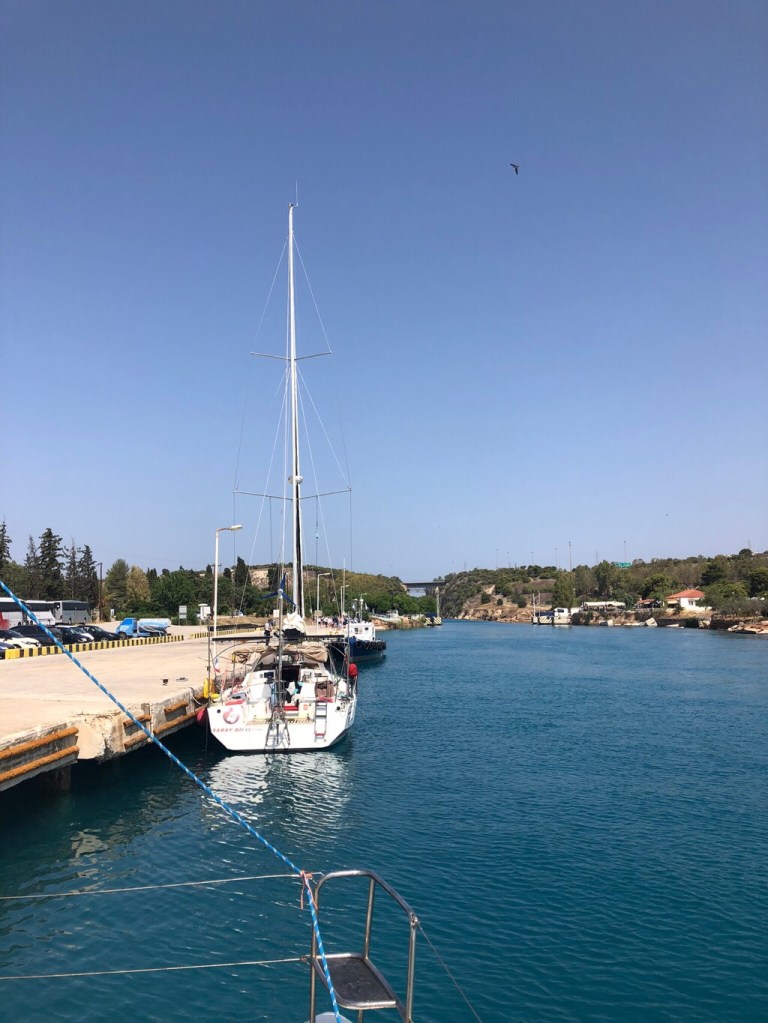
The fuel truck was waiting for us to refill our diesel tanks. While we filled up it was interesting to see the vessels coming through from the Ionian side – a super yacht, a tourist boat crammed with eager travellers taking lots of photos and other lots of other boats of different shapes and sizes – including a canoeist, Ara Khatchadourian, who was “rowing for peace” from Marseille to his hometown of Beirut (Lebanon).

length of the canal
His 4000 km journey across the Mediterranean Sea, is raising money to contribute to the fight against poverty, wars in the world and discrimination against people with disabilities. https://www.helloasso.com/associations/t-cap21/collectes/rowing-for-peace-le-defi-humanitaire-2023
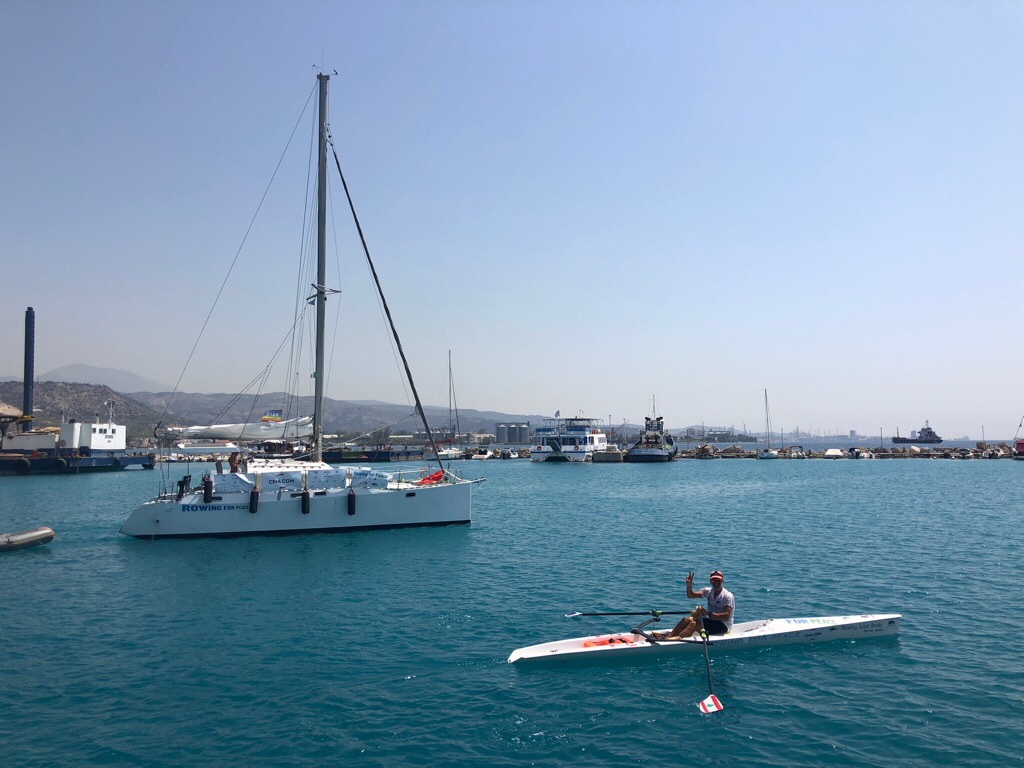
We had a quick chat to Ara, and after wishing him ”bon chance”, we were given the go ahead to travel down the canal 45 minutes before our allocated time slot.
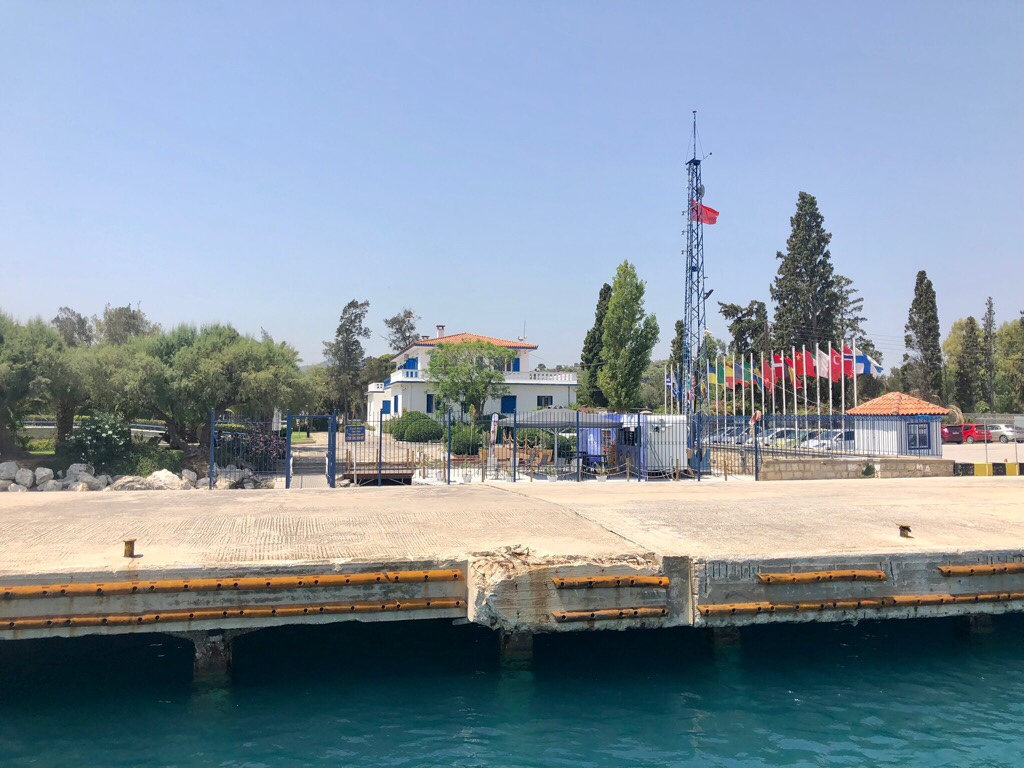
Corinth Canal museum
So off we went, following a French single handed yacht owner who was taking his boat to France for repairs after a suffering a collision with a fishing boat.
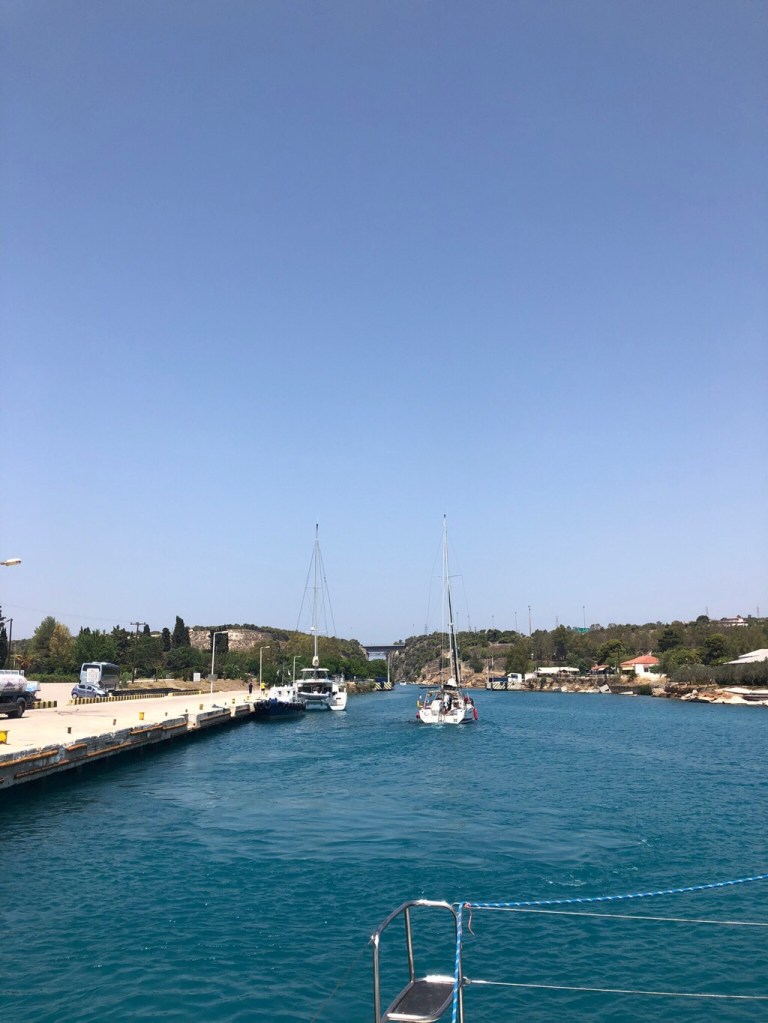
We had only just set off when we saw his boat start heading for the bank – it was extremely alarming as we thought maybe his steering had gone as a result of his accident. However, I think the skipper had thought he’d left the self steering on (and he hadn’t!) and ducked down below to fetch something. He leapt up the companion way stairs faster than the speed of light and the yacht was on track again immediately.


The rest of the passage through the canal was uneventful thankfully. As we motored sedately in a line like ducks in a row, we gazed up in wonder at the nearly vertical limestone walls that reach up 90 metres above sea level.
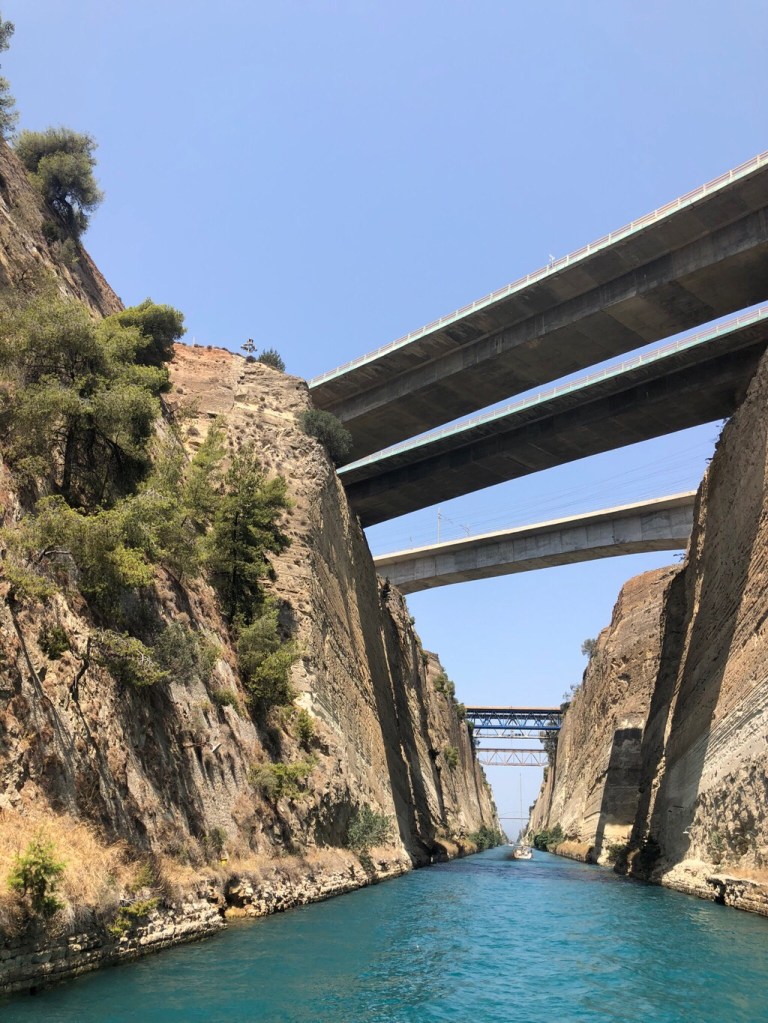
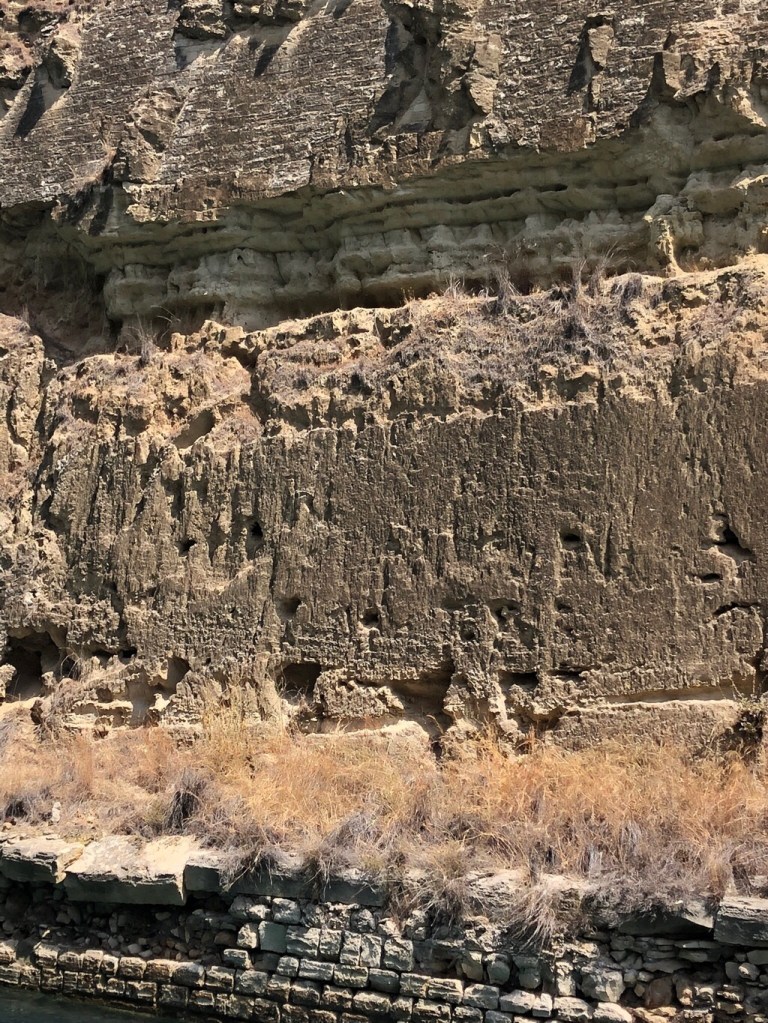
It only took about half an hour to complete the journey but we really enjoyed it and it felt good to tick off this trip off our bucket list!
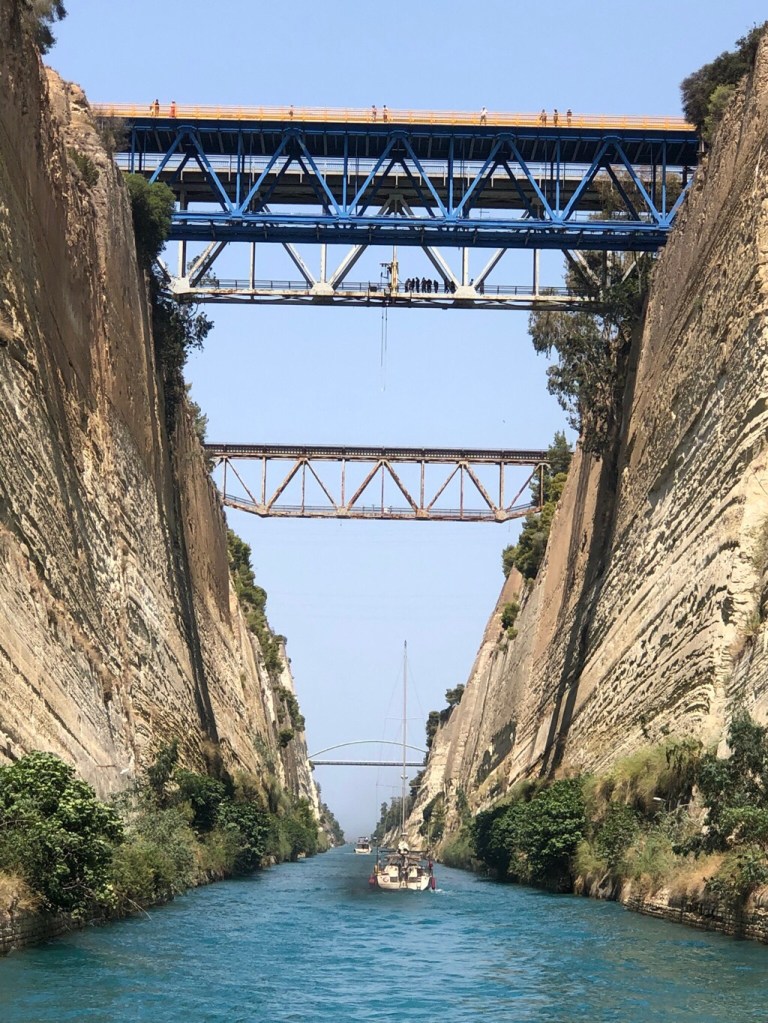
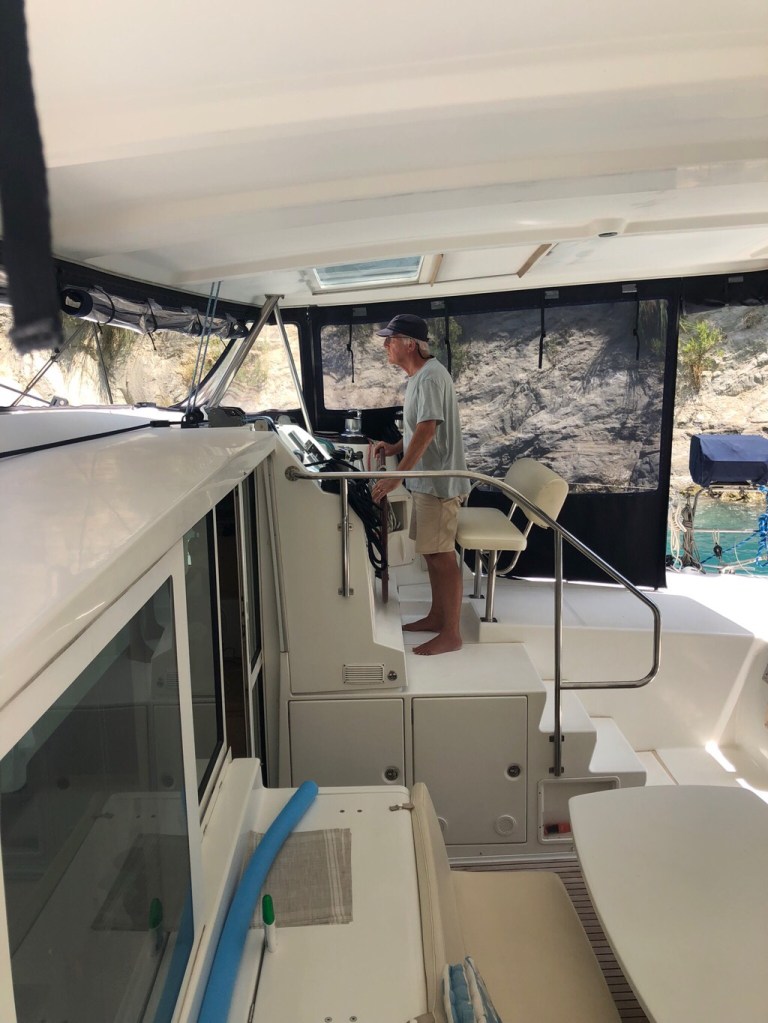
want to hit the sides!
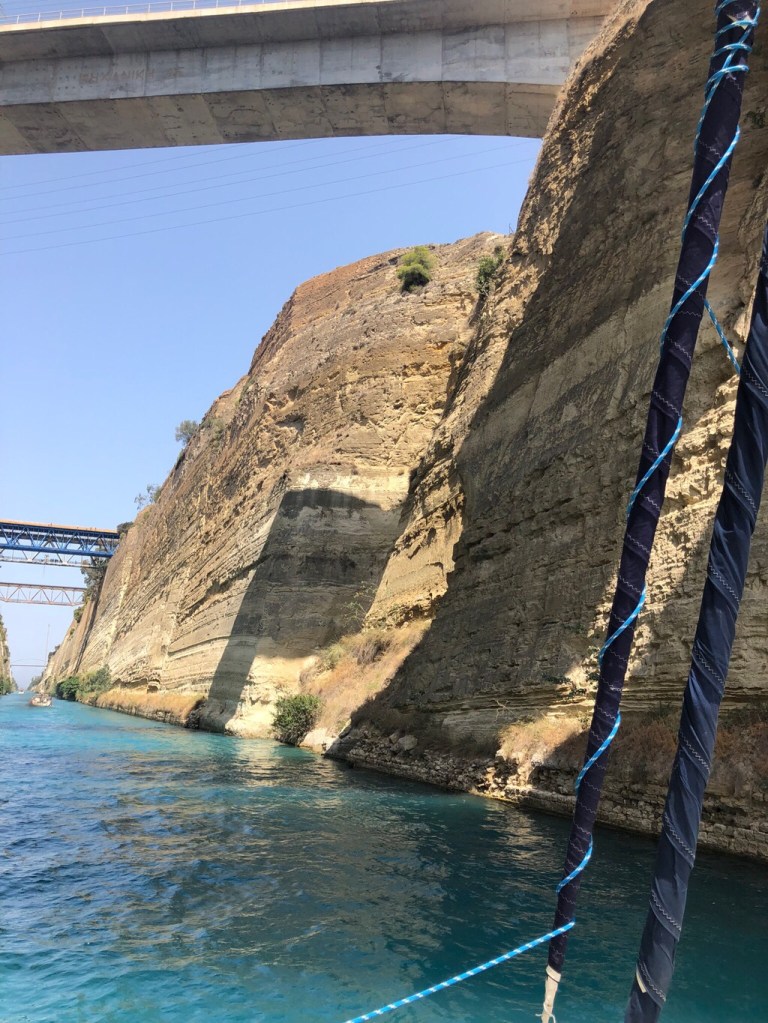
above sea level
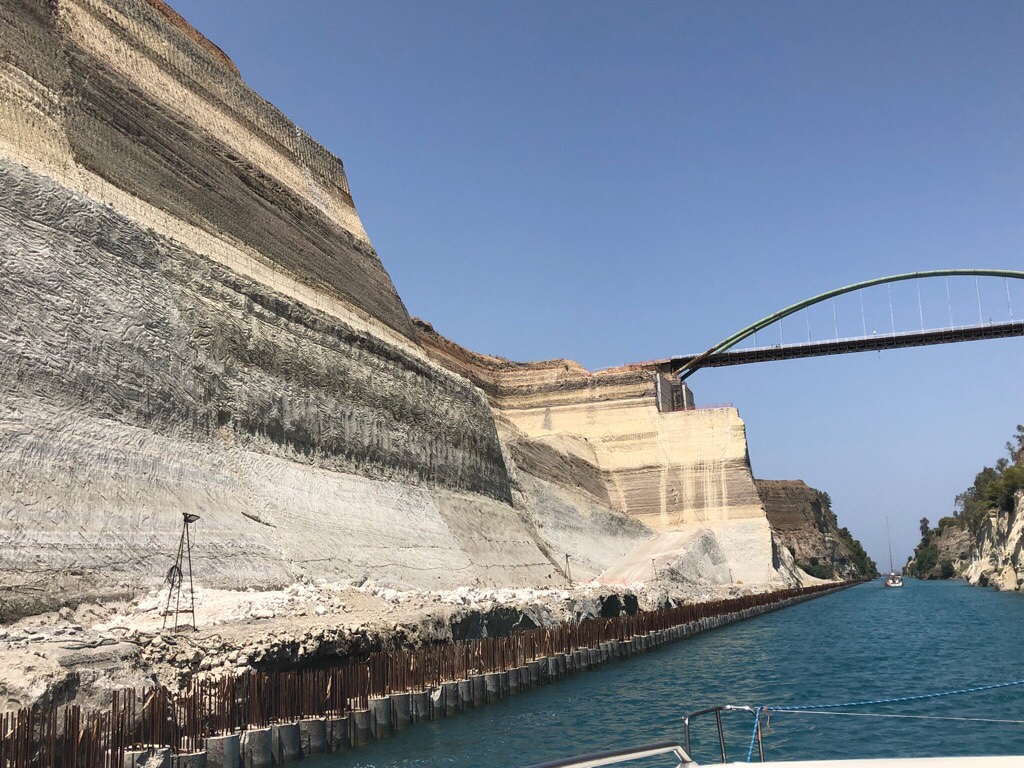
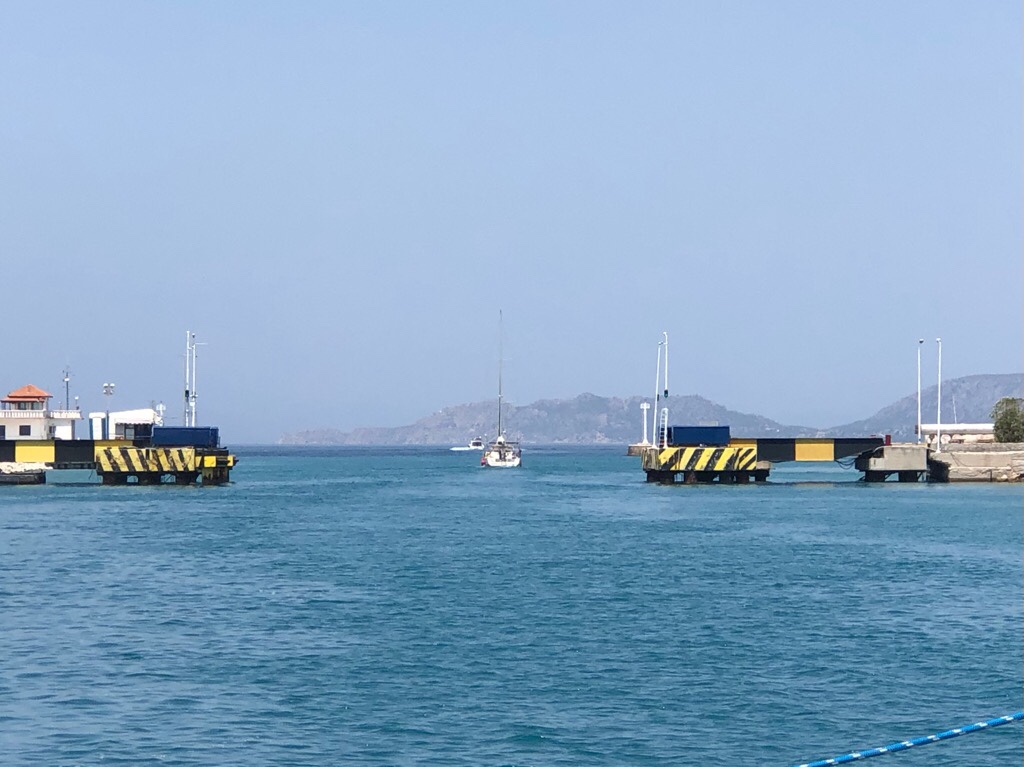
the Gulf of Corinth


 Salty tales from Bali Hai on Sunday
Leave a comment