Sarande in Albania had been a bit of a shock to the system after Greece. Although the bureaucracy in Greece is extremely trying and frustrating, the natural beauty and organic architecture of the Greek islands made up for a lot!

In Sarande the architecture was shocking – just block after block of ugly apartments and hotels, no traditional “old town” – no beauty or nod to any attempt at aesthetics – anywhere – it seemed.

The roads in town were a nightmare – too many cars, not enough parking, crazy, thoughtless, drivers, long traffic queues caused by terrible parking in narrow streets and so on.
We were very much hoping that the rest of Albania would be different so we decided to move on quite quickly to our next anchorage in Qeparo.
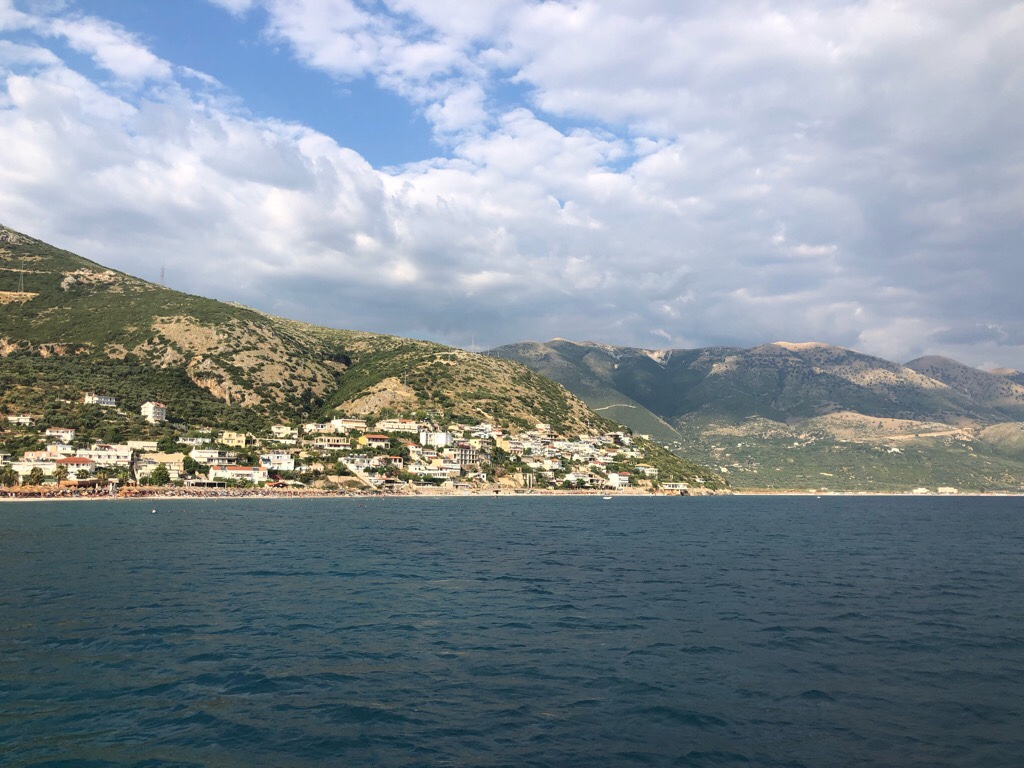
Looking back this was probably the nicest anchorage that we stayed at in Albania. It was just about the only beach that wasn’t totally crammed with sun beds and beach umbrellas and there were no pirate ships or loud music at night. It was good to be able to see families enjoying the beach with space to play.

Had we known what the anchorages ahead were like, we would have definitely stayed a bit longer in Qeparo. However, we were reasonably limited in time as we had guests Cathy and Peter aboard and we had committed to get them to Tirana by a certain date and there were things we definitely all wanted to see and do in the time we had, so we decided to press on.
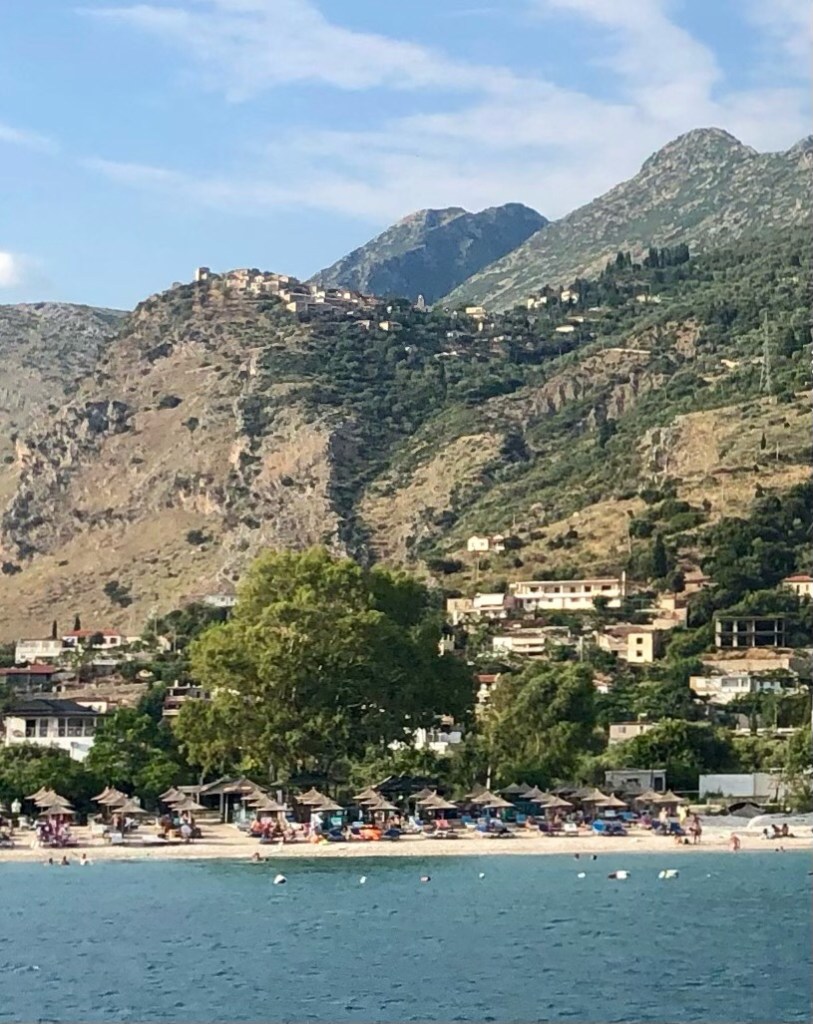
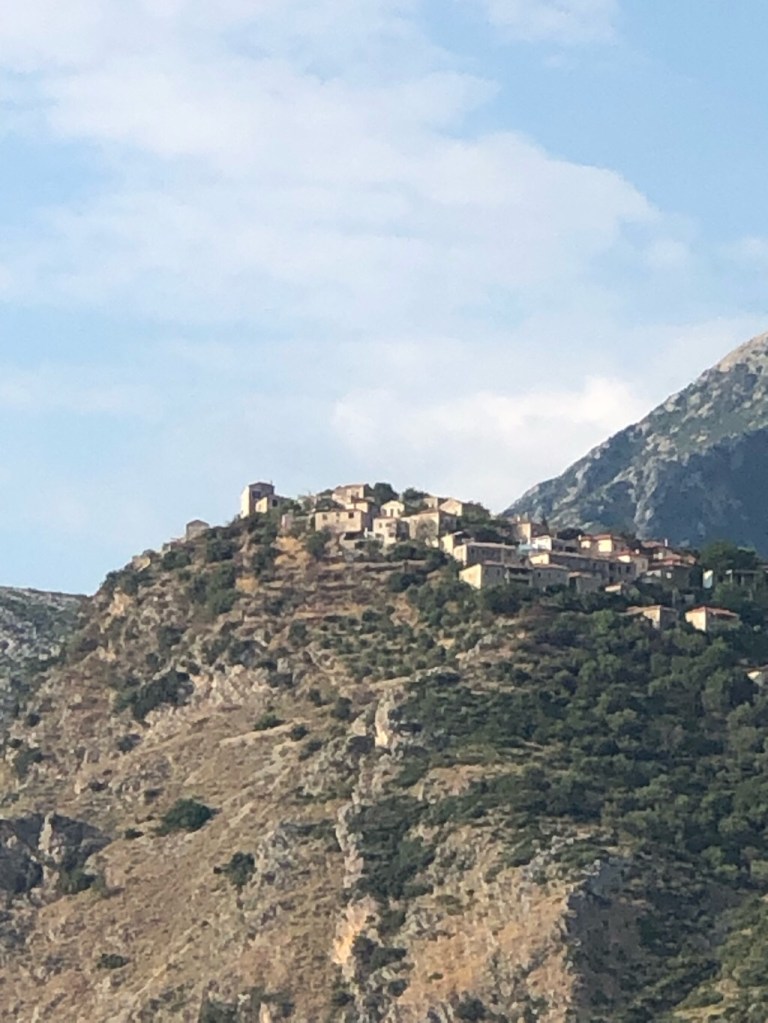
Before we left we went ashore to find a taxi so we could visit the old upper town which was perched on the steep hillside and from where the views would have been magnificent.
At the little store we asked if there was a taxi rank and the proprietor said that there was and directed us to where we would find it.
The good news was we found the taxi, the bad news was there didn’t appear to be a driver anywhere. So we went back to the shop and our helpful lady called the driver for us. Unfortunately, he wasn’t at all interested in taking us anywhere so that was the end of that.

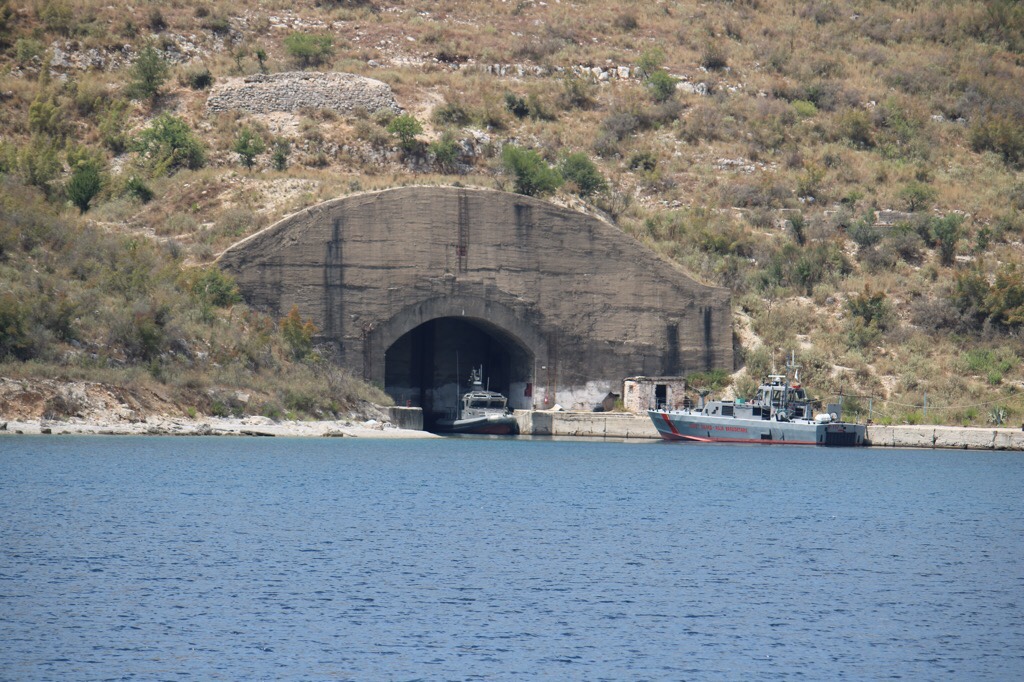
Just around the headland from Qeparo there was something we were quite intrigued by and would have loved to have seen – the Porto Palermo tunnel, which is claimed to be a submarine bunker built during the rule of the Communist leader Enver Hoxha. It is also possible that it was actually used for storing fast attack short range coastal defence vessels but sadly we weren’t about to find out!
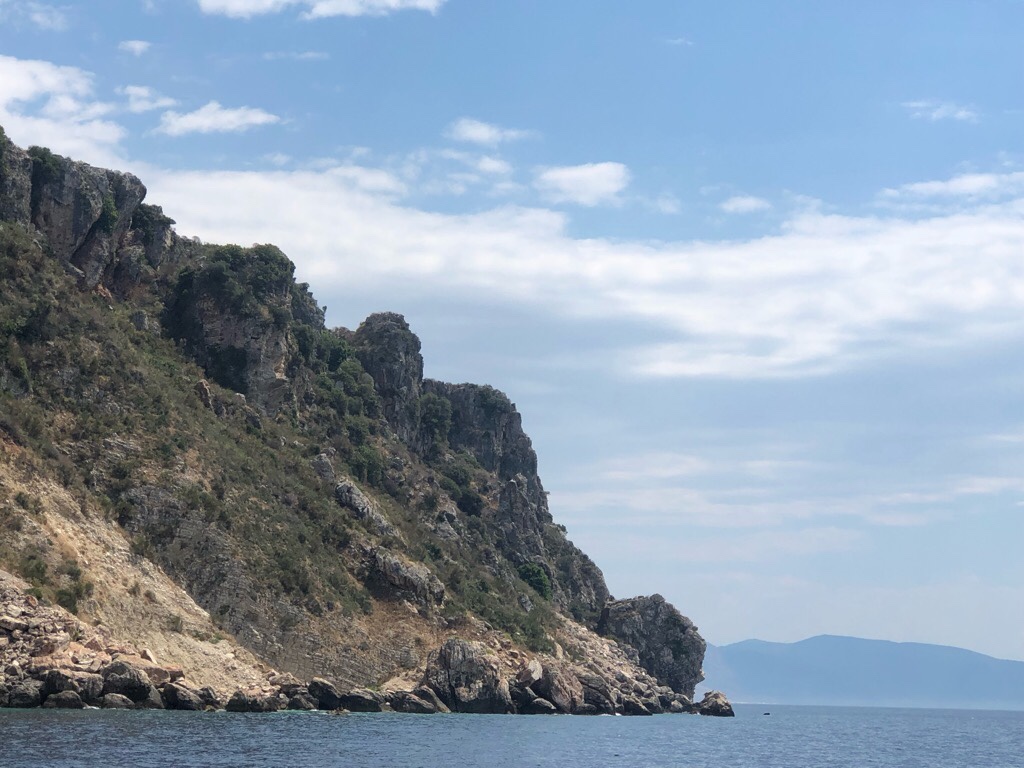
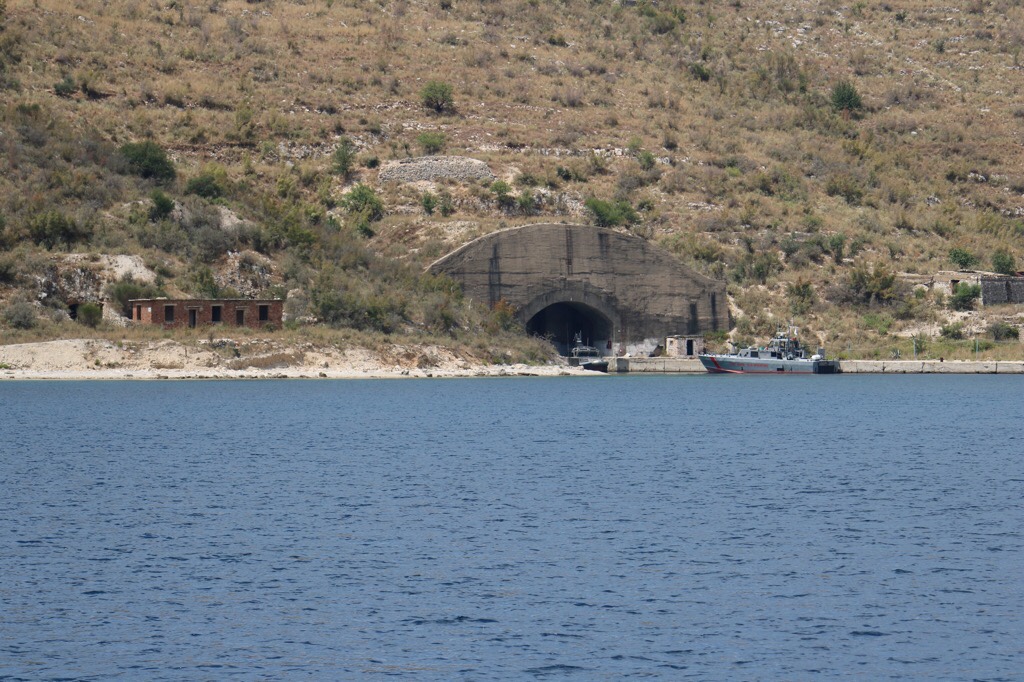
Although it is on military land it is possible to get in there and explore – something friends of ours from other boats had managed to do. Unfortunately, as we approached the anchorage where the tunnel was we heard the sound of a car horn alerting us to a soldier (with machine gun!) waving at us in a way that made it quite clear we weren’t allowed to go anywhere near the tunnel.
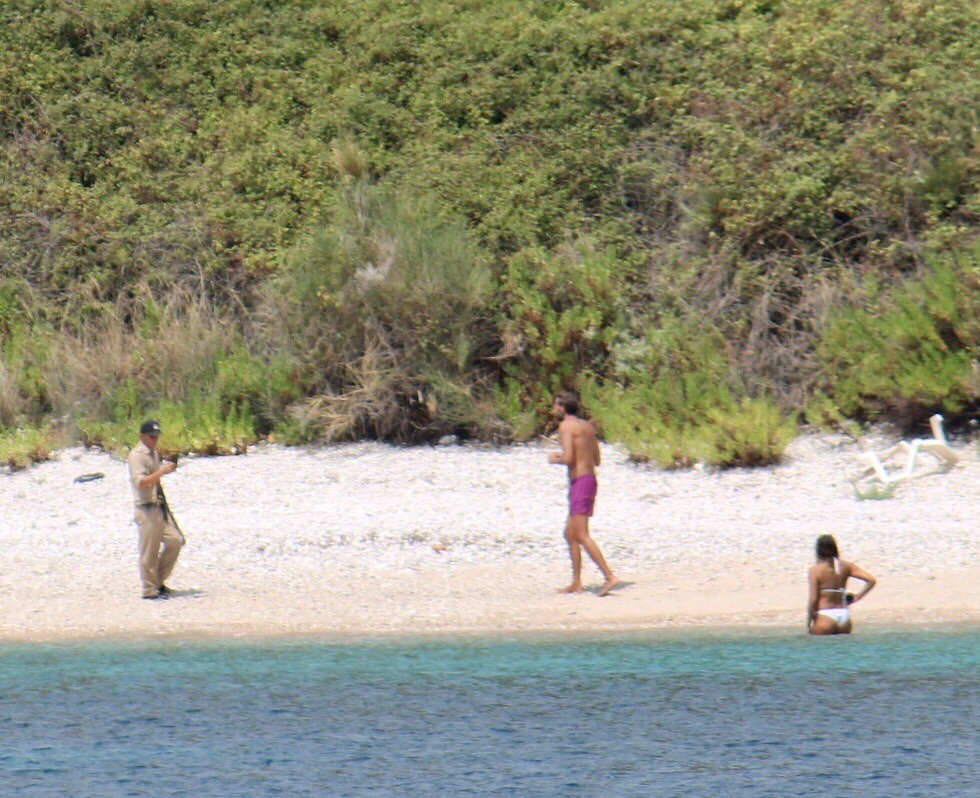
We started to back off but a young couple on a paddleboard just didn’t get the message and landed on the beach. The soldier walked down to the beach and waved his gun about a bit and we could see him shouting at the people who turned on their heels and hurried back to their paddleboard.
There were also some interesting looking caves in the bay but there were quite a few boats anchored there already and the closest we could get was in 20 metres of water – too deep for a fleeting visit as we would have need to put a huge amount of chain out.
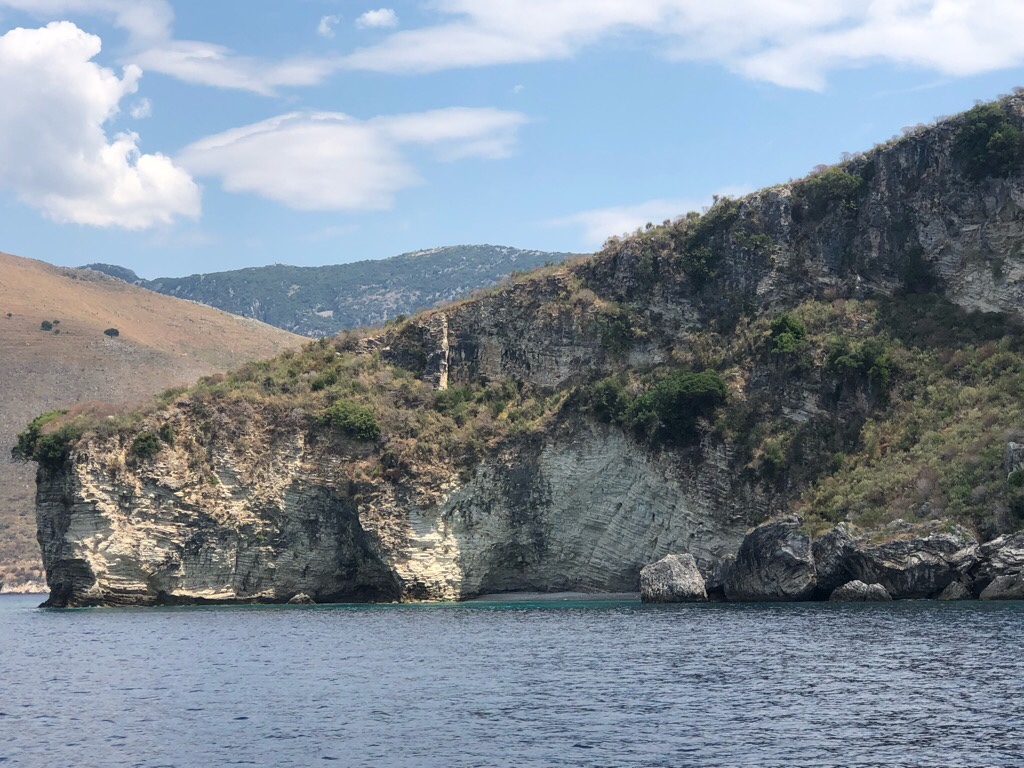

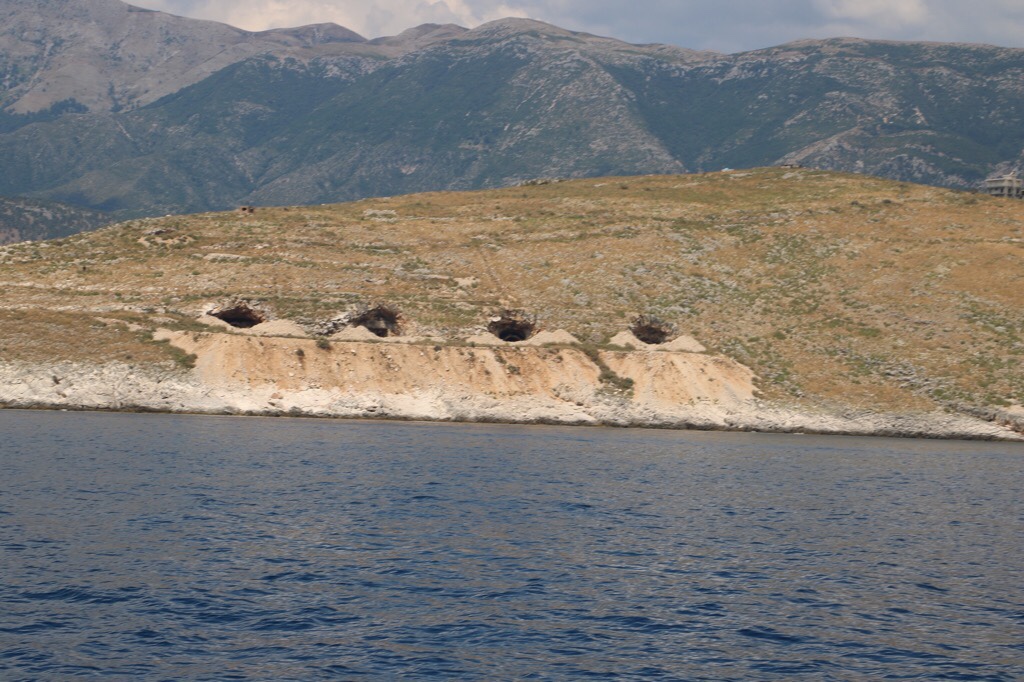
So we set off for Livadi, bypassing Himare where yachtie friends had woken up to find thieves in the middle of trying to steal their dinghy! On the way we saw many reminders of what life was like during communist rule – bunkers of different sizes dotted the massive cliffs. During the reign of the Hoxha regime between the 1960s and the 1980s, Albania was fortified by the building of more than 750,000 bunkers – an average of 5.7 bunkers for every square kilometre (14.7 per square mile).

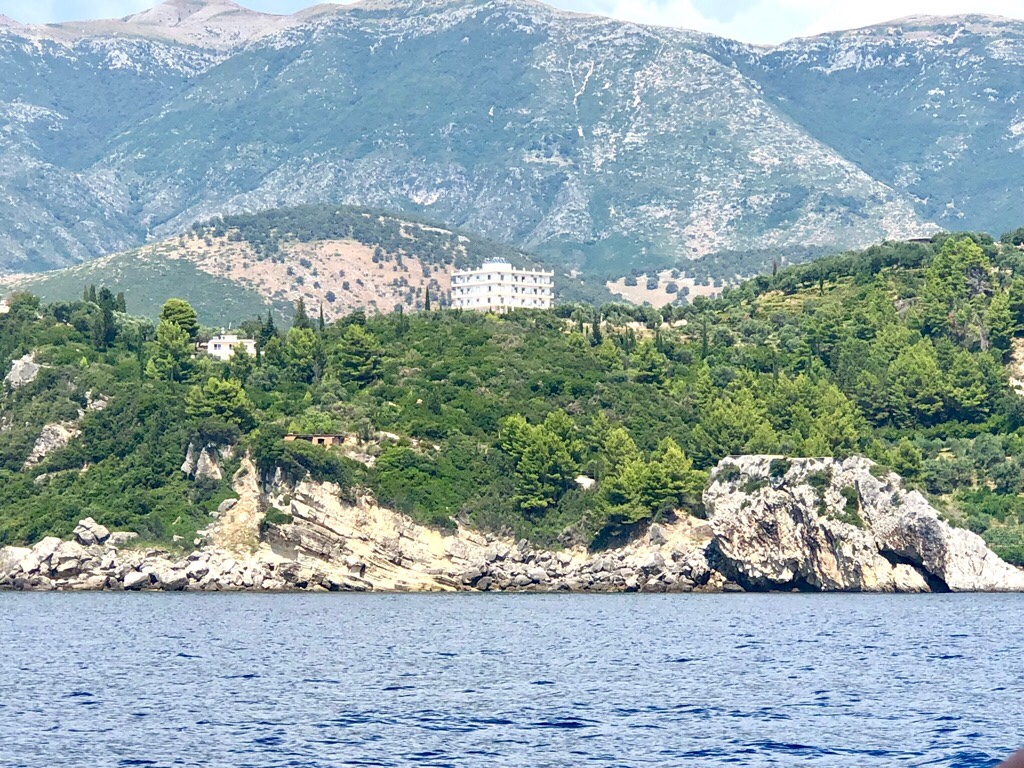
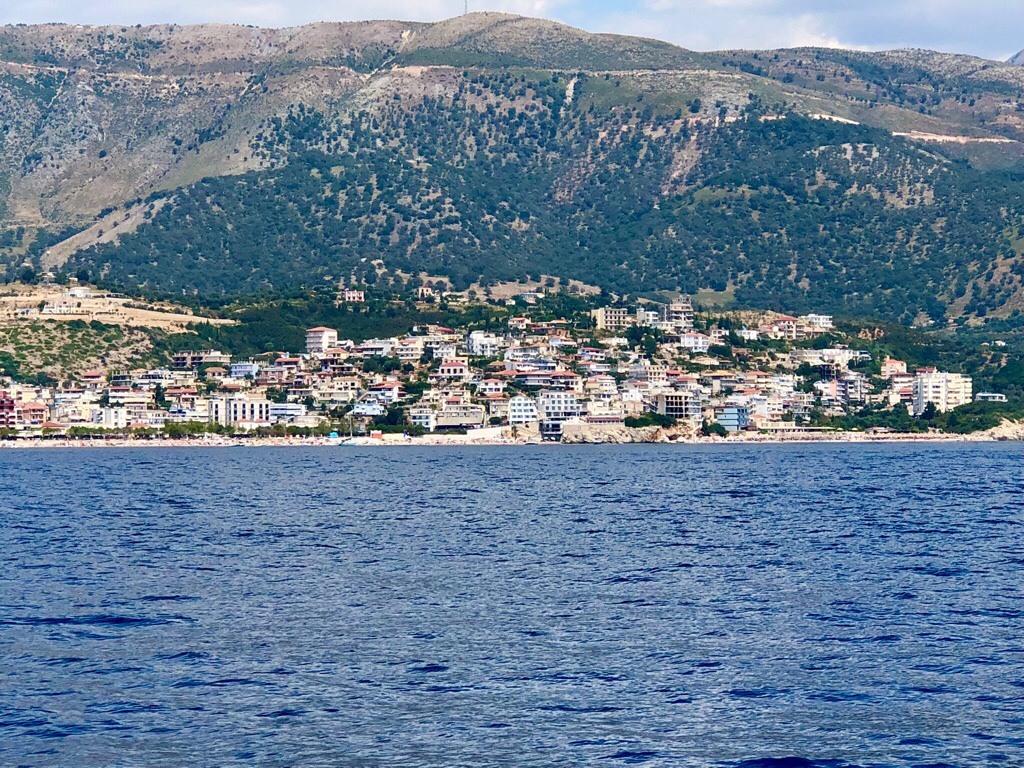
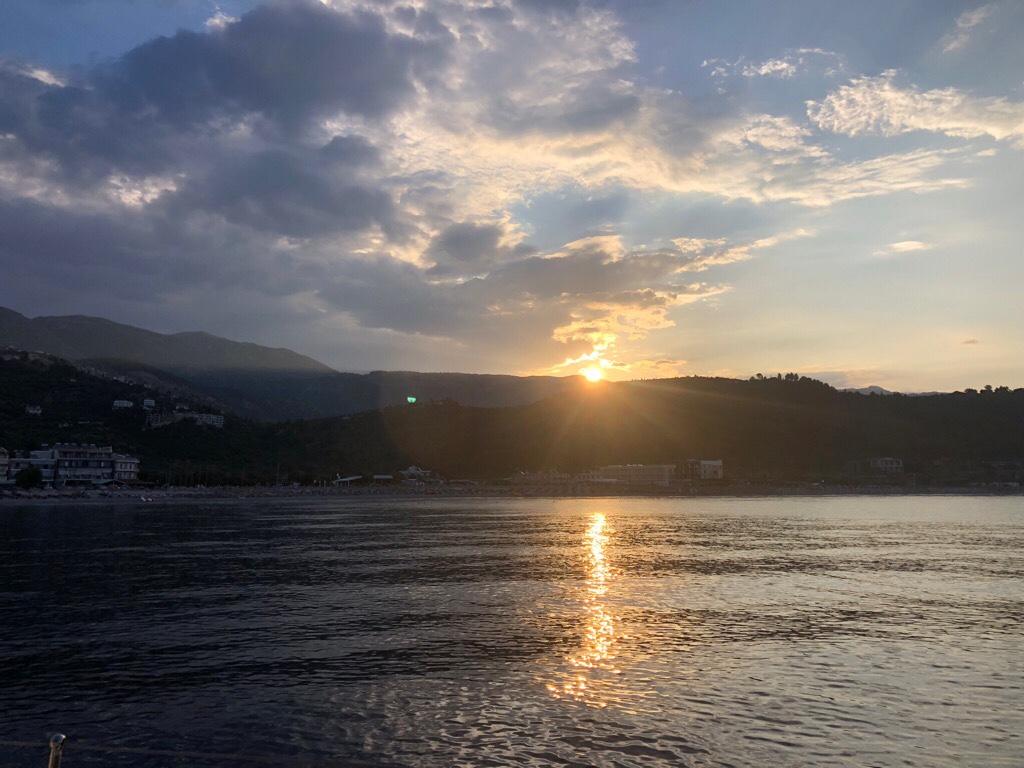
We anchored well off the beach in Livadi and settled in for a pleasant afternoon of swimming and relaxing. At around 6.25 pm a young policeman astride a jet ski drew up alongside and told us that our boat was too big to be anchored so close to the beach (we were several hundred metres away but perhaps less than a hundred from the buoys marking out the swimming area.)
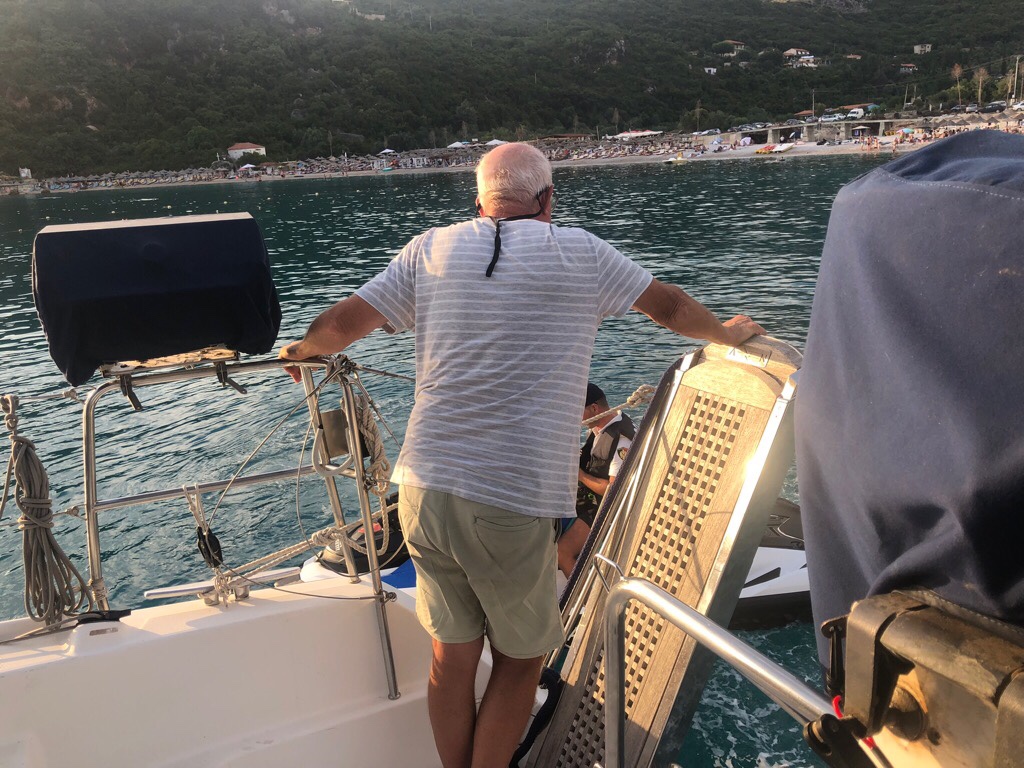
We reluctantly hauled the anchor and then had to hunt around for a suitable new spot to anchor in. Of course by this time, there were quite a lot of other boats in the anchorage which would have been fine normally but added to this, the sun was very low in the sky which meant it was hard to see where the sandy spots were – there was a lot of weed on the sea floor which is not good to anchor in!
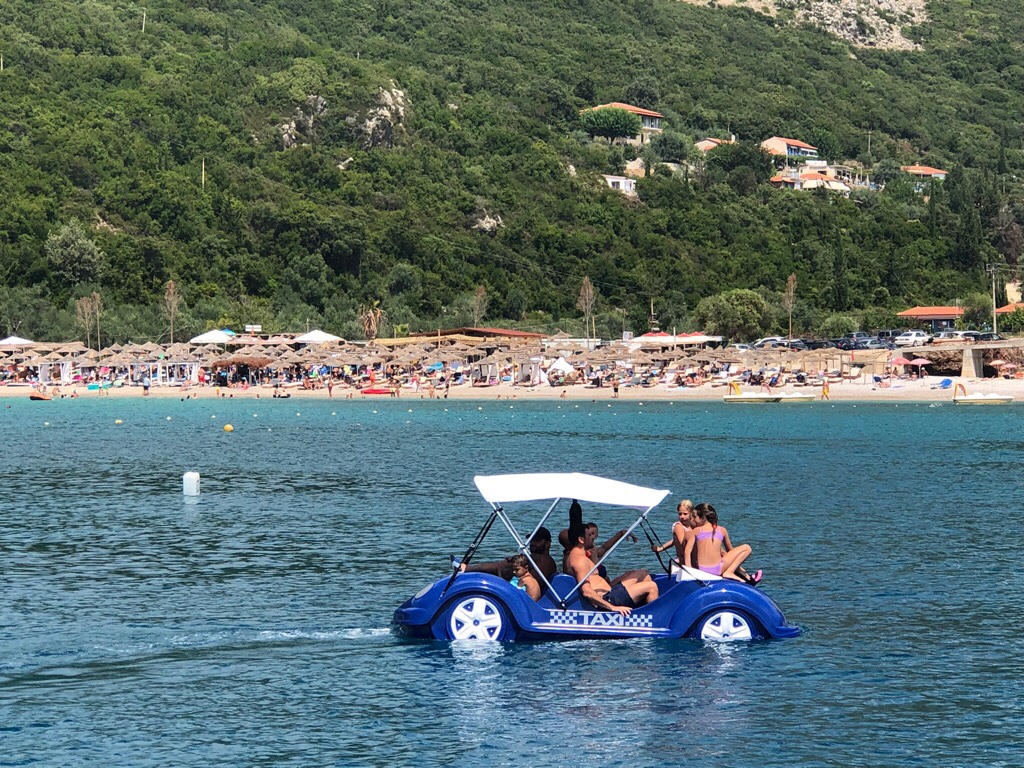
Fortunately we found a spot after a while and the good news was that it was closer to the restaurant that we had picked for dinner that evening.
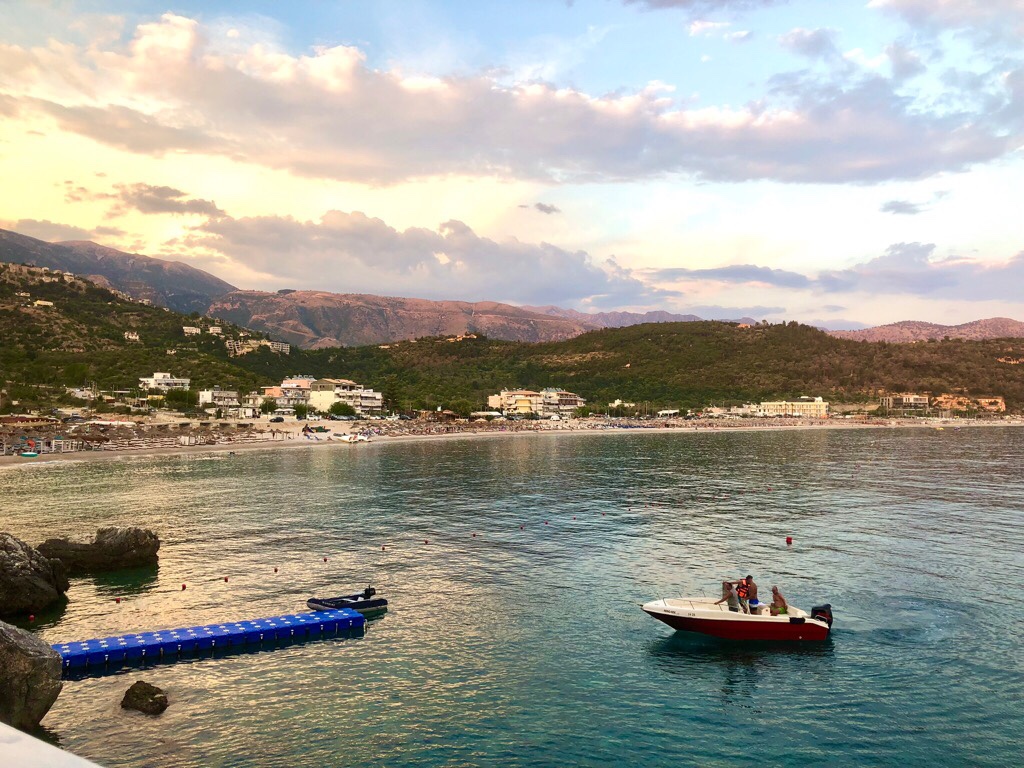
The restaurant looked really lovely but there was a bit of an obstacle course to encounter before reaching it. Jonathan had taken the dinghy over earlier to book a table and had tied up at the blue floating jetty and found that between it and dry land was an enormous gap. The “dry land” you had to leap onto consisted of a flimsy and very steep, timber walkway.
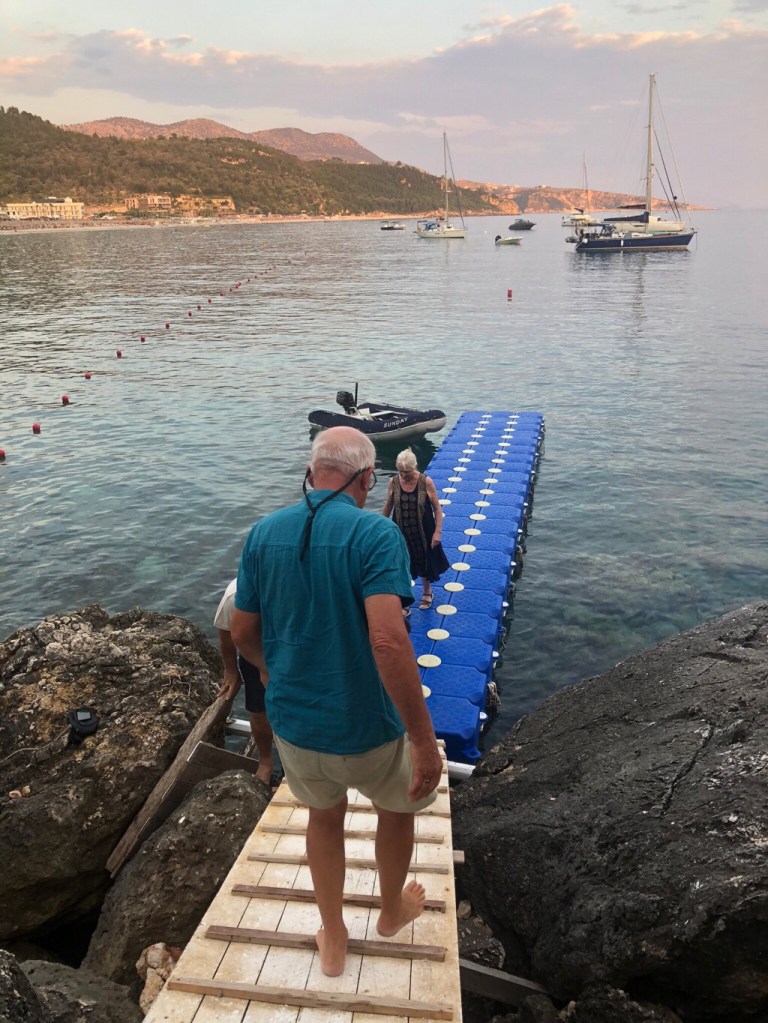
Apparently the restaurant manager had promised Jonathan that they would “fix it” for those of us who were less agile and confident. There was a sort of wooden bridge that Jonathan had seen on the rocks – it looked a bit rickety but he assumed this was what they intended to “fix” the huge gap with. However, when we landed at the wobbly blue jetty there was nothing there except for a yawning gap which was much bigger than most of us could manage.
Jonathan made a heroic leap and eventually found an employee of the restaurant to assist us. We thought he was going to “fix the bridge” but all he did was pull the jetty closer to the rocky outcrop and offer us a hand!
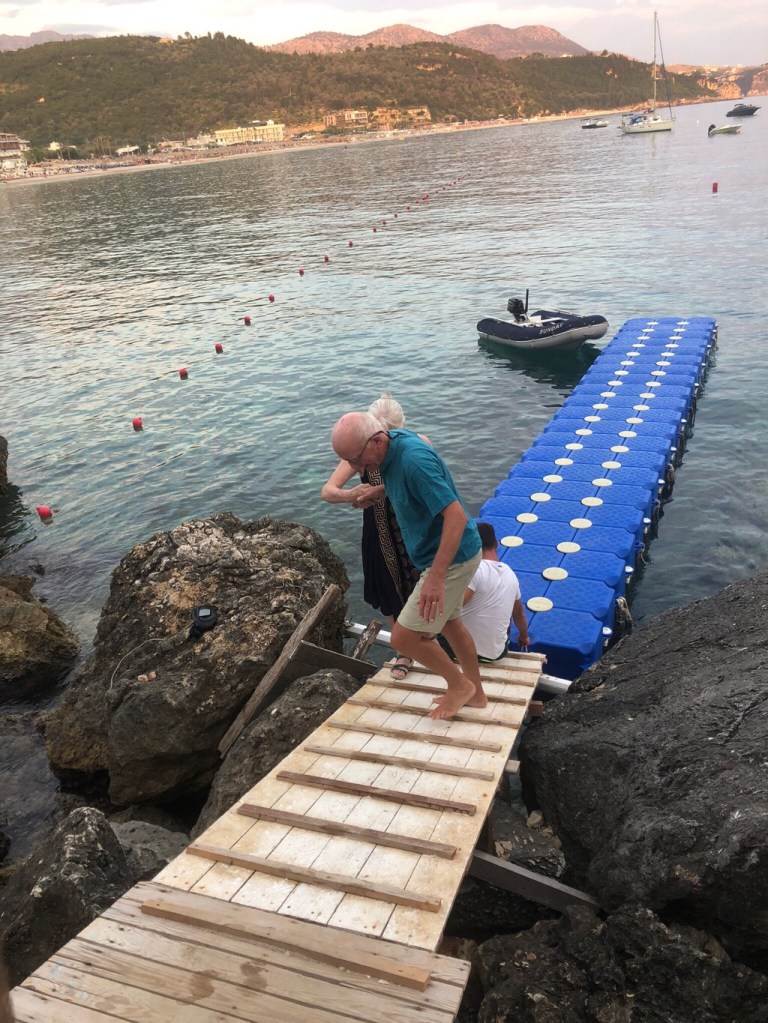
After a slightly heart stopping moment I made the leap into the unknown and one by one we managed to negotiate the gap.
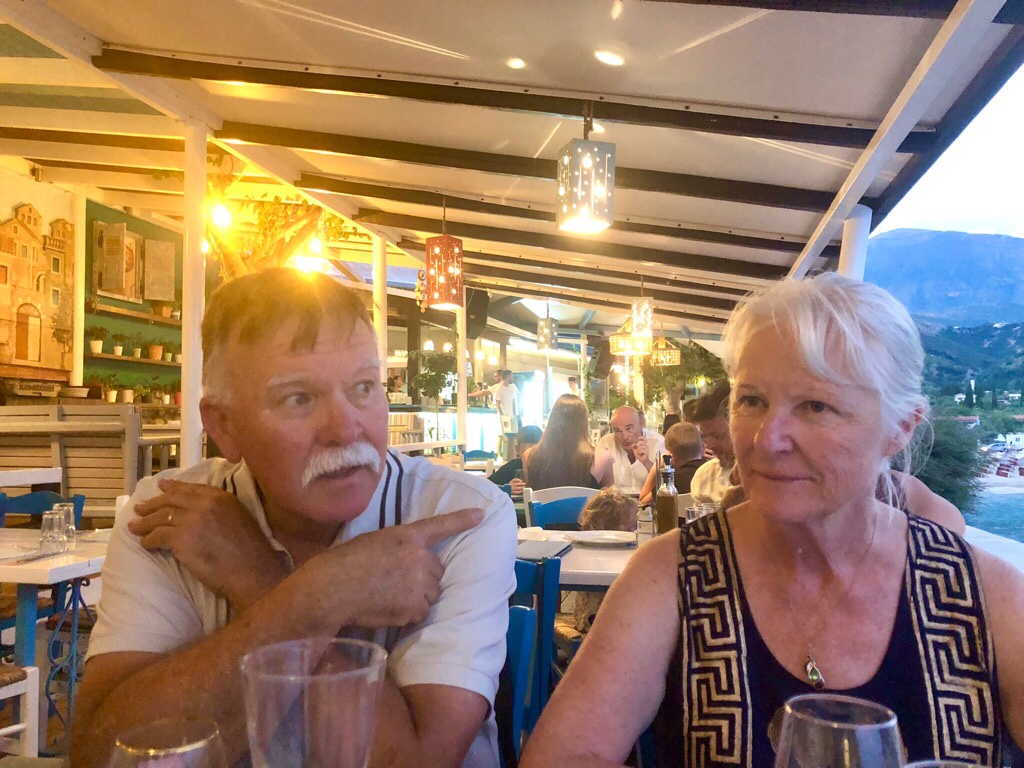
It was all worthwhile as the view from the restaurant was splendid and the food excellent (although we did have a long wait before they took our order).

dinner table
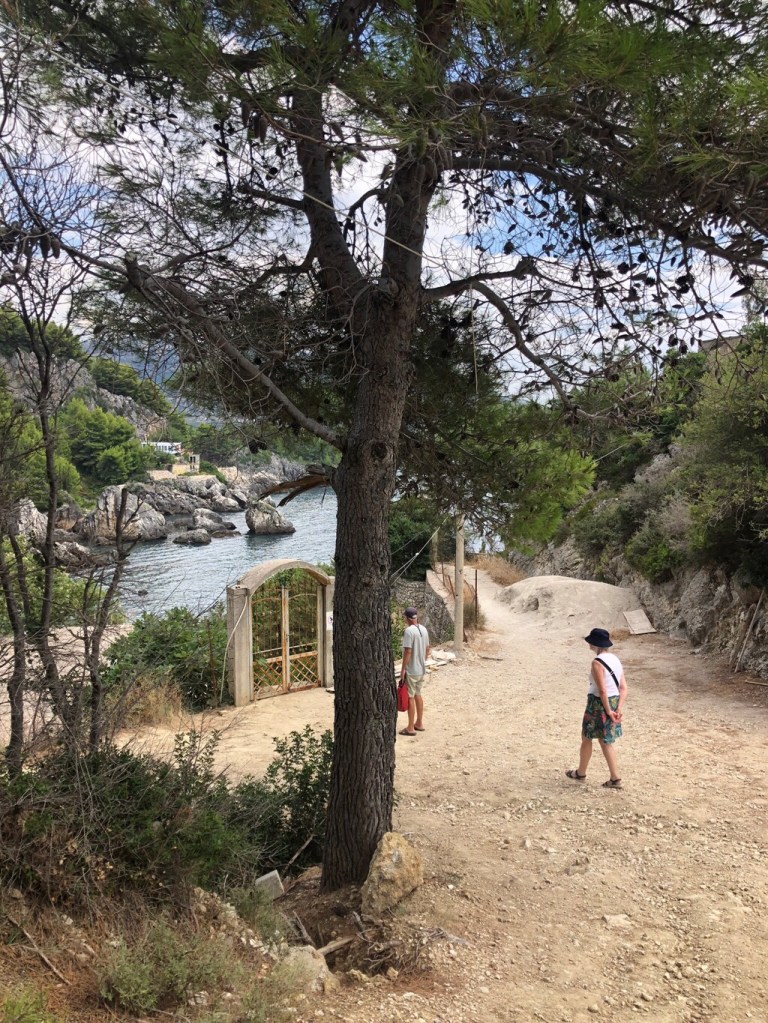
We decided to go for a bit of a hike the next day – first we walked the length of the beach and found the rather overgrown cliff path which took us on a lovely walk to Spile Bay where we had lunch.

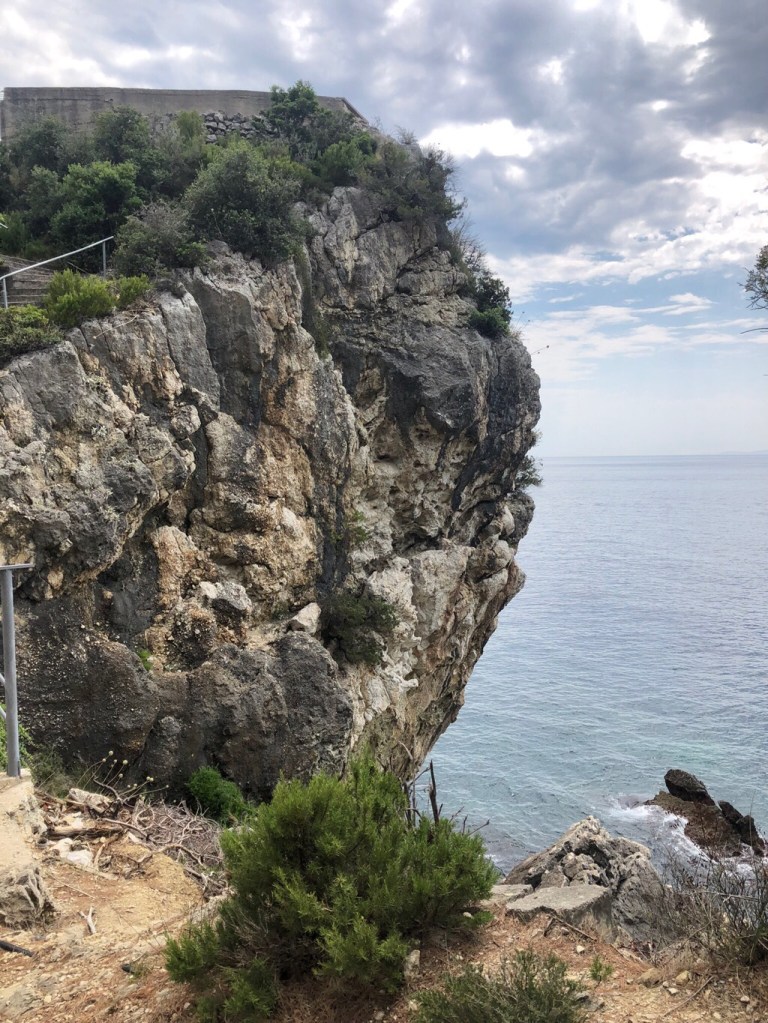
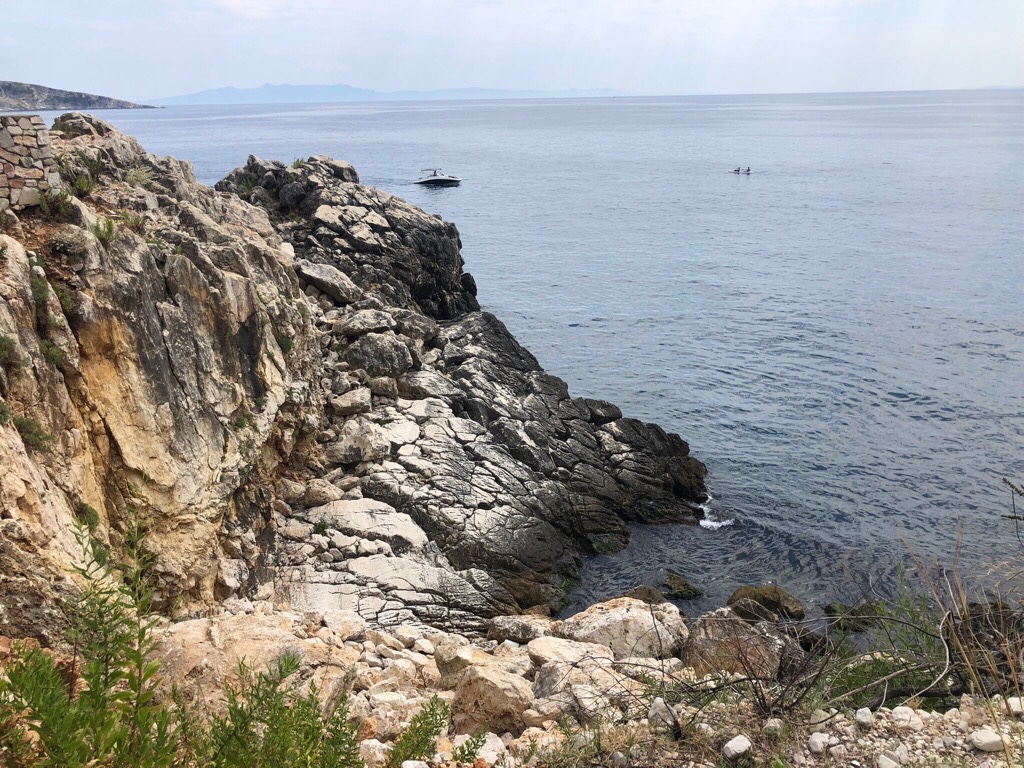

The walk took us through cool wooded sections, rugged cliffs with glorious views and some quite challenging parts too.
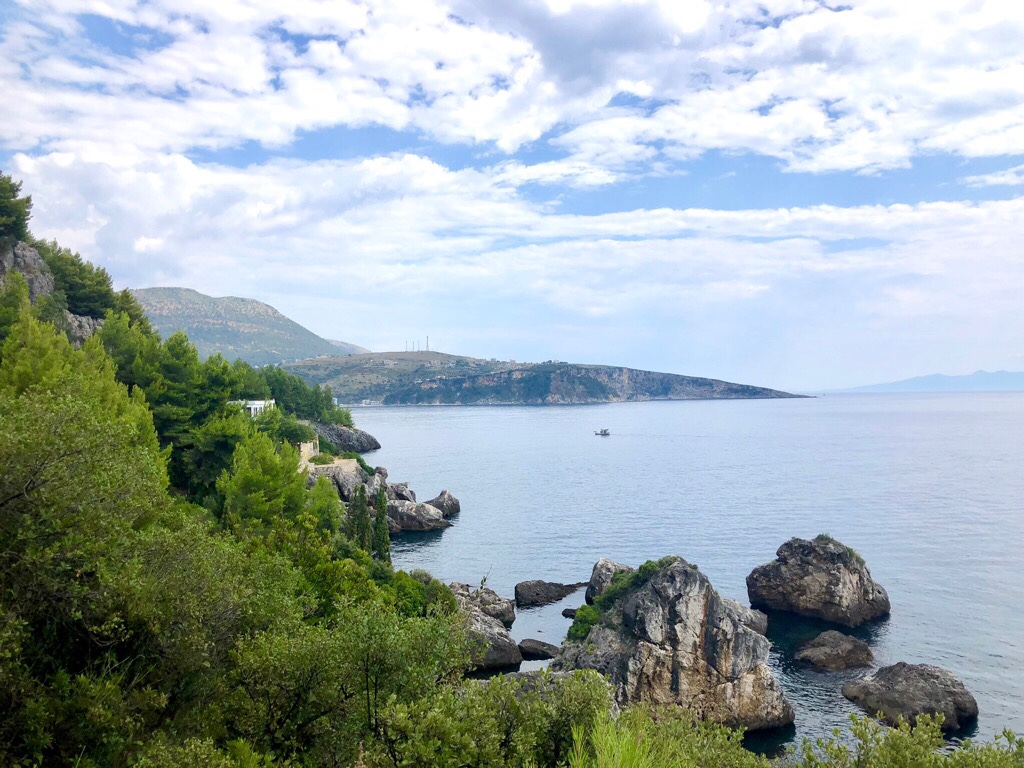
Just as we were approaching Spile Bay it started to rain so we made a dash for the nearest restaurant!

 Salty tales from Bali Hai on Sunday
Leave a comment