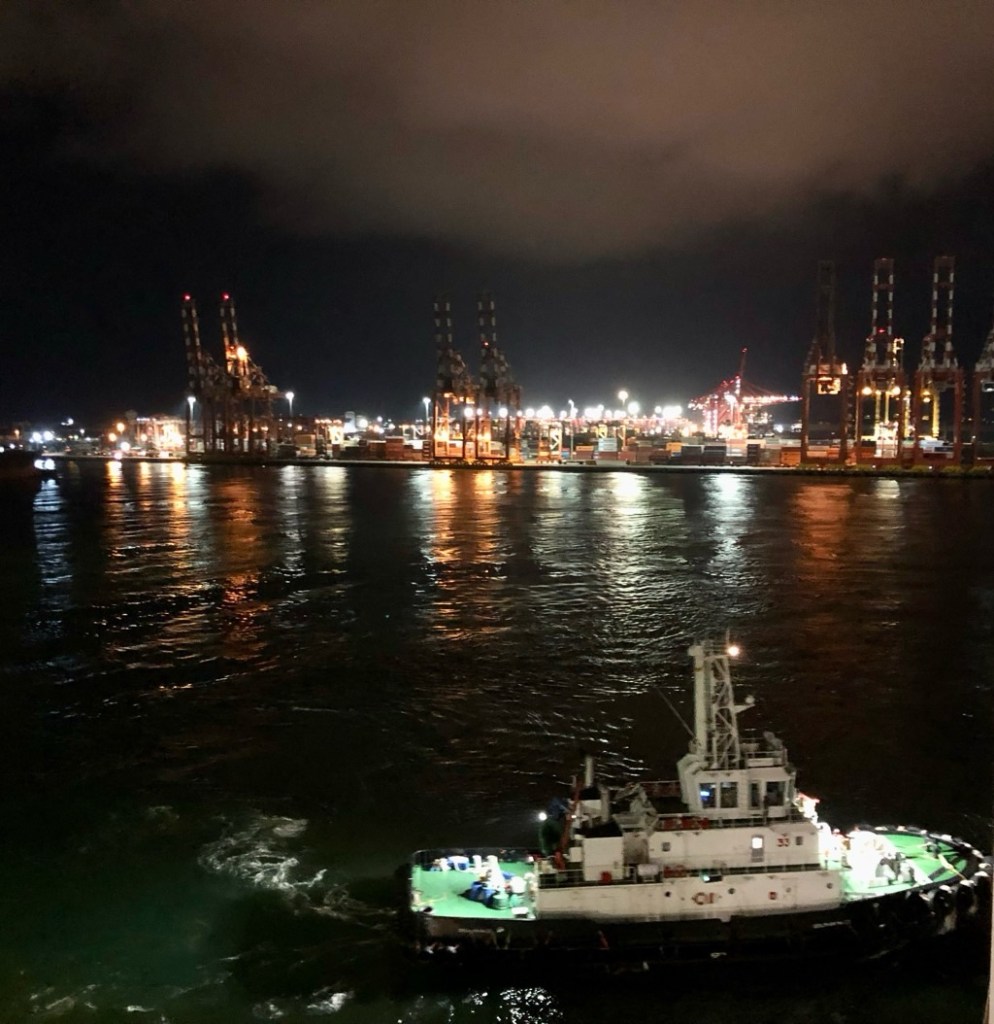
Back on board the Queen Elizabeth we watched the twinkling of the bright lights of Colombo in Sri Lanka as the boat was untied and we slowly drifted off from the quay.
on the motorbike
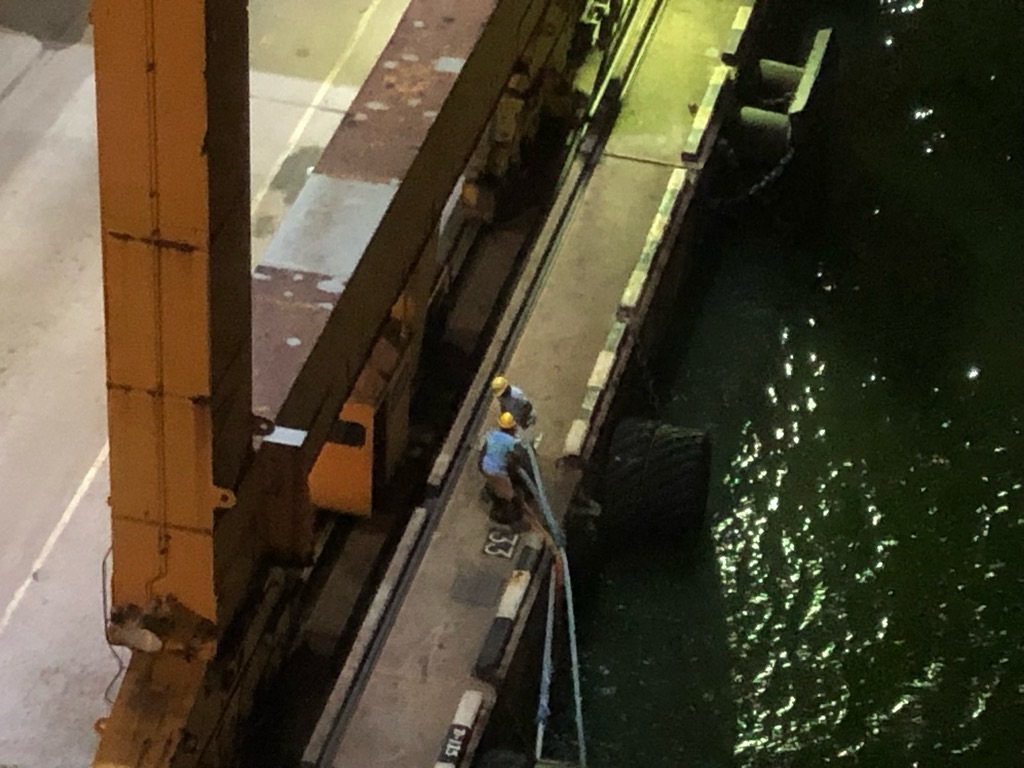
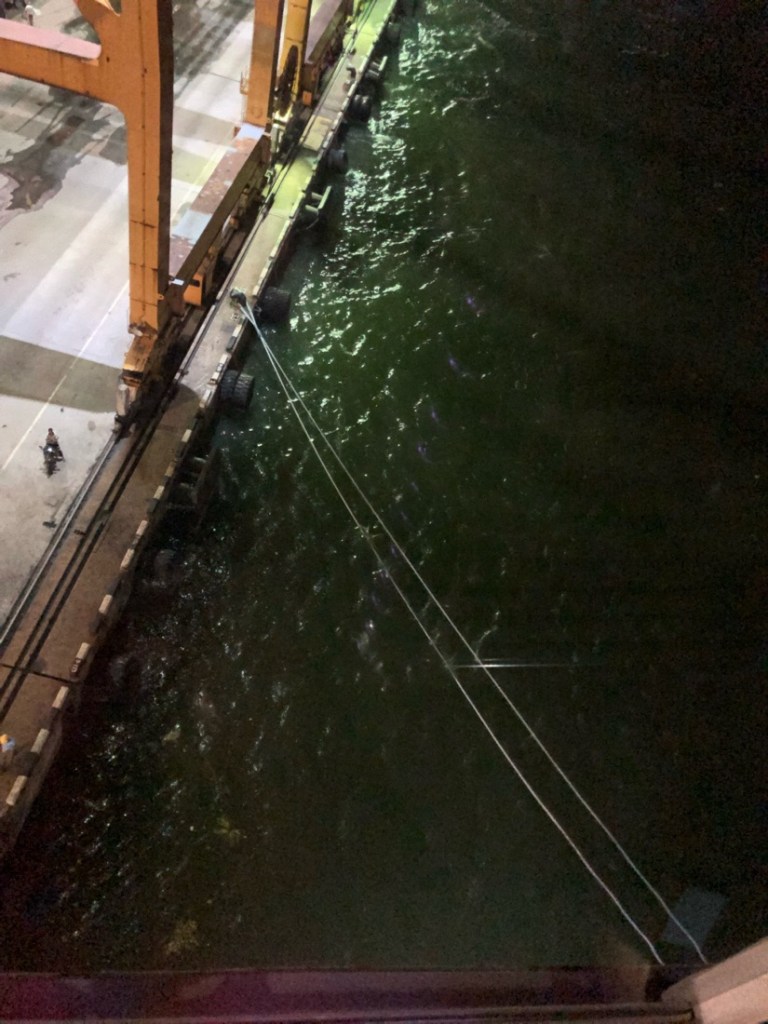
The ship’s departure was an impressive sight – tiny figures heaving her massive lines off gigantic bollards, the dead slow and very gentle sideways propulsion off the quay and the arrival and departure of the pilot boat.
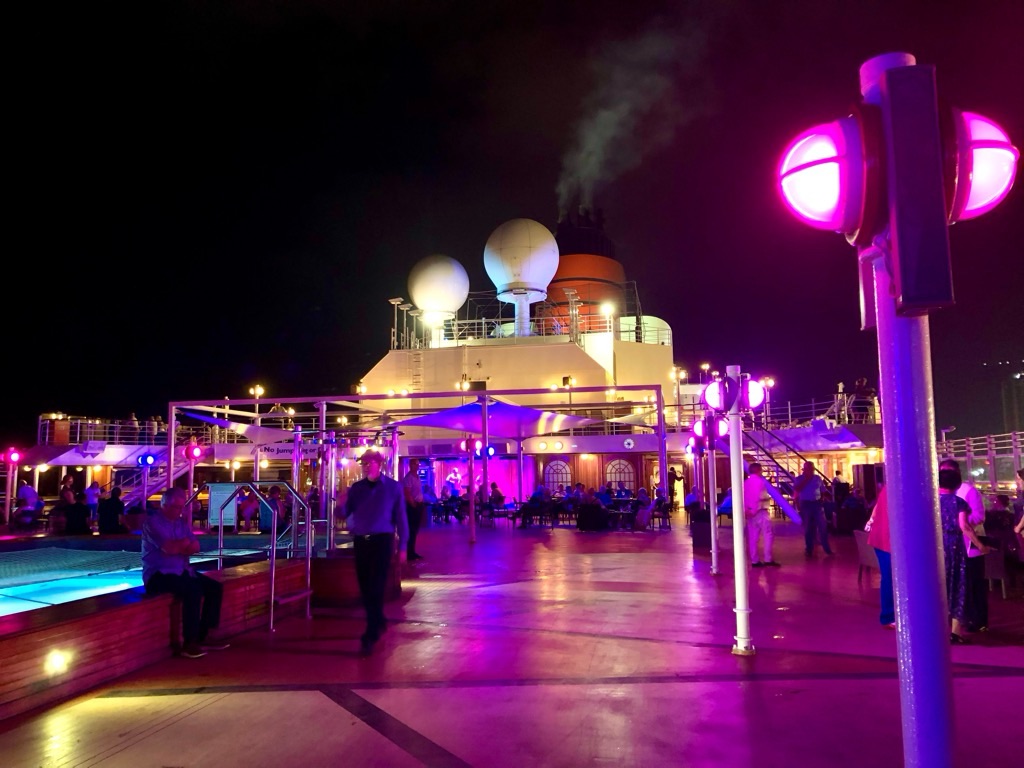
Then it was time for dinner and a show – this time a very entertaining magician/comedian.

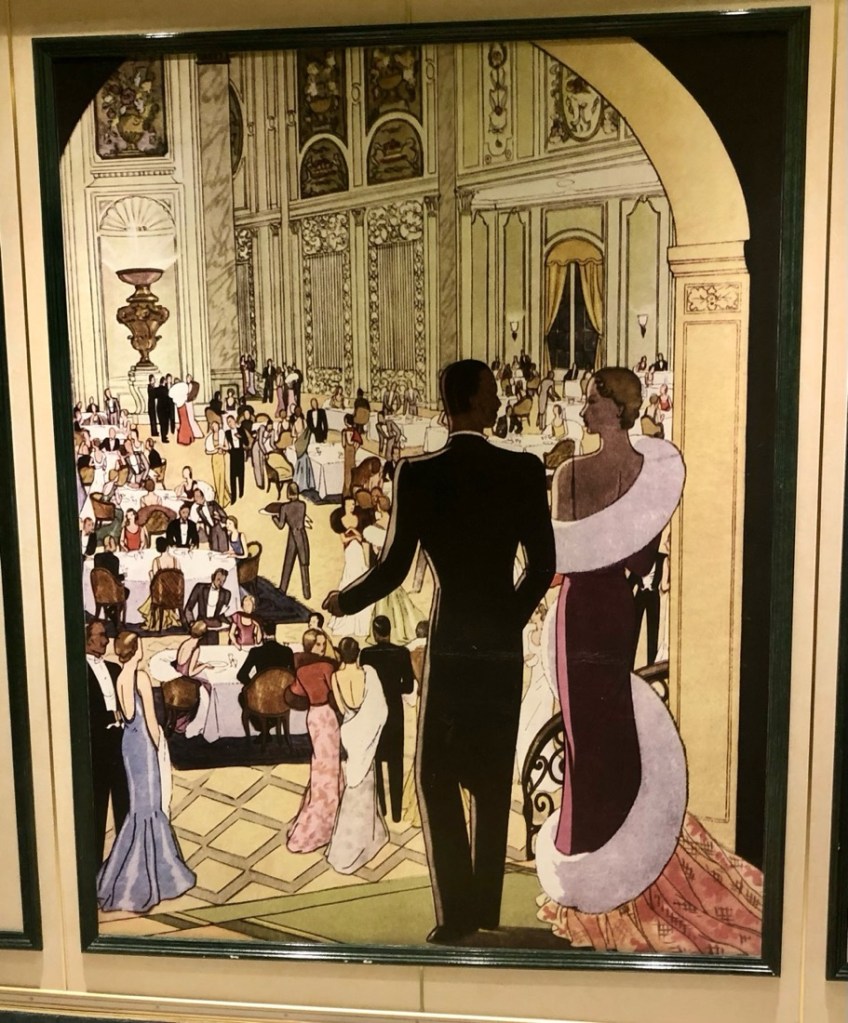

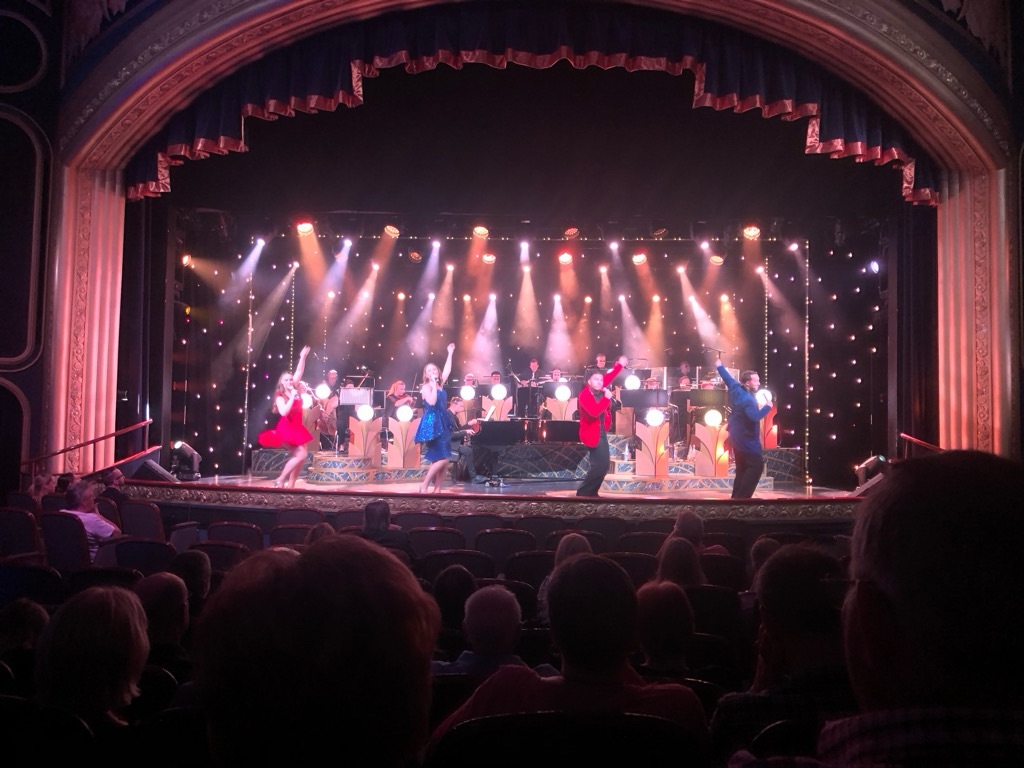
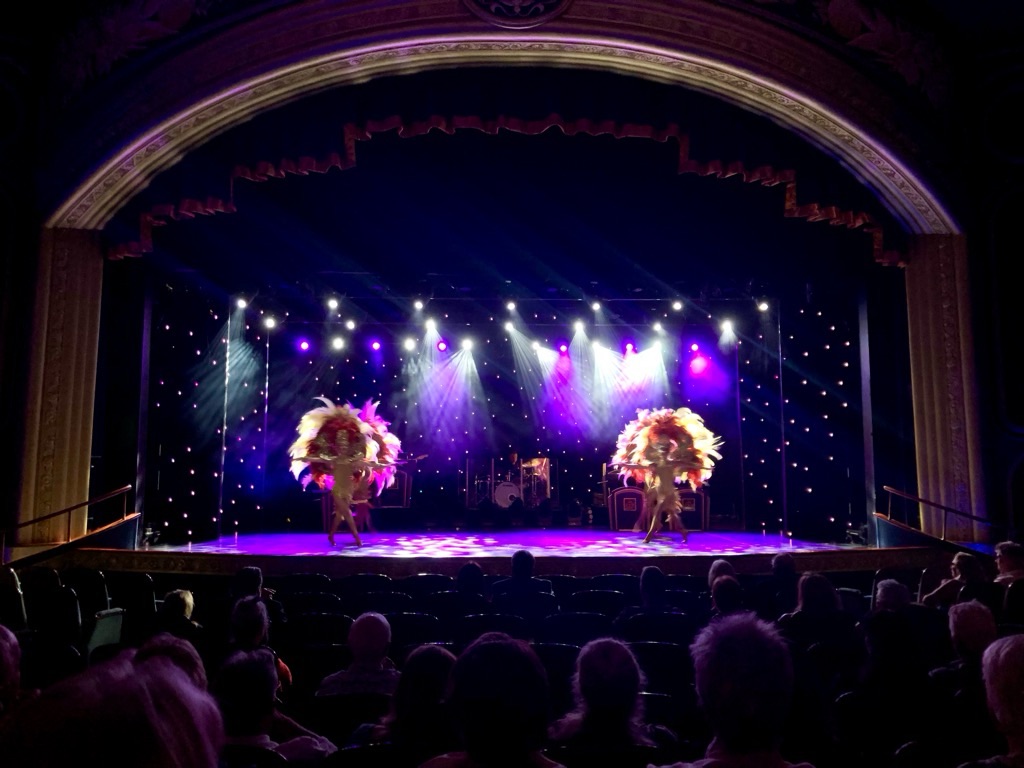
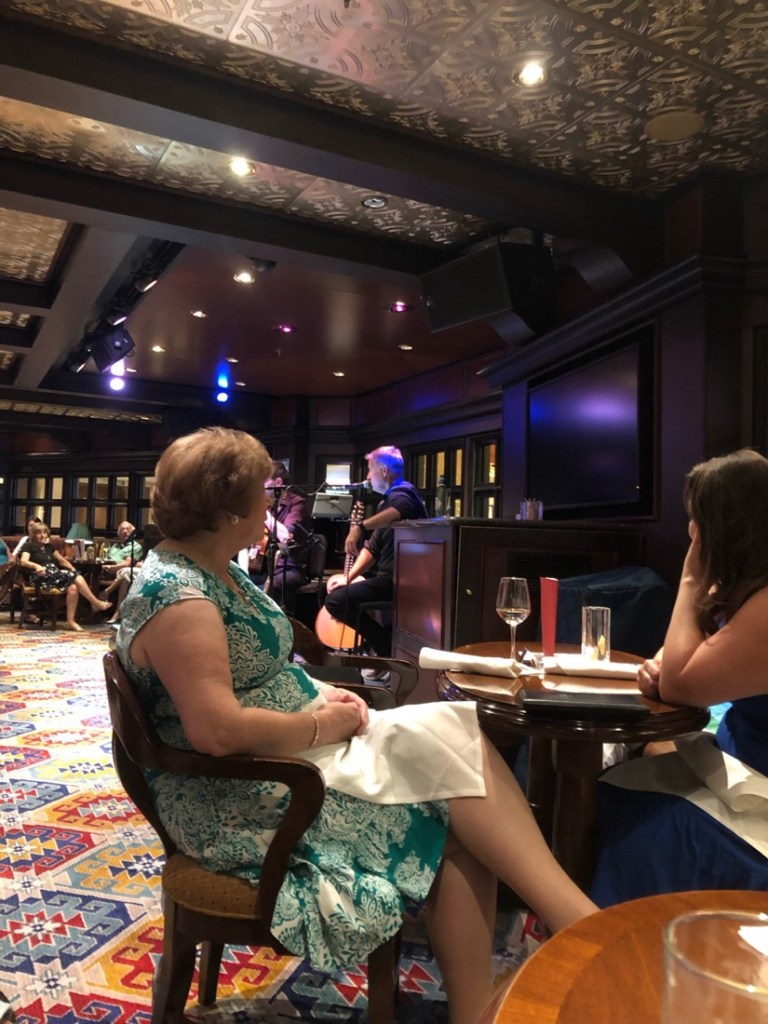
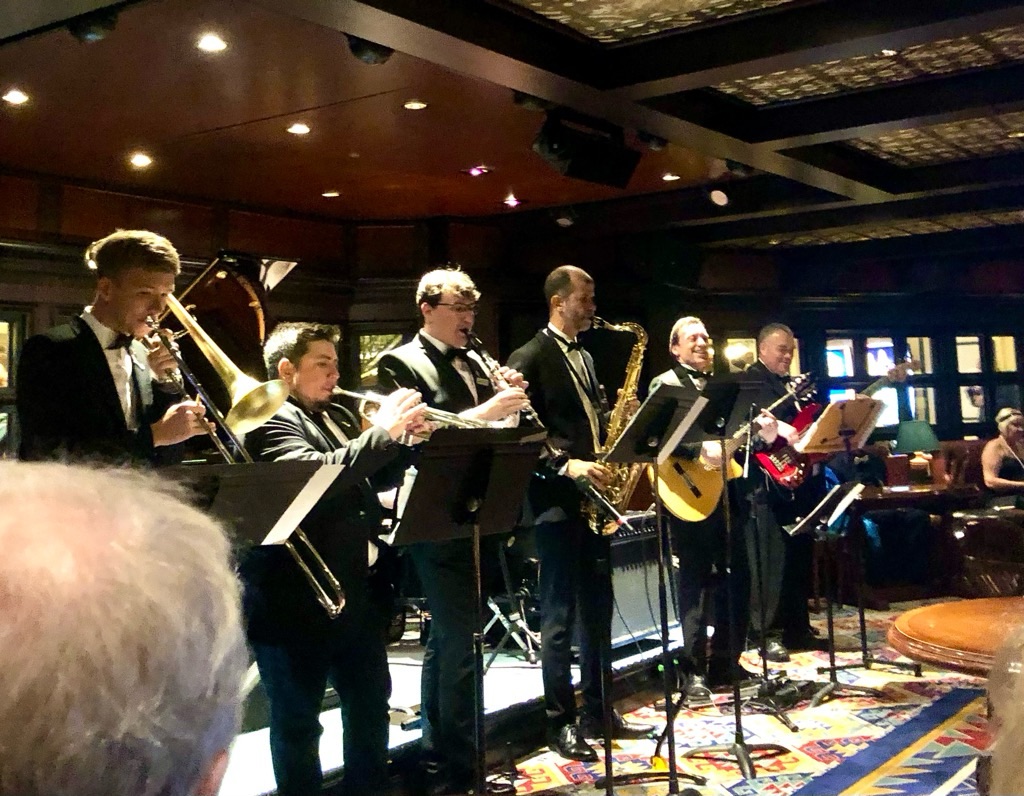
Three days later (after more eating, more people watching, the continuation of the voyage’s massive Scrabble challenge between Sue and I, more shows and more live music,) we arrived in Singapore.
Sue and John had previously lived in Singapore for some years so for them it all felt very familiar.
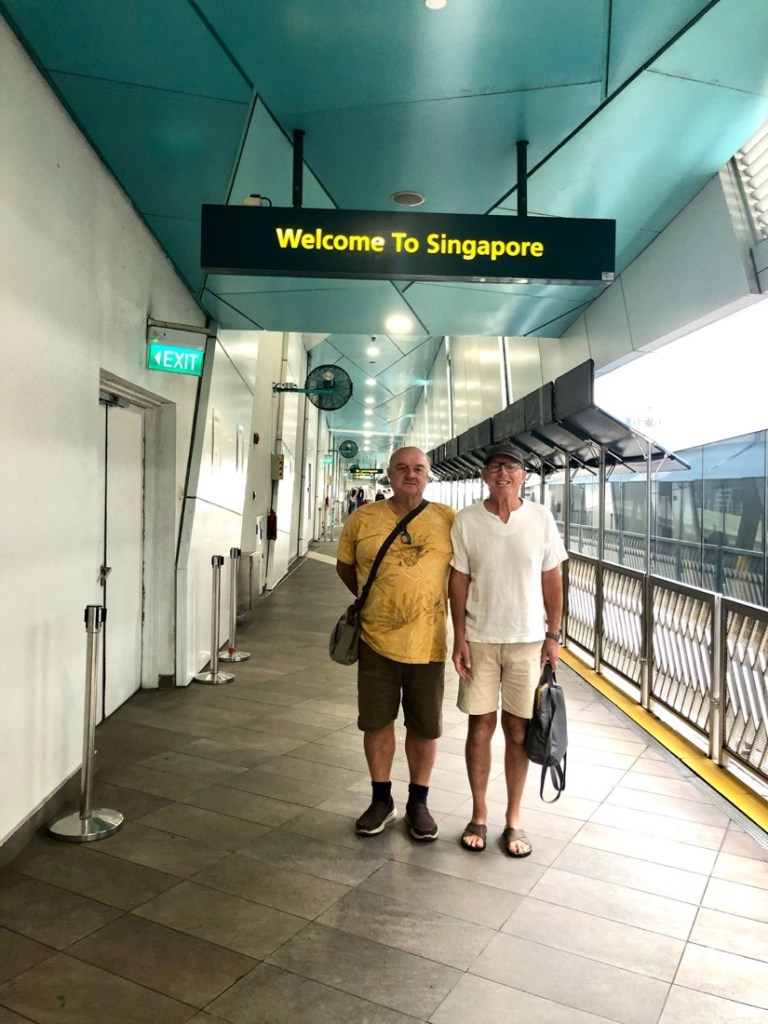
the customs terminal
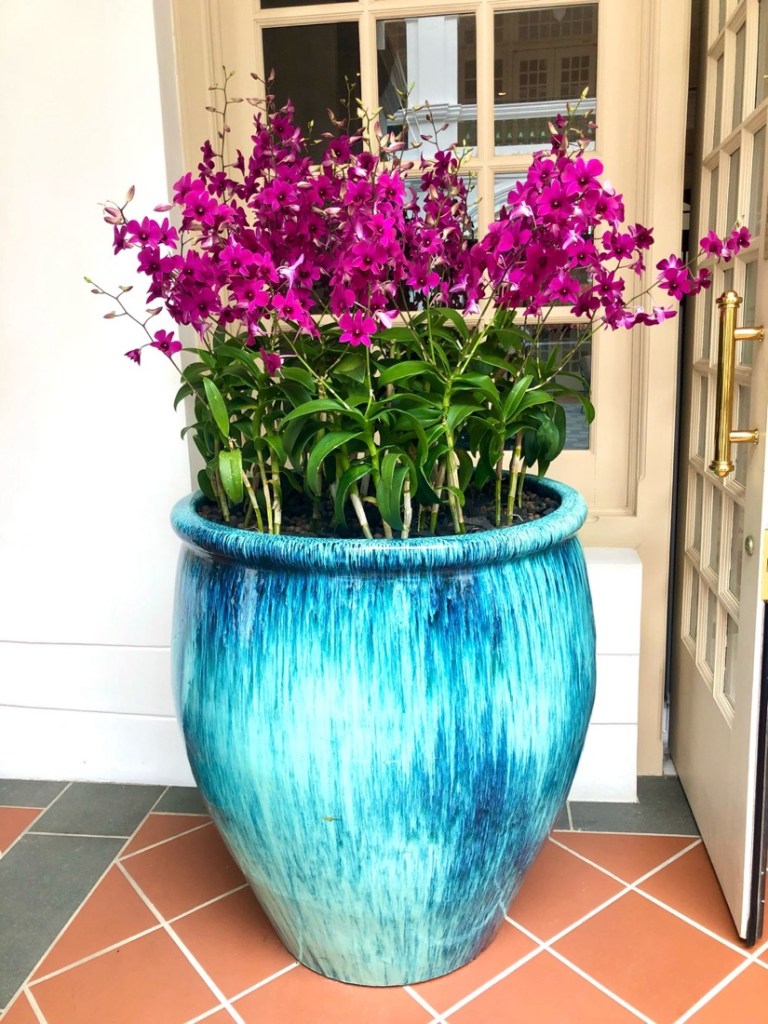
Our first stop was the famous Raffles Hotel which has been beautifully done up since my last visit.


Then it was time for a little electronics shopping – fortunately Sue and John knew exactly where to go to find what we needed.
Soon it was time to visit one of John and Sue’s favourite haunts in Singapore – Zam Zam’s – a tiny but wonderful fast food cafe that serves the best Murtabak in town!

These delicious treats are a bit like the gözleme that we so enjoyed in Turkey or stuffed paratha we ate in India but more eggy somehow. They are served up with all kinds of different fillings – some very spicy but others plainer and they are served with quite a hot curry sauce.
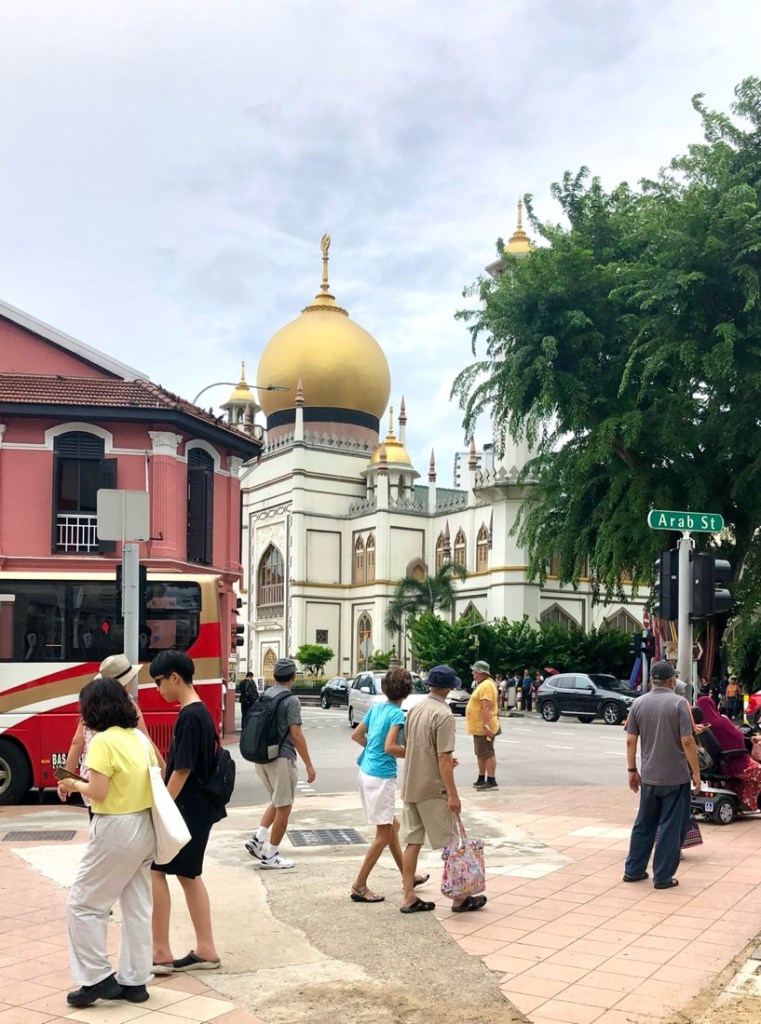
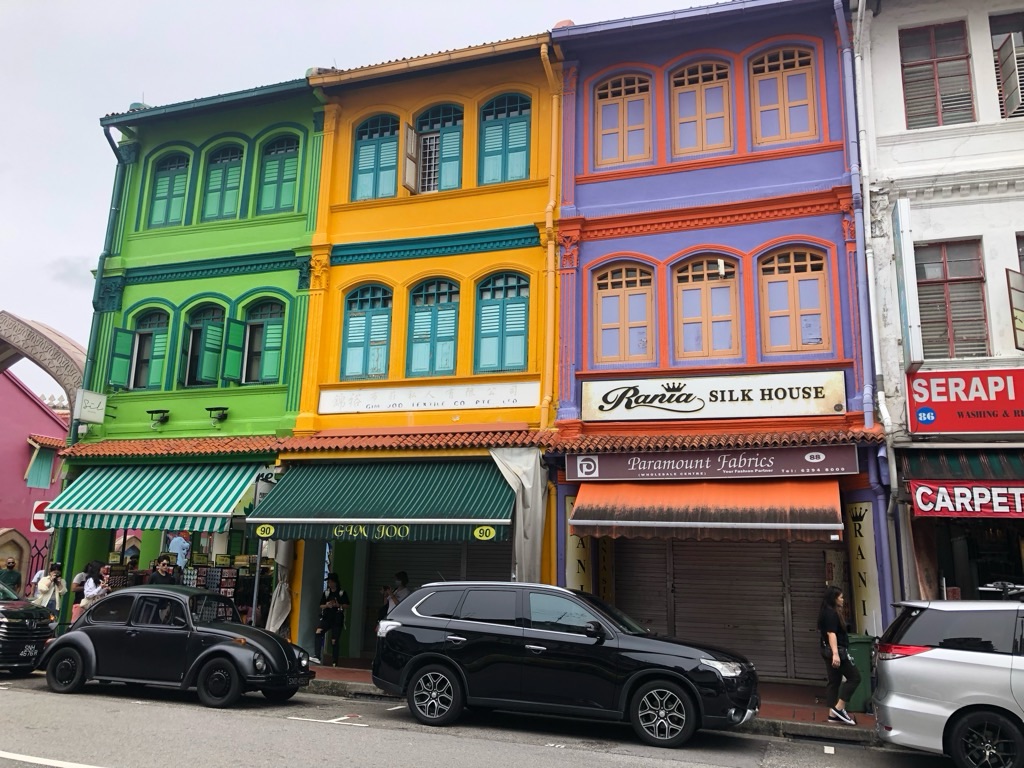
Feeling very full we walked around the Kampong Glam district and enjoyed the brightly coloured shop houses and looked at the carpets, silks and other fabrics on sale.

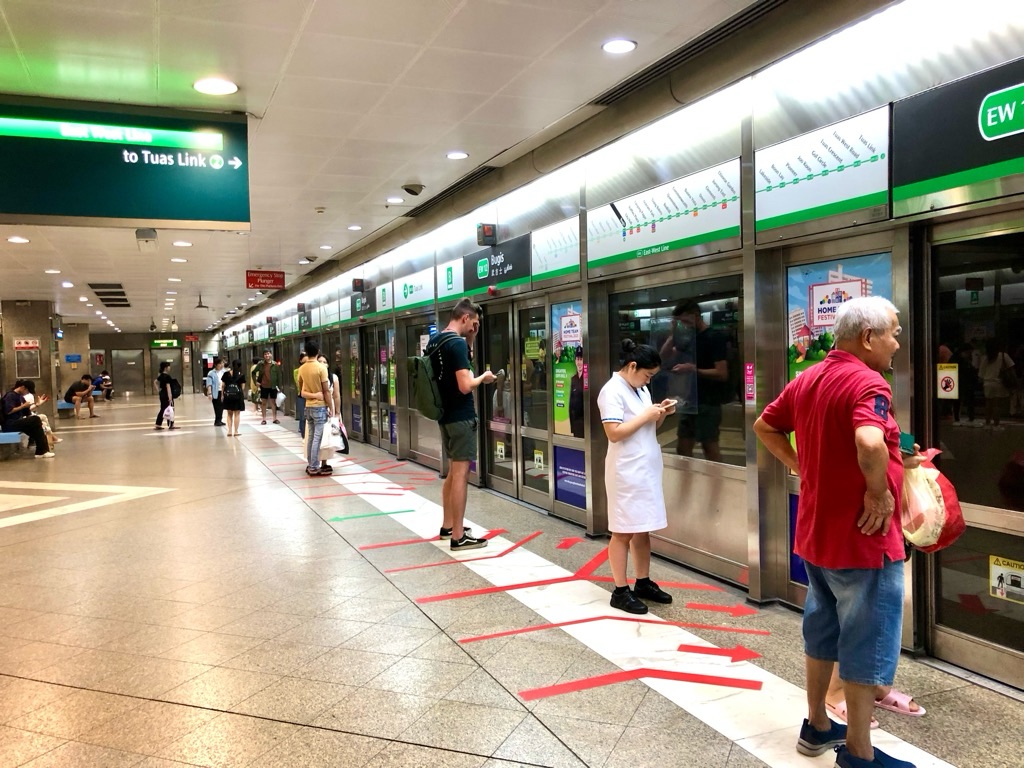
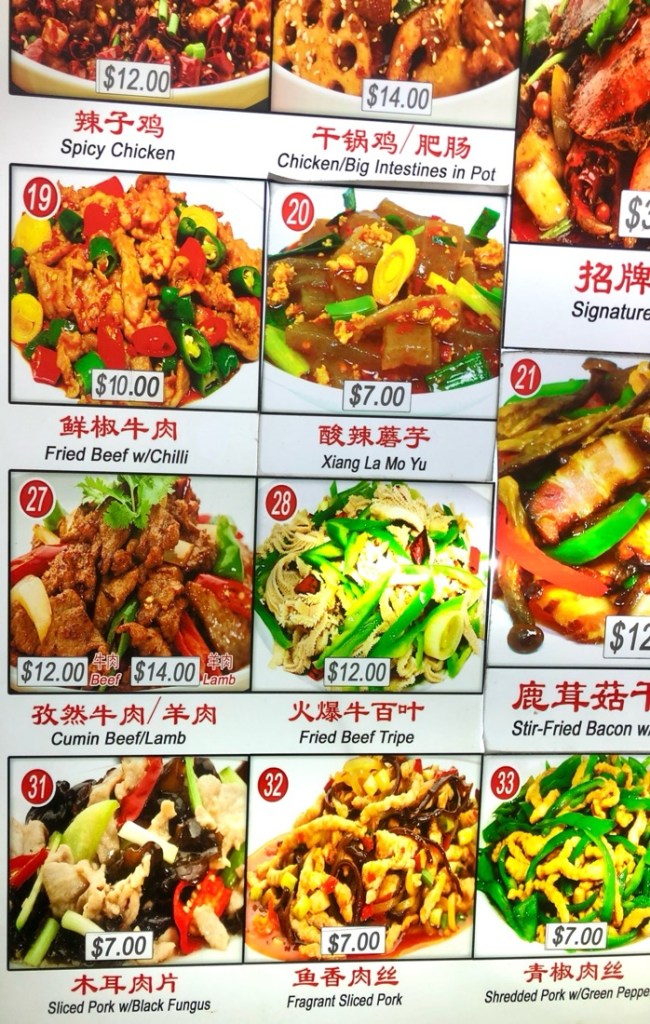
We then hopped onto Singapore’s very efficient and clean subway to Chinatown and had a wander round, drank some beer, looked at the food stalls (we were still full from our Murtaback) and did some shopping.
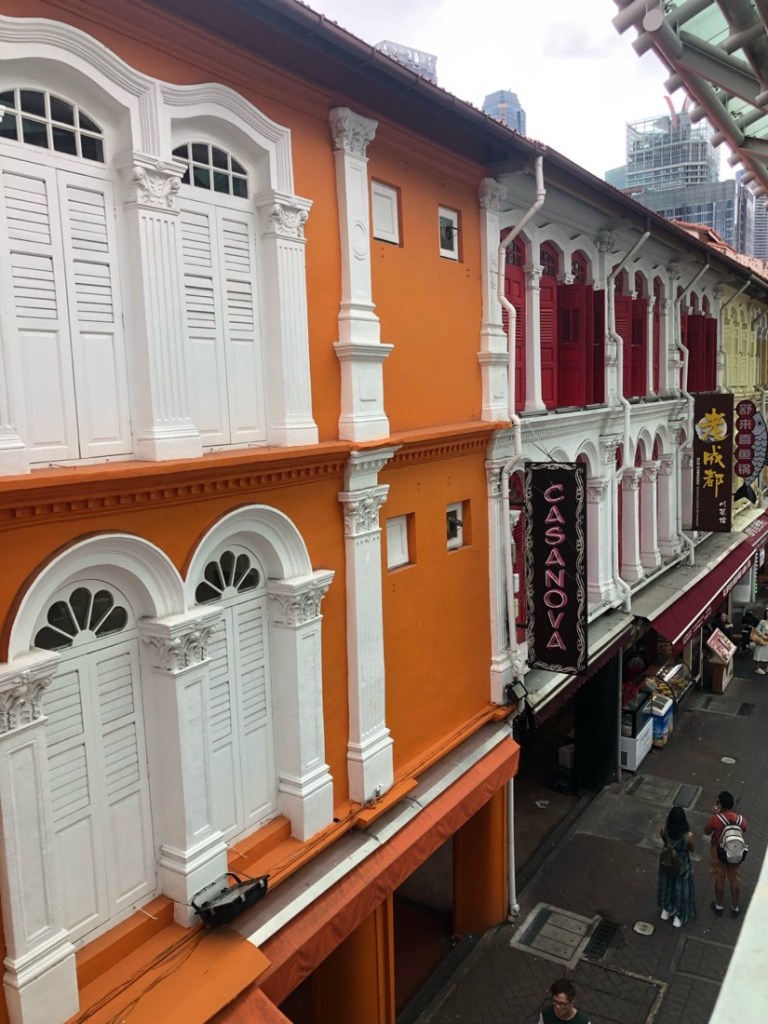


twentieth century

Soon it was time to leave and back on board “it was beginning to look a lot like Christmas” with beautifully dressed Christmas trees and other decorations going up around the ship.

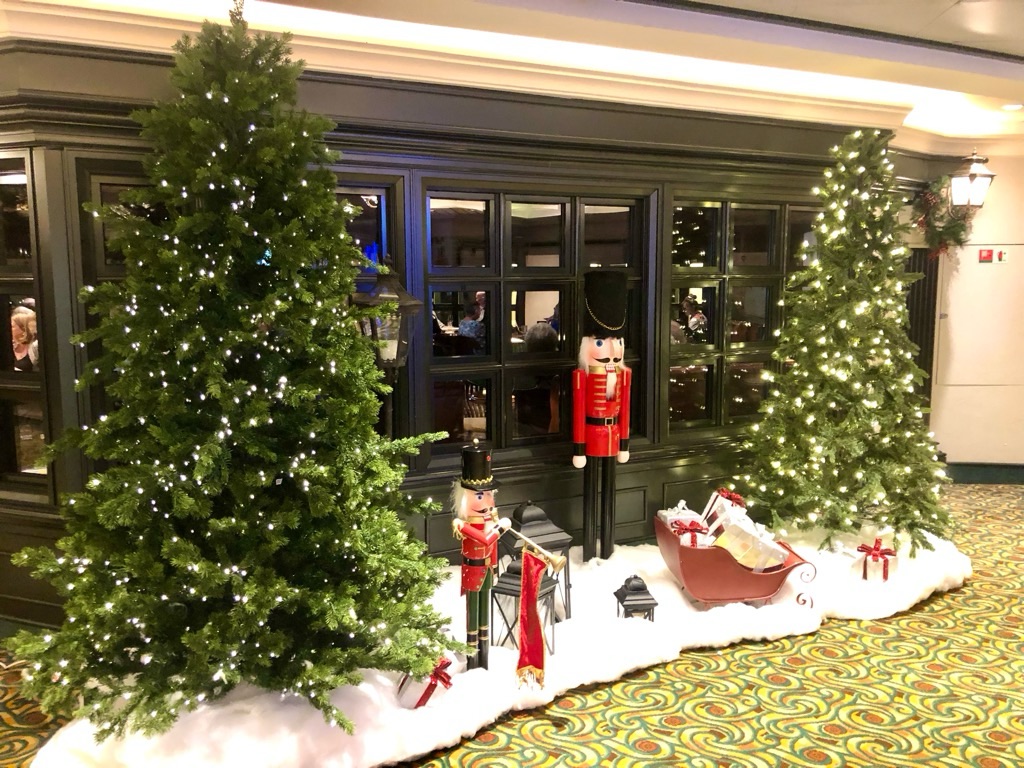
all around the ship
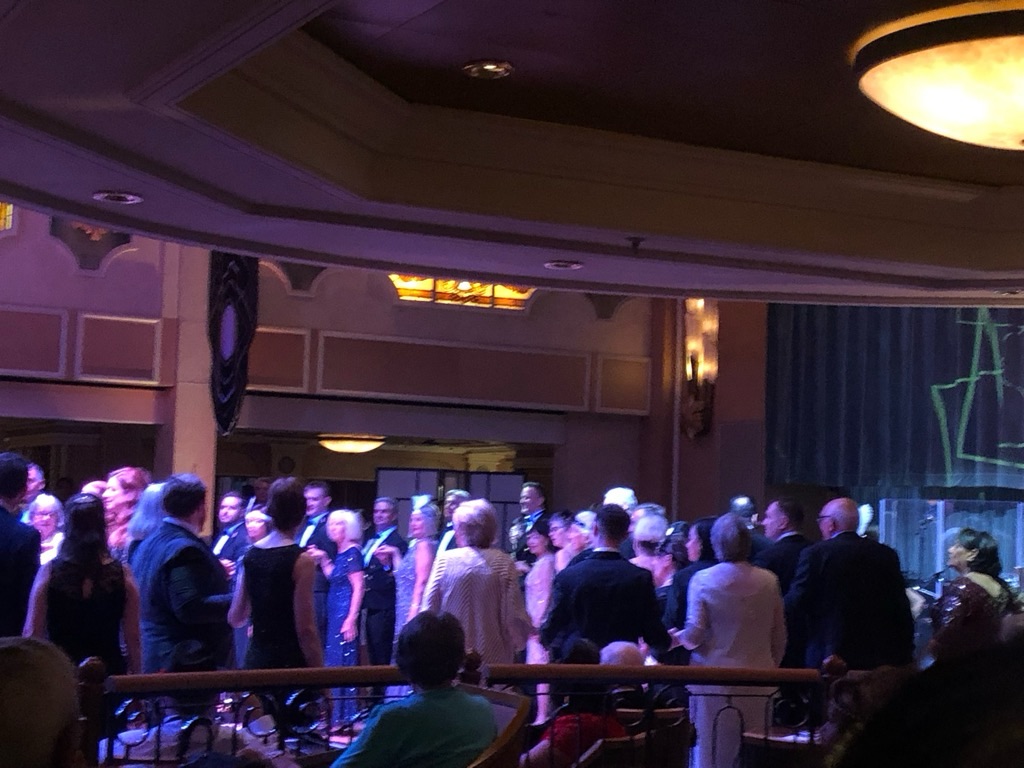
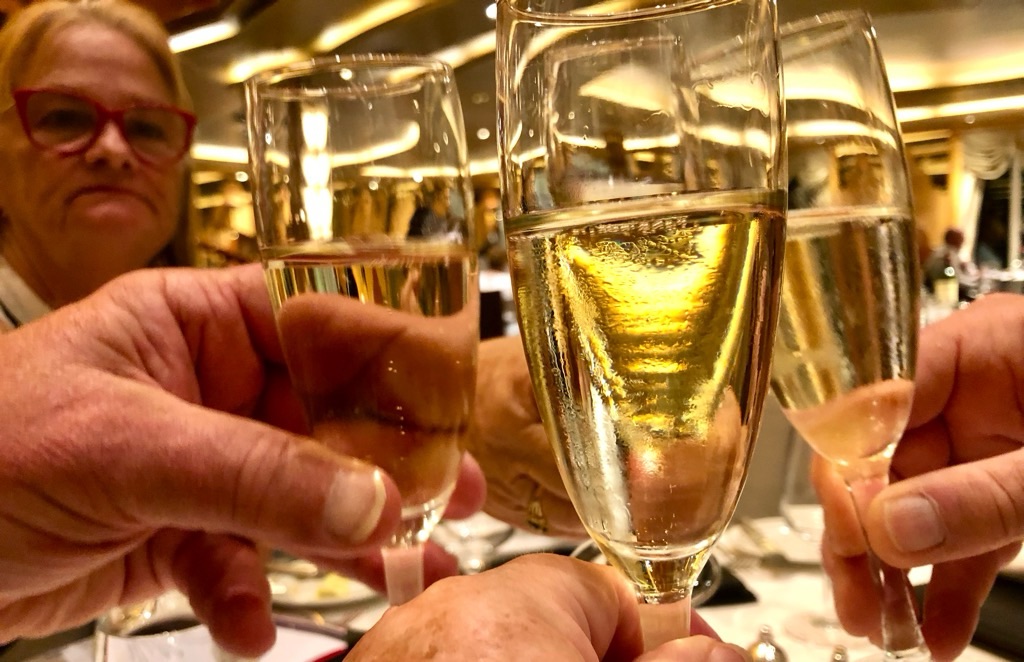
That night, as we sailed for Jakarta on the Indonesian island of Java there was a special gala night to welcome all the new passengers who had boarded that day (more than half of passengers who had started in Barcelona had disembarked). We drank complementary champagne at dinner and enjoyed the party atmosphere.

The passage to Java was relatively uneventful and a couple of days later we were being welcomed to Indonesia.
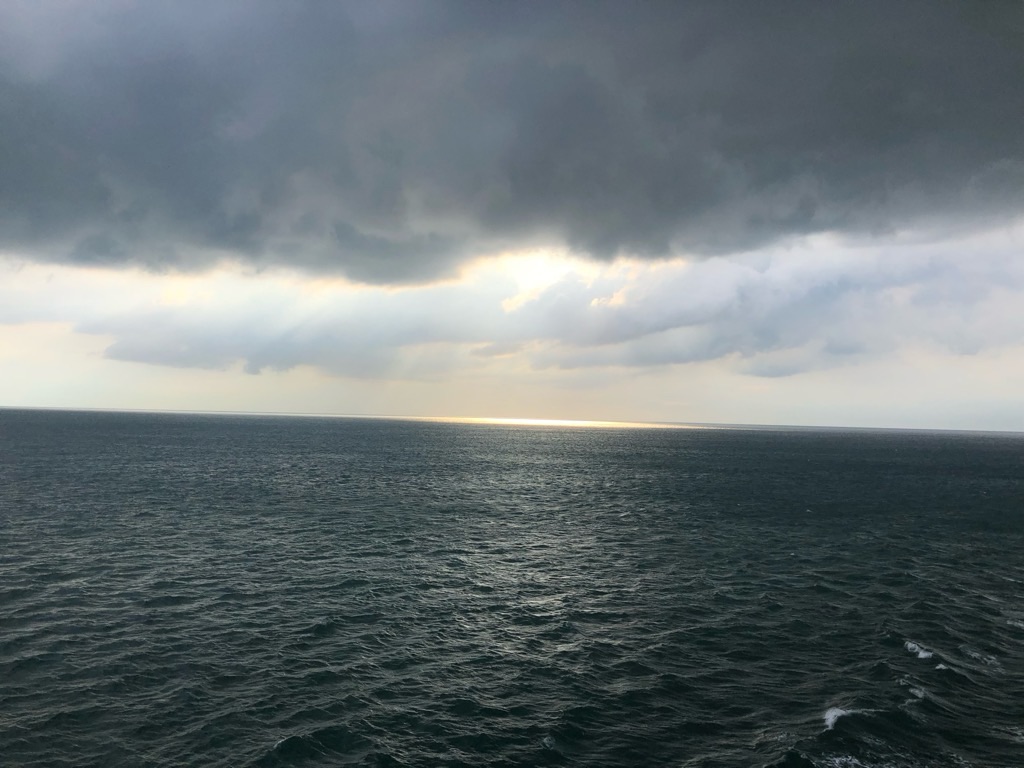
We decided to visit the Port Maritime Museum and we walked round the waterfront to the large building in which it was housed. When we arrived we were disappointed to find that the place appeared to be closed.
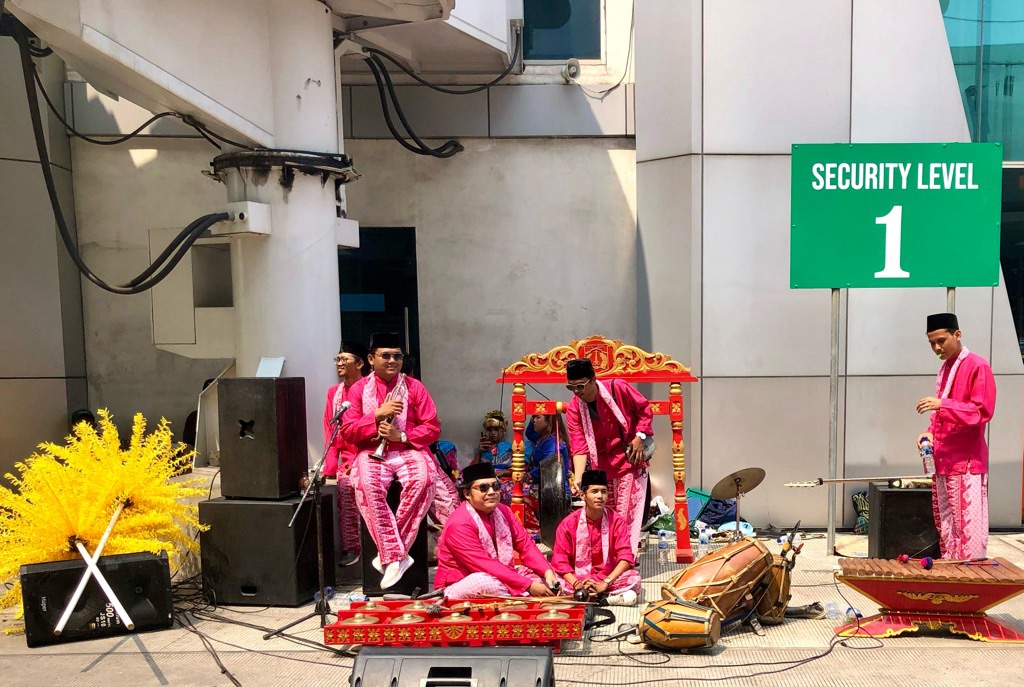
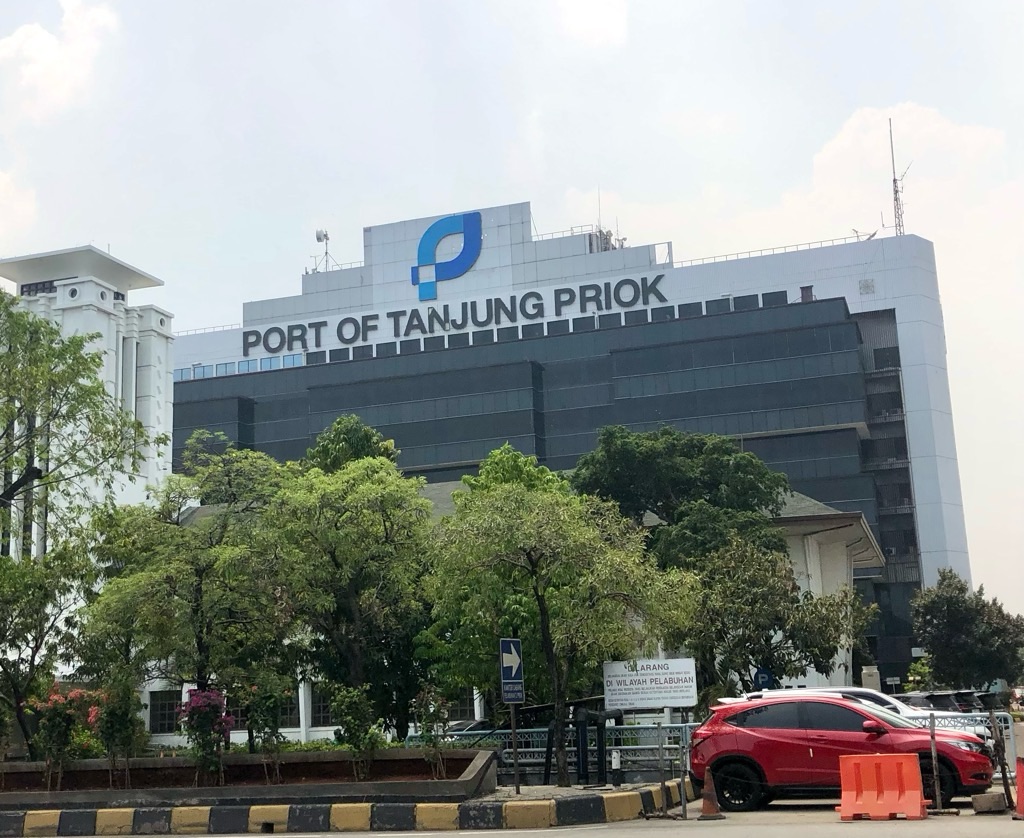
A very helpful young man came out to see us and he confirmed that the museum was closed but said “Wait I will talk to my boss”. A little while later he came back beaming and told us that he’d been given permission to open the museum for us and would give us a private conducted tour!
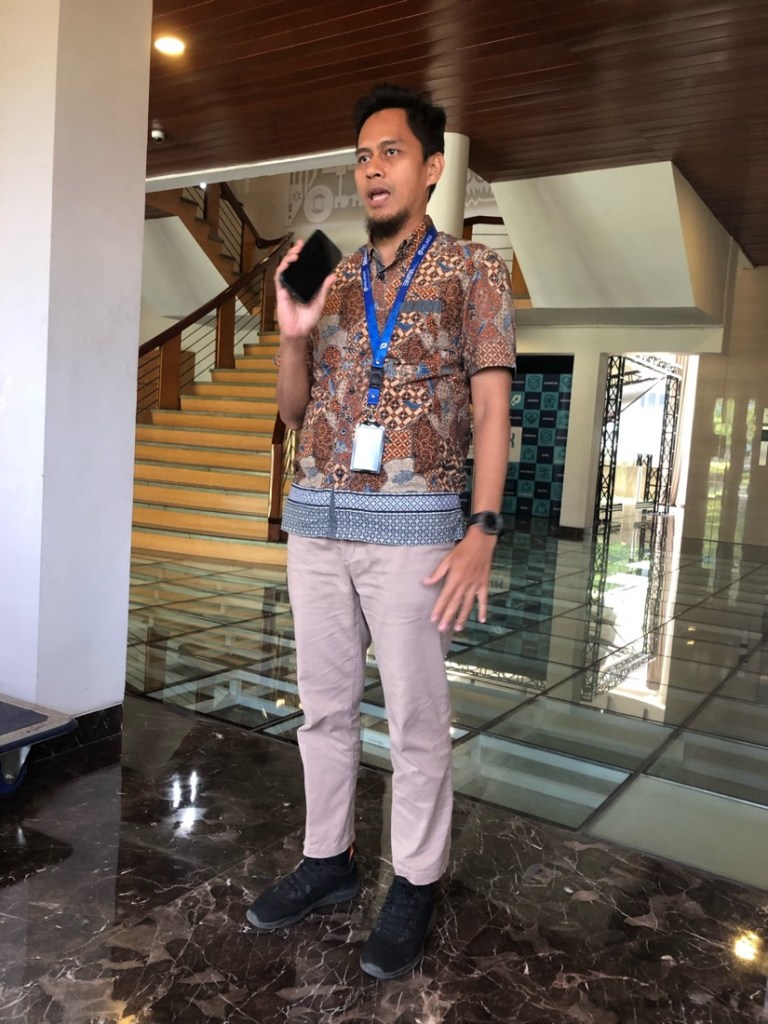
We spent a fascinating couple of hours wandering round the museum which was chock full of model boats, dioramas, maps and charts, displays and models relating to Indonesia’s maritime heritage and the VOC (the Dutch United East India Company founded in 1602). There was also a mock up of a ship’s bridge and a ship’s hold from the 17th Century – the height of the spice trade.
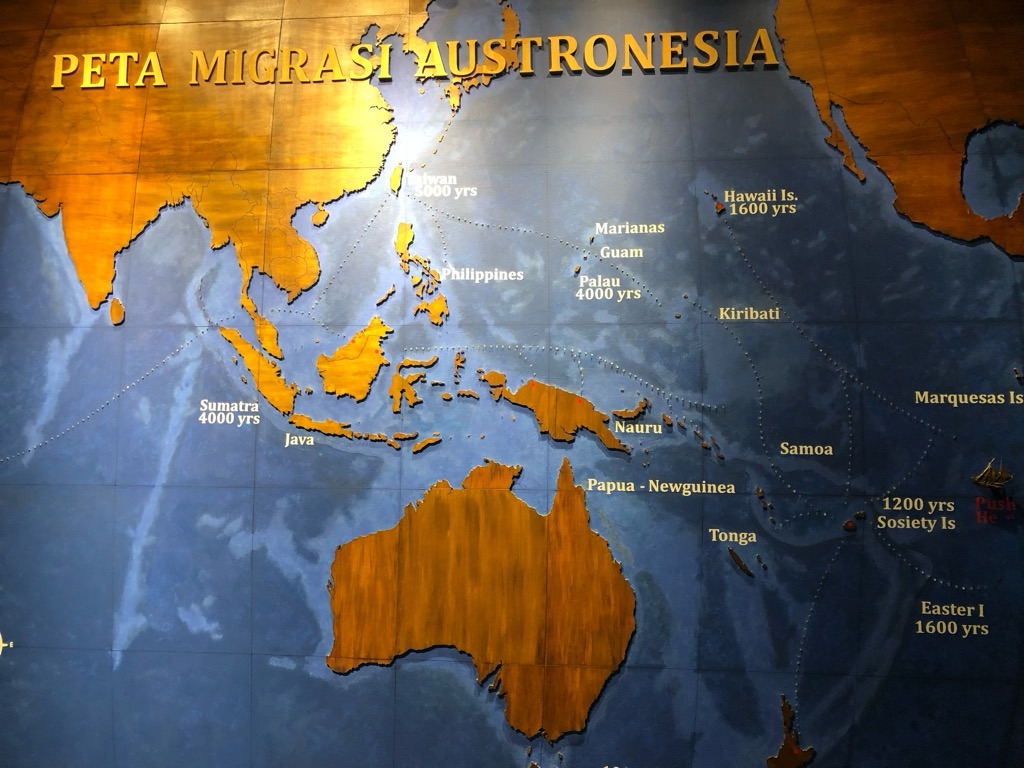
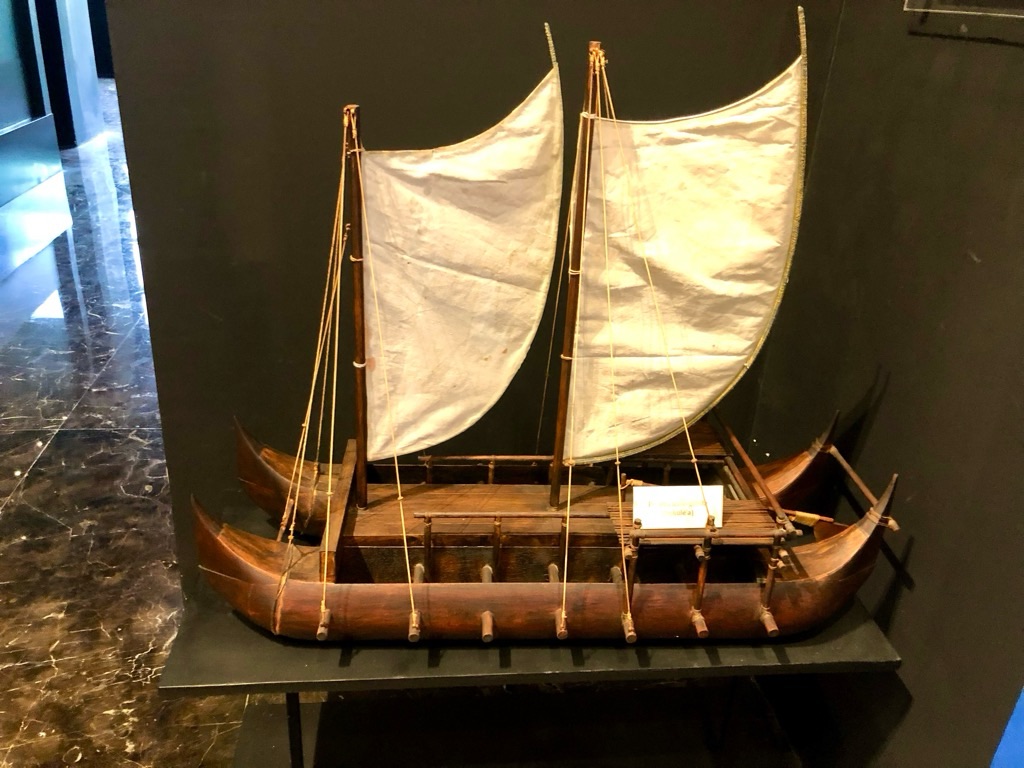
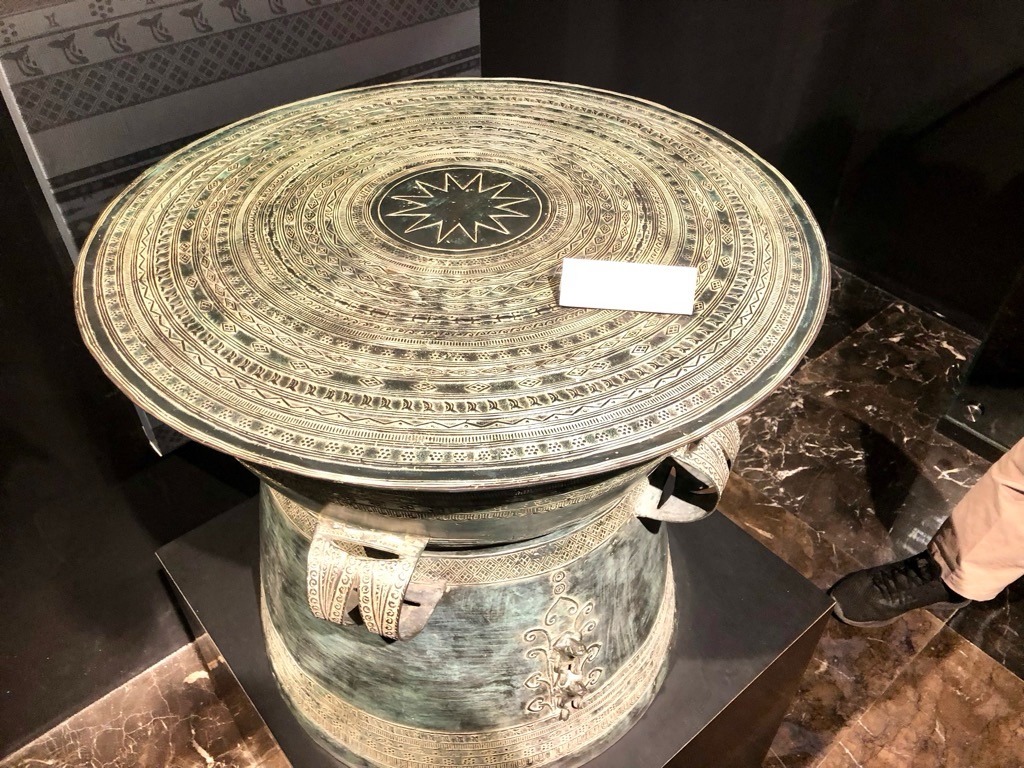
for navigating too!
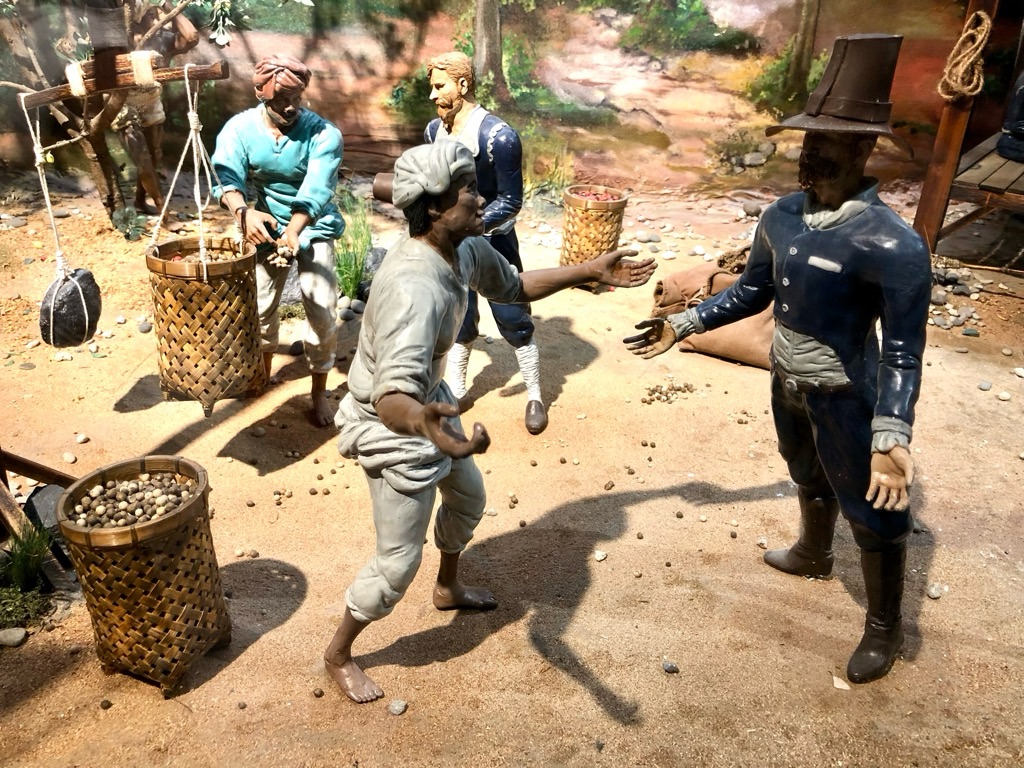
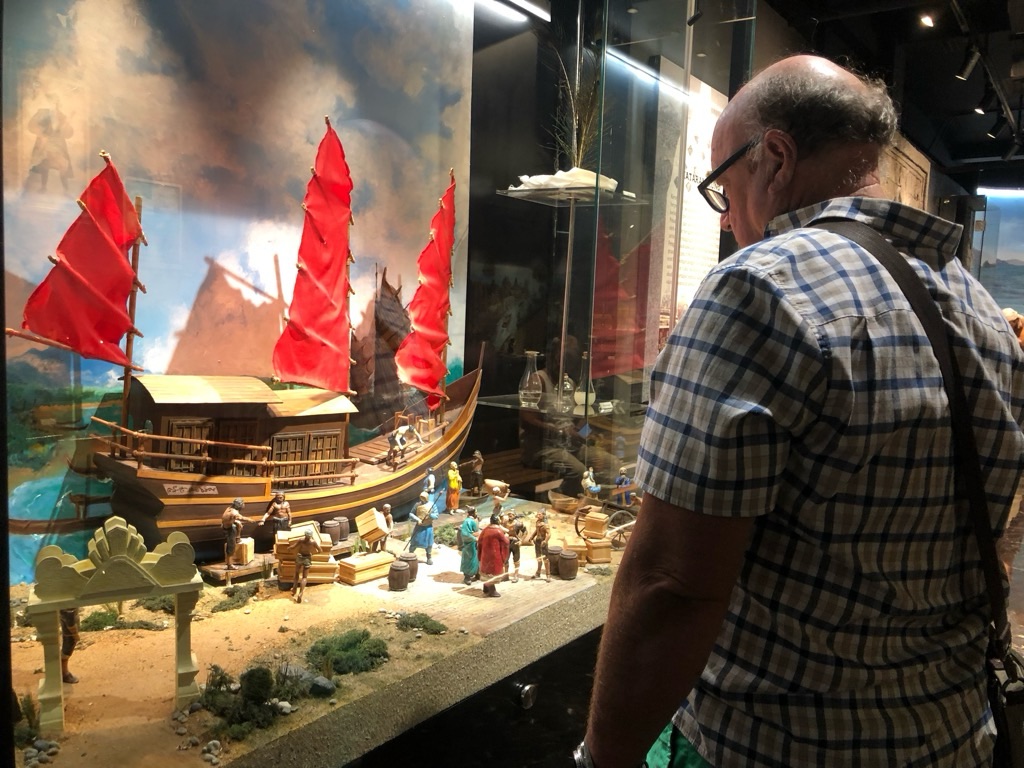
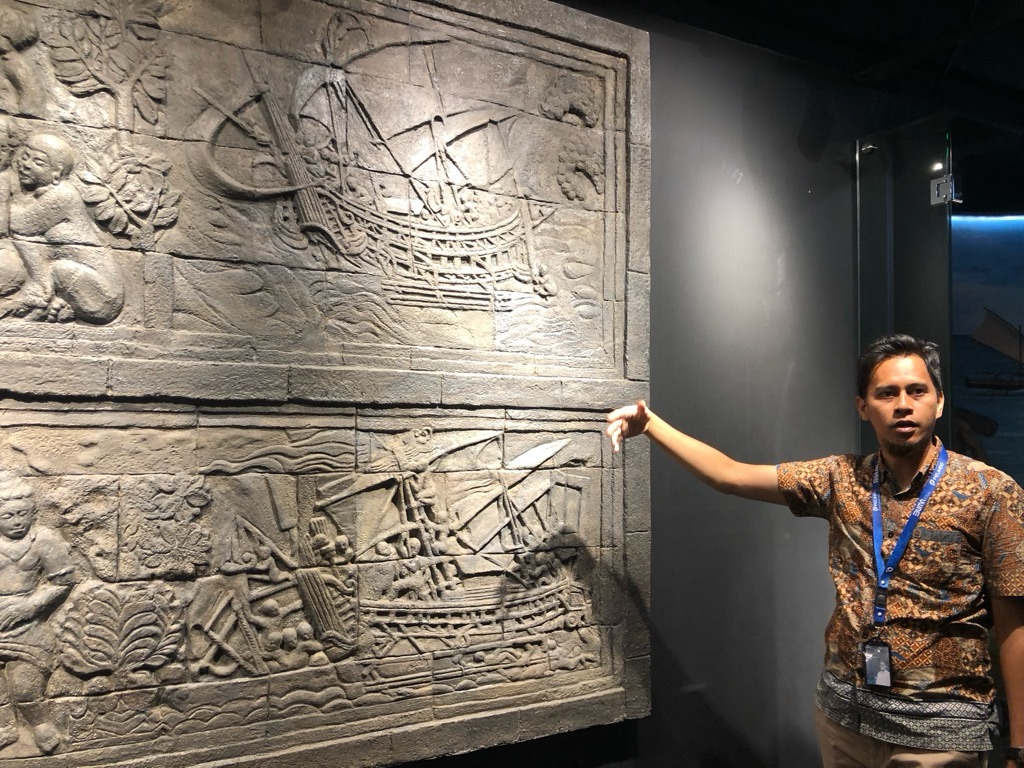

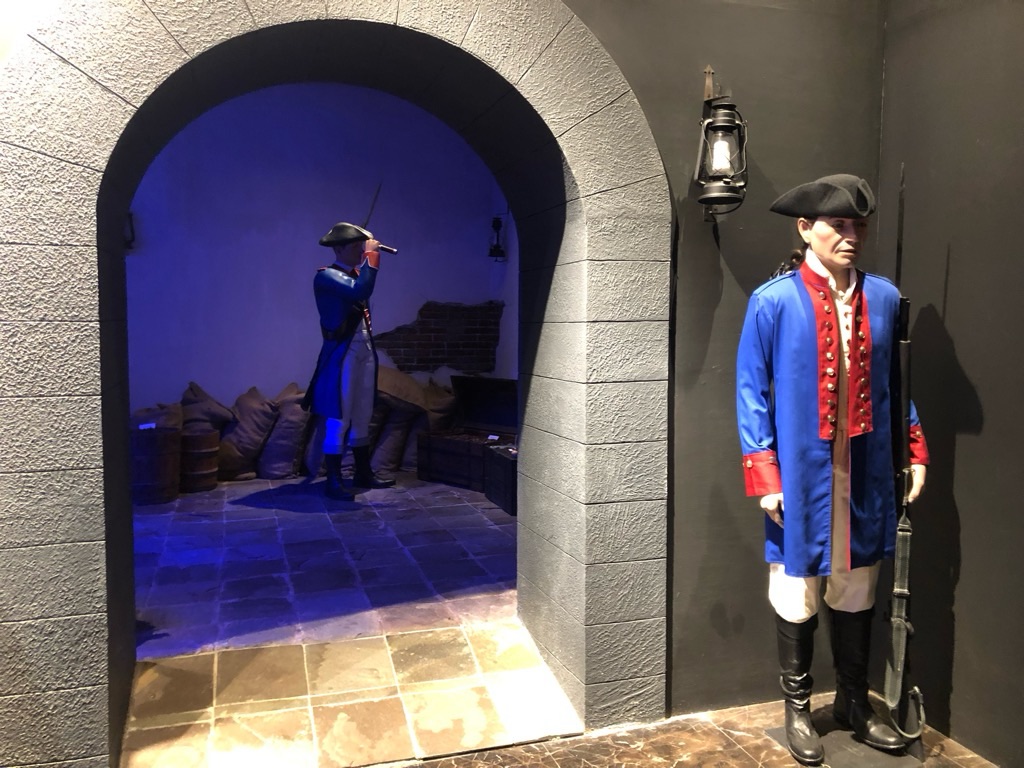

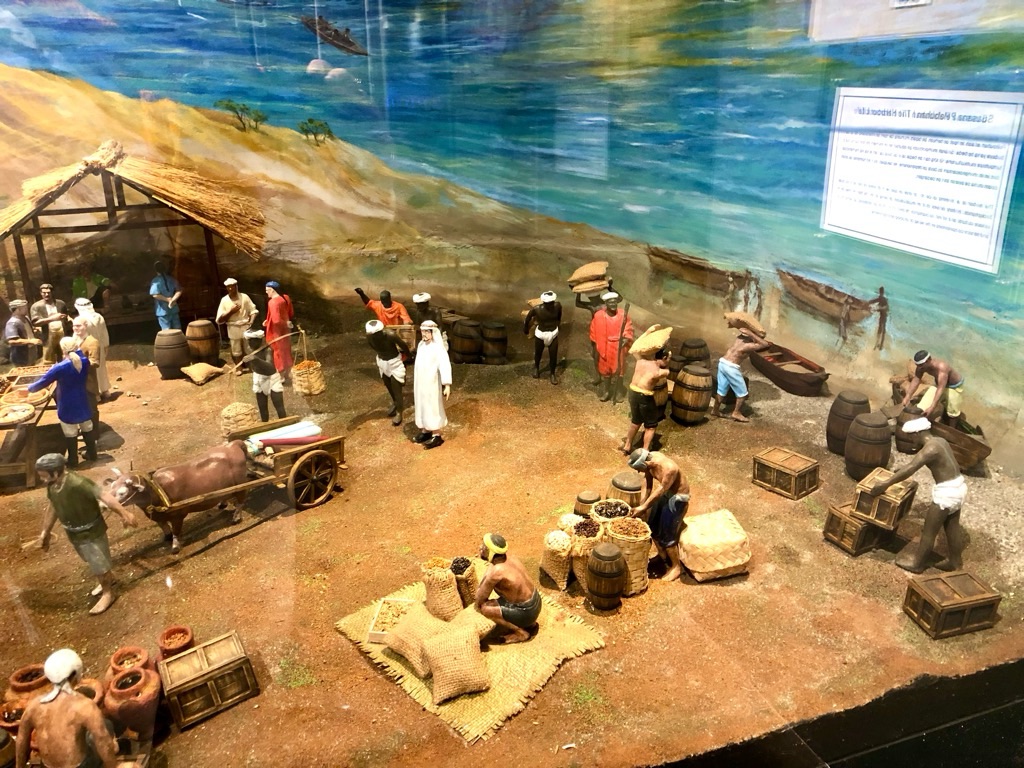
After our very interesting tour, we went for lunch at a local restaurant recommended by our guide where we had one of the most unusual meals out ever!
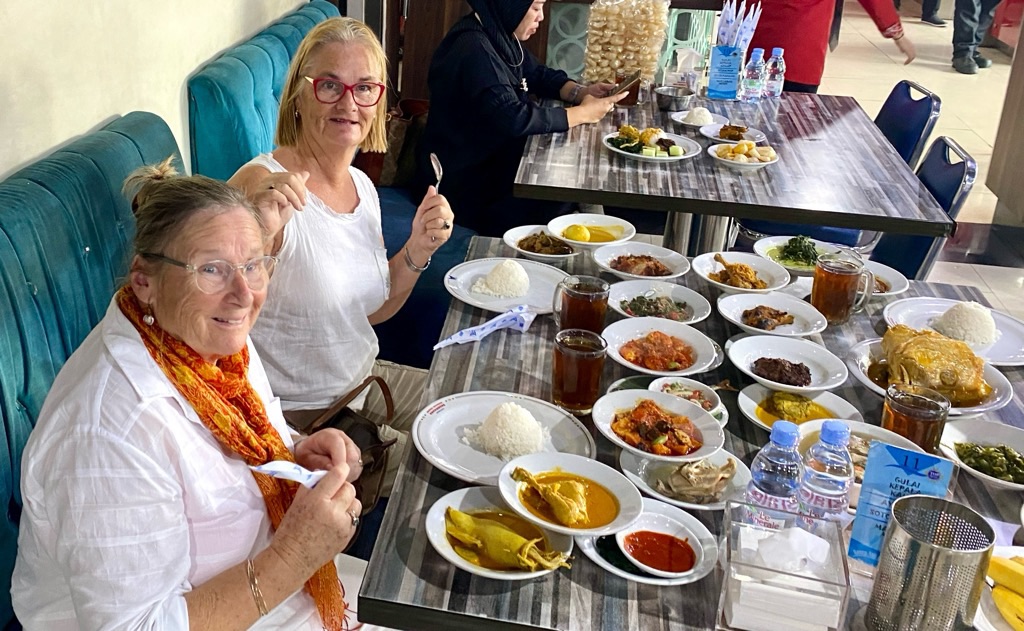
There was no menu, no going into the kitchen to point at things, no looking at dishes to see which one we like the look of. Instead more than twenty dishes of food were put on the table and we weren’t sure if we were expected to eat all of these or just pick the ones we thought we’d like.
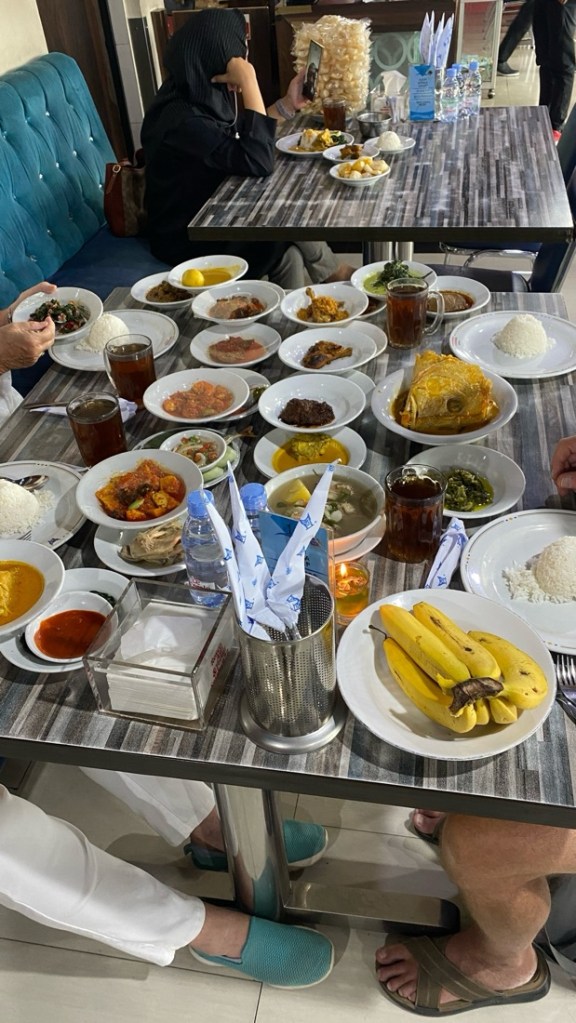
There were some very strange looking dishes, many not the least appetising (e.g. an ugly looking puffer fish but we all tried some of them and overall did a good job of eating our way through the large number of plates.
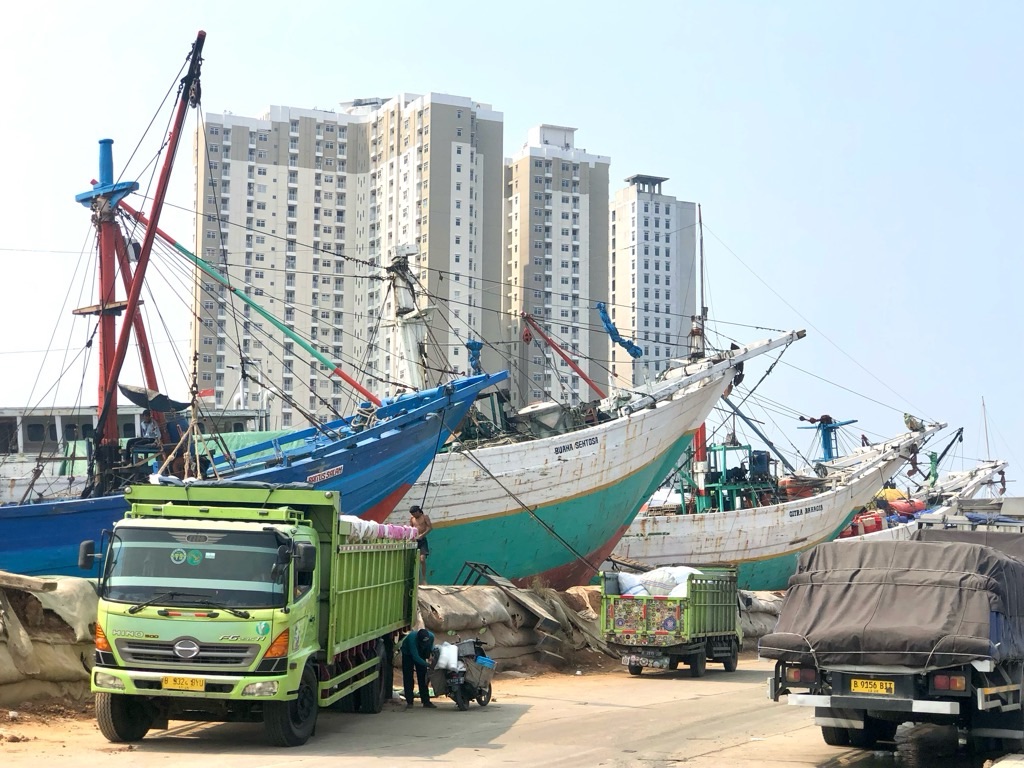
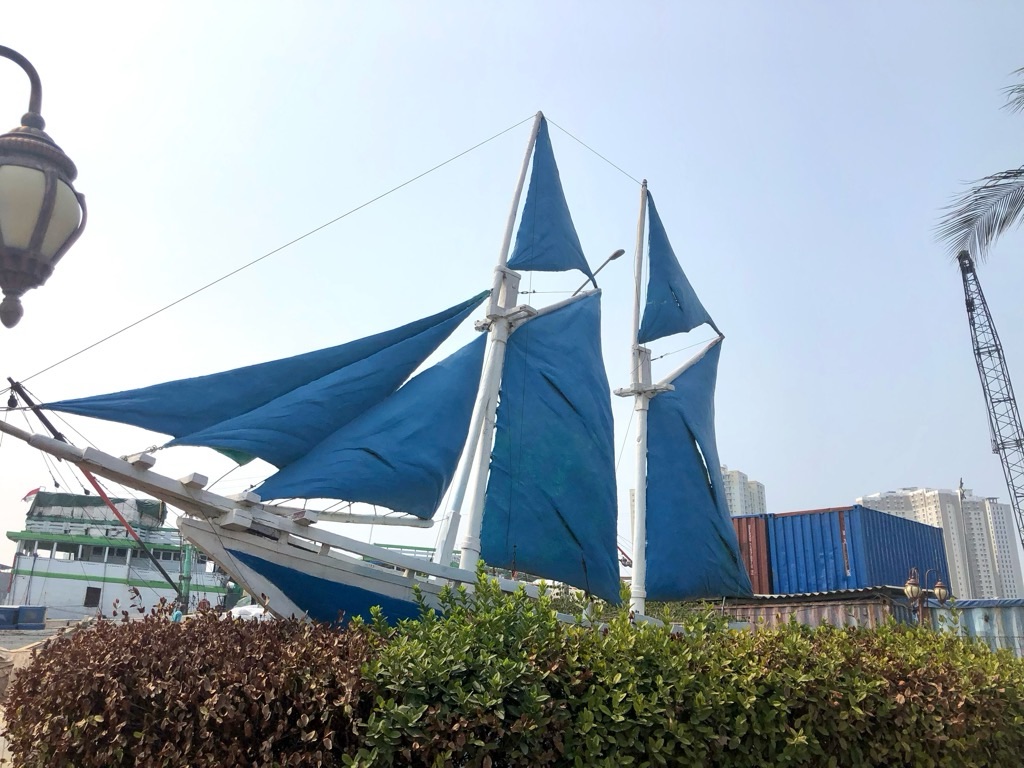
Our last stop for the day was the boat yard at Sunda Kelapa – Jakarta’s oldest port – to see the beautiful Makassar schooners called ‘pinisi’. Traditionally a pinisi was a sailing boat used for carrying cargo to the many hundreds of islands in Indonesia but nowadays they are mostly converted to engine power.
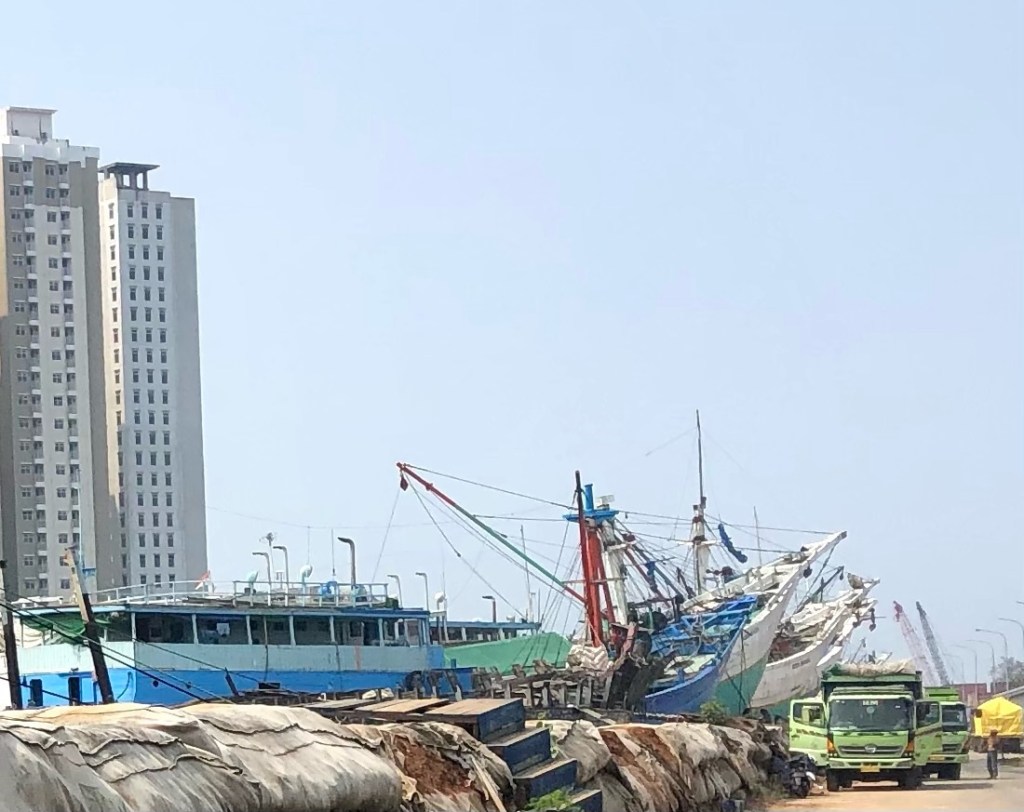
but without sails
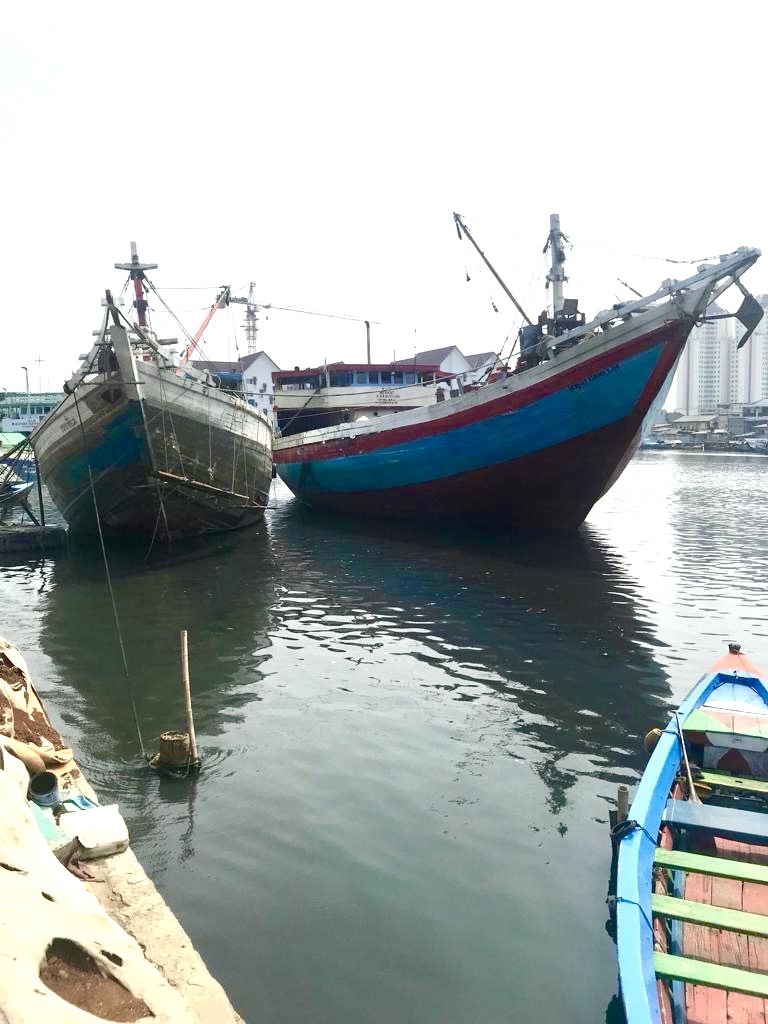
Although no longer sailing vessels, these boats still retain their graceful lines and are constructed in the traditional way
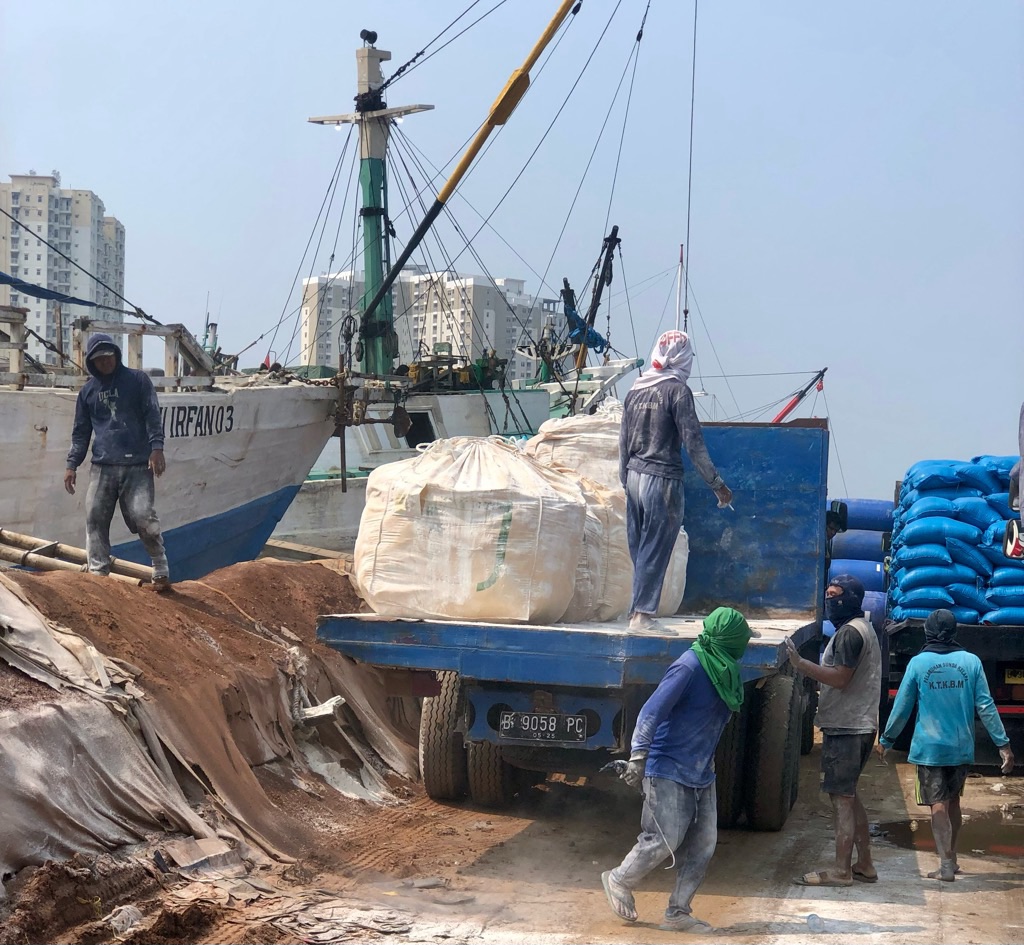
on-board crane.

 Salty tales from Bali Hai on Sunday
Leave a comment