Our whirlwind camper van trip continued from Gloucestershire to beautiful Devon where we were meeting a new member of the family- my great nephew – for the first time.
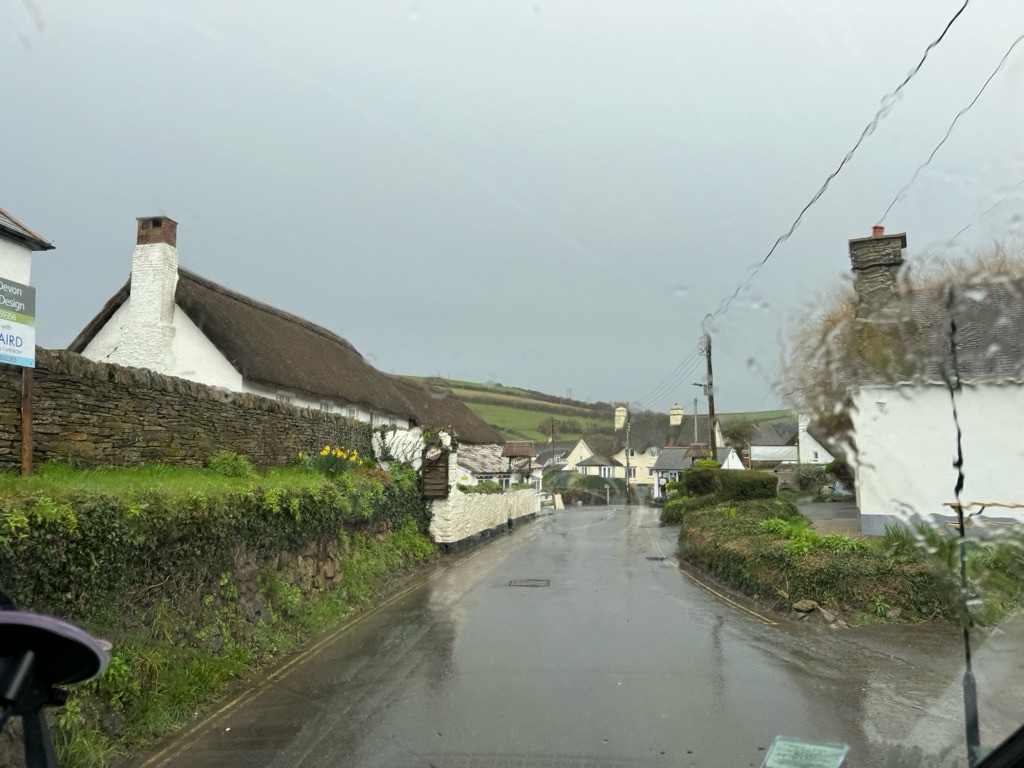
We stayed the night in a car park near the River Taw in Barnstable and in the morning we headed over to the tiny historic village of Georgeham which lies close to some of the most dramatic and glorious beaches of the North Devon Coast “area of Outstanding Natural Beauty”.
We took the coast road rather than the narrow country lanes of Devon and really enjoyed the fantastic views of Saunton Sands. The roads were still narrow but didn’t have the high hedges so characteristic of the Devon countryside.
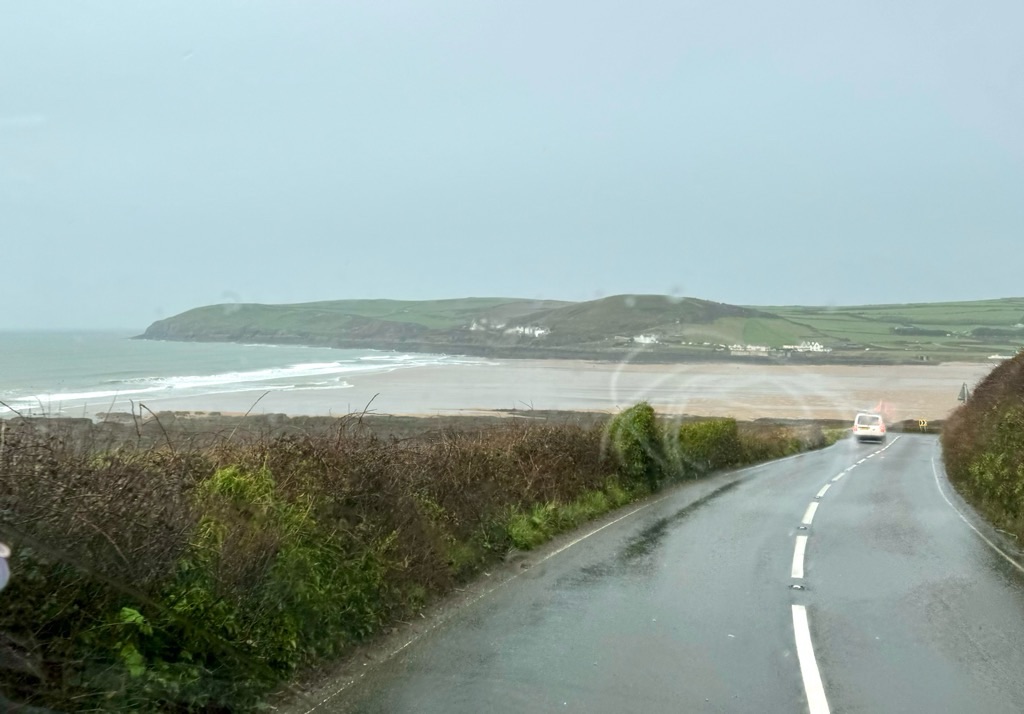
Georgeham is the cutest of villages but there was absolutely nowhere for a camper van to park so we ended up in a car park in nearby Croyde where my nephew Henry was able to meet us and drive us the few minutes back to the gorgeous cottage that he and Debbie (and now their son Art) live.

We had a lovely first visit to their fabulous home (should have taken more photos but was a little distracted!) and of course the highlight was meeting our sweet little great nephew.
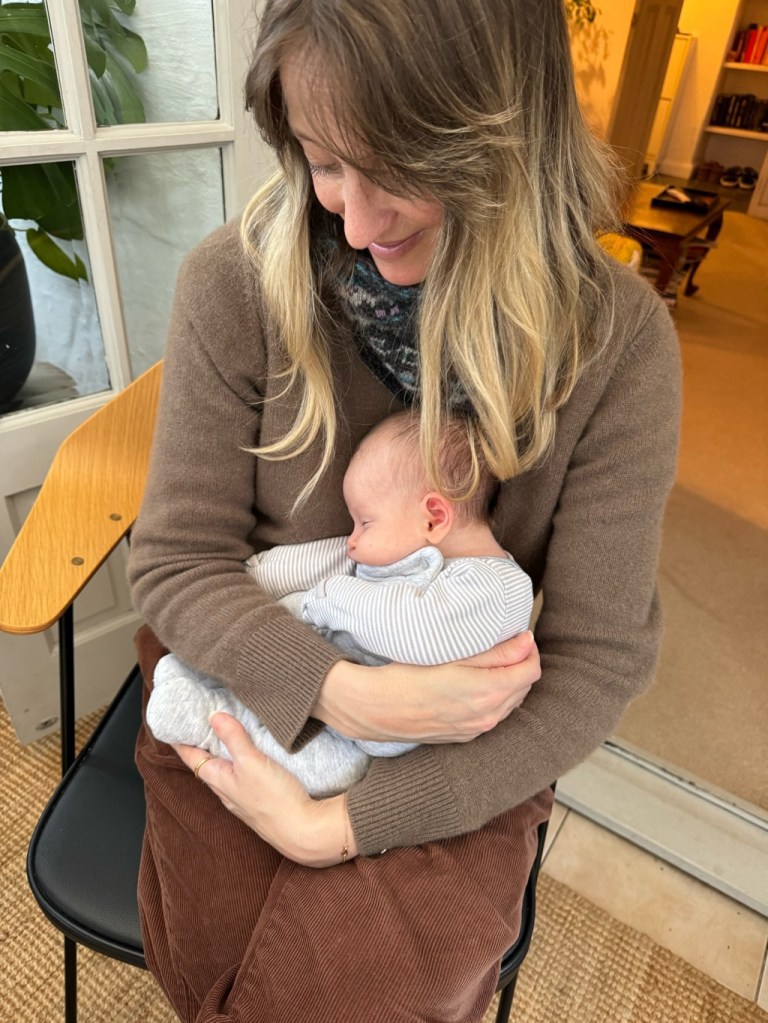
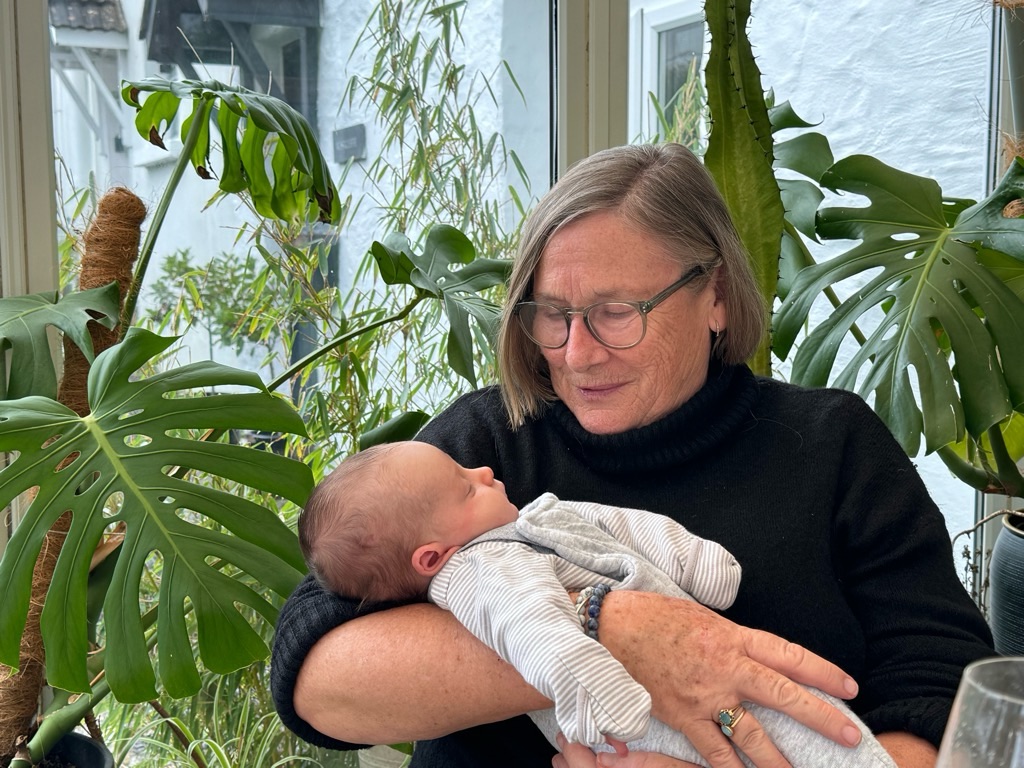
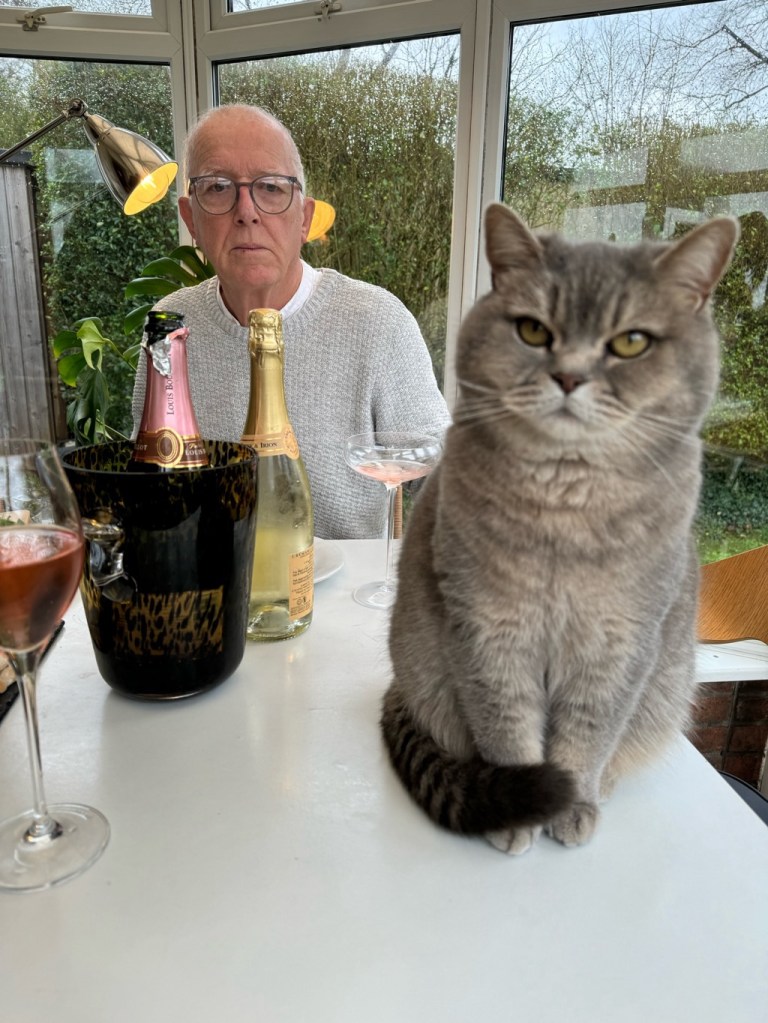
We were thoroughly spoilt with an amazing lunch of gourmet sandwiches, fresh scones with Devonshire clotted cream and strawberry jam, macaroons, accompanied by delicious champagne!

Feeling thoroughly replete both physically and emotionally we set off for Jonathan’s beloved Cornwall for a few days of walks, strolls on the beach, Cornish Pasties, sea air and nostalgia.


We had a seriously difficult time getting there as for some reason the A30 which is the main arterial road for Cornwall had been closed! What should have been an easy three hour drive ended up being a hard drive in relentless rain through twisting lanes which took us at least two hours longer than the journey should have taken.
The following day the memory of the arduous trip faded away into nothing as we took time to visit some of Jonathan’s childhood haunts.

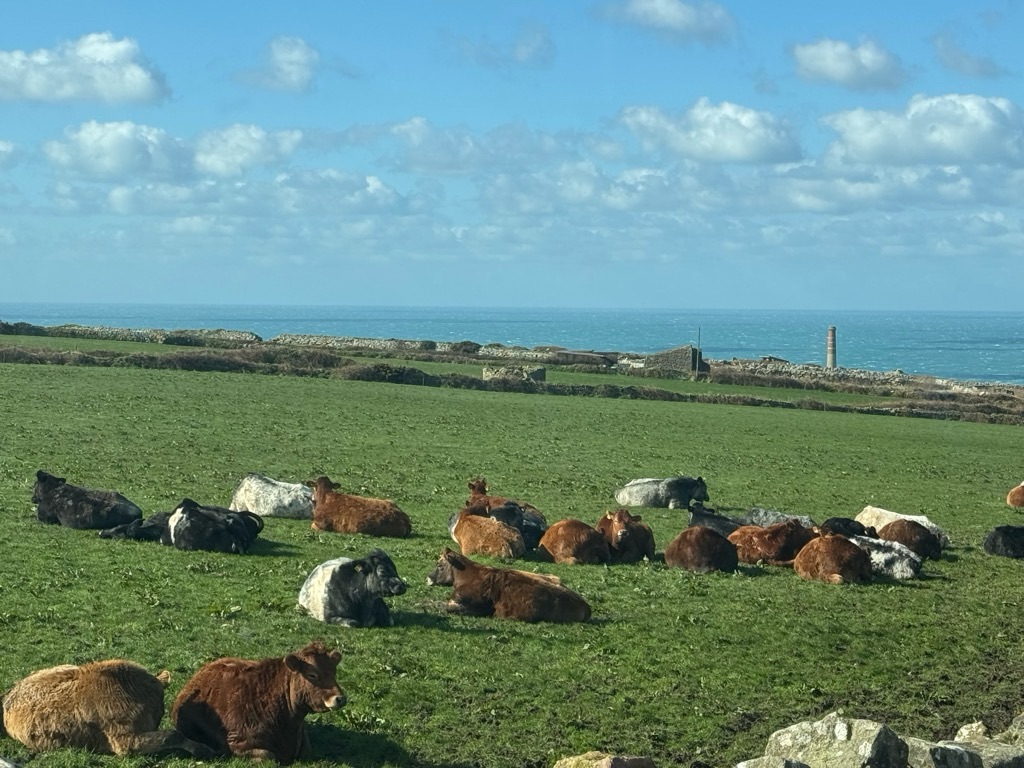
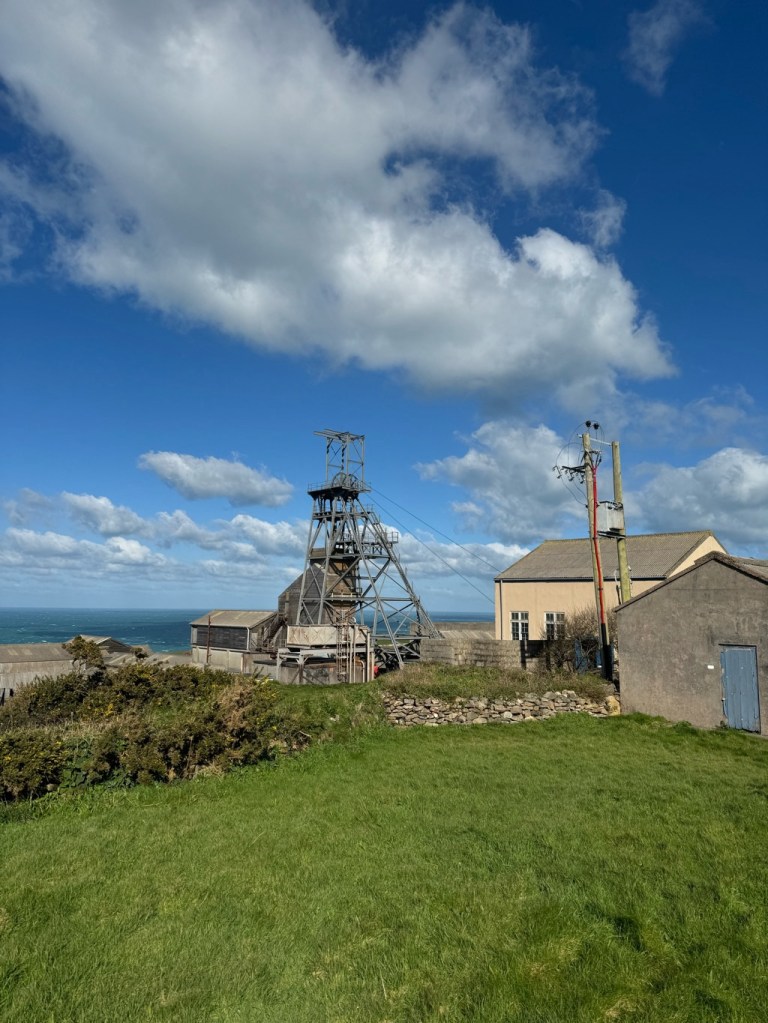
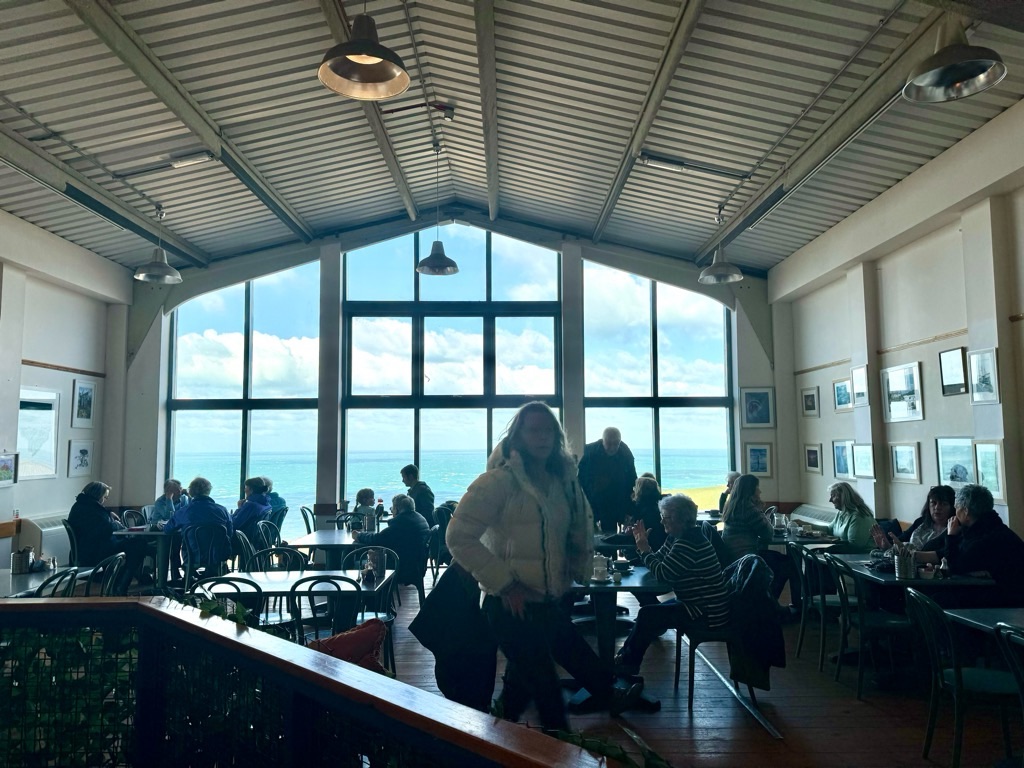
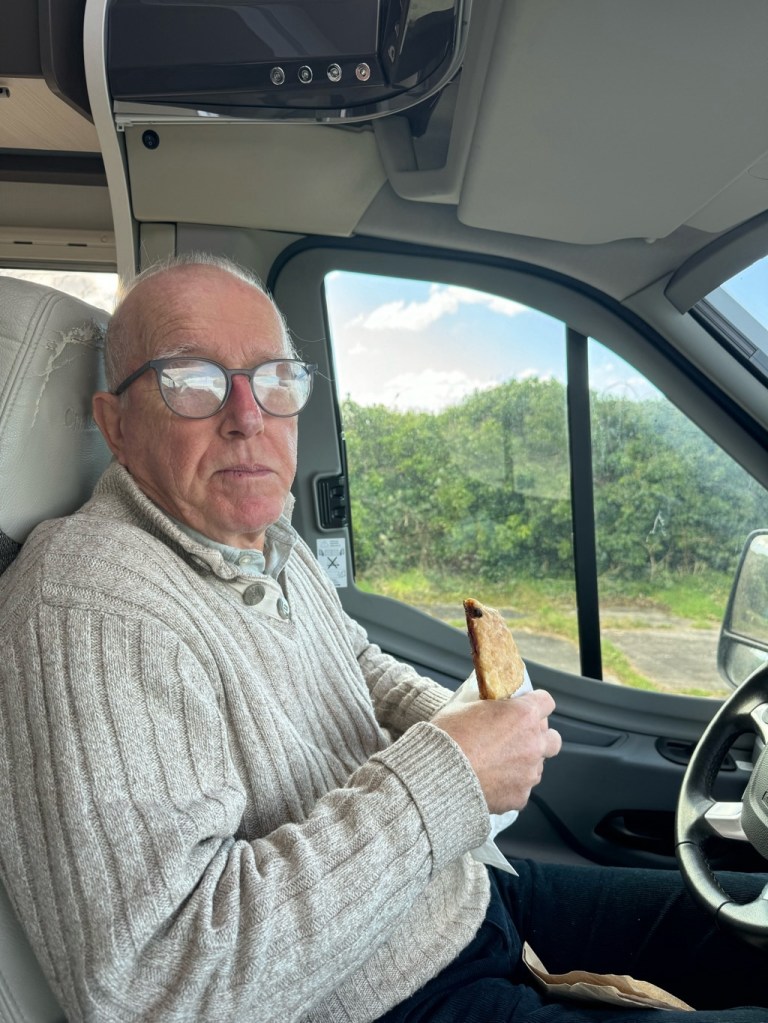
Our first stop was Geevor tin mine in Pendeen. Many of Jonathan’s forbears had worked here including both his uncles. As well as a mining museum, there is a very nice cafe there which, we were told, sells very good pasties. Of course we had to buy one but as it was soon after breakfast, we took them as takeaways.

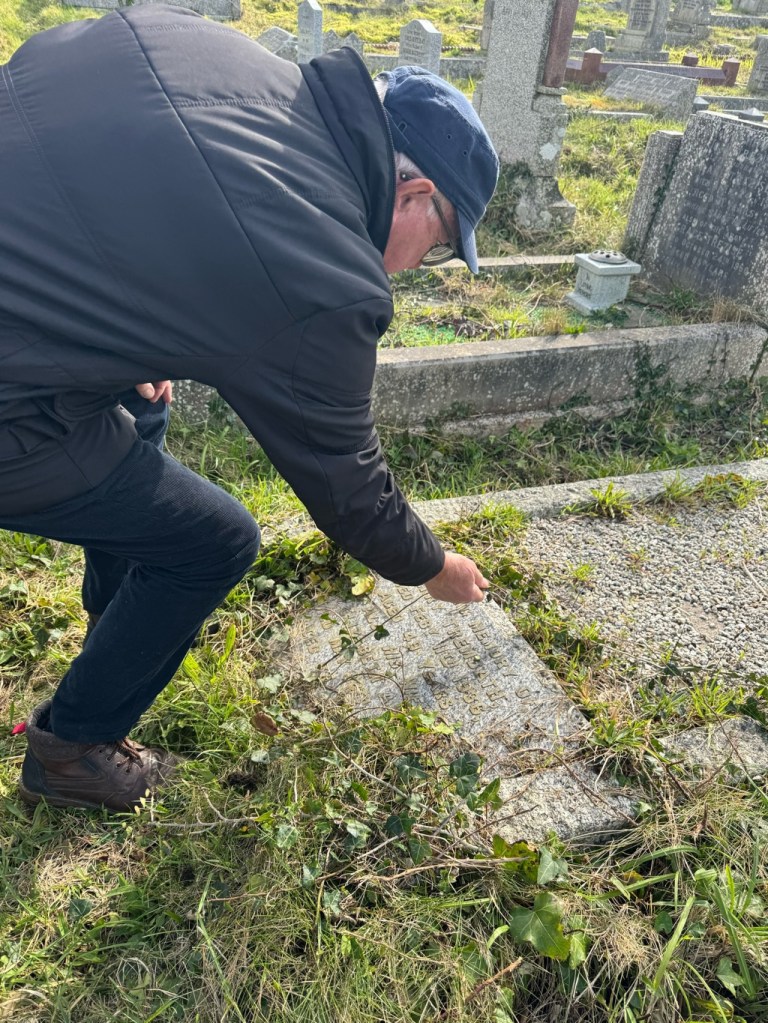
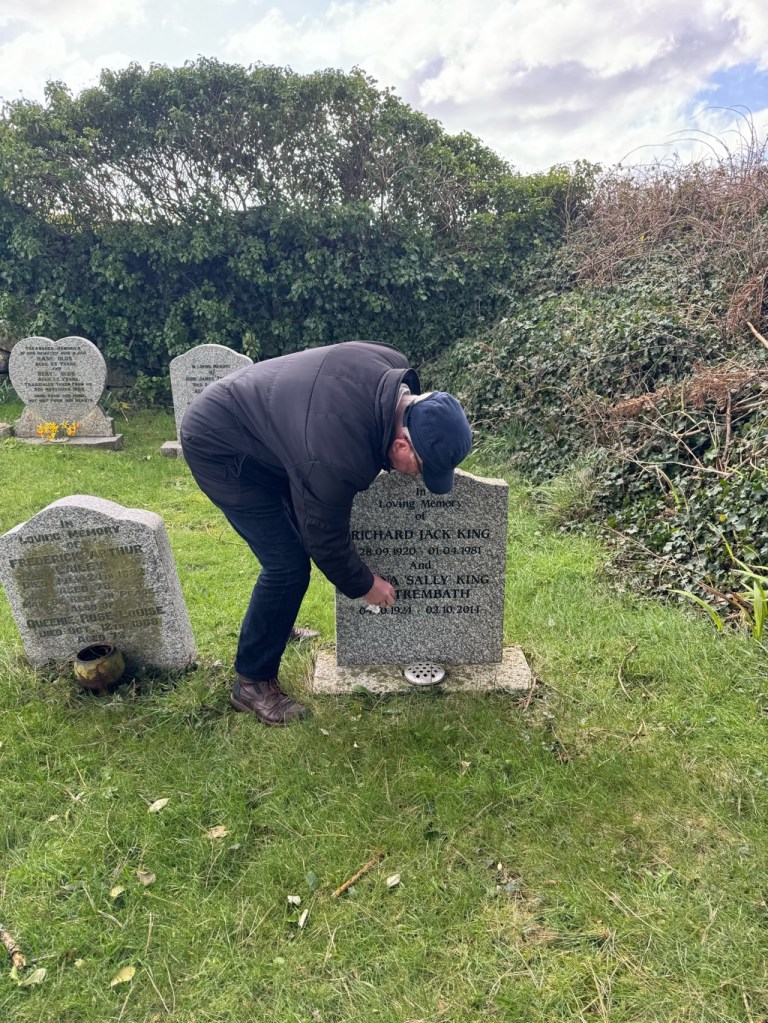
Next stop was the Church and graveyard in Pendeen where we paid our respects to Jonathan’s Mum and Dad and his maternal grandparents- all of whom were buried there.
We also had a wander through the Church and I was amazed to learn that it had been built by the local miners in the 1840s to the design of first vicar, the Rev Robert Aitken.
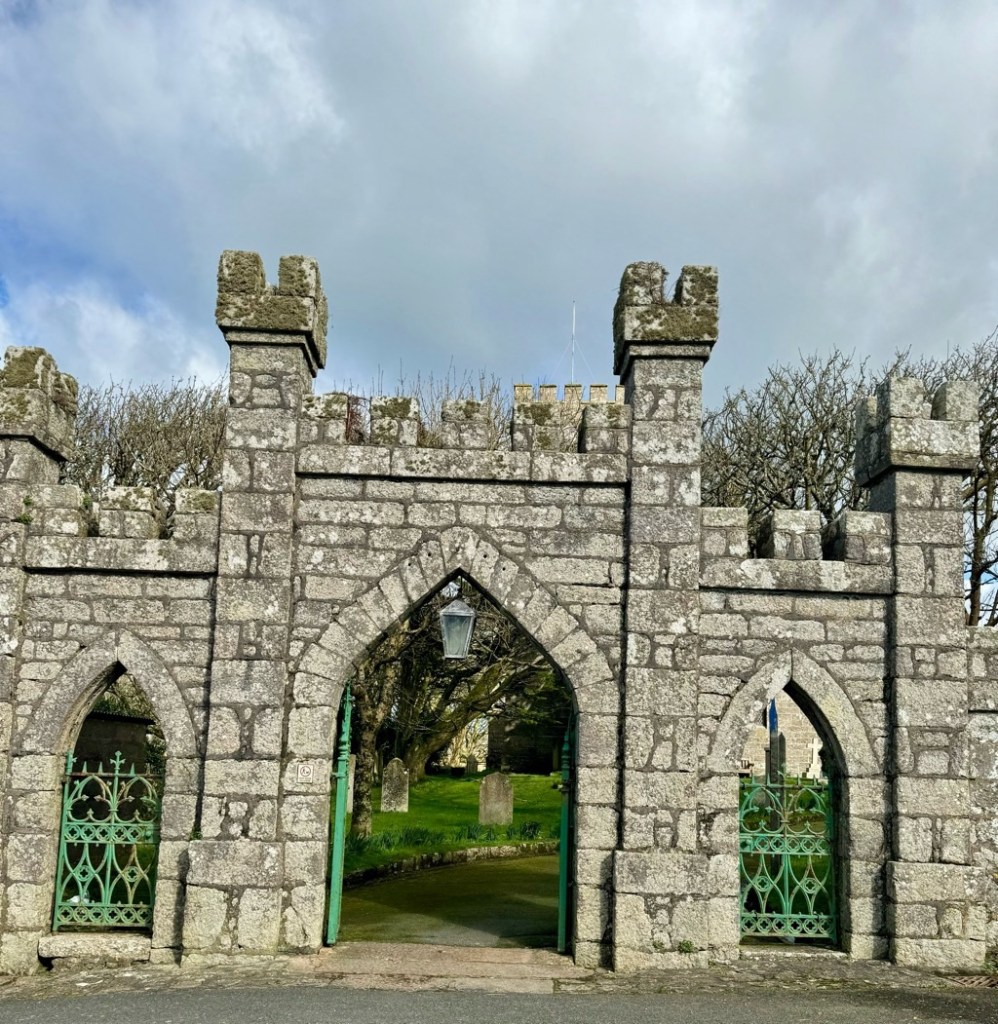
The church was built entirely by local labour using stone quarried on the carn at the rear of the church.
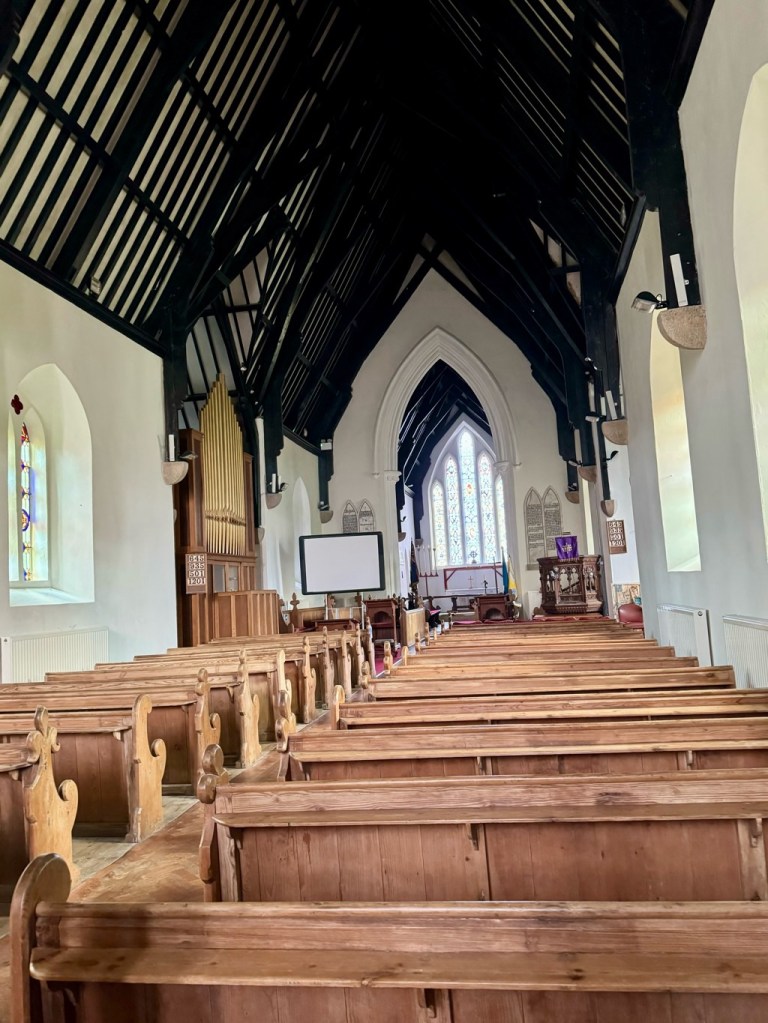
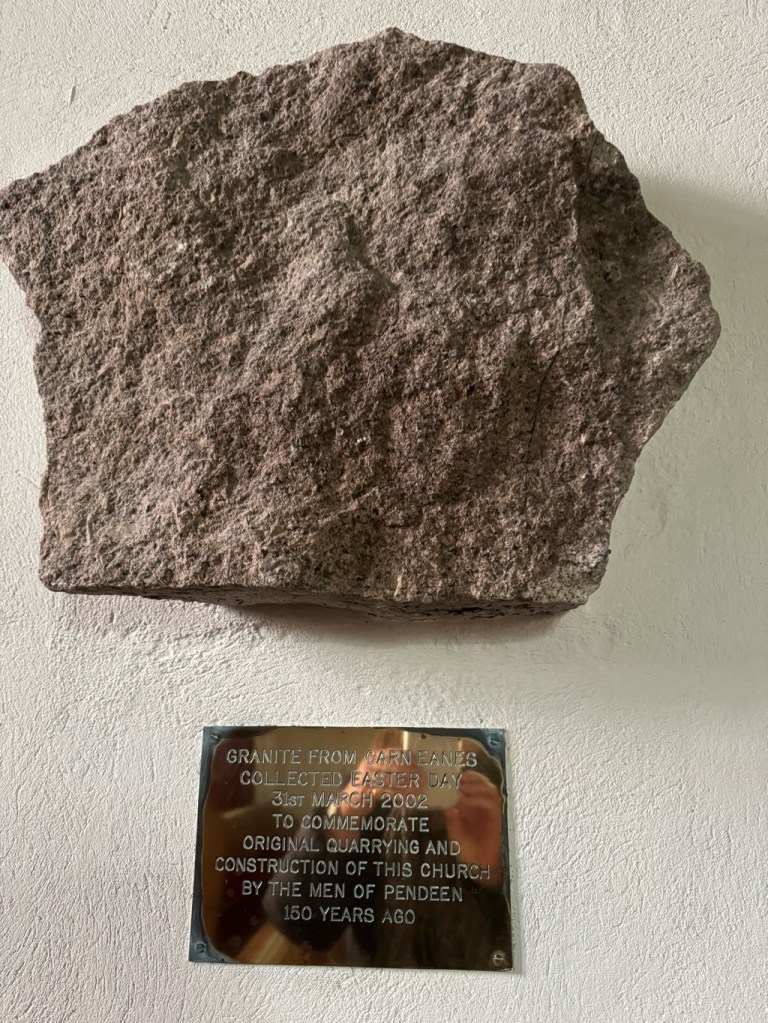
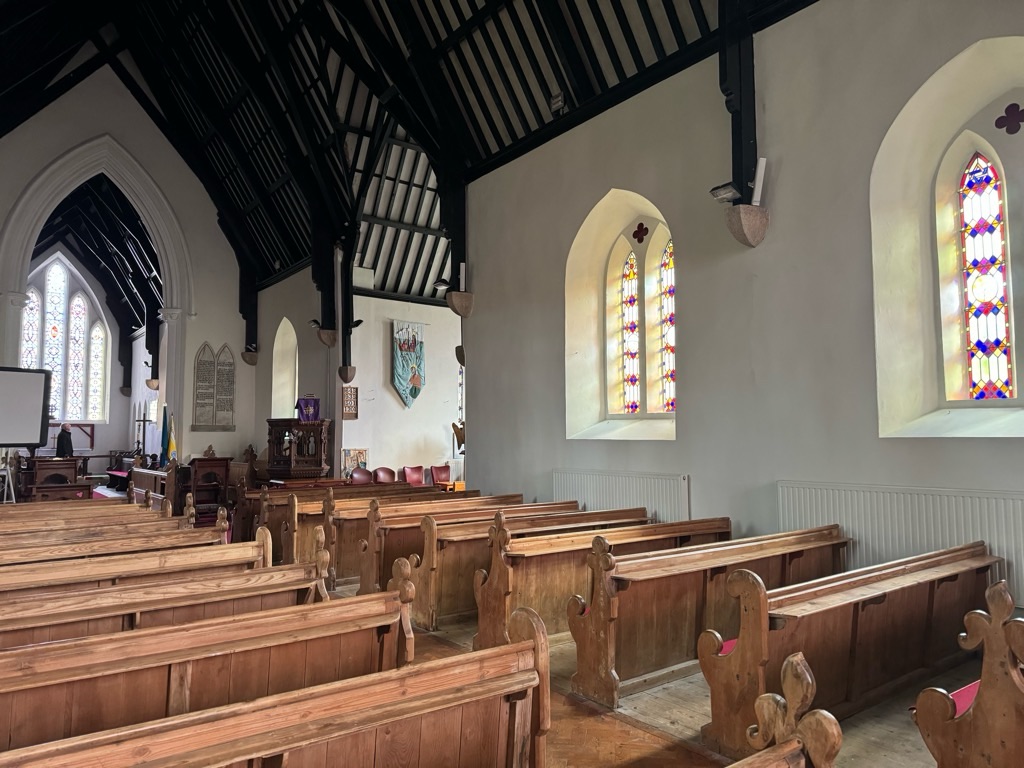
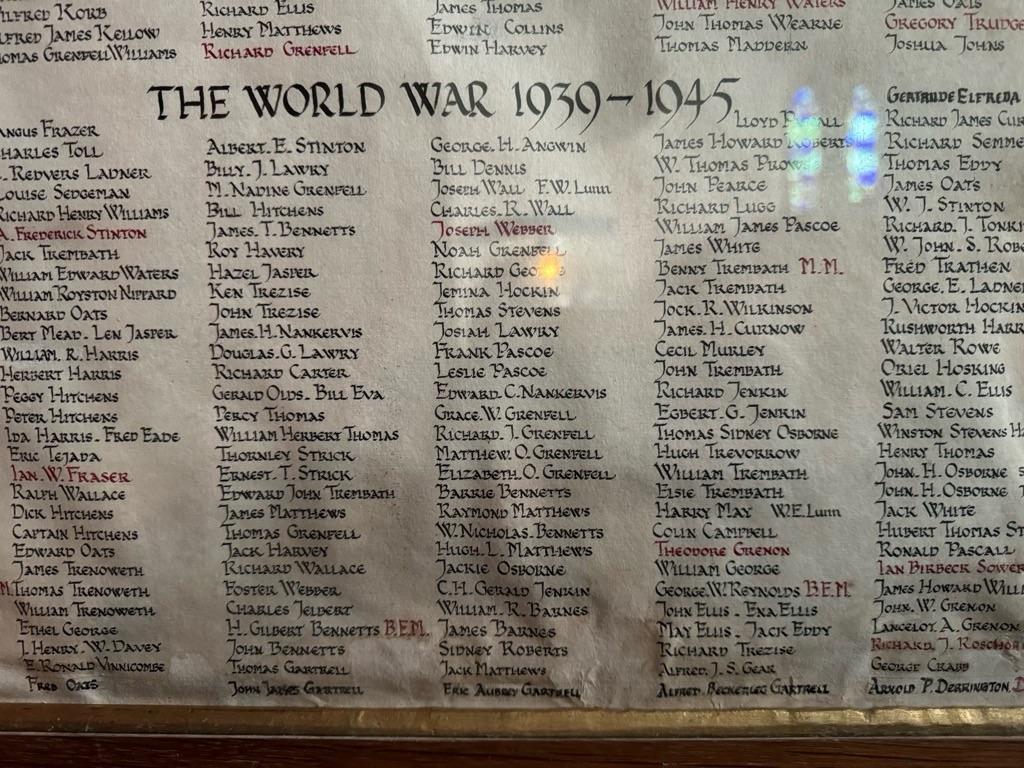
While we were in the church we noticed a framed parchment with the names of local men who had fought in World War ll – both Jonathan’s uncles were mentioned and in the case of our son Ben’s namesake, the initials MM which stands for the Military Medal, were inscribed next to his name.

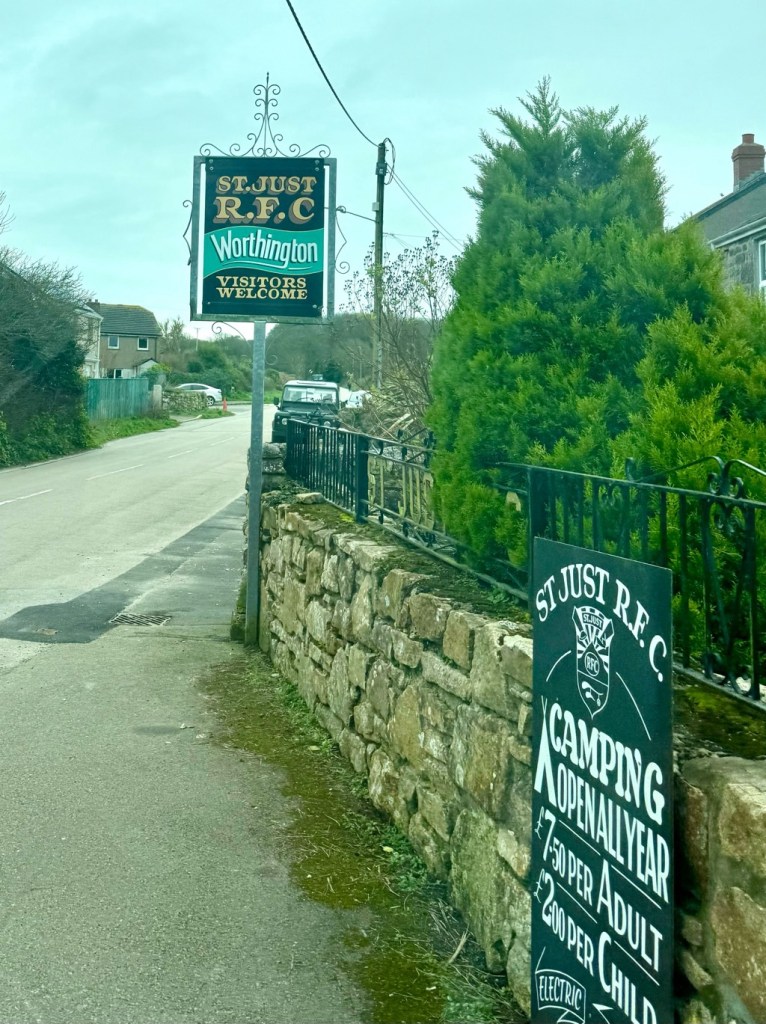
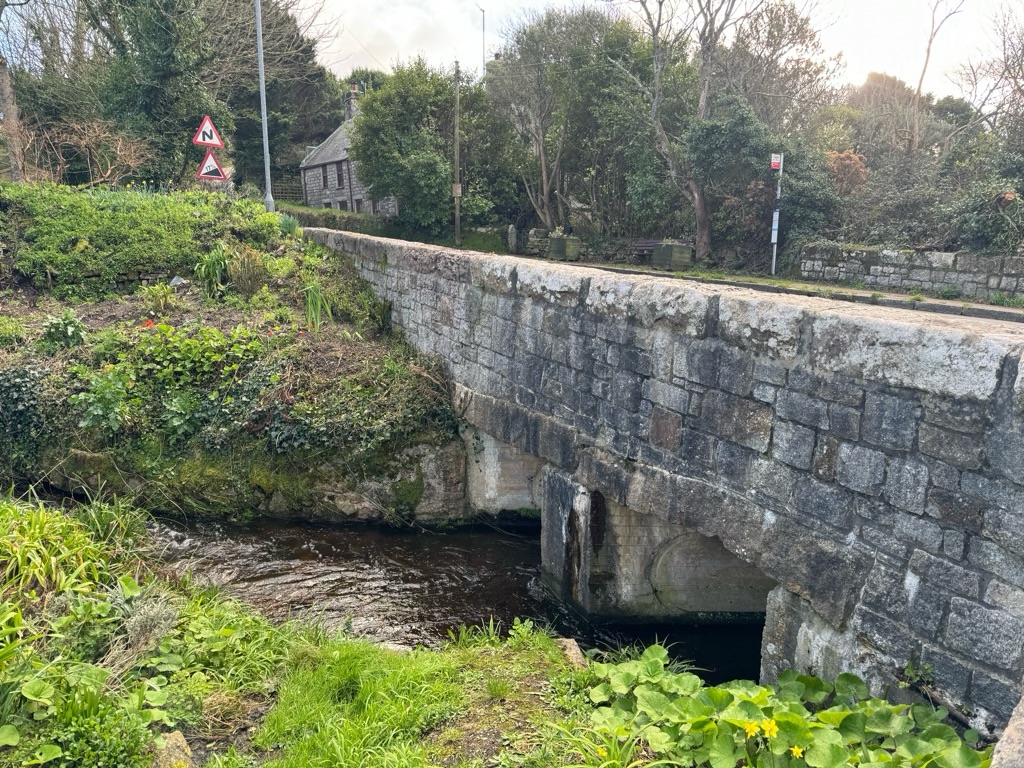
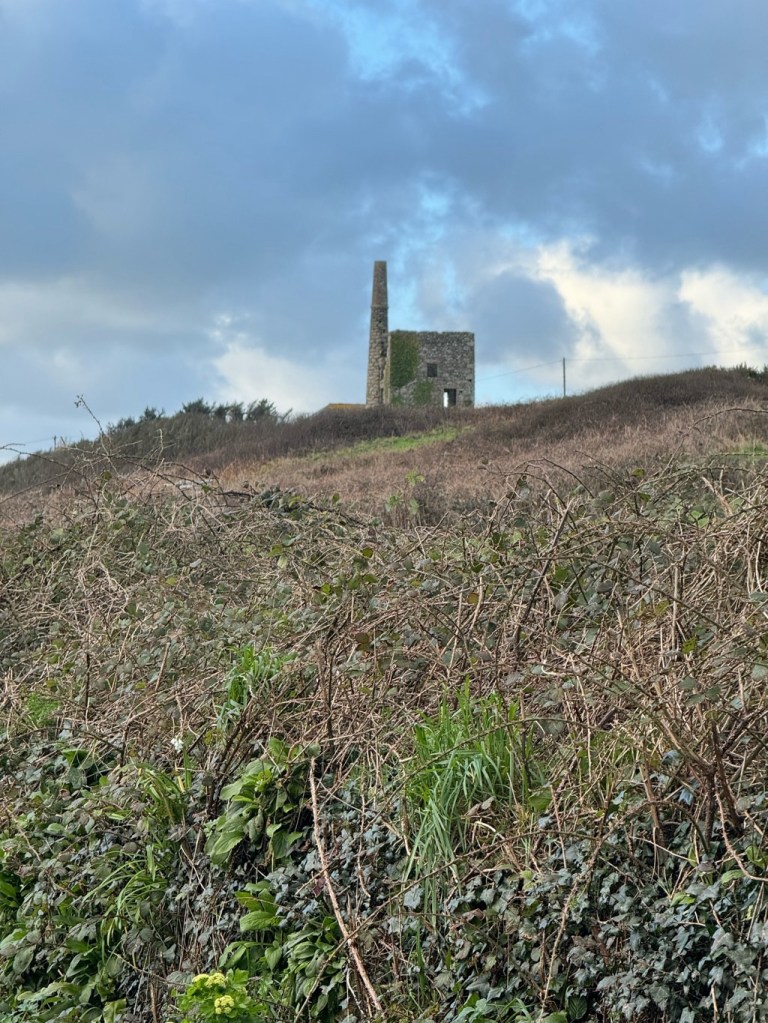
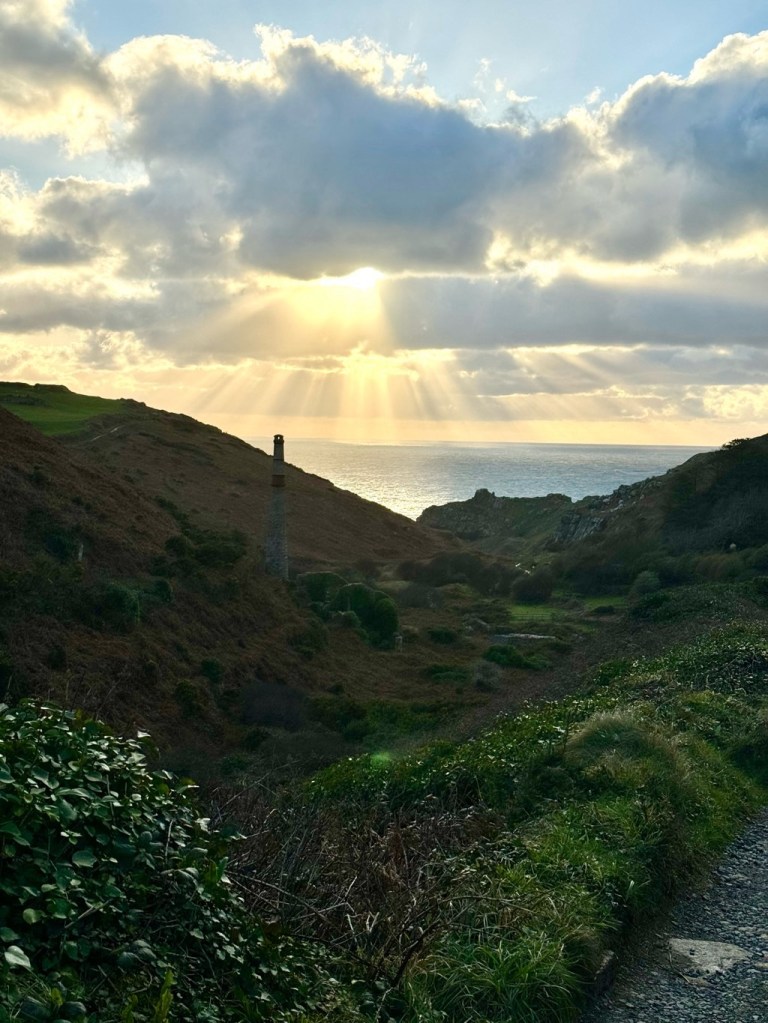
We stayed for three nights in the grounds of the St Just Rugby Club which was very handy for walking in the beautiful and lonely Kenidjack Valley and only a short drive from other favourite places.
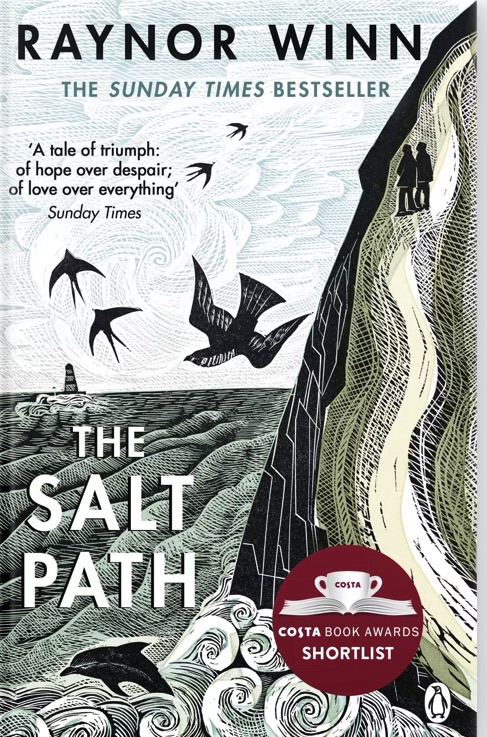
One of the most important of these is Portheras Beach. For anyone who has read The Salt Path by Raynor Winn (highly recommended for an uplifting and fascinating read) you might remember the book opens with a situation on Portheras Beach. This happens to be Jonathan’s most favourite childhood haunt and of course a must to visit.

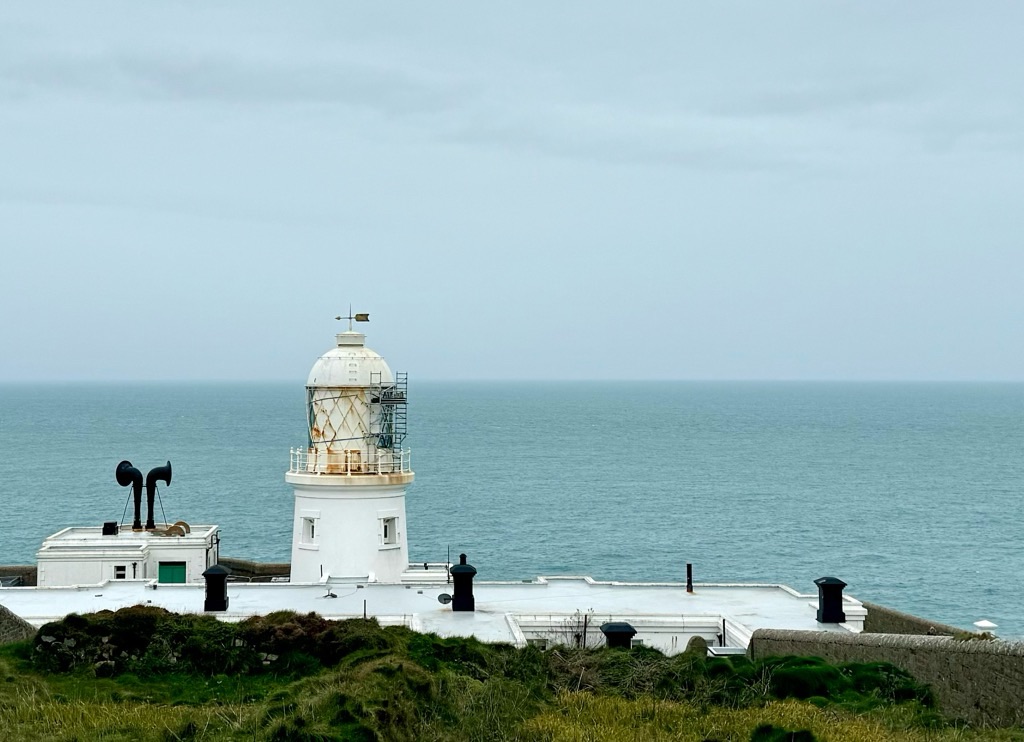
We parked the van near Pendeen lighthouse and, wrapped up well against the freezing wind, walked to Boat Cove, a tiny and isolated fisherman’s haven.

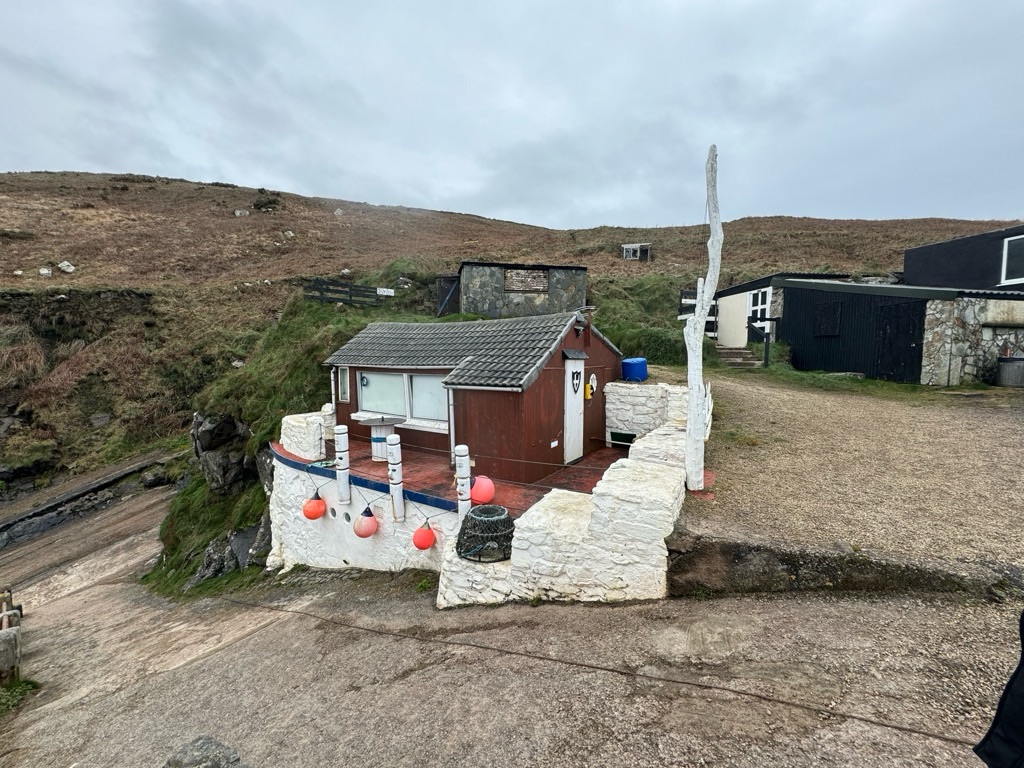
While I enjoyed the fabulous views sitting at Boat Cove amongst the huts, a handful of fishing boats, some crab pots and a slipway to haul up the boats, Jonathan carried on and hopped over the rather forbidding craggy granite rocks to reach his beloved Portheras.
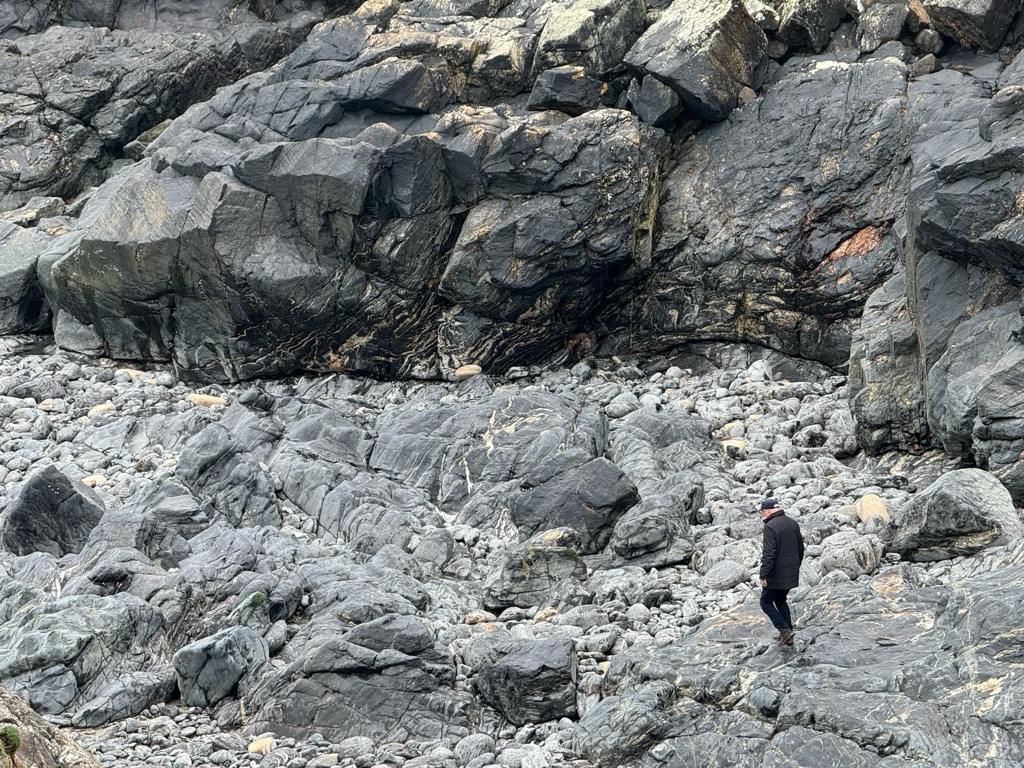

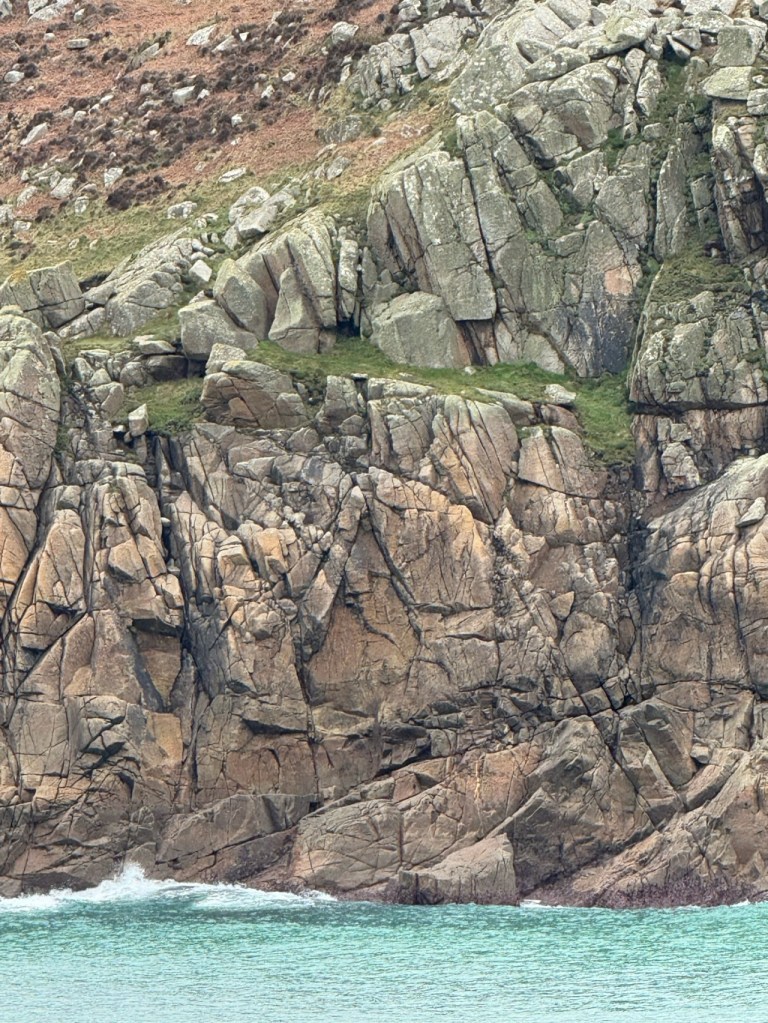
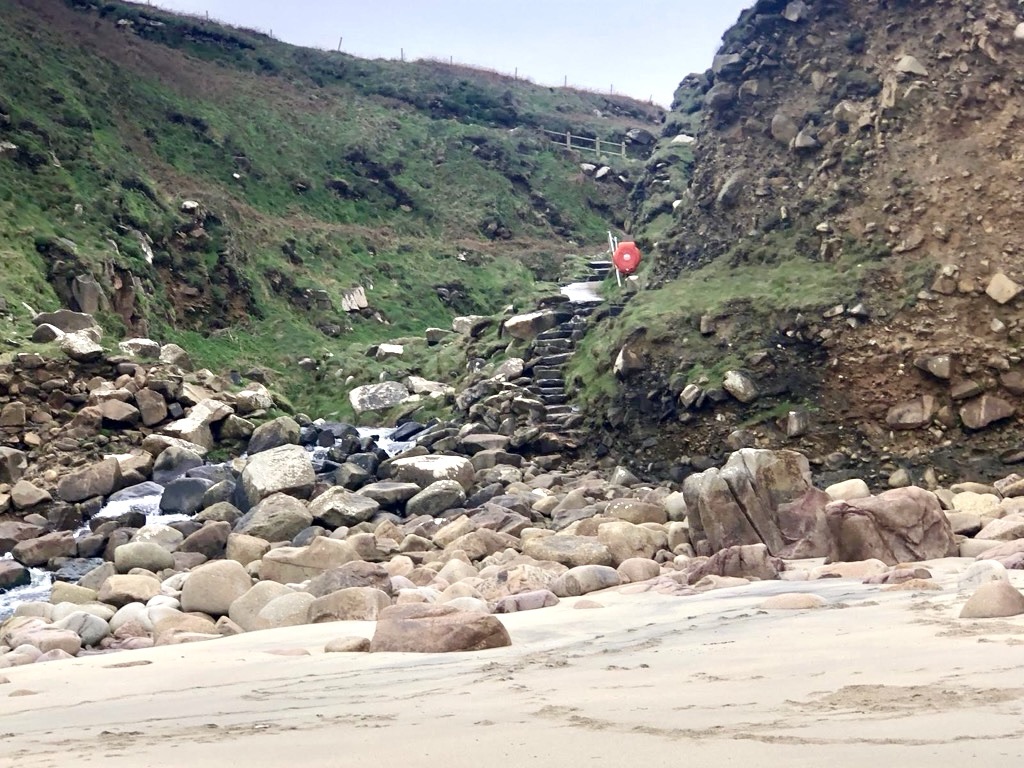
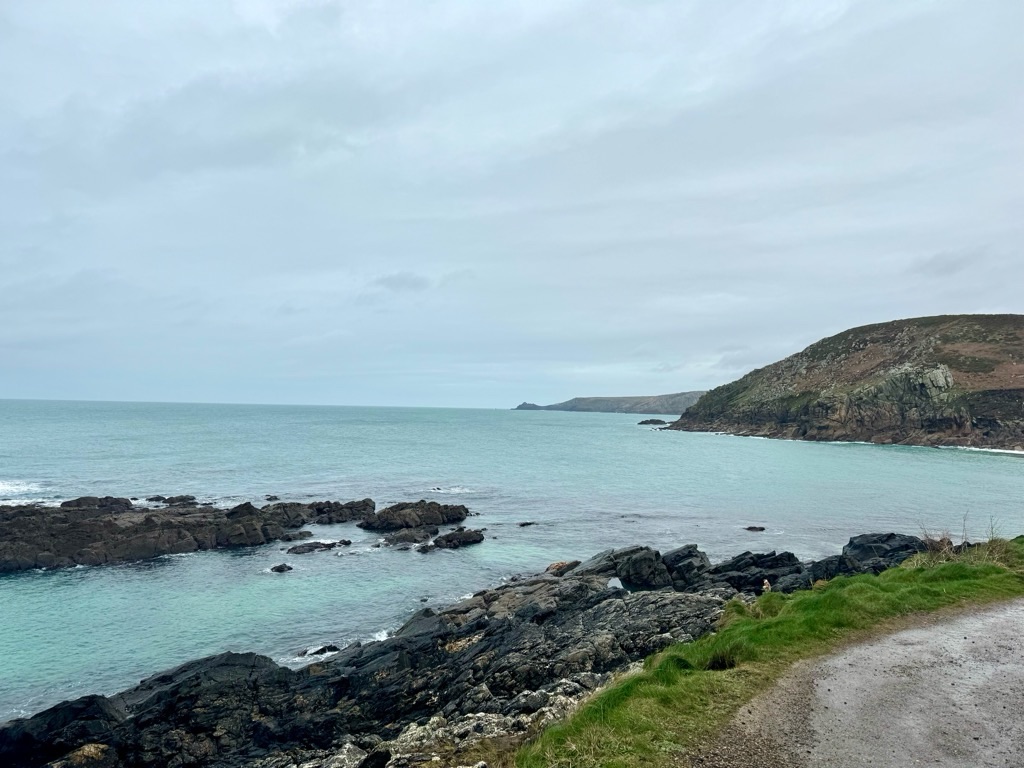
As I was sitting there I heard the bark of a dog and following the sound of his excited yelps, looked down to see the two young women who had overtaken us earlier as we walked from the car park.
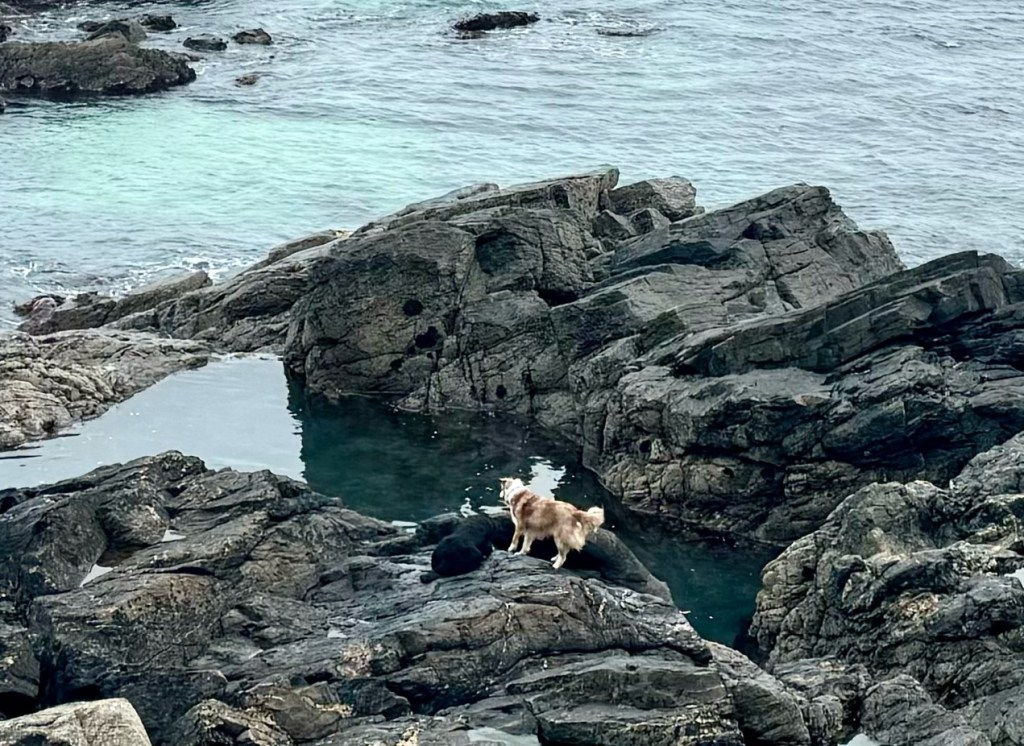
They were on the rocks clambering towards a big rock pool and as I watched them make their way towards it (and the dog running up and down) I noticed a women floating on her back in the calm water of the pool.

Unbelievably, the two young women began to undress and before long were also immersed in the freezing water.
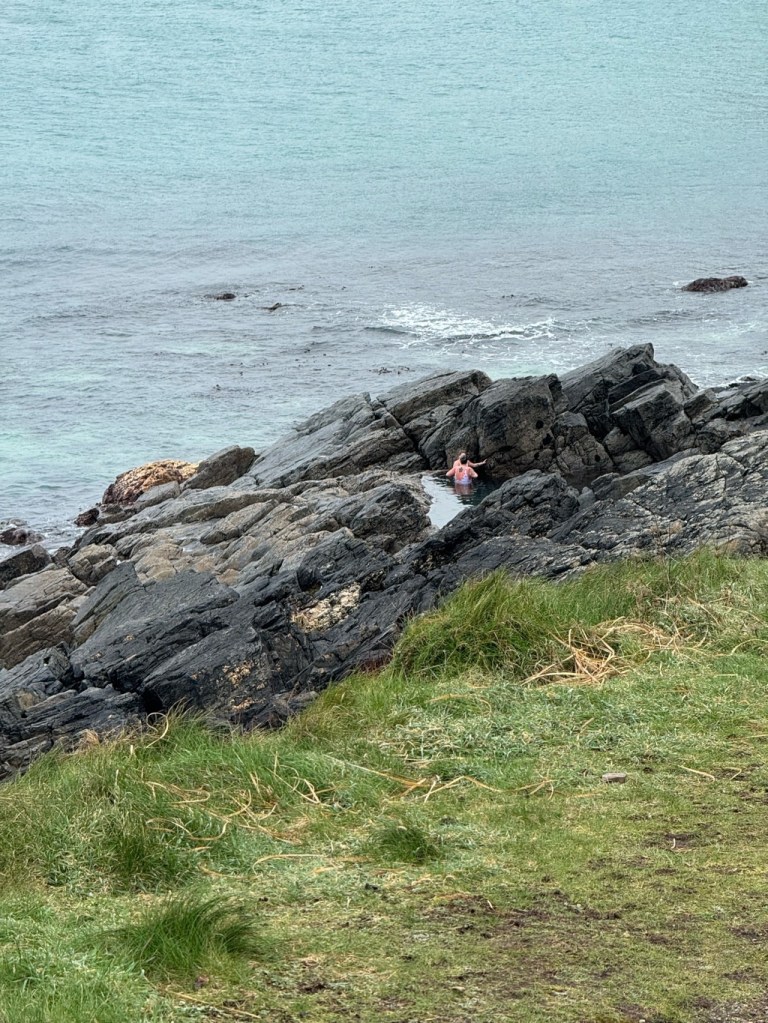
Now a number of my family members love to wild swim and bathe daily in the sea but it still shocked me to witness for myself what seemed to be the utter madness of swimming in such bitterly cold conditions!
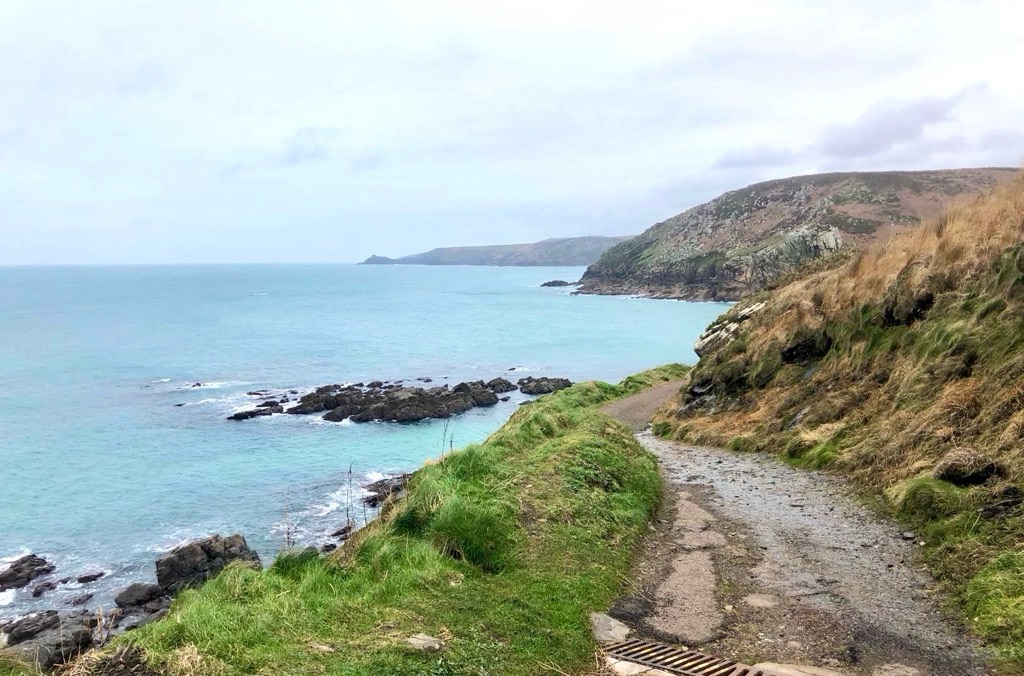
Leaving the bathers to relish the icy waters I strolled back to the welcome cosy van to make a nice hot cup of tea!
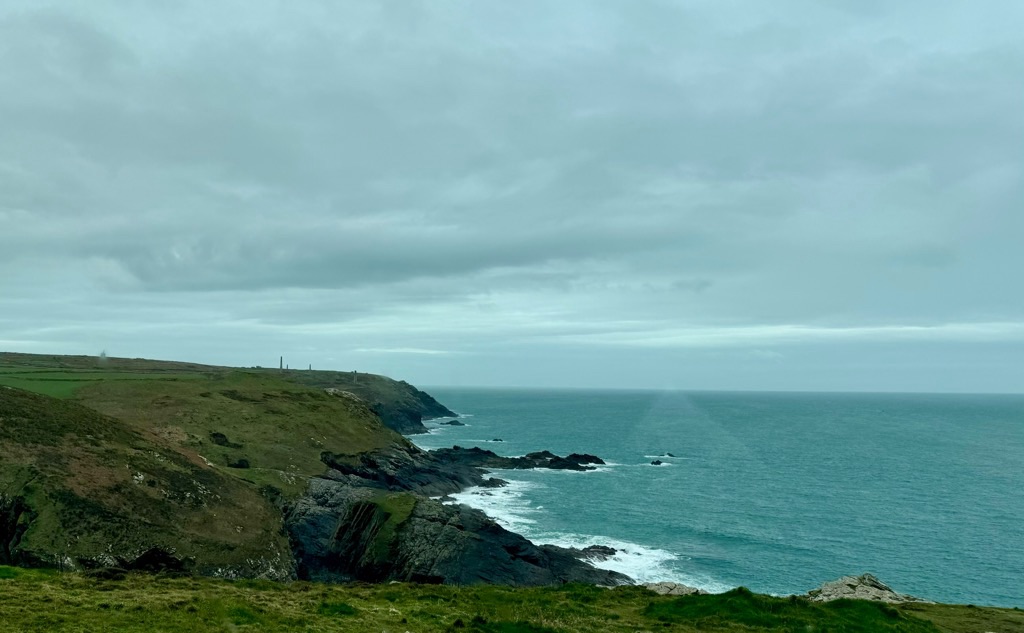
After Jonathan returned from his nostalgic walk we drove to Sennen Cove, another small village with a glorious beach that we are both very fond of, having holidayed there when we were first married and later with the children.
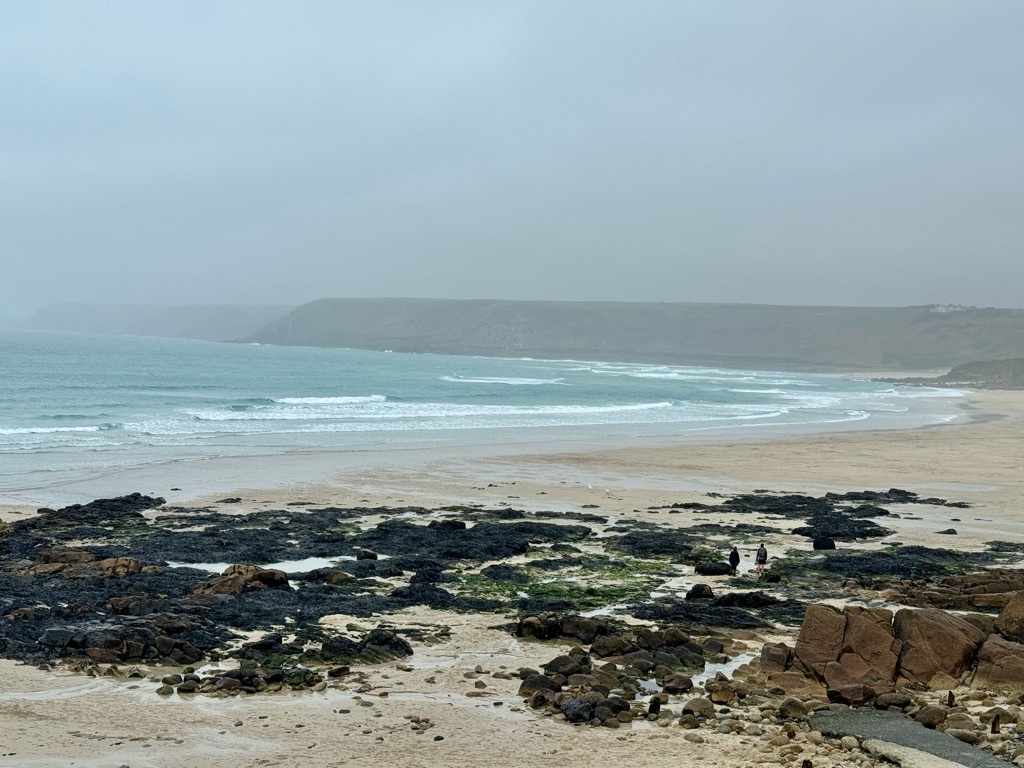
We had lunch at the pub there, The Old Success, and later strolled to the RNLI Sennen Cove Lifeboat Station.

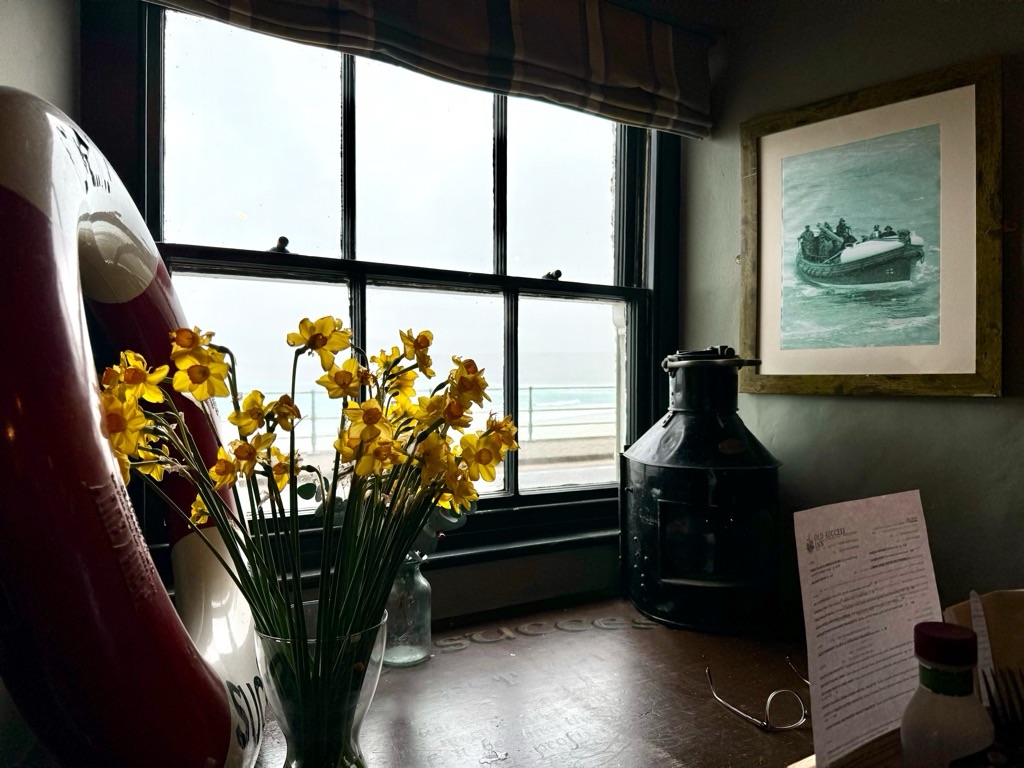
The RNLI is a remarkable volunteer organisation that provides a 24-hour search and rescue service around the United Kingdom and Republic of Ireland coasts. It currently operates 238 lifeboat stations and more than 240 lifeguard units on beaches. Since it was founded in 1824 its lifeboat crews and lifeguards have saved an incredible 142,200 lives.
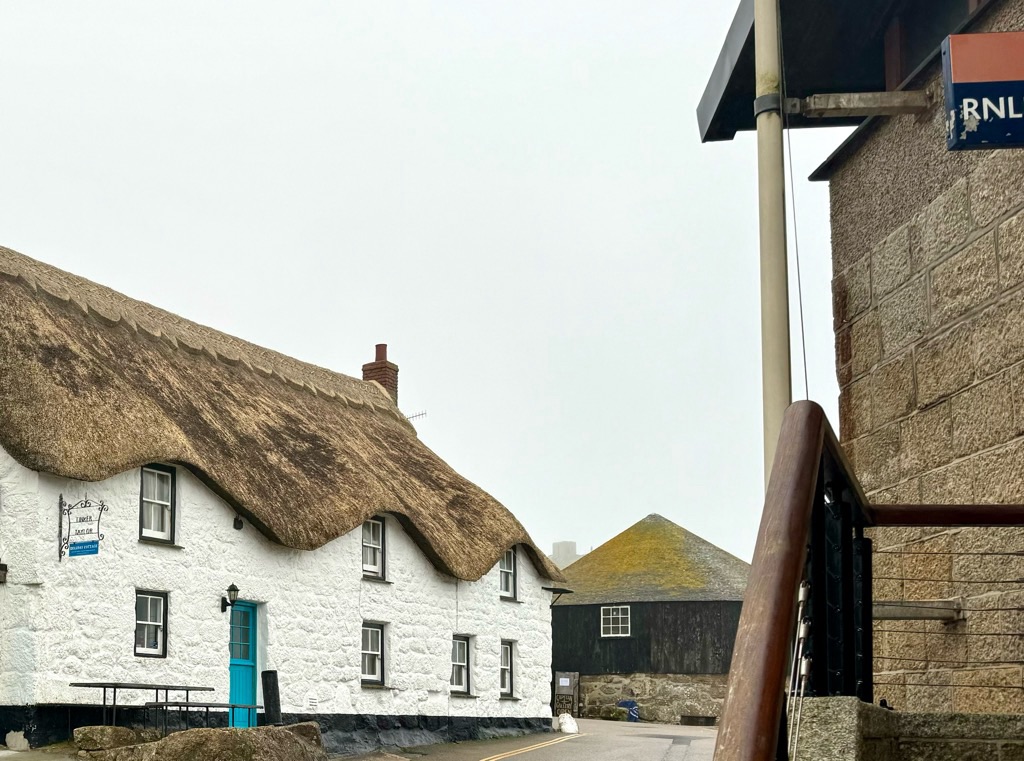
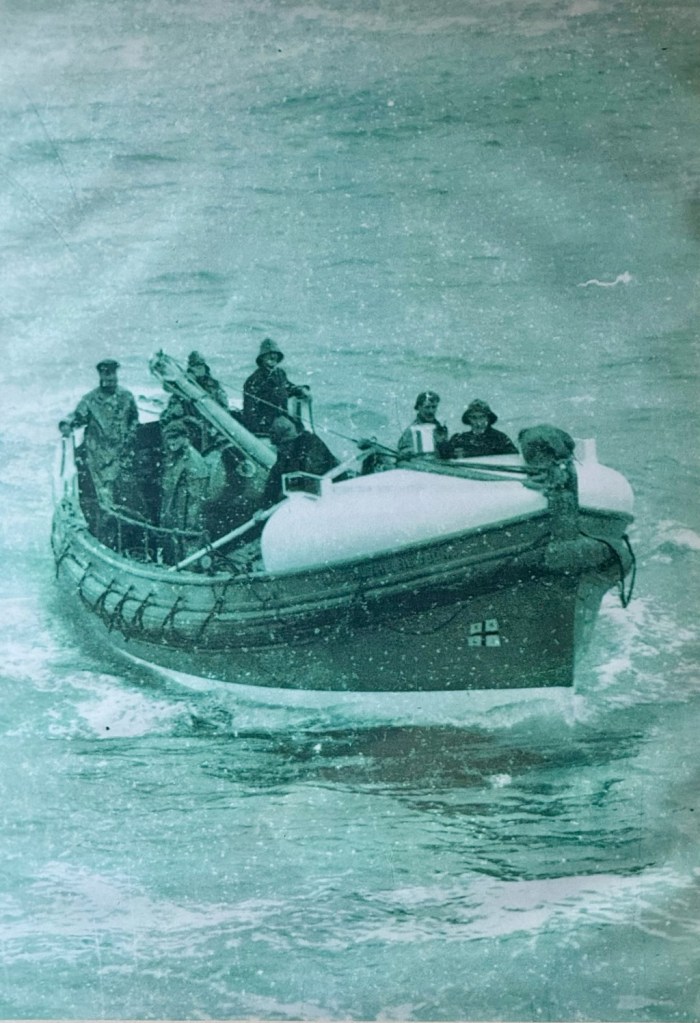
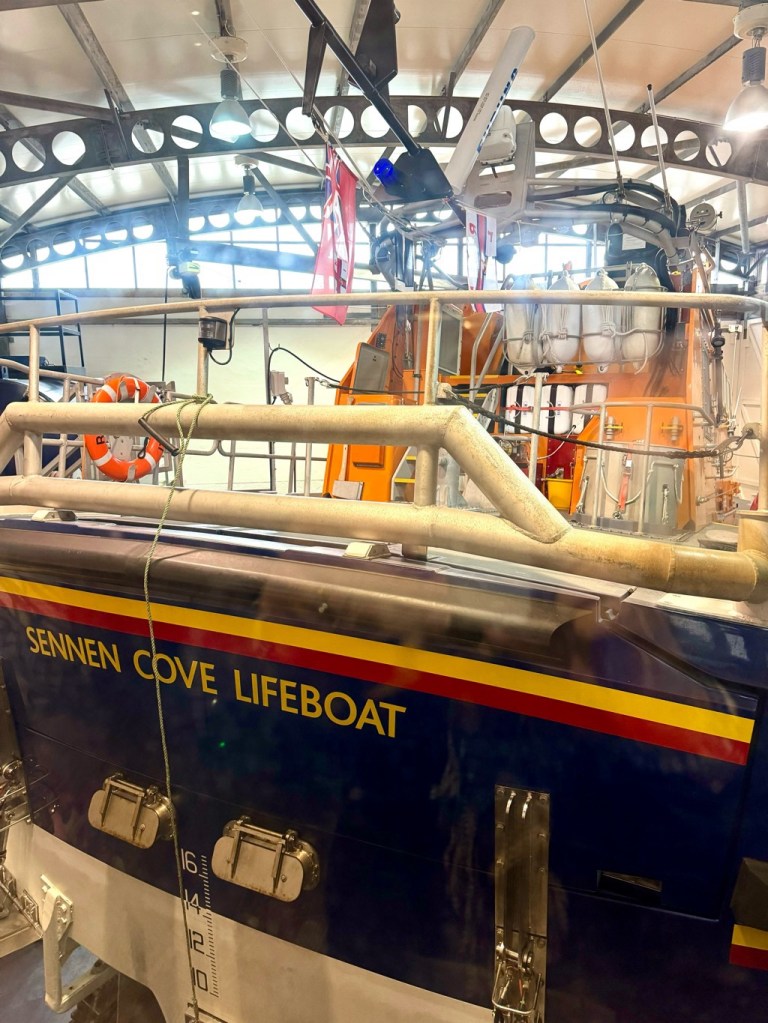
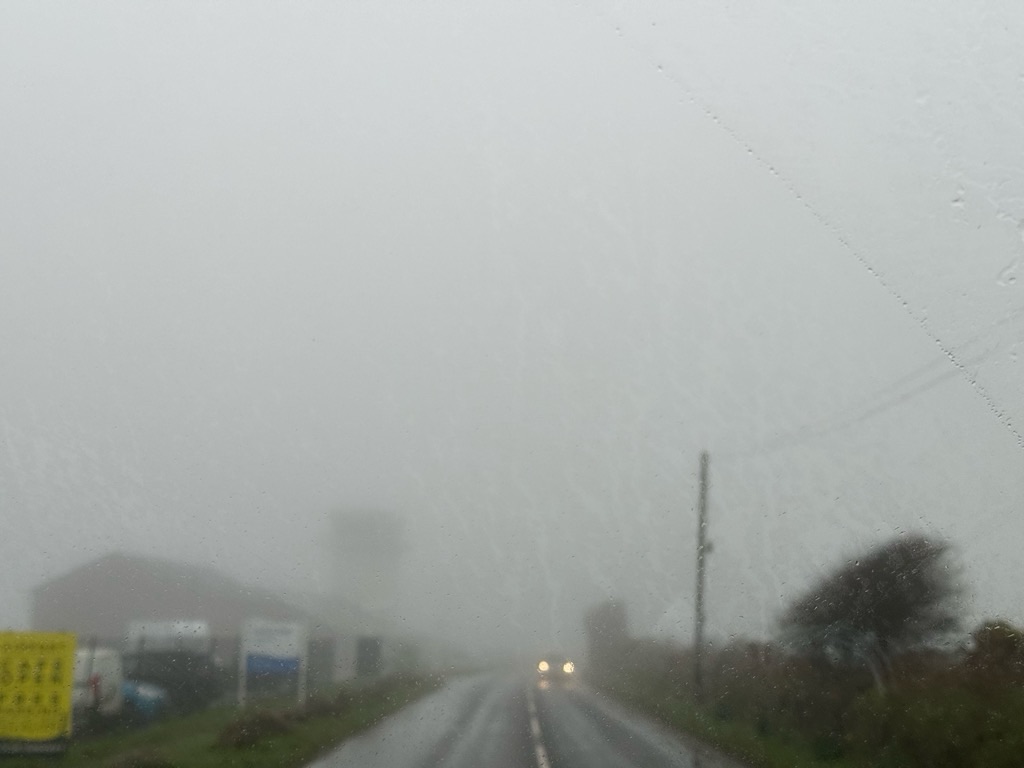
With the bravery and sacrifice of the volunteers still in our minds we drove slowly back to the Rugby Club in a murky coastal fog feeling very thankful to be warm and safe in our van rather than be at sea (as volunteers or in need of rescue) in such a pea souper!

 Salty tales from Bali Hai on Sunday
Leave a comment