After a very pleasant week back in the Netherlands we decided to give Hannah and Pieter some time on their own and take advantage of the beautiful sunny autumn days to go on another adventure.
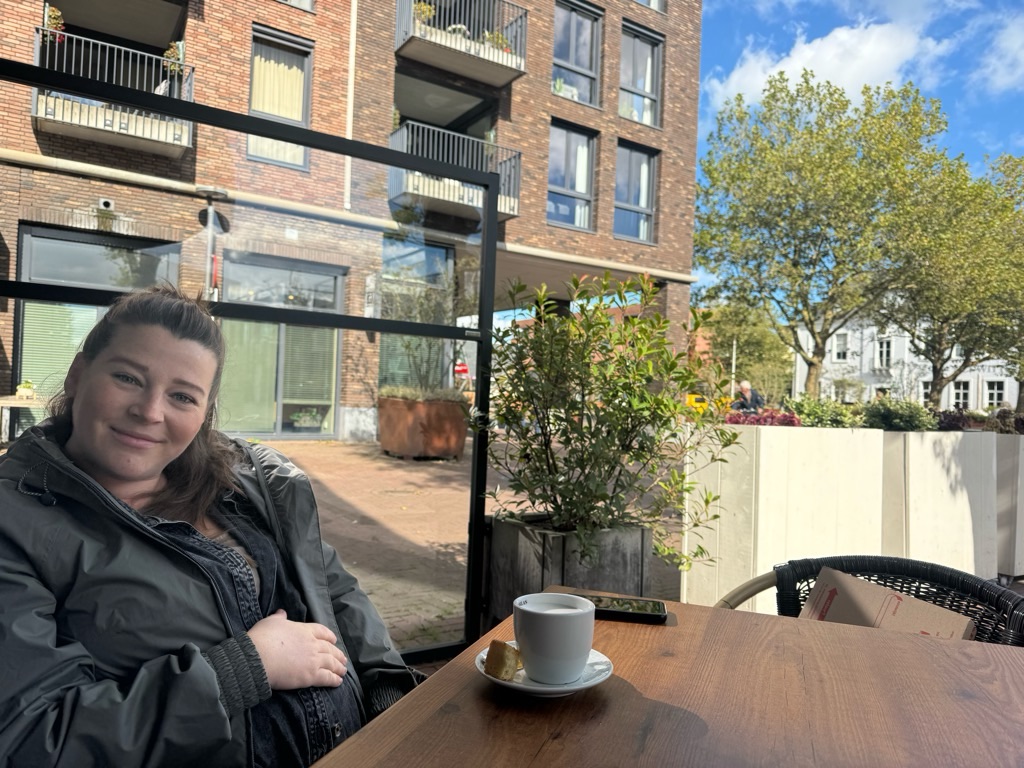
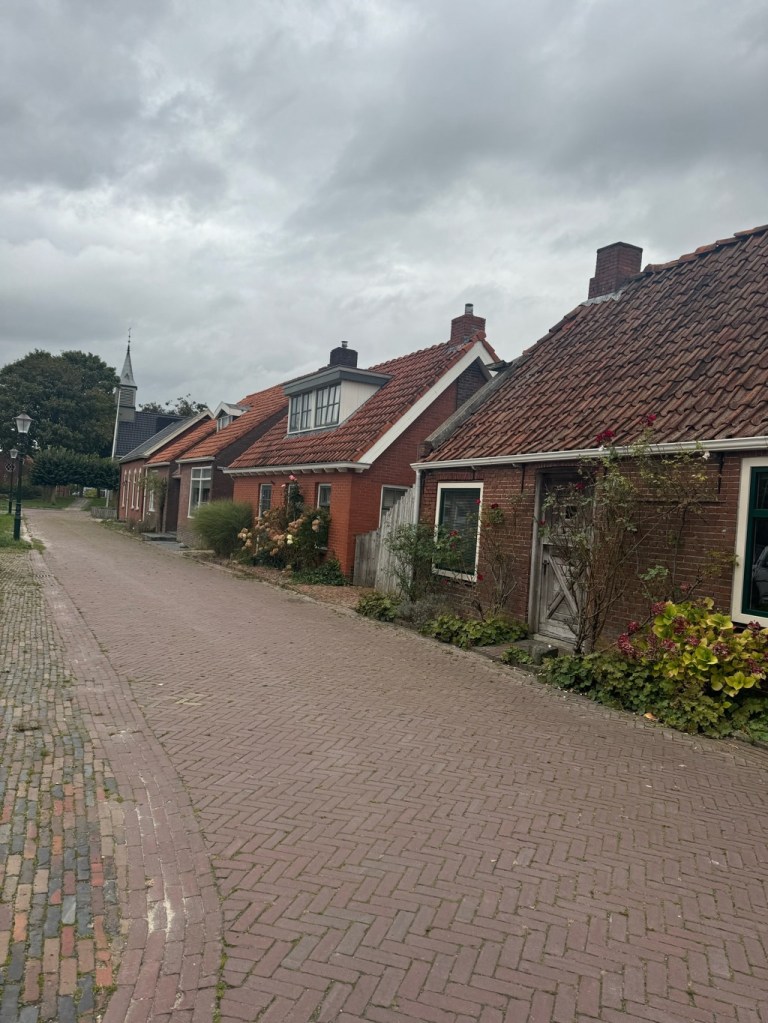
We set off in perfect weather for a picturesque little village called Zoutkamp in the far north of the Netherlands.
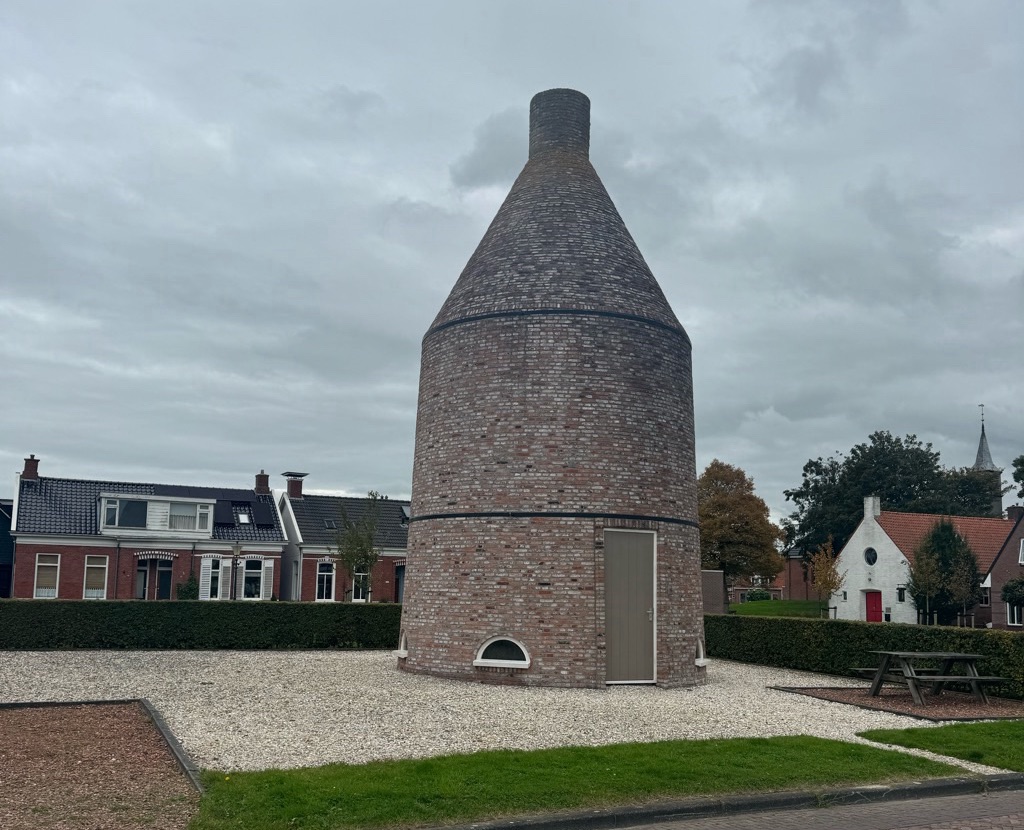
The village has a rich history as it was a tactically important defensive fort during the Dutch Revolt (also known as the Eighty Years War) which started around 1566.
Nowadays it is a fishing village and an attractive tourist destination (despite the strong smelling shrimp factory!).
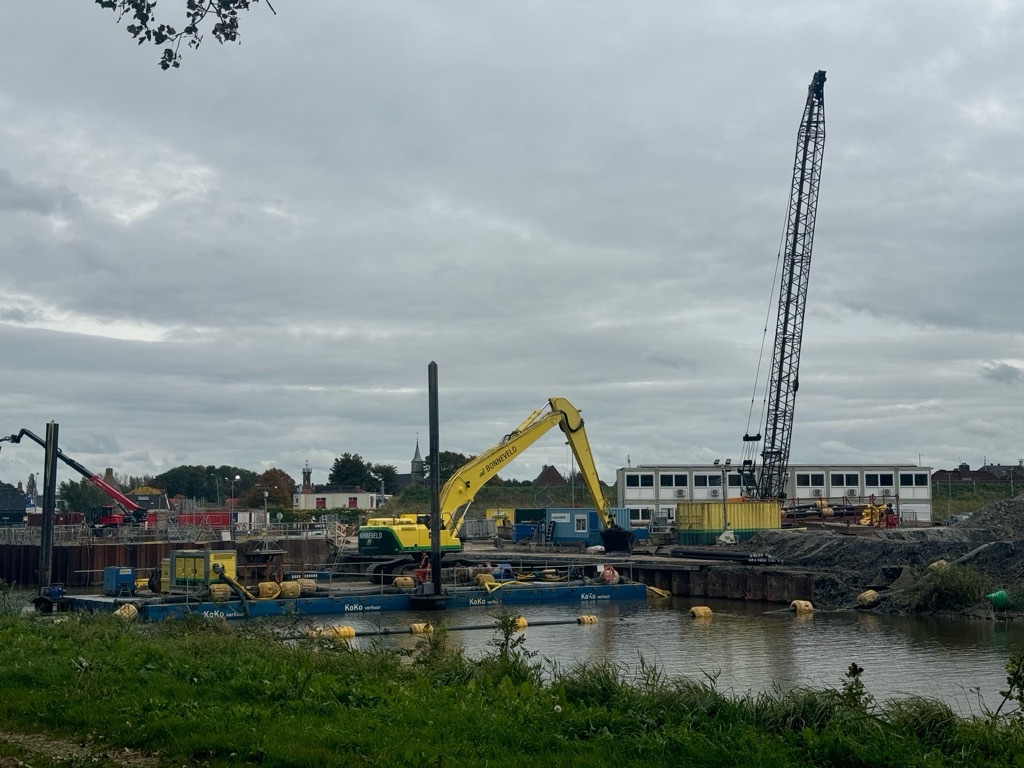
There is lots of water in Zoutkamp – the Reitdiep, and Lauwers Rivers and the Hunsingokanaal all meet in the town. This means a lot of locks, sluice gates, bridges and other interesting water works.
We arrived at our campsite in the Port Hunezgat yacht marina in the early evening and found the place deserted with the barrier gate firmly closed.
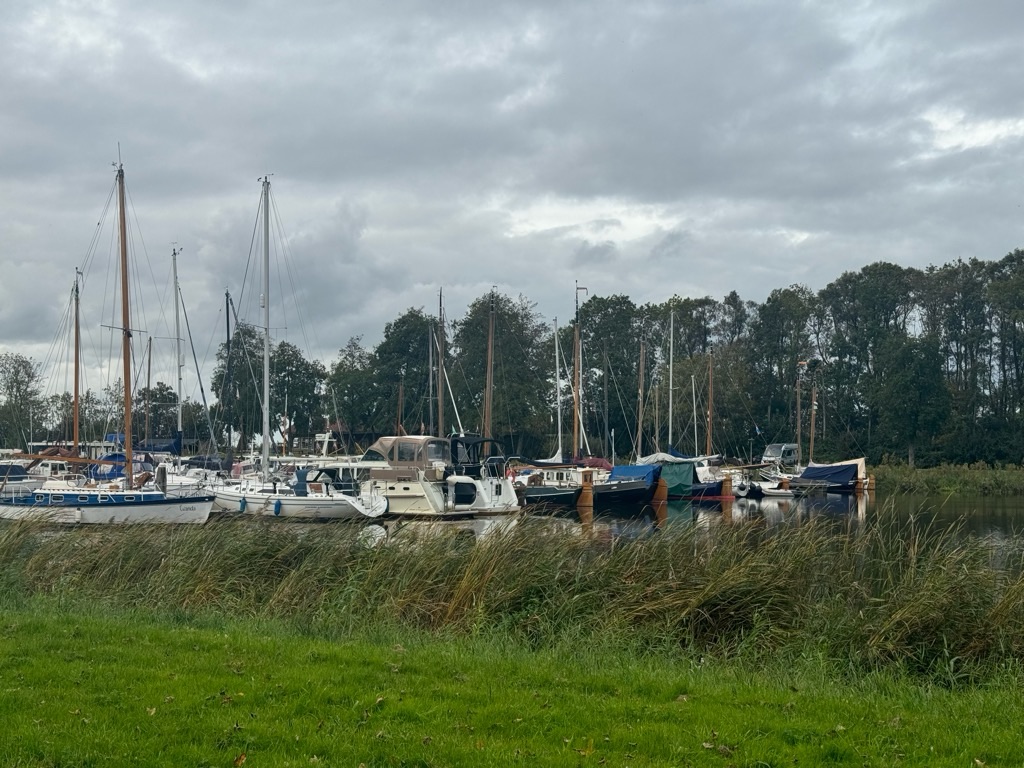
After a bit of a wander round we found a phone number to call and were soon told where to find the hidden controller for the boom gate.
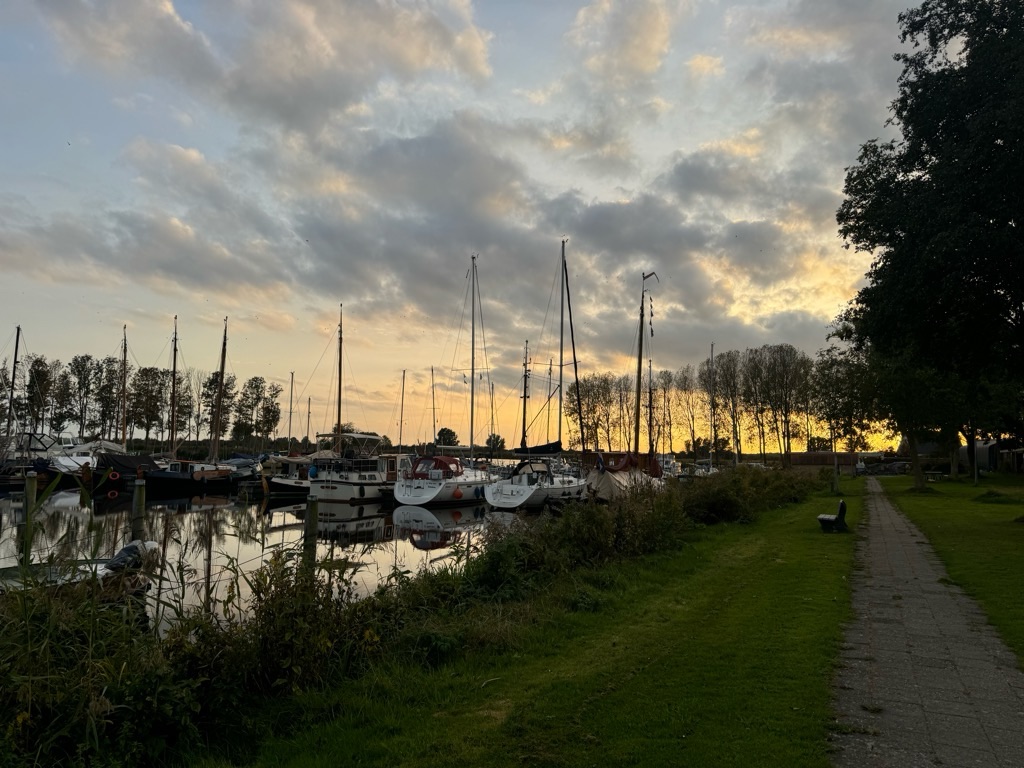
It was a beautiful evening with a glorious sunset that lit up the wooden masts of all the traditionally built sailing boats moored in the marina.


The next day we went for a long walk along the bank of the River Lauwers and later explored the village on another leisurely walk.
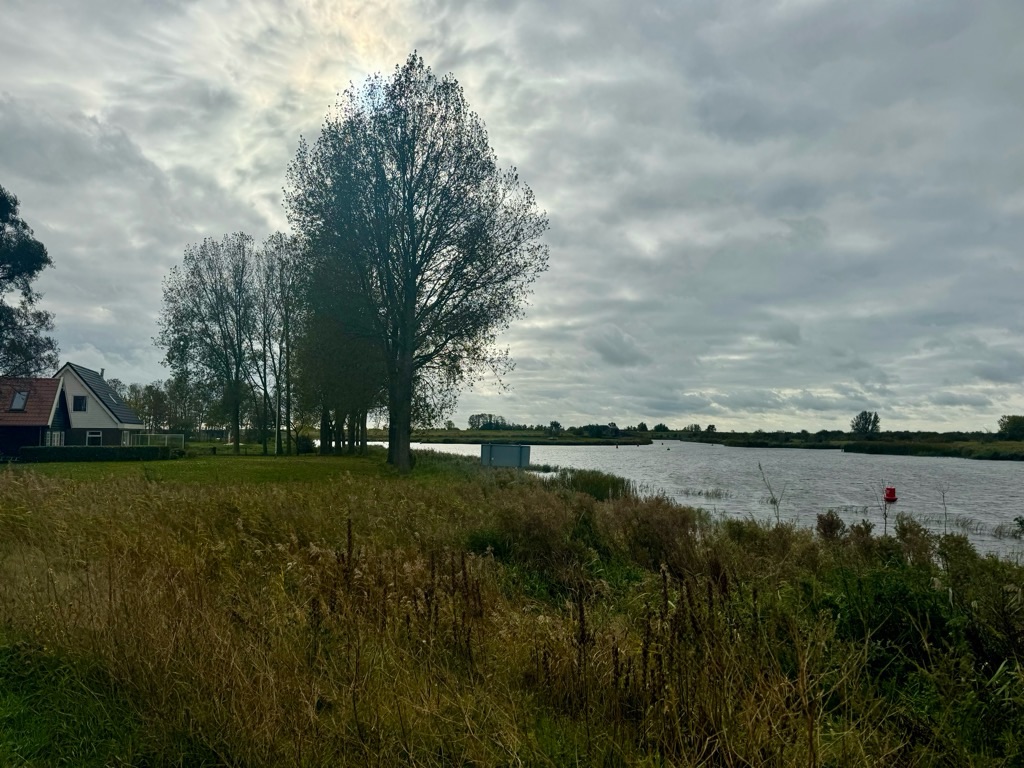
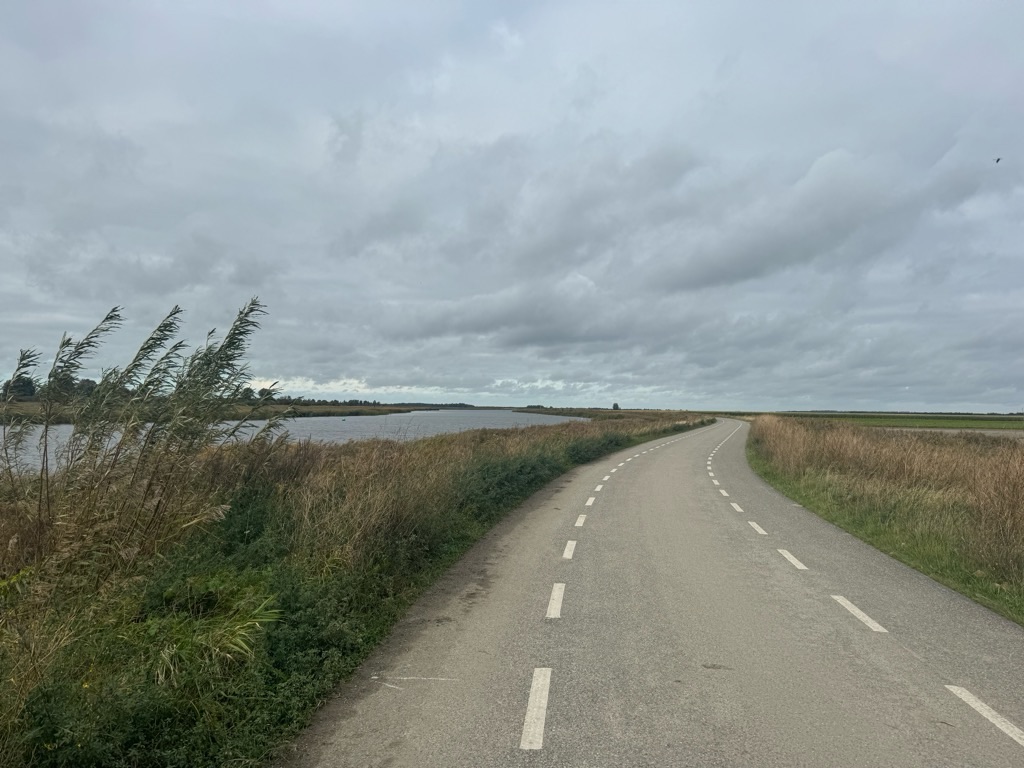
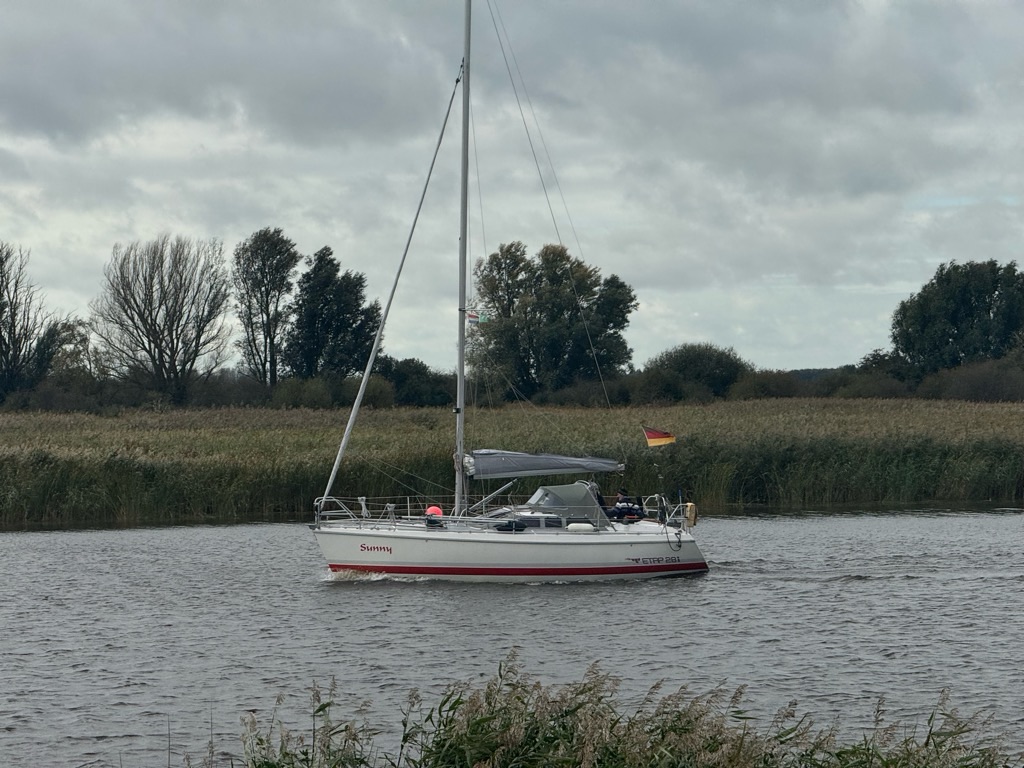
We noticed that many of the older cottages in the village were built very closely together and later found out that this was because when the fort was in existence villagers were only allowed to build within the fortress walls. As the population expanded the houses were built closer and closer together.
From Zoutkamp we drove to Nijmegen – a bustling university city close to the border with Germany.
We were able to stay the night in a very well priced car park but we had a funny incident when we first entered. A guy in a hi vis jacket handed us a ticket and asked for money. We were just about to hand over some money when we realised that it wasn’t a 24 hour ticket (it ran out after about 20 hours).
Jonathan caught a whiff of his breath (and said later that it had a definite smell of alcohol) and decided to keep driving into the car park.
As we were drawing off, our friend at the gate stopped an outgoing driver and asked for her ticket. Then we worked out what was going on! The council charged a flat rate for all the tickets and if drivers only used a small proportion of the allocated 24 hours, the man at the gate could try and sell the ticket to someone else. This would have been fine as long as the driver wasn’t intending to stay for the whole 24 hours!
We thought it was a very enterprising way of raising money although it probably deprived the Nijmegen Council of a fair amount of profit on certain days!
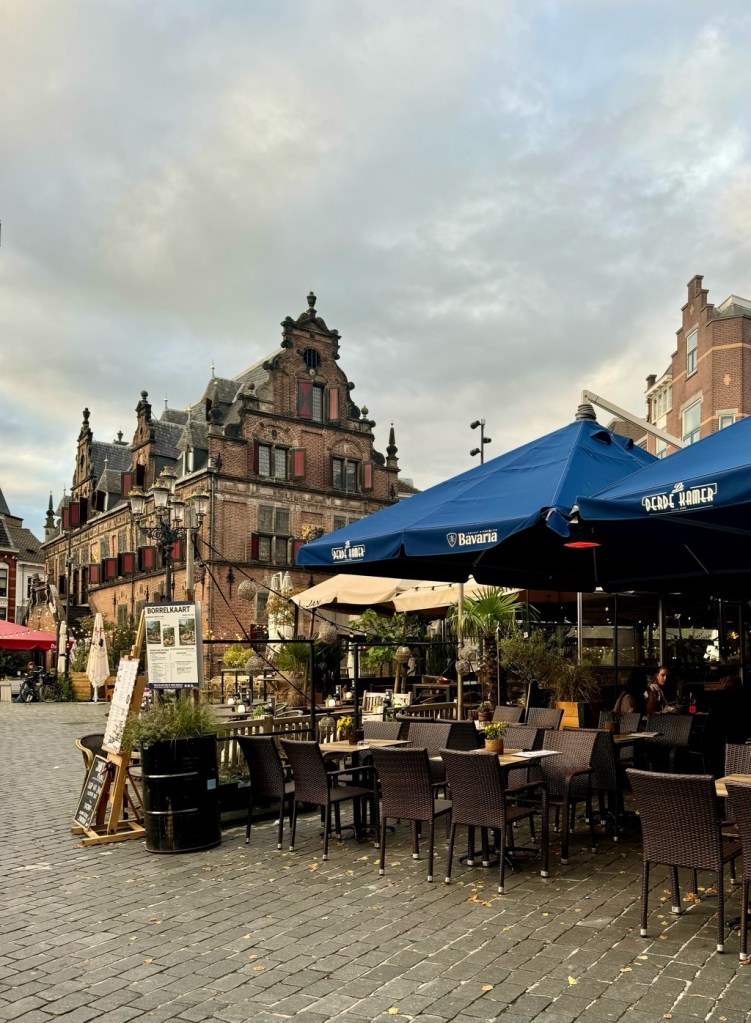
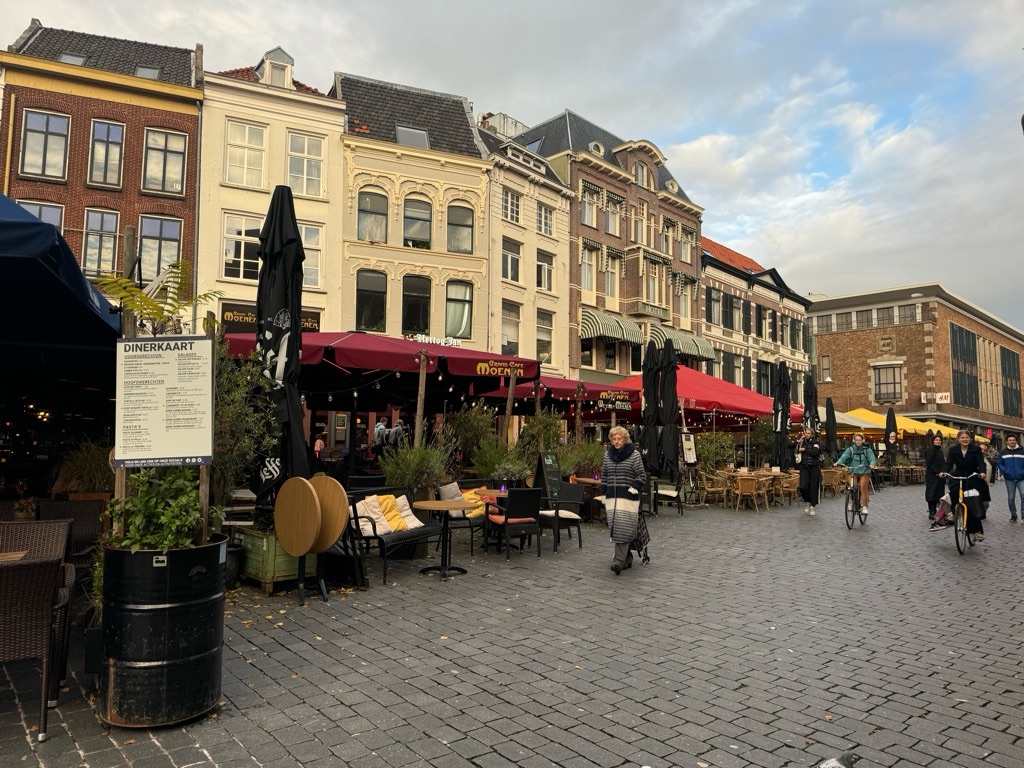
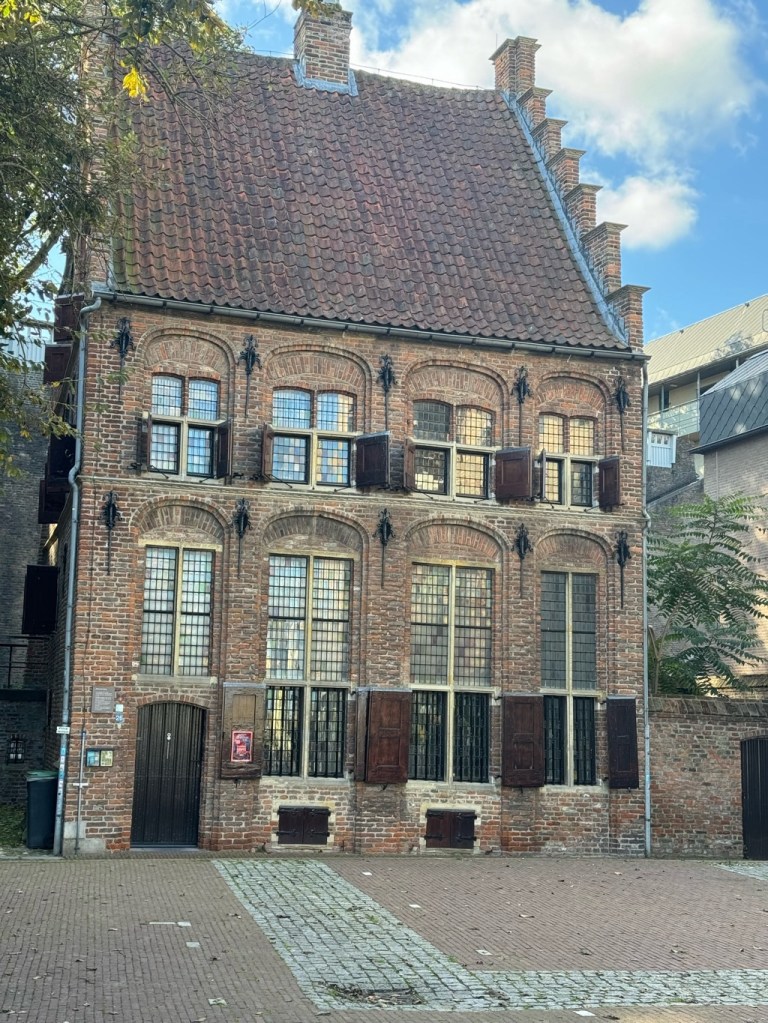
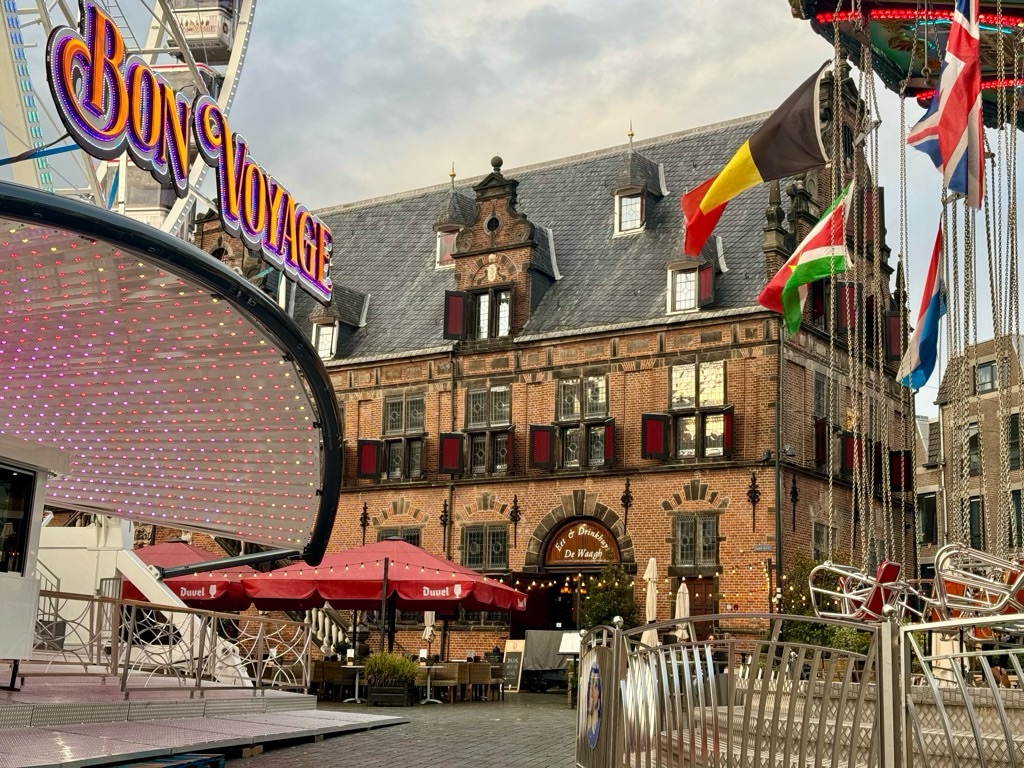
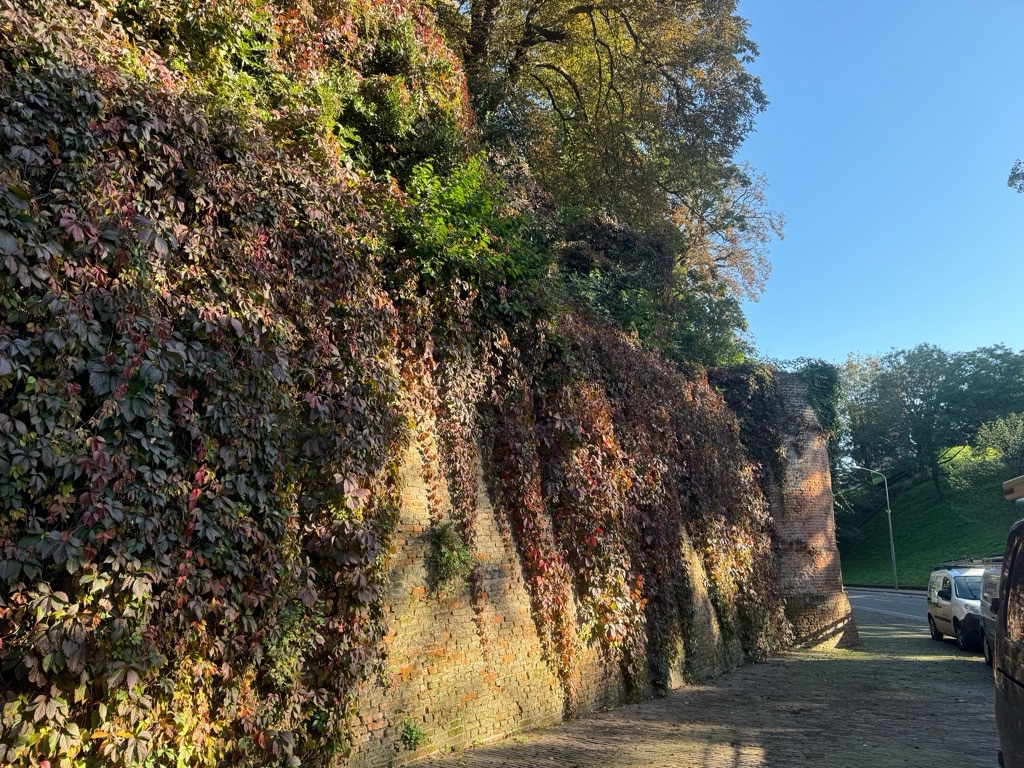
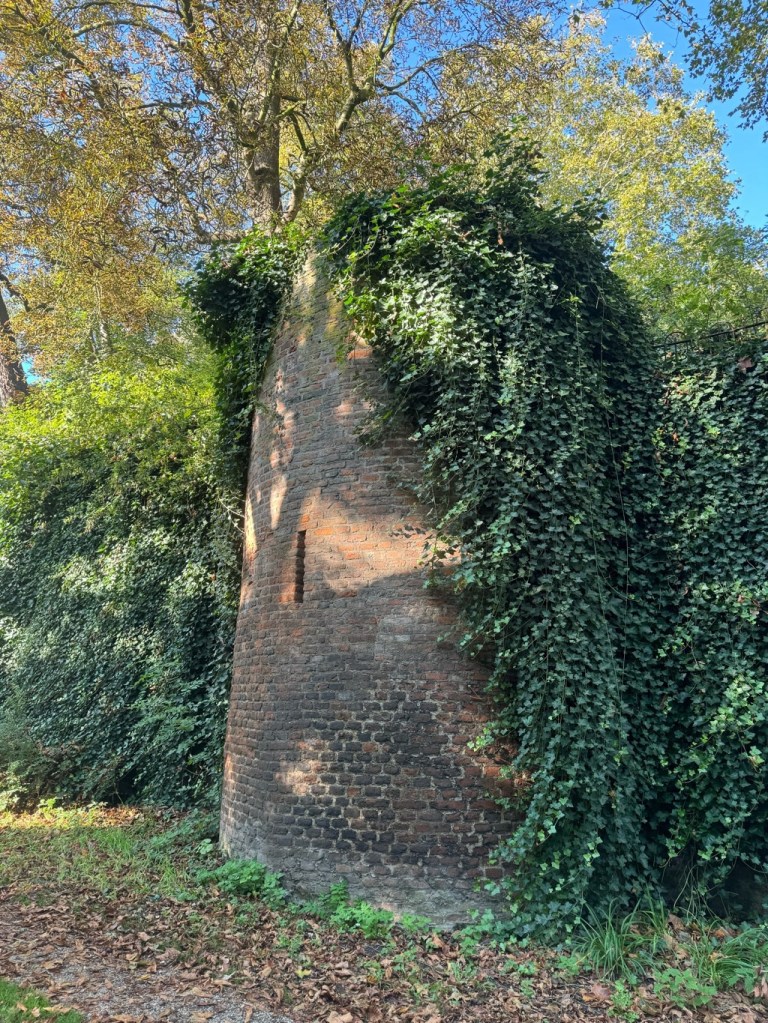
The walk into town from the car park wasn’t far and there was plenty to look at – the colourful shops, the impressive town square, sections of the old city walls, amazing architecture and funfair rides and stalls spread over various spots around the town.


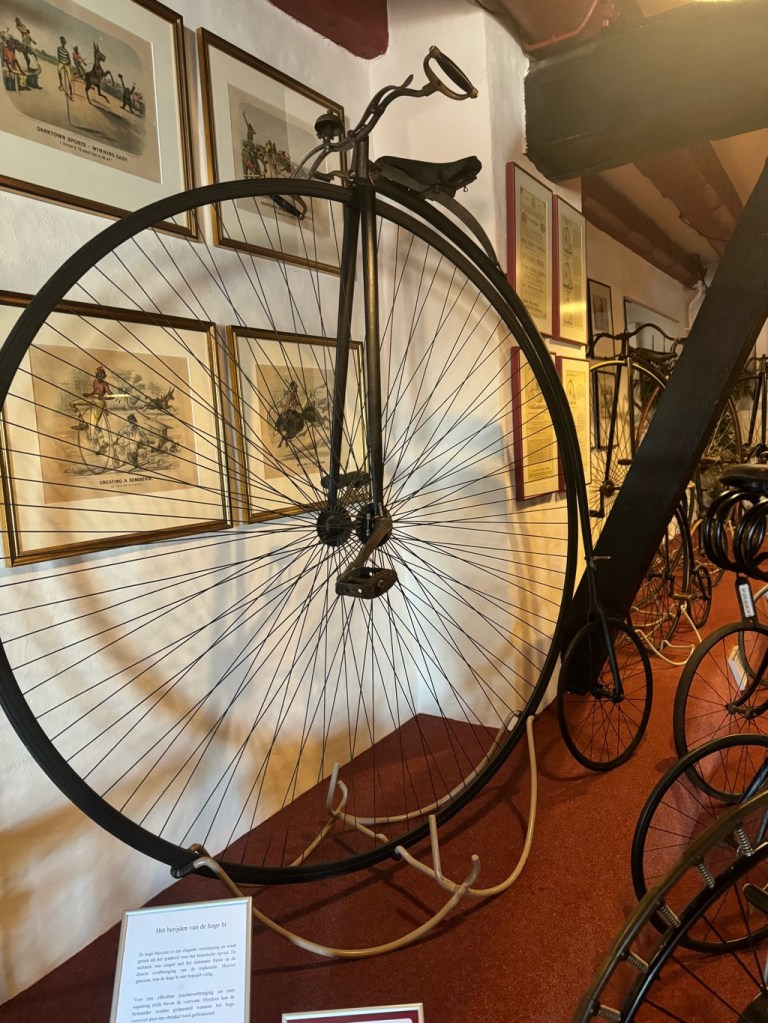
We headed first for the Fietsmuseum Velorama – the National Bicycle museum which Jonathan was looking forward to visiting. I was less keen but in the end did find it very interesting.
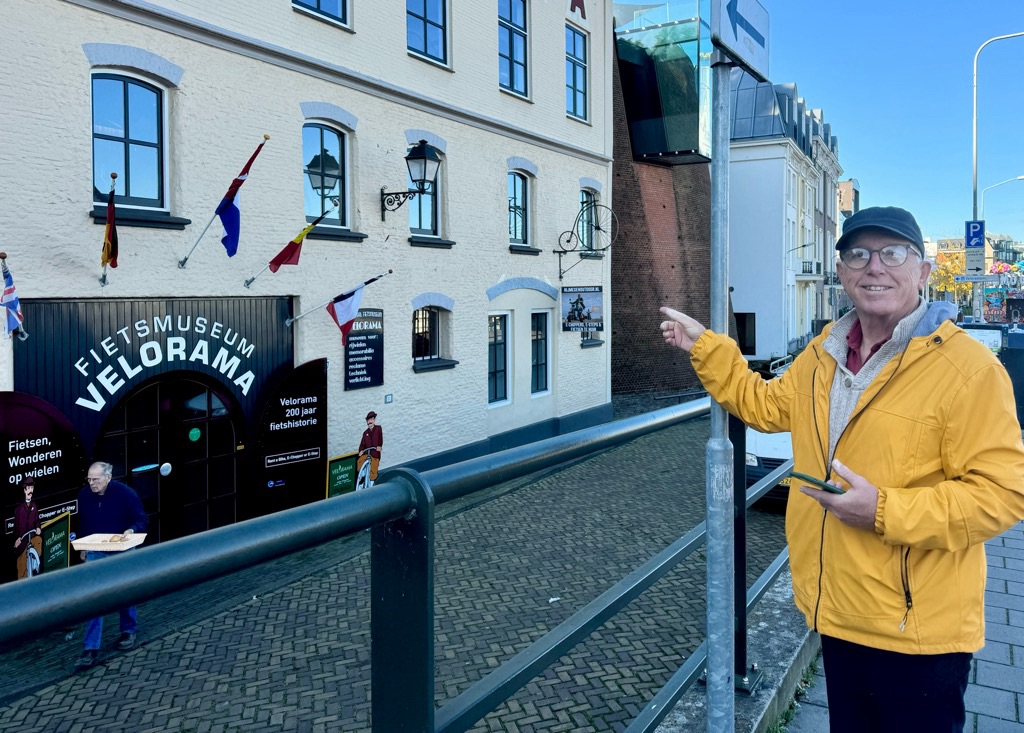
The museum houses the largest and most important bicycle collection in the world. It is mainly focused on the development of the bicycle from the first German model in 1817 to the modern day but there all sorts of other historic contraptions (some dating back to the 15th Century!) that inspired the development of the present day two-wheeler.
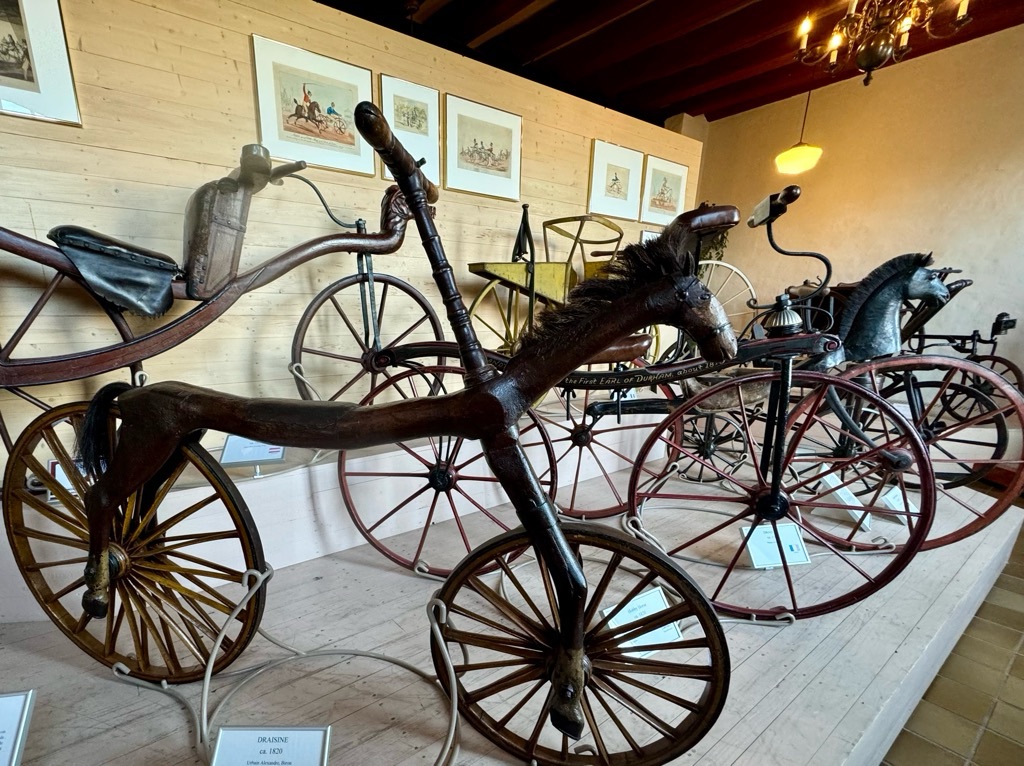
It was fascinating to see that many of the early bicycles from around the world developed in an almost identical way to others from different countries. Without the benefit of the internet I imagine the inventors were surprised to find that someone else had come up with almost the same machine as they had!
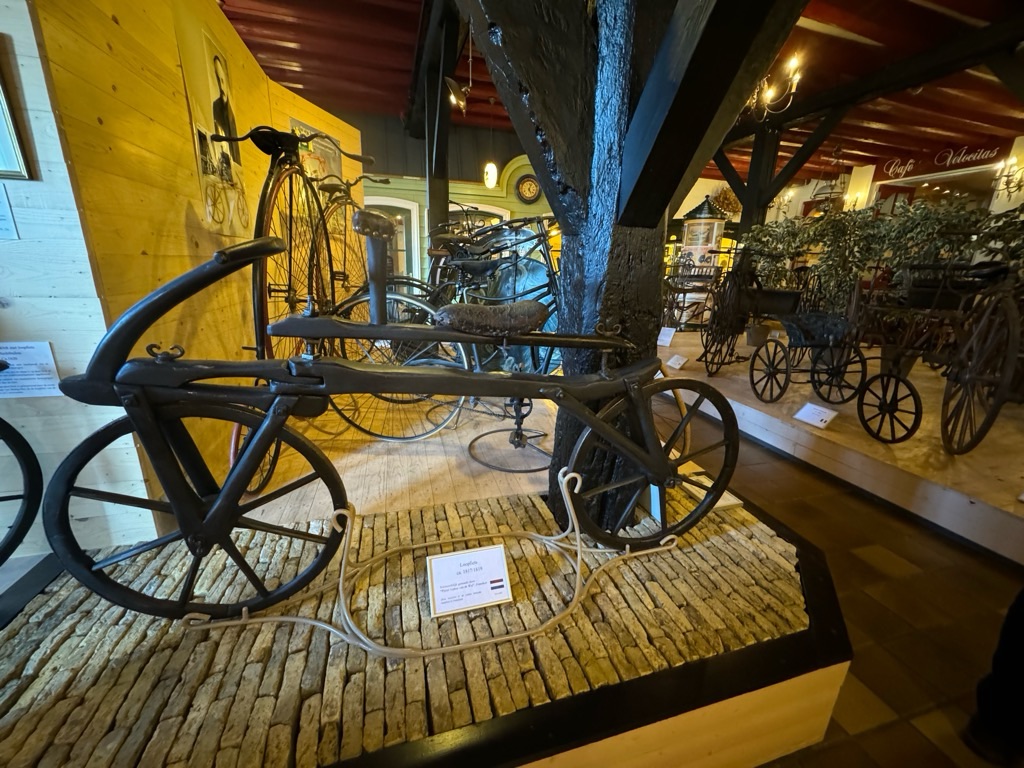
The other thing that I found intriguing was that many of the early bikes had a model horse head at the front – the early bicycles were obviously seen as a replacement for horses but we found it quite funny that the inventors felt the need to make them look like a horse!
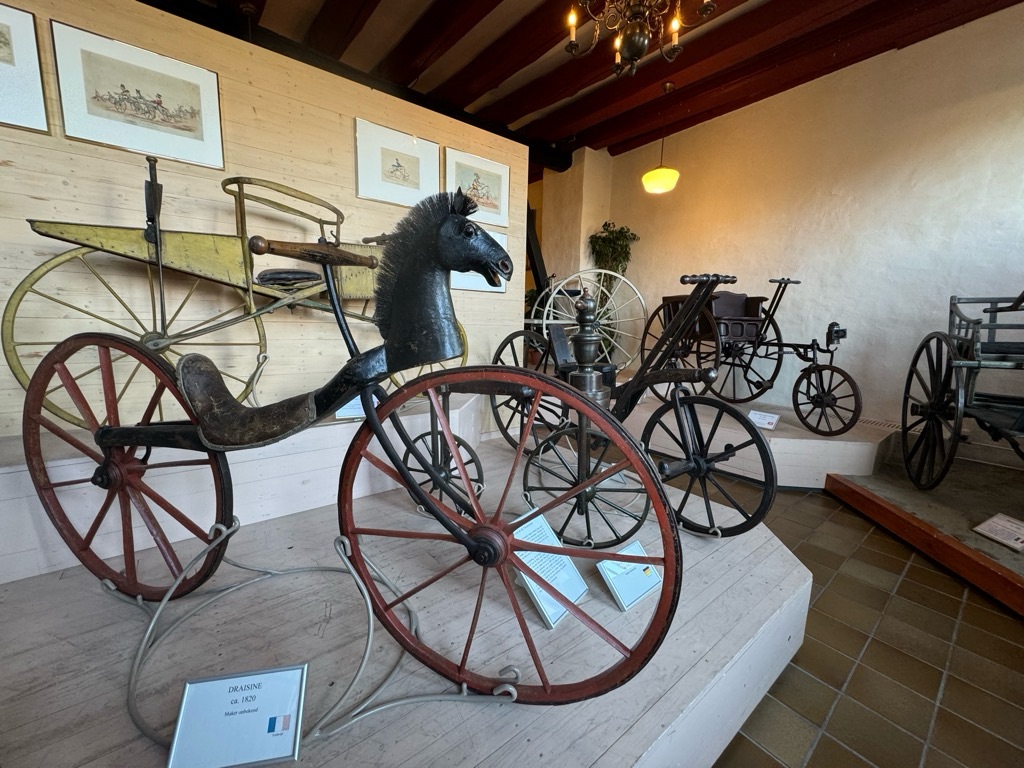
look like a horse!
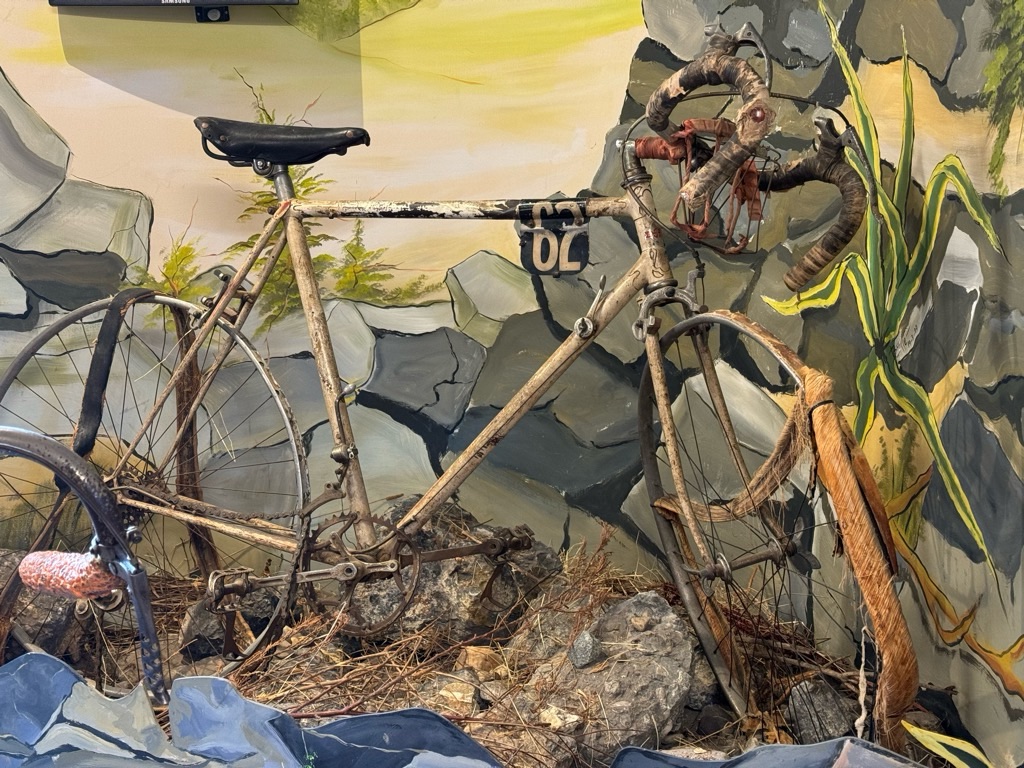
Another exhibit that was noteworthy was the very battered looking Tour de France racing bike that belonged to Dutch cycling champion Wim van Est. He was best known for being the first Dutch cyclist to wear the yellow jersey as leader of the Tour de France in 1951, and then for falling into a ravine while wearing it!
After wandering round three floors of bikes it was time for a break – fortunately we found a very pleasant cafe on the banks of the River Waal that served home made apple pie.


apple tart
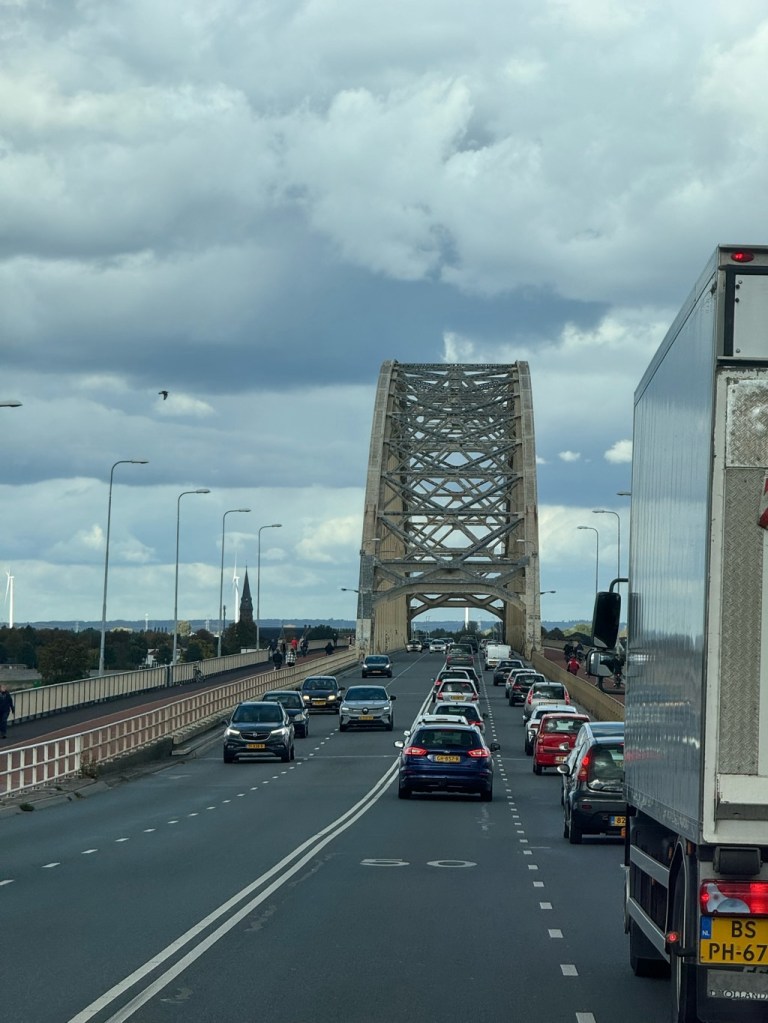
We left Nijmegen via the famous Waal Bridge. Built in 1936, the bridge was a remarkable feat of engineering – it was the longest arched span in Europe at the time of building. Its main claim to fame was that it was central to the famous and daring “Operation Market Garden” in World War ll. This operation was the subject of the very famous film “A Bridge too Far”.
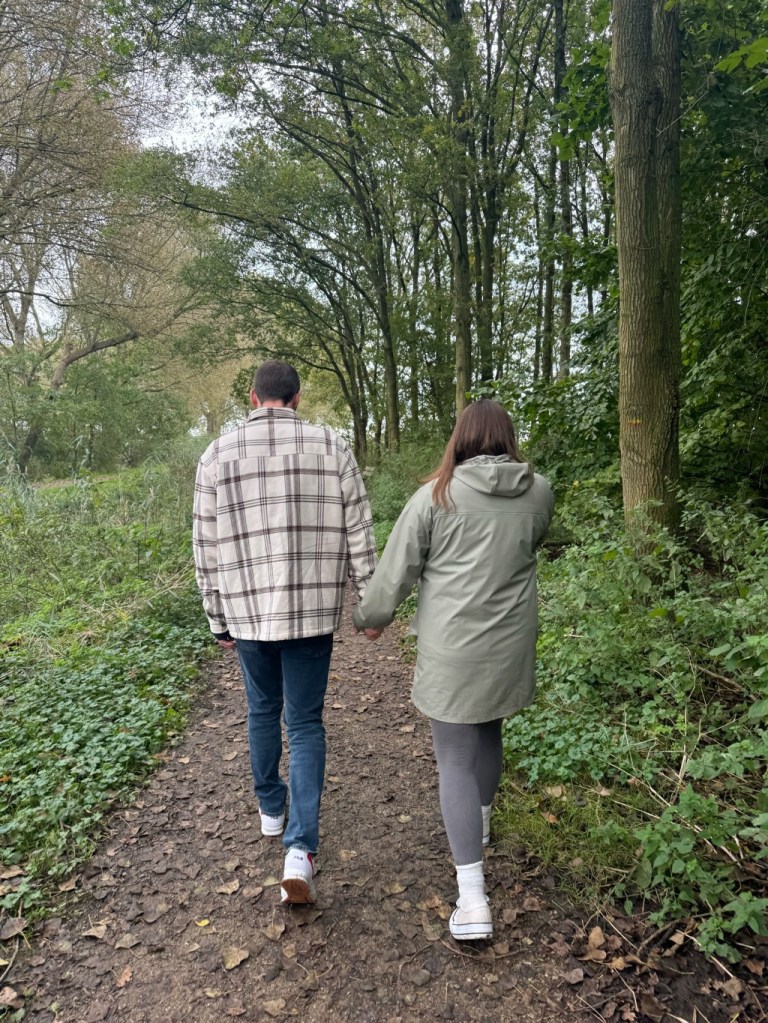
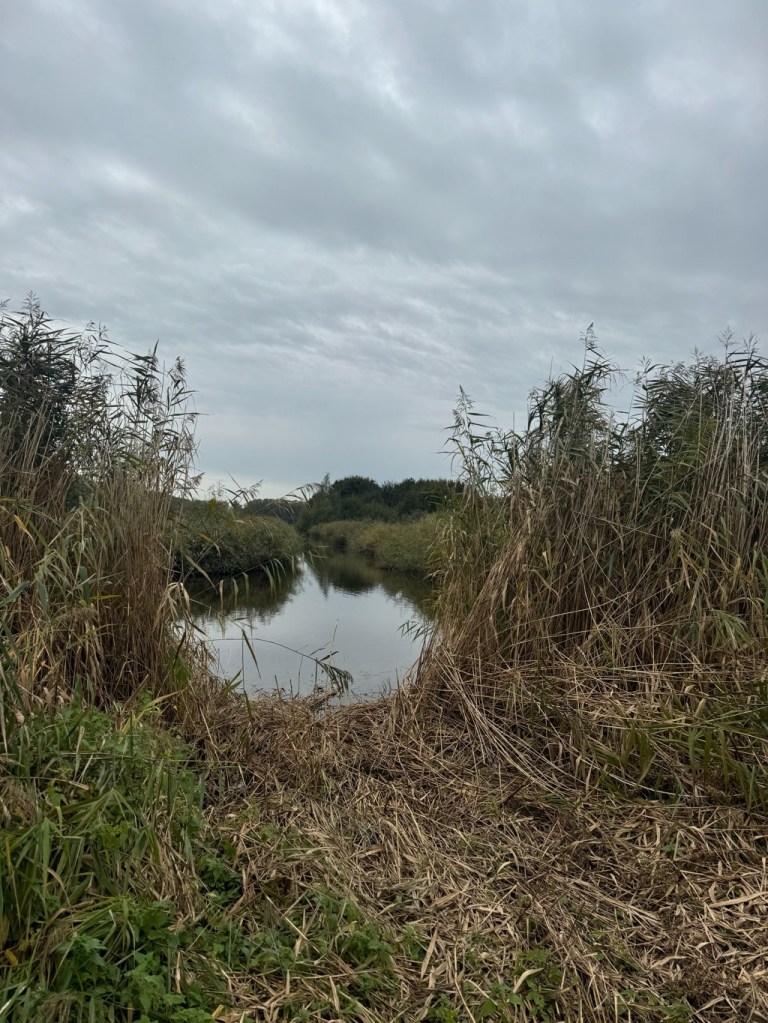
We spent a few beautiful days back at Pieter and Hannah’s. The weather was glorious and really warm for autumn so we went for some lovely walks in the nearby woods.
While we were back we kindly invited to attend a party to celebrate Pieter’s parents wedding anniversary and Wil’s (Pieter’s Mum) birthday.
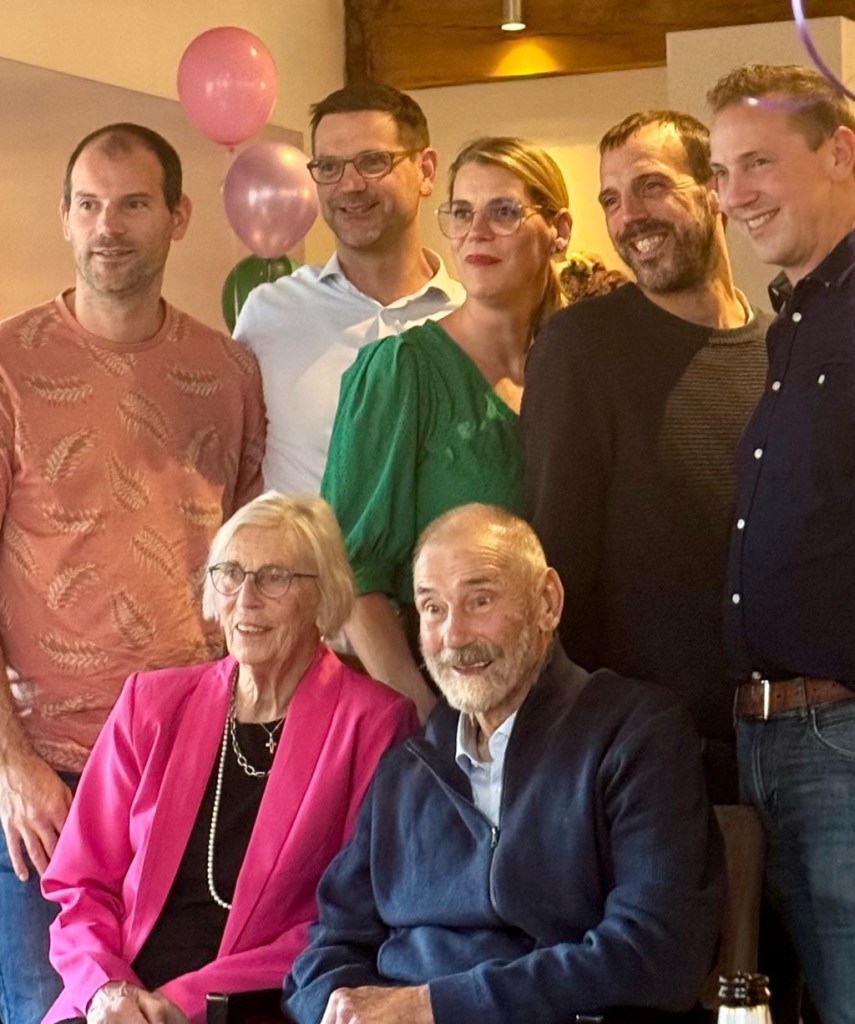
It was a fantastic get together with lots of family and friends in attendance.
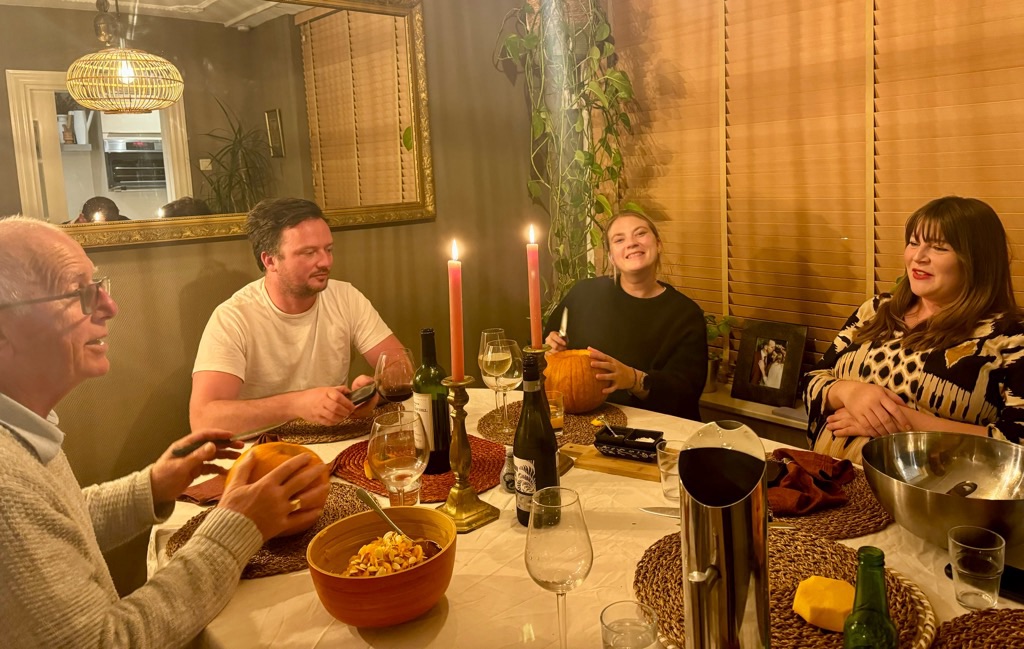
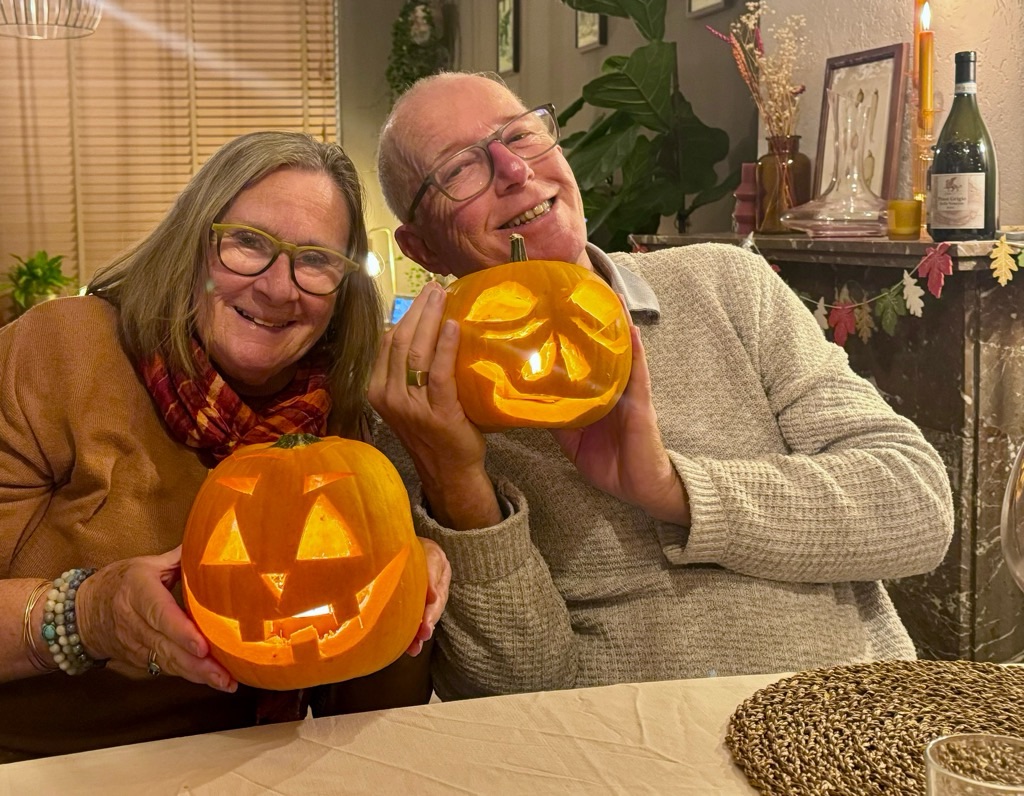
We also had a fun Halloween dinner at Hannah and Pieter’s with their great friends Rosa and Mike. We even got to carve pumpkin lanterns!


 Salty tales from Bali Hai on Sunday
Leave a comment