With the Israeli military campaign against Palestine in full force only less than 120 nautical miles (roughly 200 kilometres) away from the start of the Suez Canal, we were concerned that our voyage back to Australia on the Queen Elizabeth might be rerouted around the Cape of Good Hope in South Africa. Fortunately this didn’t happen but we did have a strong naval presence accompanying us as we transited the Canal, the Red Sea and the Gulf of Aden.
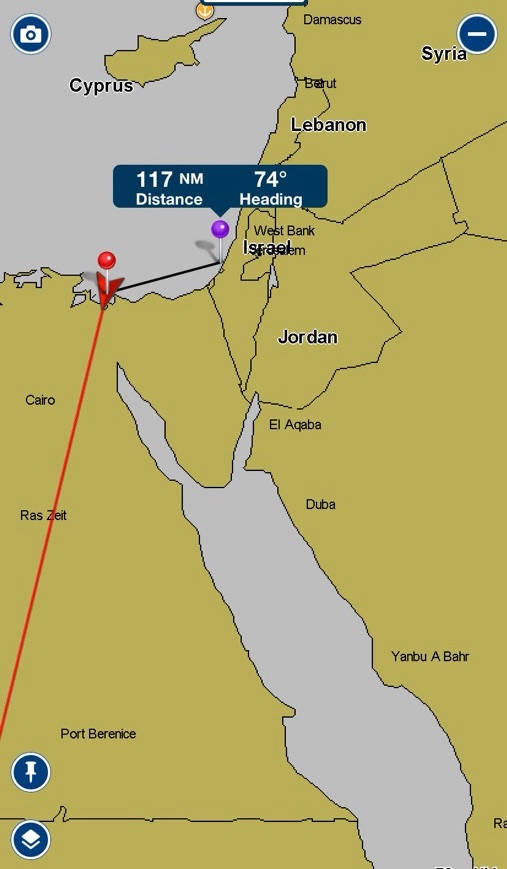
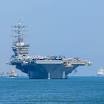
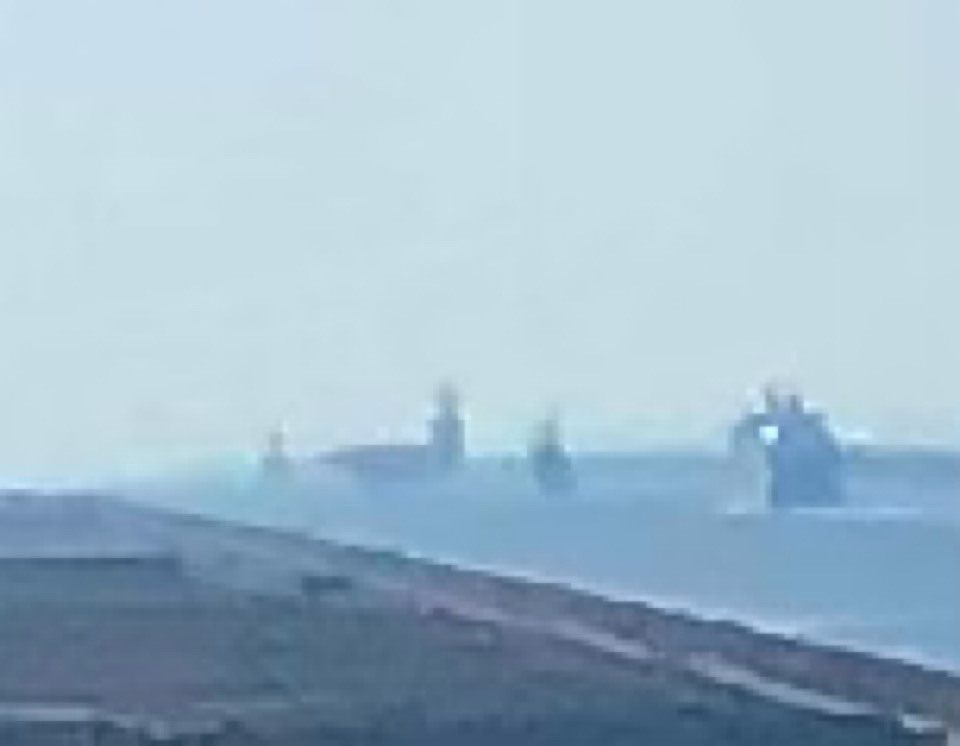
The aircraft carrier Eisenhower, the USS Philippine Sea and USS Mason led our convoy through the Suez Canal and stood by as we travelled towards Şafağa in Egypt.
It seemed that Cunard, the Queen Elizabeth’s operator, was equally concerned about another danger – the possibility of pirate attack in the Red Sea and in the Gulf of Aden.
Before arriving at the entrance to the Suez Canal all passengers received a letter from the Captain warning them that the ship would be passing through “areas well documented in the world’s media for conflict and piracy”.
The letter went on to outline the precautions that the shipping line would take while we were in these areas including the closure of all outside deck spaces from sunset to sunrise and the ship “going dark” at these times which meant all passengers had to close their curtains and switch their lights off when not needed.

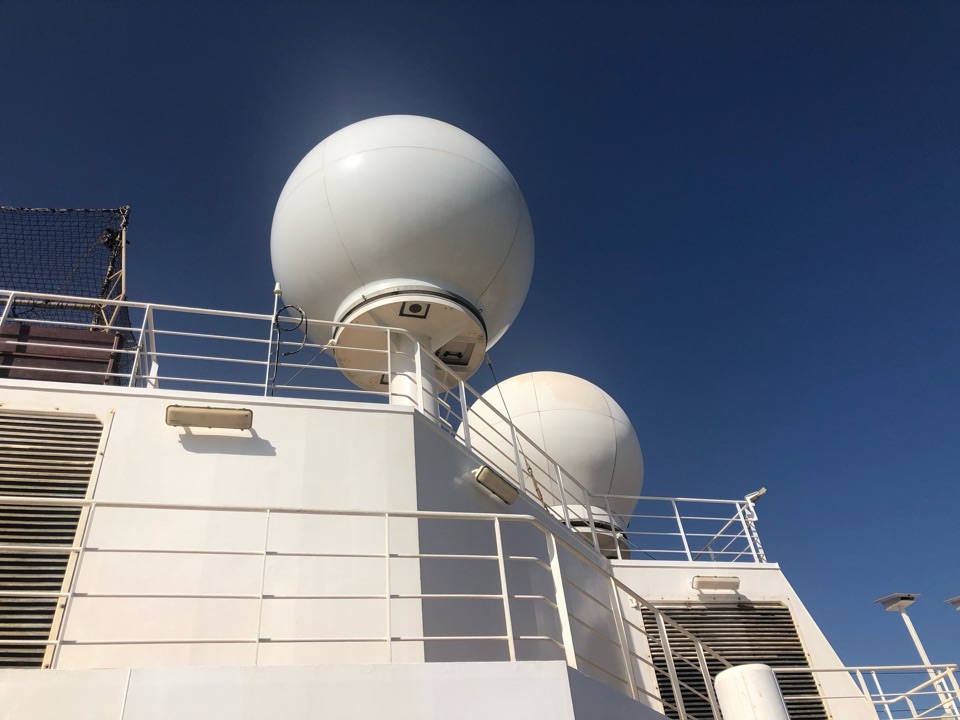
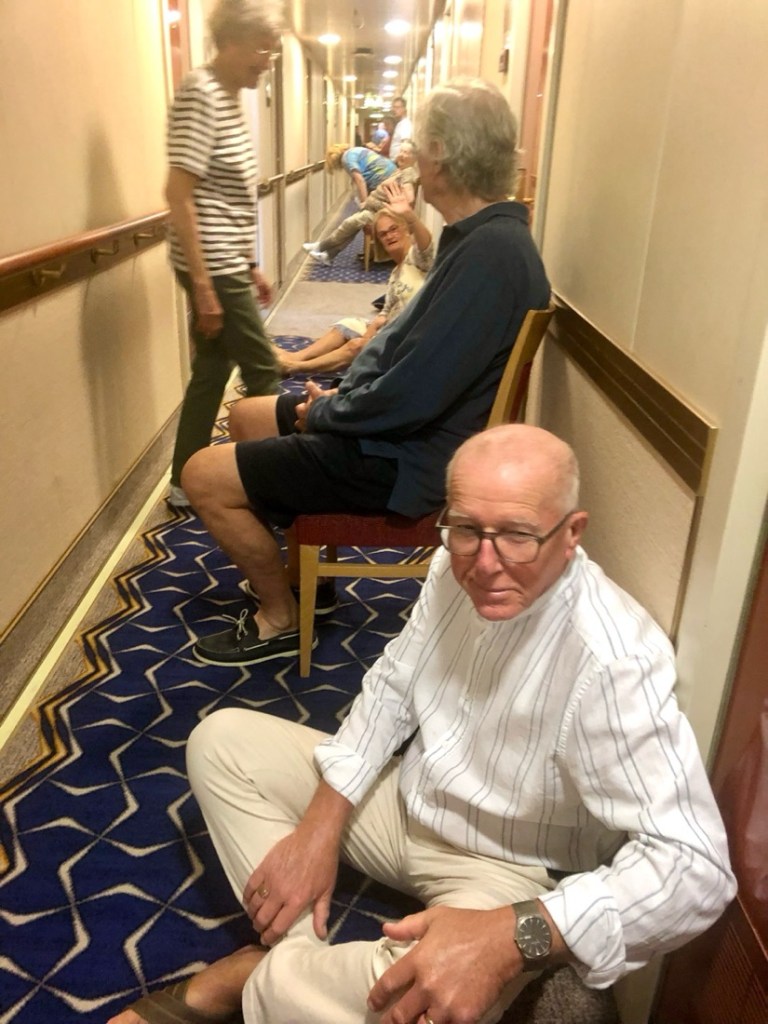
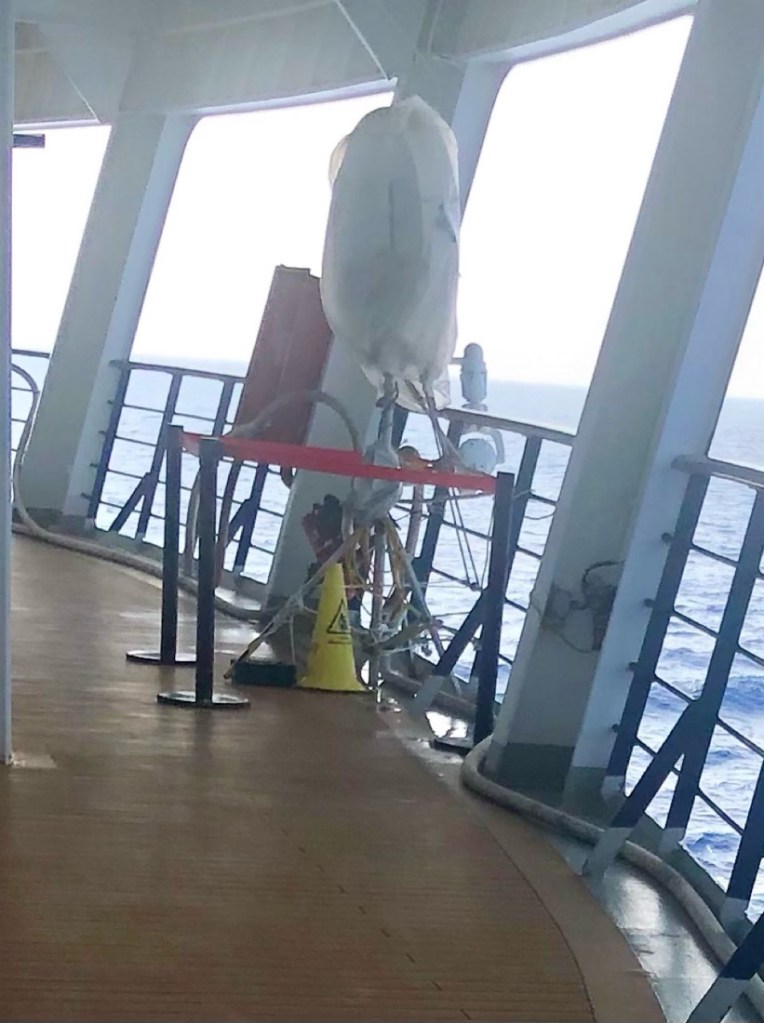
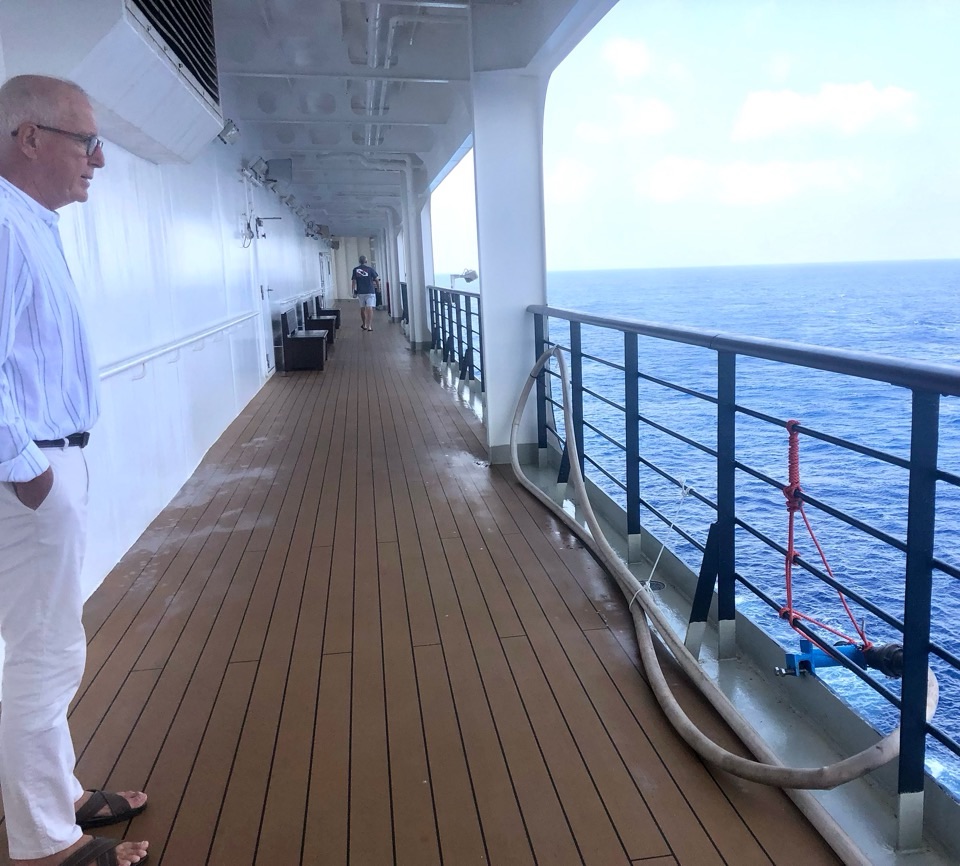
In addition, the letter informed us that we had to participate in a drill “in the interests of your personal safety and security “. This involved everyone returning to their stateroom (cabin) when the alarm sounded and sitting outside their rooms in the corridor while the staff went through their emergency procedures and tested the safety equipment that had been set up (high power hoses and LRAD (sonic devices mounted on each side of the promenade deck to disorient attackers.). Armed look outs with night vision binoculars would be on patrol 24 hours a day during our passage through the “danger zone”.

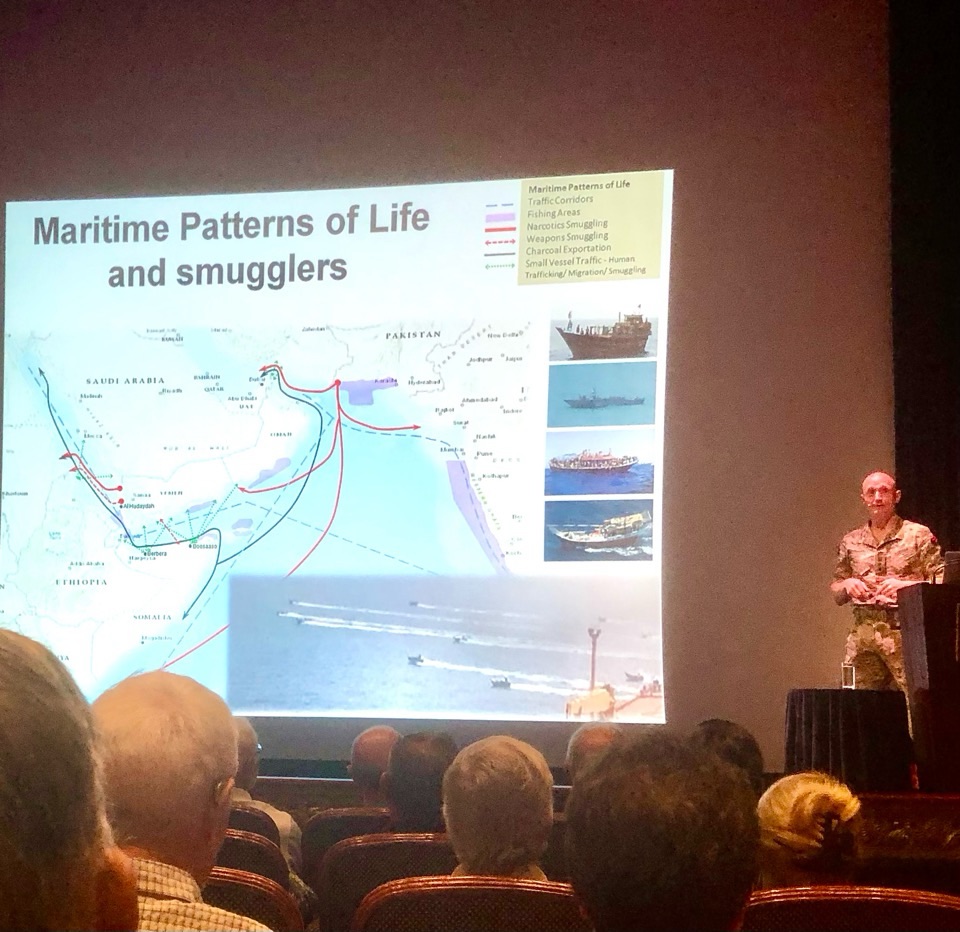
We were also encouraged to attend a lecture given by RNLO Colonel Aldeiy Alderson RM about military operations and organisation in the piracy region.
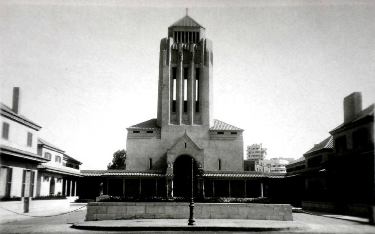
The transit through the Suez Canal was quite an experience for me because I had lived in Egypt as a small child and possibly would have spent more years there had it not been for the Suez crisis in 1956 when Israel, the United Kingdom and France invaded Egypt in an attempt to regain control over the Canal.
Our family were on holiday in England when the crisis came to a head (except for my father who ended up in house imprisonment in Cairo cathedral) and we were unable to go back to our home again. Our family lost virtually all their possessions and had to start a new life back in England.
The Suez Canal extends 120 miles (193 kilometres) between Port Said in the North and Suez in the South, connecting the Mediterranean Sea to the Red Sea. This provides the shortest maritime route between Europe and the Middle East and of course, is why England and other countries were so keen to have control of it.

In normal circumstances an average of 400 ships pass through the canal each day but since our transit several commercial vessels have been attacked by Yemen’s rebel Houthi group using drones and missiles in the southern Red Sea. This has prompted many companies to suspend all Red Sea (and Suez Canal) shipping transits. We were indeed fortunate to get through!

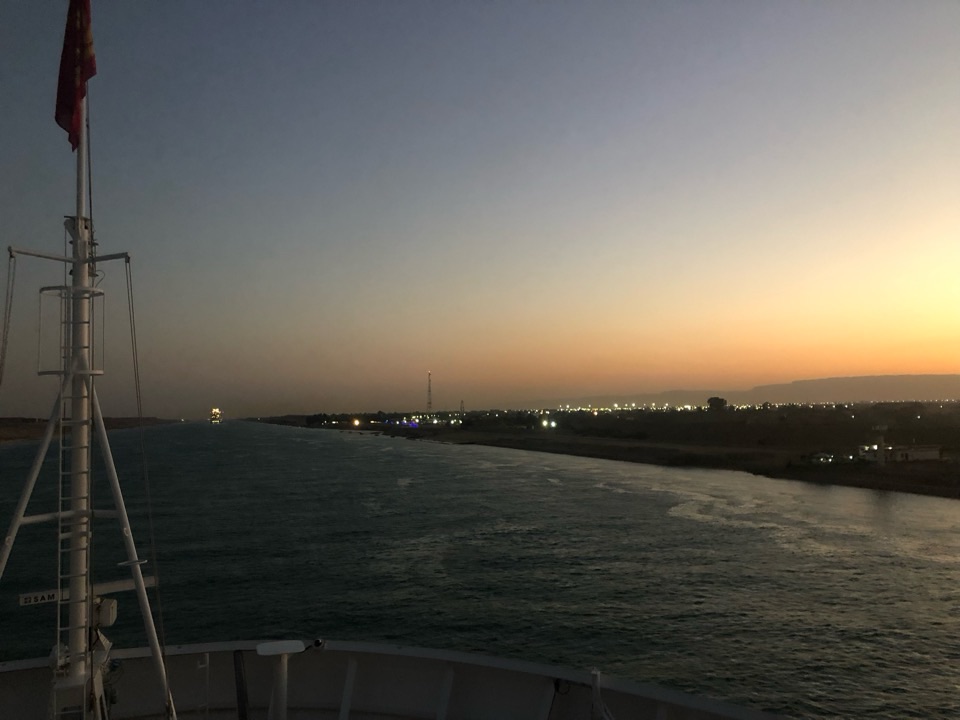
Before we transited through the Canal the Captain of Queen Elizabeth announced that the forward deck on the 8th level – which is usually used as the staff recreation area – would be open to passengers to view our progress along the Canal.
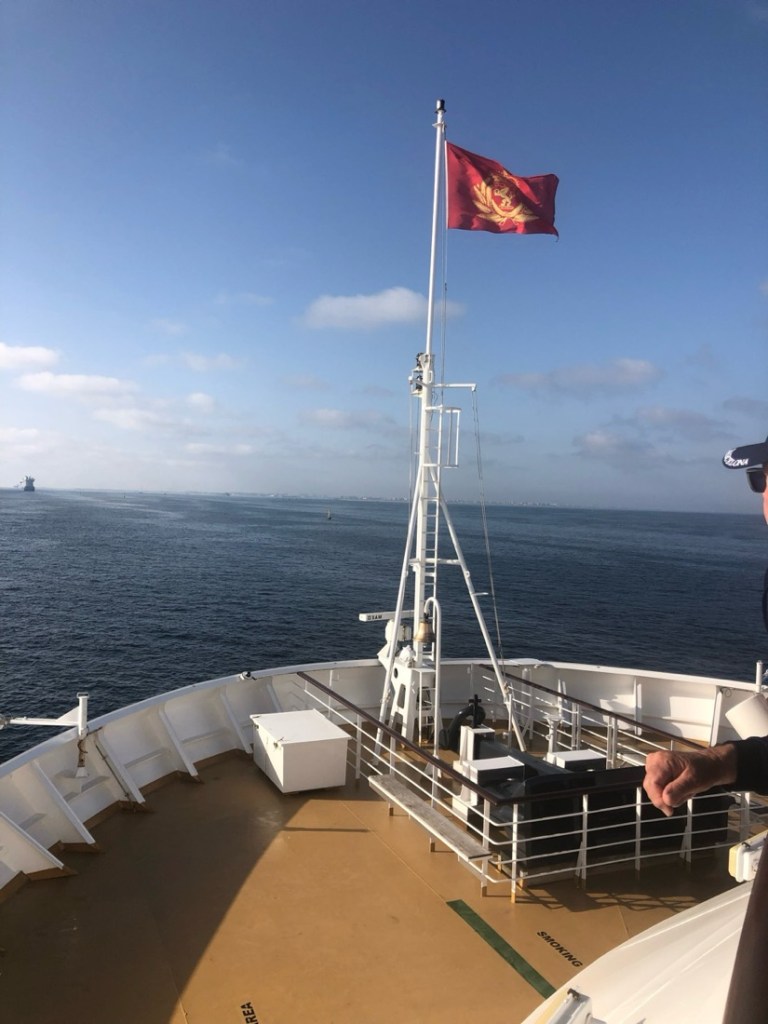
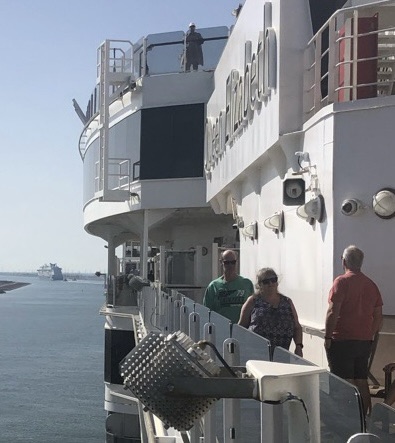
We therefore had a great view of the Canal and the other ships in our convoy – including another cruise ship called Celebrity Edge.
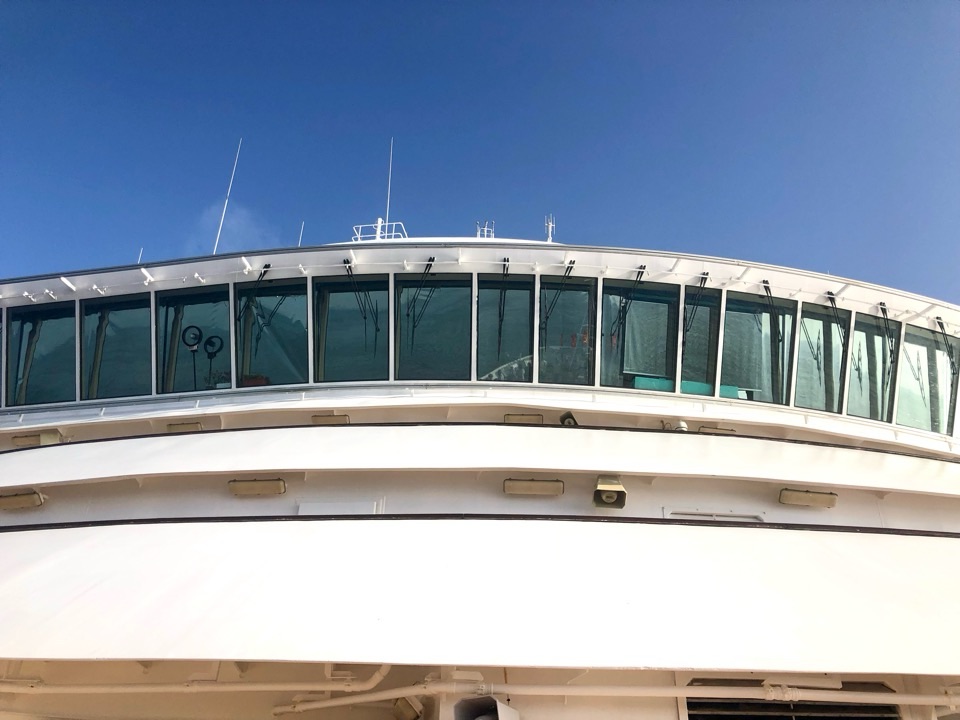

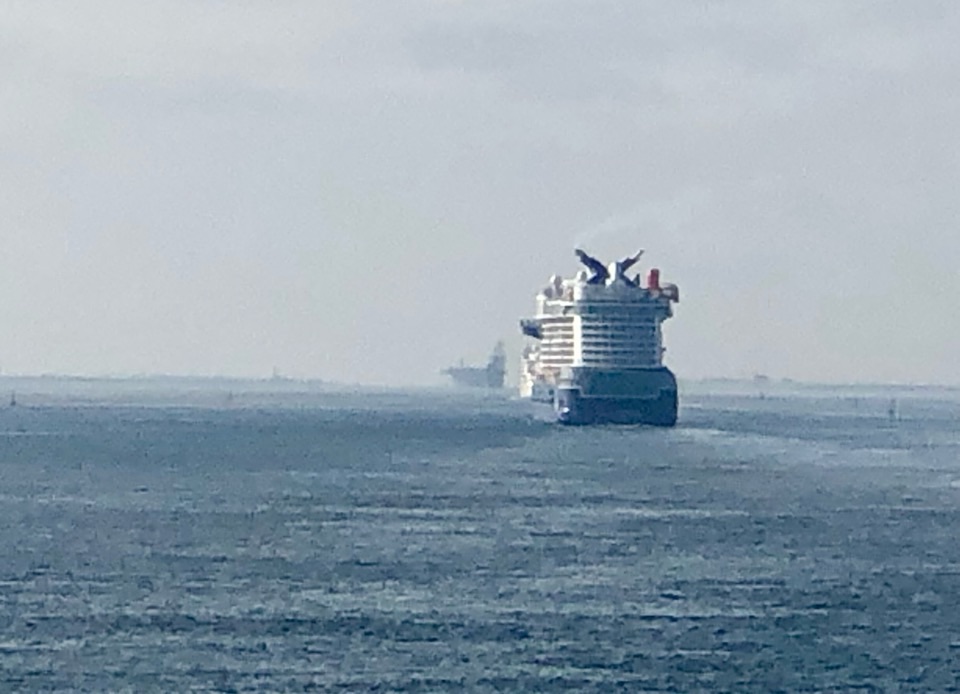
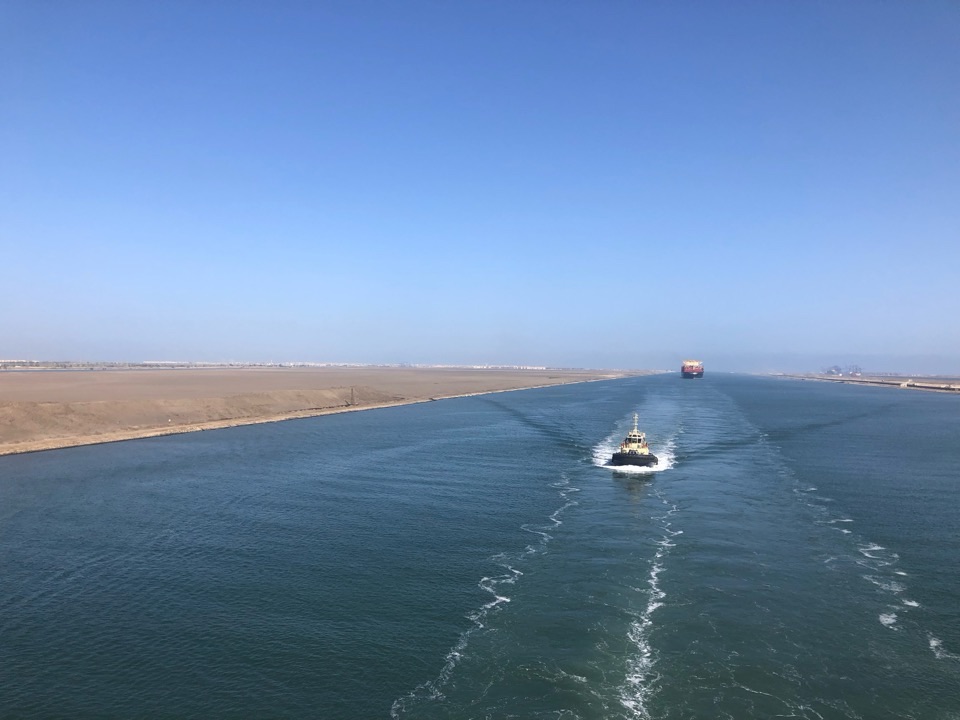
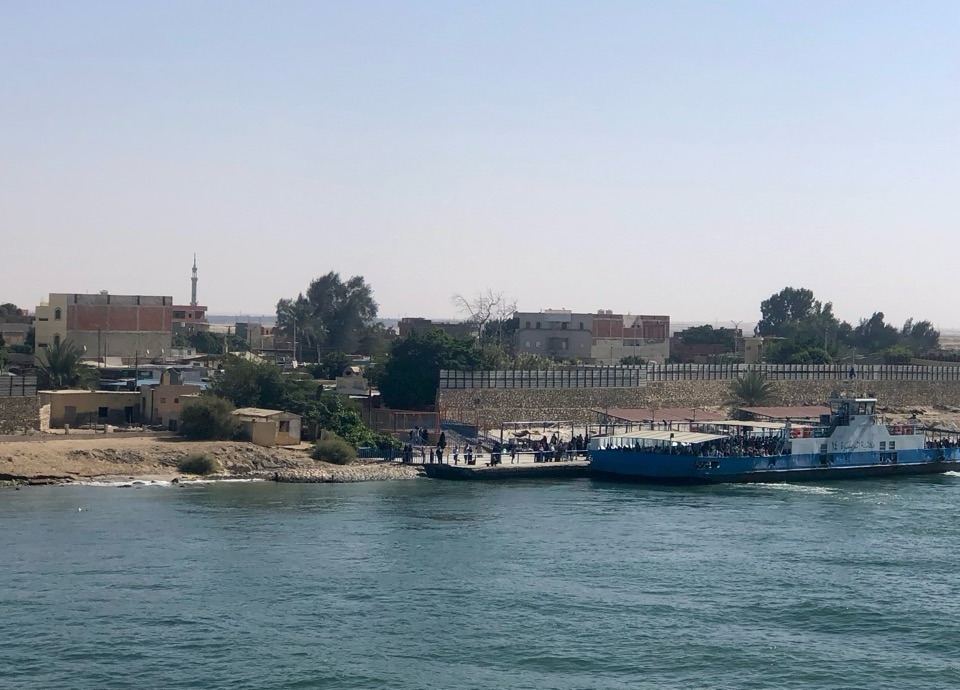
Along the route we saw mainly arid desert to the east and palm trees, greenery, docks and the occasional town to the west.

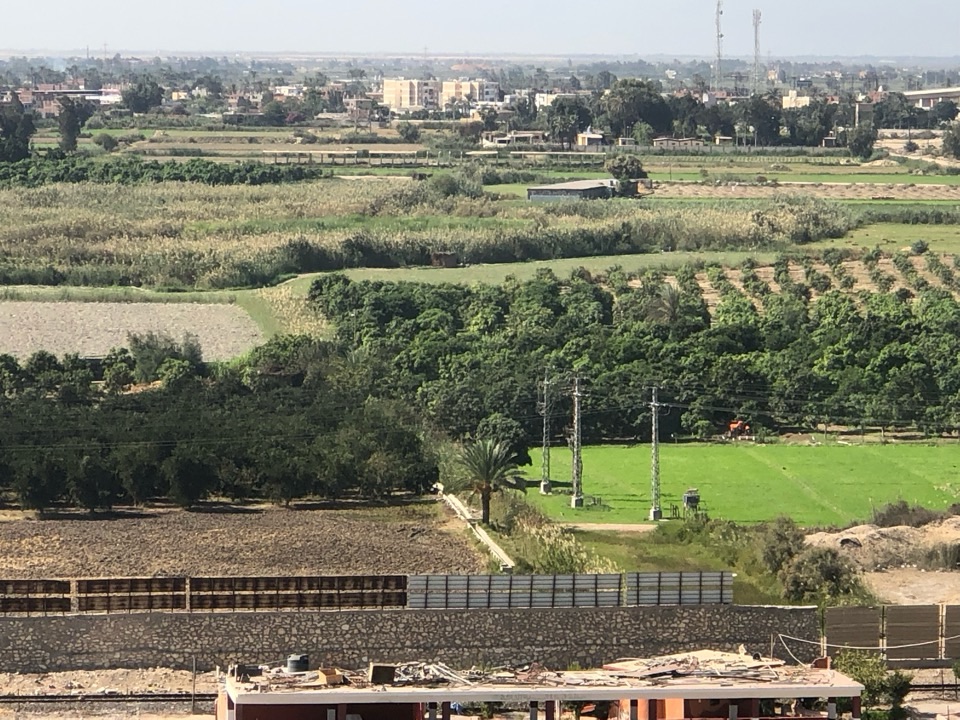
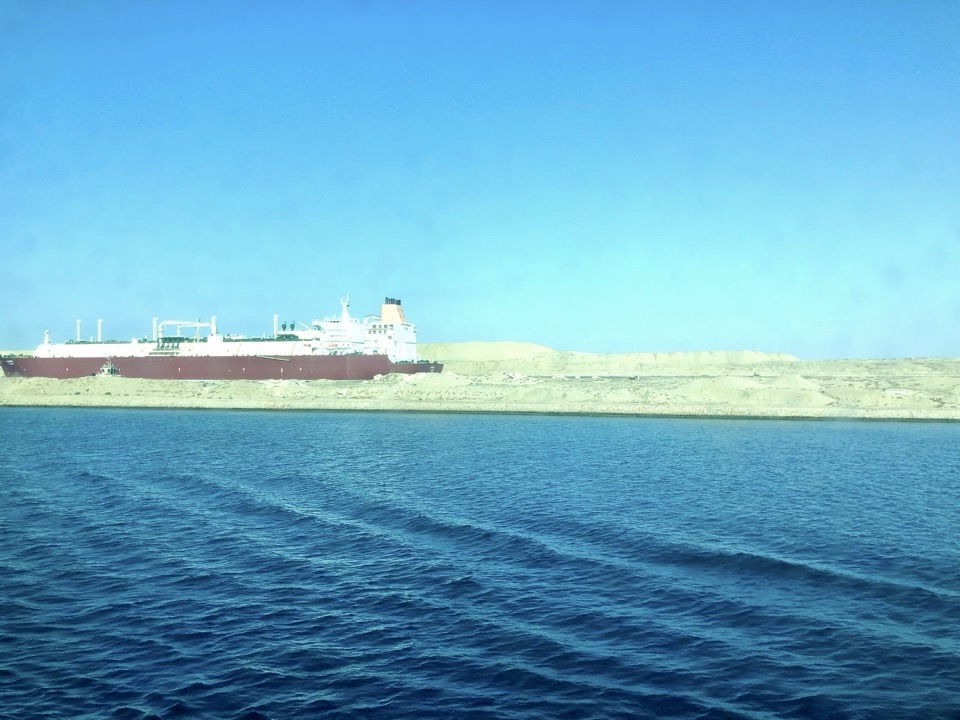
At one point we thought we were seeing things when we noticed another vessel floating on what looked like land! We later discovered that in 2015 a new 35-km (22-mile) expansion running parallel to the main channel was opened. The land in between made it look as though the vessel in the other channel was sailing through the desert!

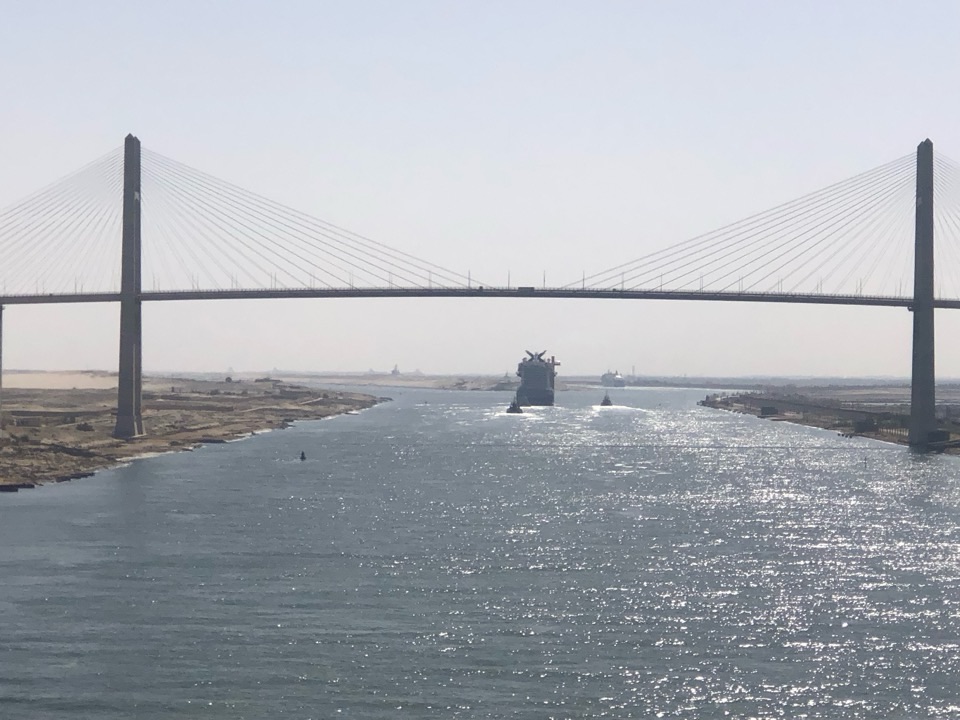
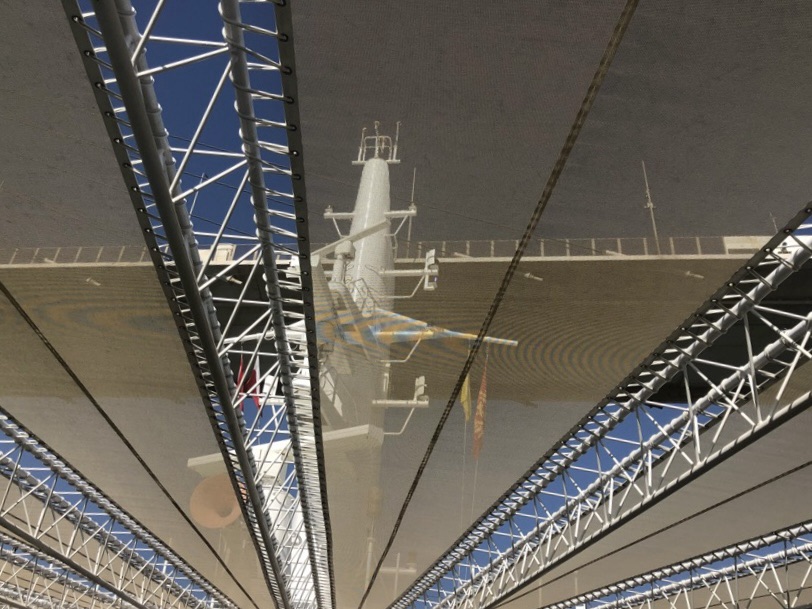
We passed under the Mubarak peace bridge which has a 3.9 kilometre span and saw a town close by called El Qantara City (Bridge City). Not long after, the sun began to set and after one last look from the bow of deck eight we got on with a normal evening aboard – dinner and a show. .
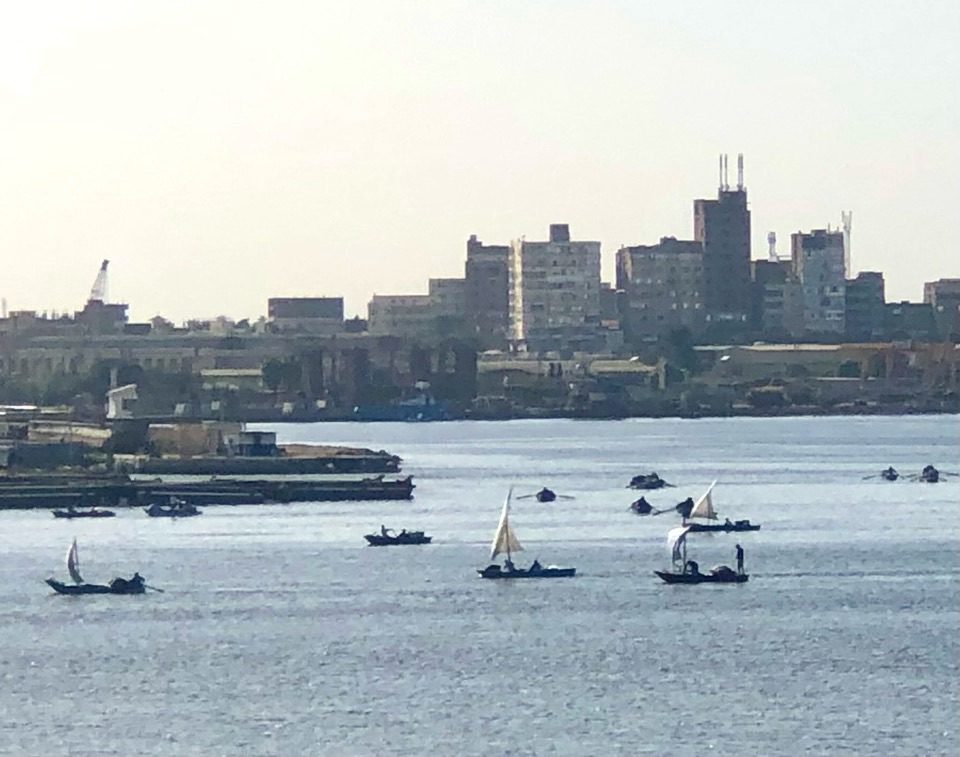

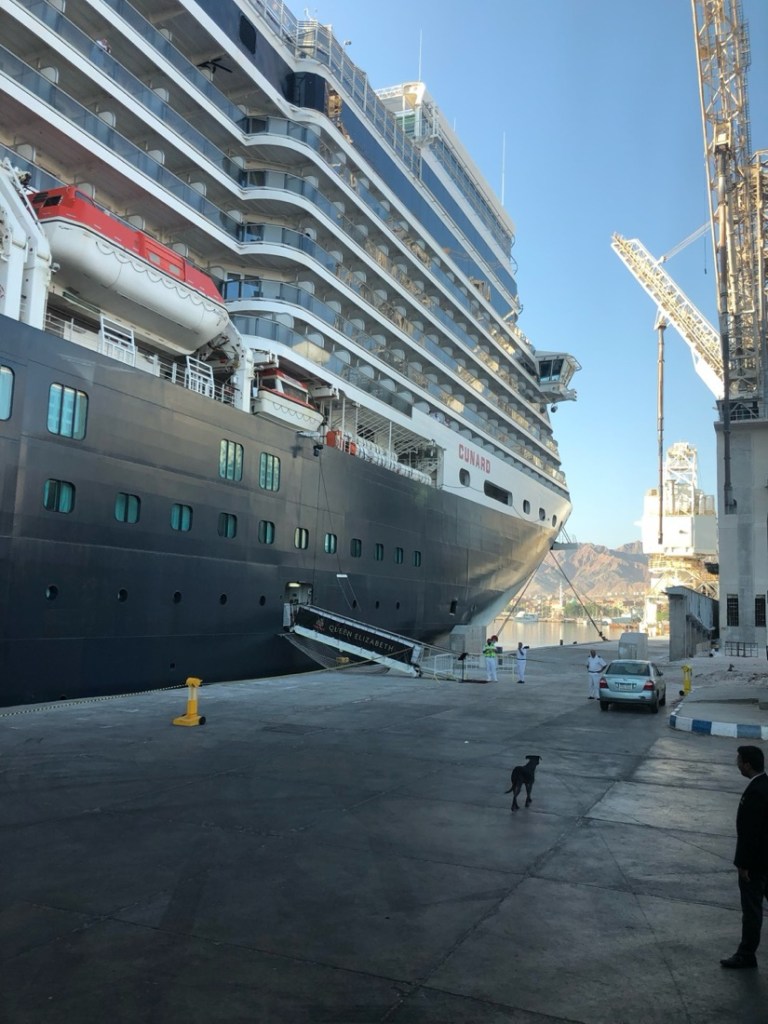
At dawn the following morning we arrived at the port of Şafağa in Egypt. Soon after our arrival we were up and dressed ready for what was to be one of the highlights of our trip – an excursion to the Valley of the Kings in Luxor and the Karnak temple!

 Salty tales from Bali Hai on Sunday
Leave a comment