The day trip to the Valley of the Kings and the Karnak Temple in Luxor was a real highlight of our voyage back to Australia on the cruise liner, Queen Elizabeth.
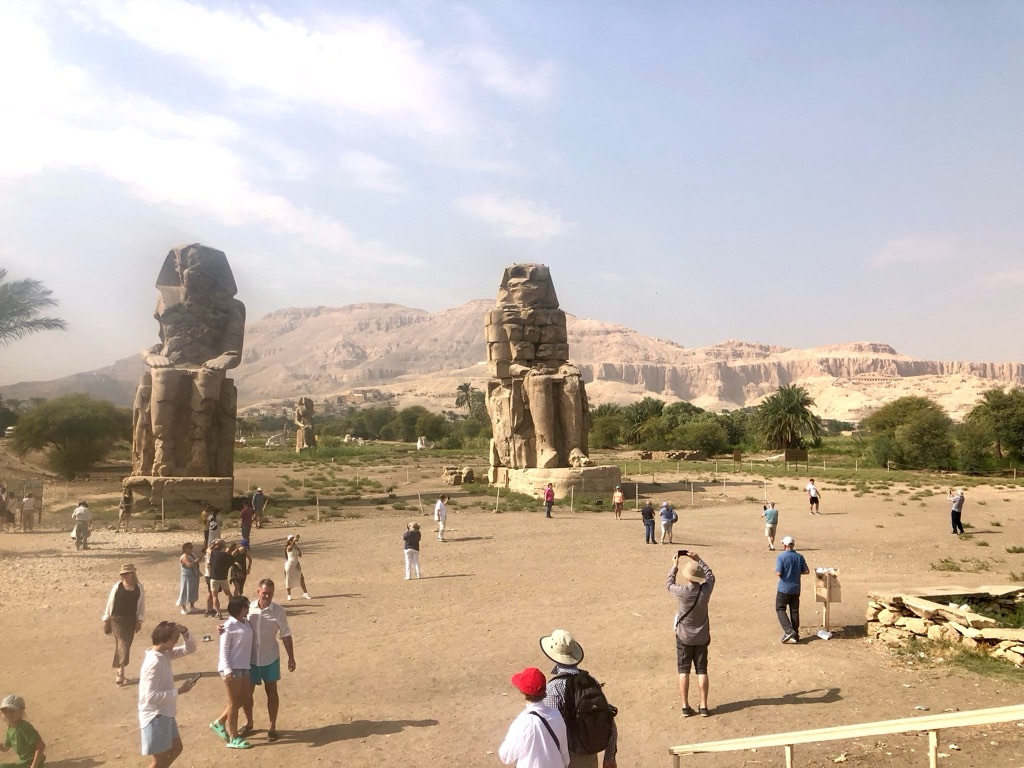
The downside was that there were hundreds of people on the same trip – we were on bus number seven and there were quite a few more buses after ours!
I have to agree with those people who complain about cruise ships turning up with hundreds upon hundreds of passengers at stunning cities or significant tourist locations. It’s just TOO MANY people!
Anyway, back to our day trip – there was a four hour plus journey to the Valley of the Kings, starting very early in the morning.
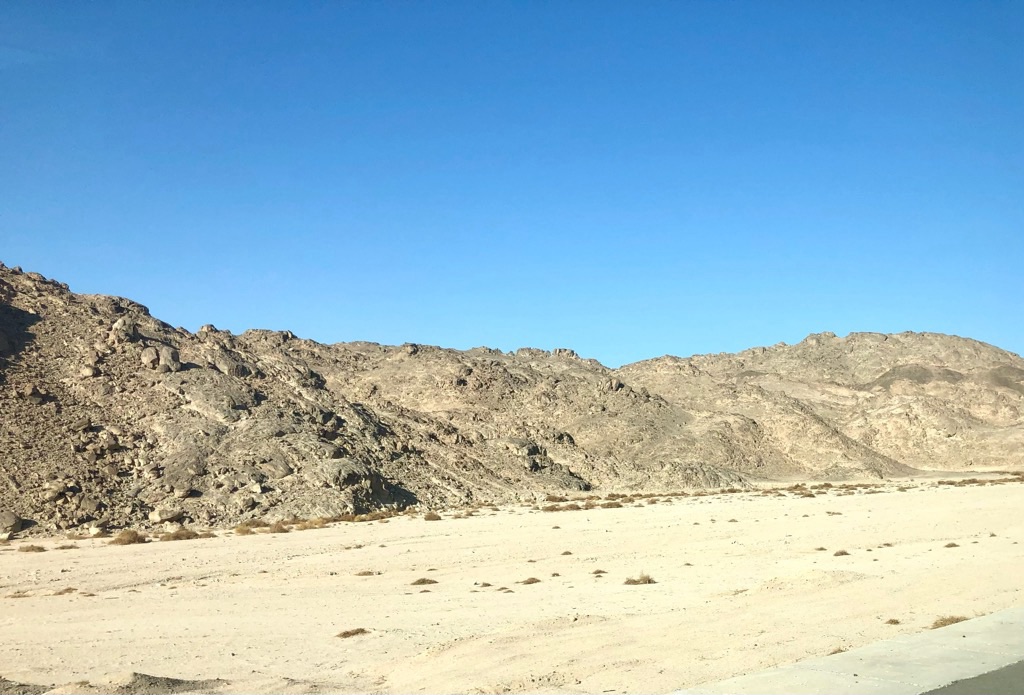
Valley of the Kings
While we made our way through mile after mile of desert, our guide kept up a steady stream of information about how the day would unfold, the history of the pharaohs and the rock cut tombs we were about to see.
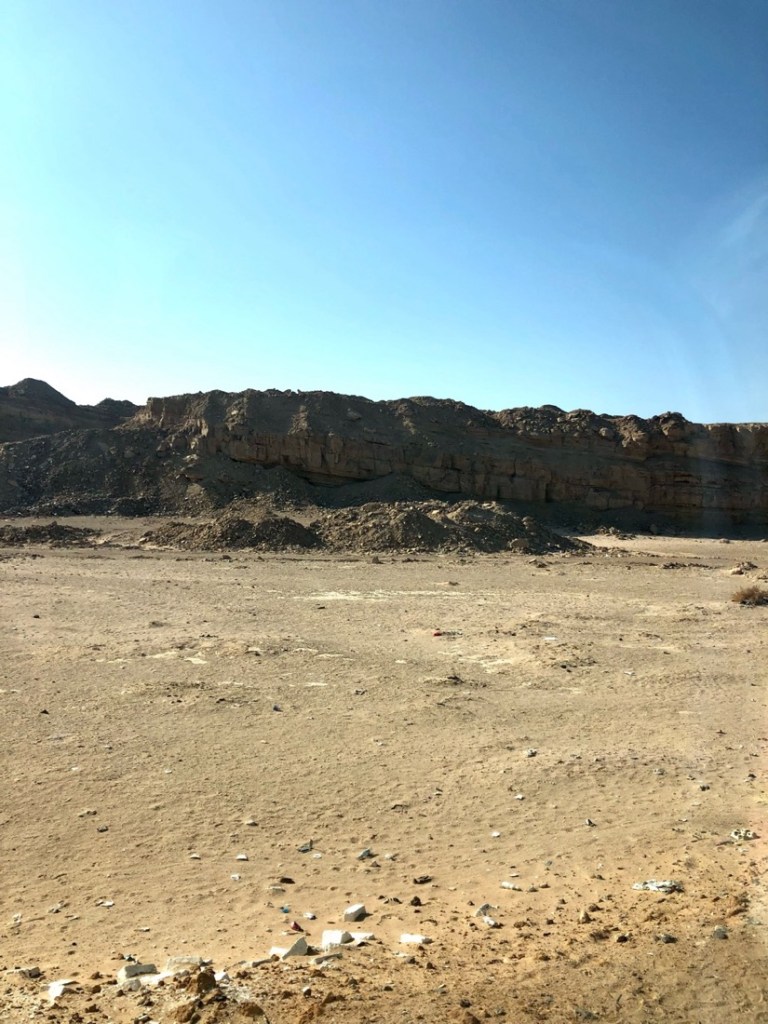
mile of desert
We went through several check points where armed guards seemed to be lounging rather than looking.
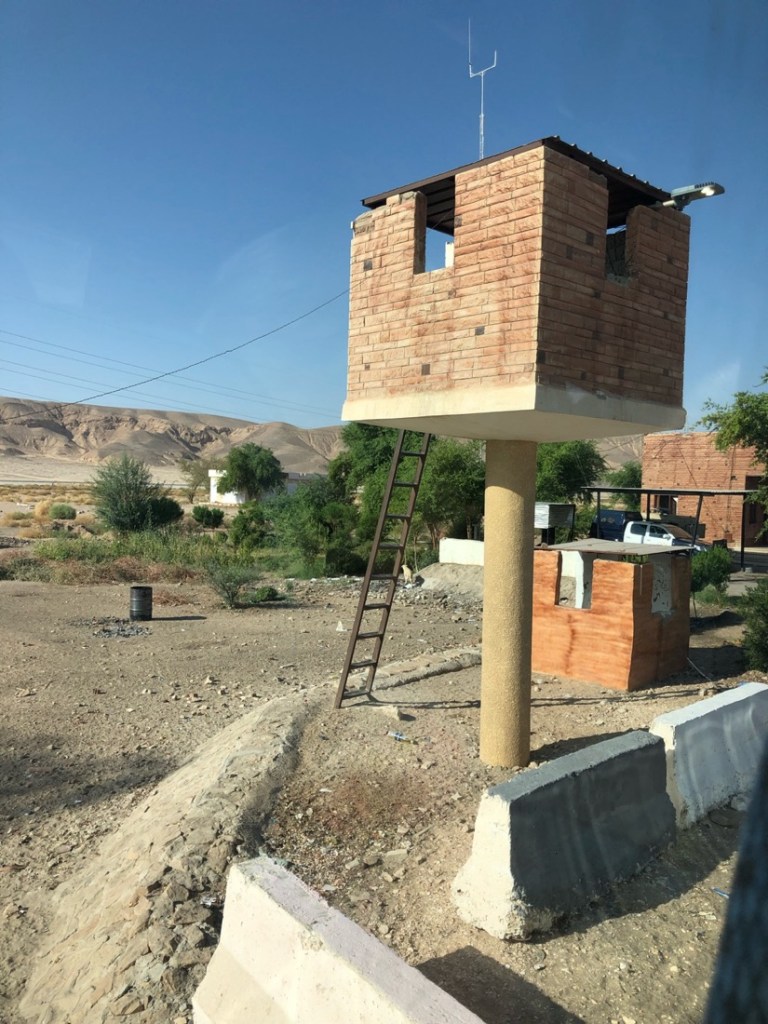
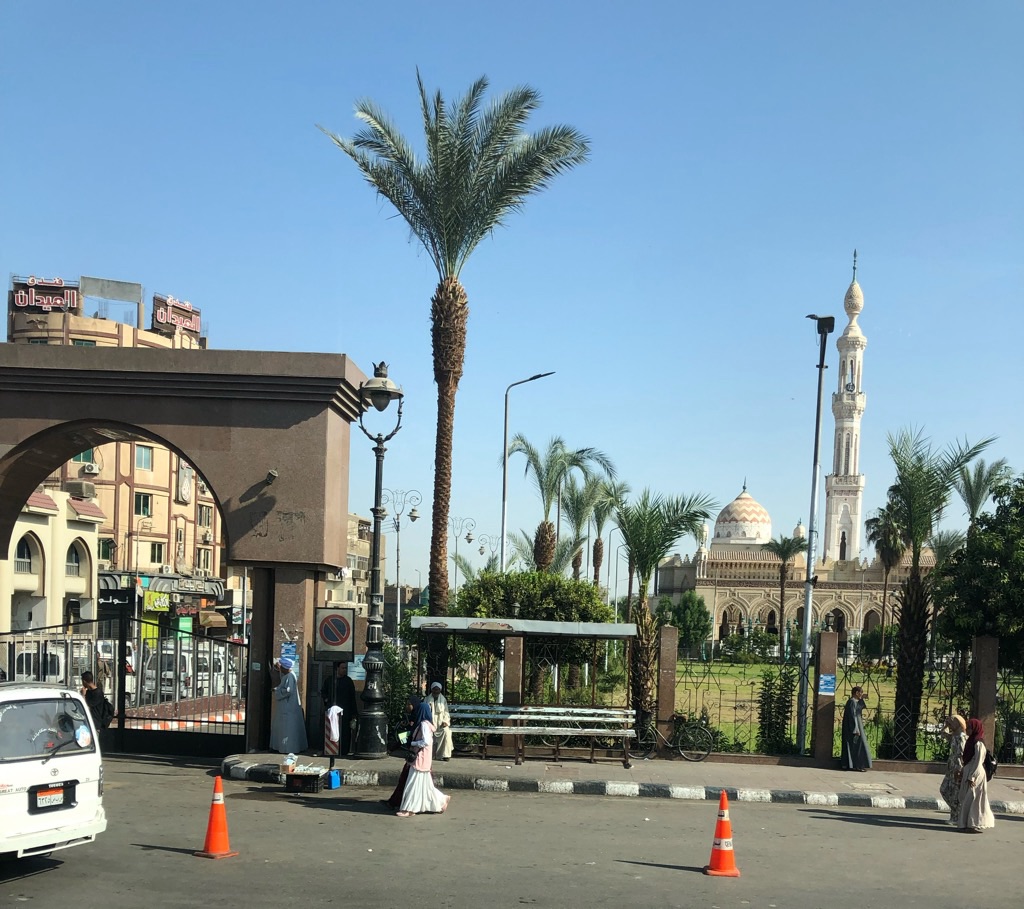
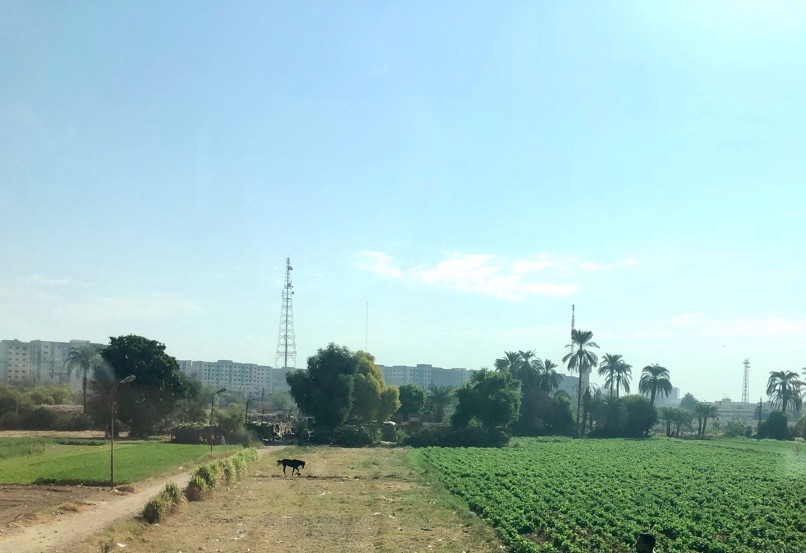
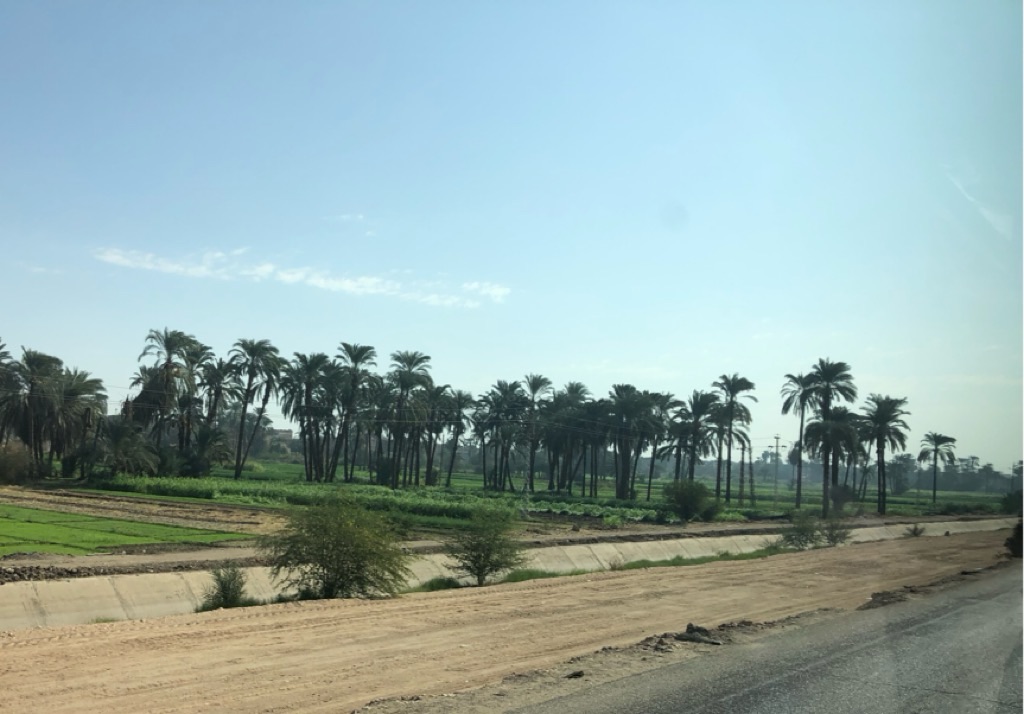
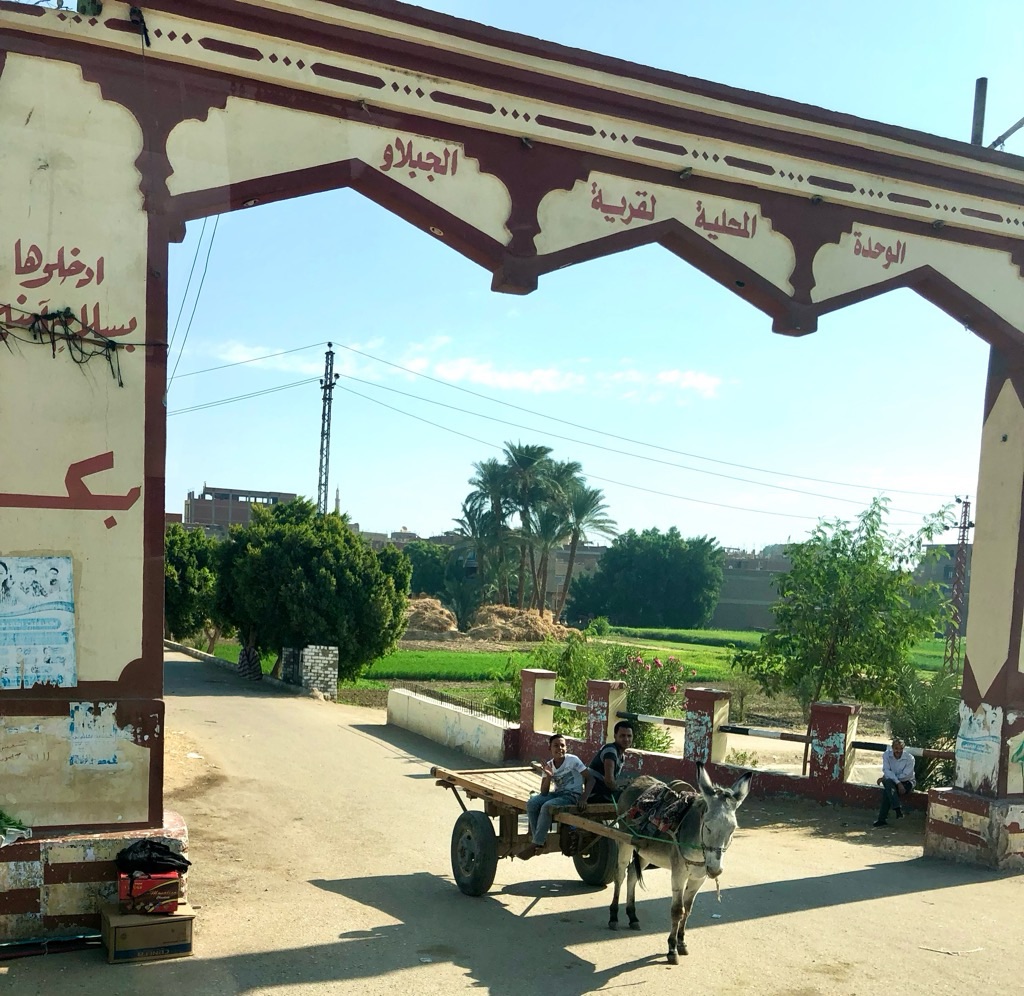
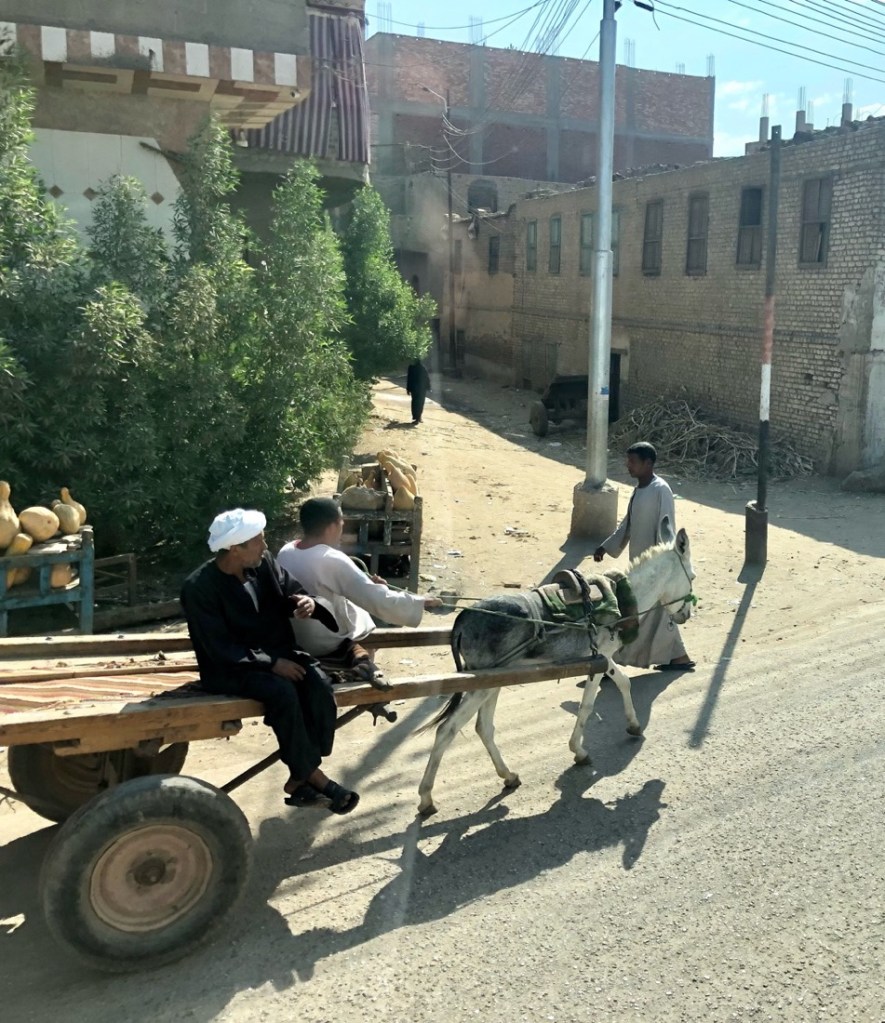
After a couple of hours we reached a pretty little town and on its outskirts we saw glorious stripes of verdant green where various crops were being grown, irrigated by a canal with water sourced from the River Nile. Such a contrast to the miles of desert sand we had driven through earlier.
By late morning we had arrived at the Valley of the Kings – where, for a period of nearly 500 years from around 1539 BC to 1075 BC, tombs were excavated in rock for Pharaohs and powerful nobles of ancient Egypt.
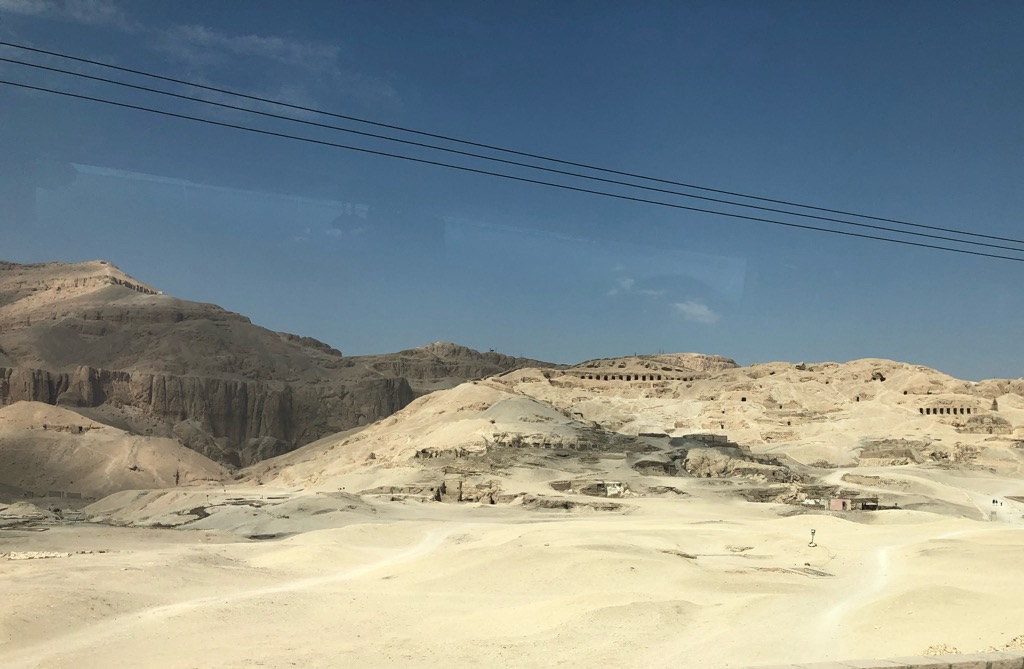
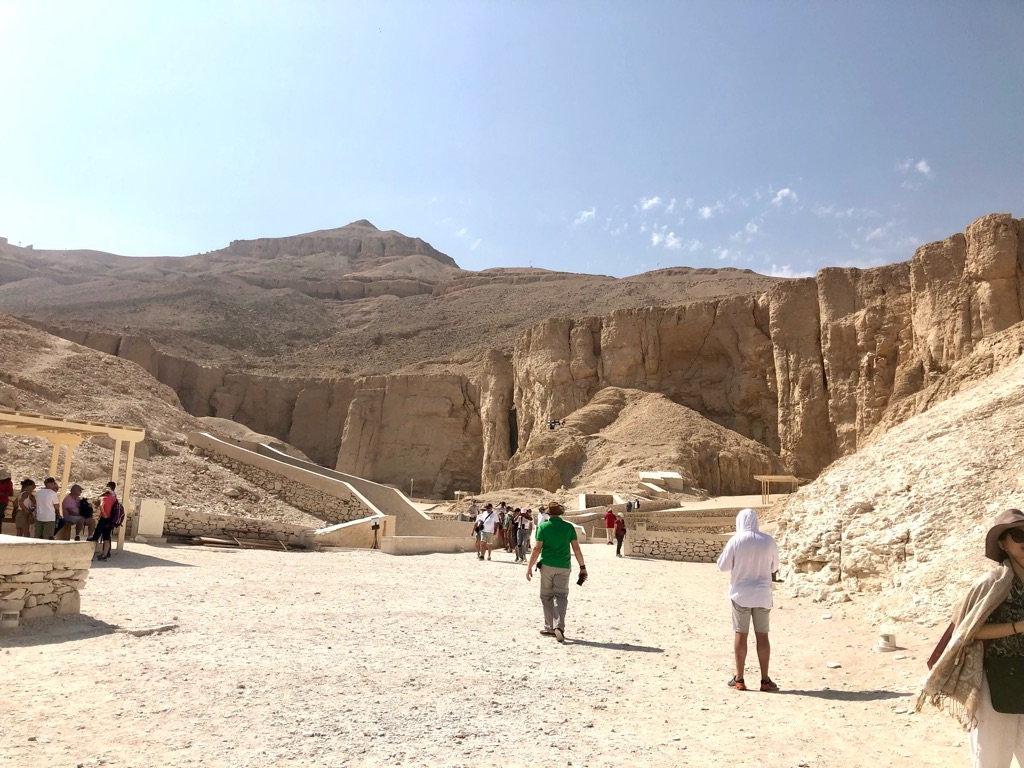
There are 65 tombs and chambers that have been discovered so far, ranging in size from a simple pit to the complex tomb that (KV5) which has more than 120 chambers for the sons of Rameses ll, the most celebrated, and most powerful pharaoh that ever ruled.
Only 18 of the tombs are open to the public and they are rarely opened all at the same time. To enter a couple of them (eg Tutankhamen’s tomb) visitors have to pay an extra charge.
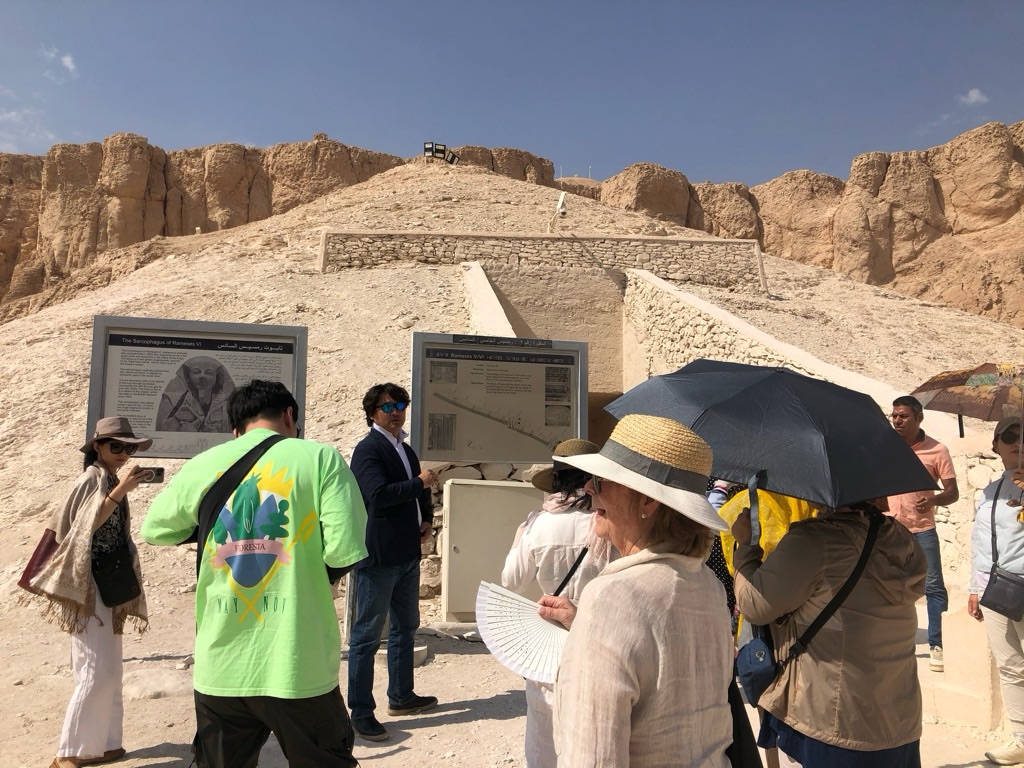
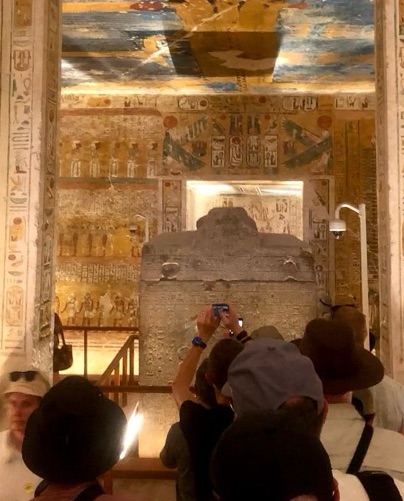
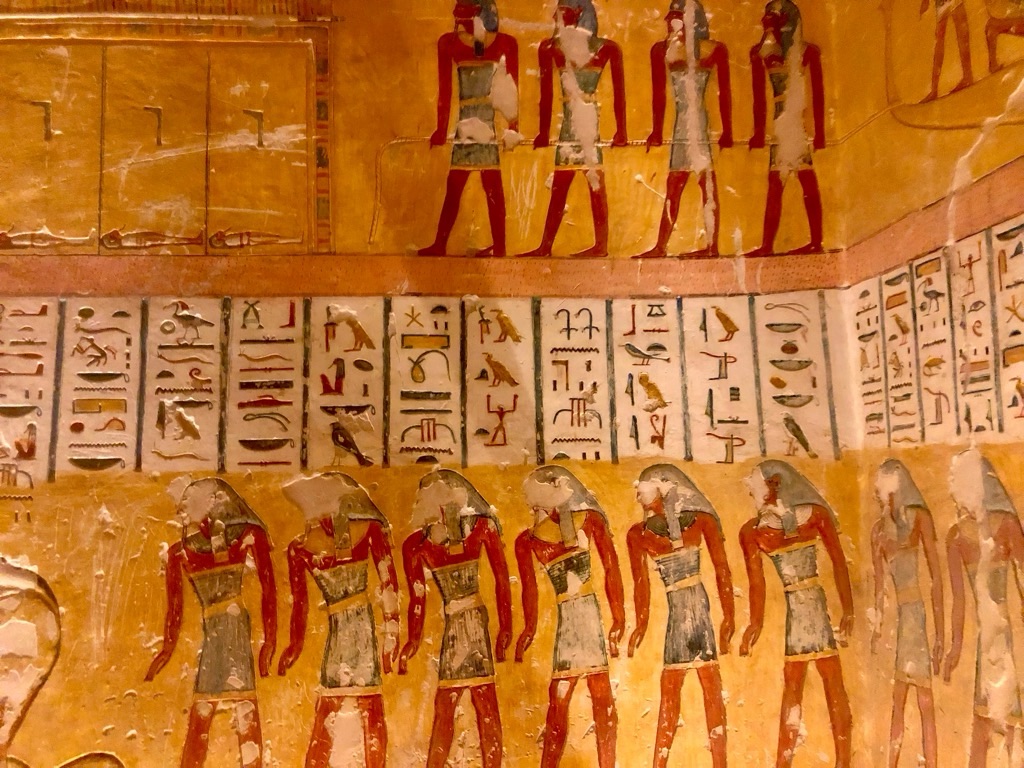
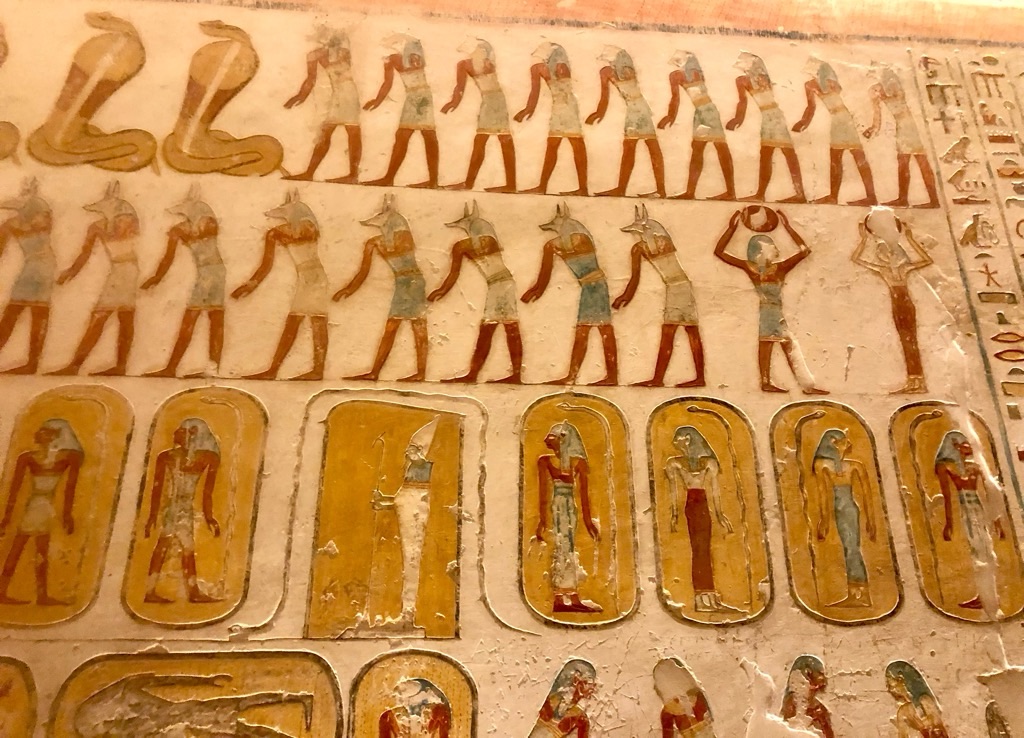
The royal tombs are decorated with traditional scenes from Egyptian mythology and reveal clues to the period’s funerary practices and afterlife beliefs.
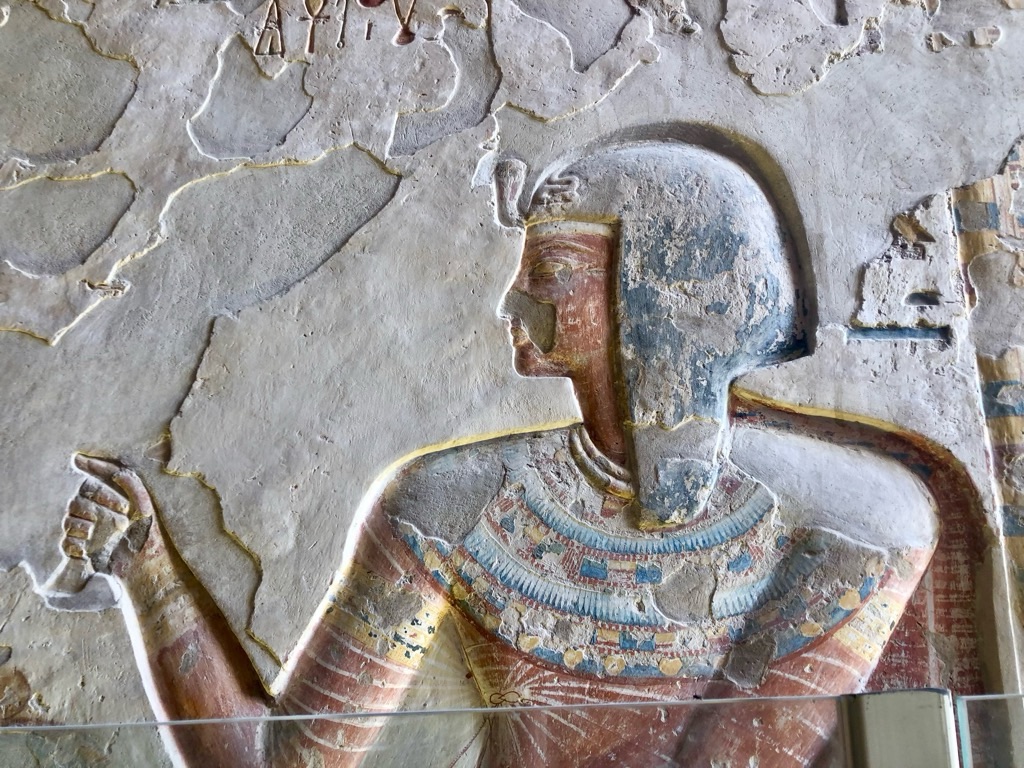
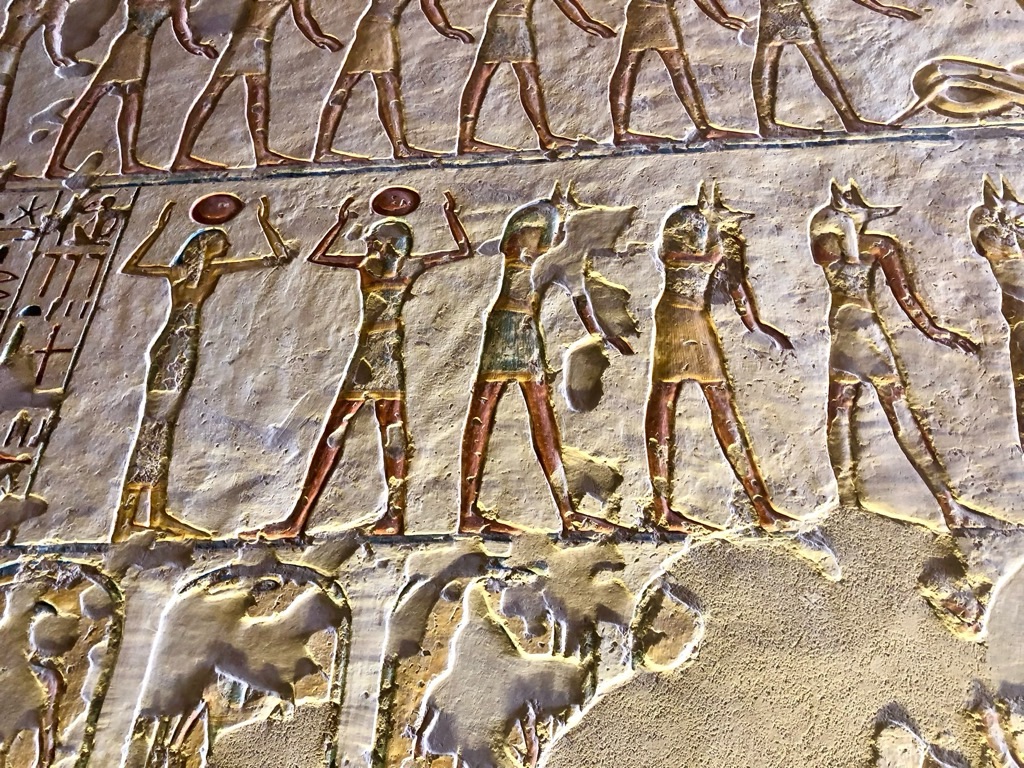
afterlife beliefs.
Even though most of the tombs were robbed in antiquity the richly coloured and strikingly beautiful decorations allow you to imagine the opulence of the tombs and the power that the pharaohs who were buried there must have wielded.
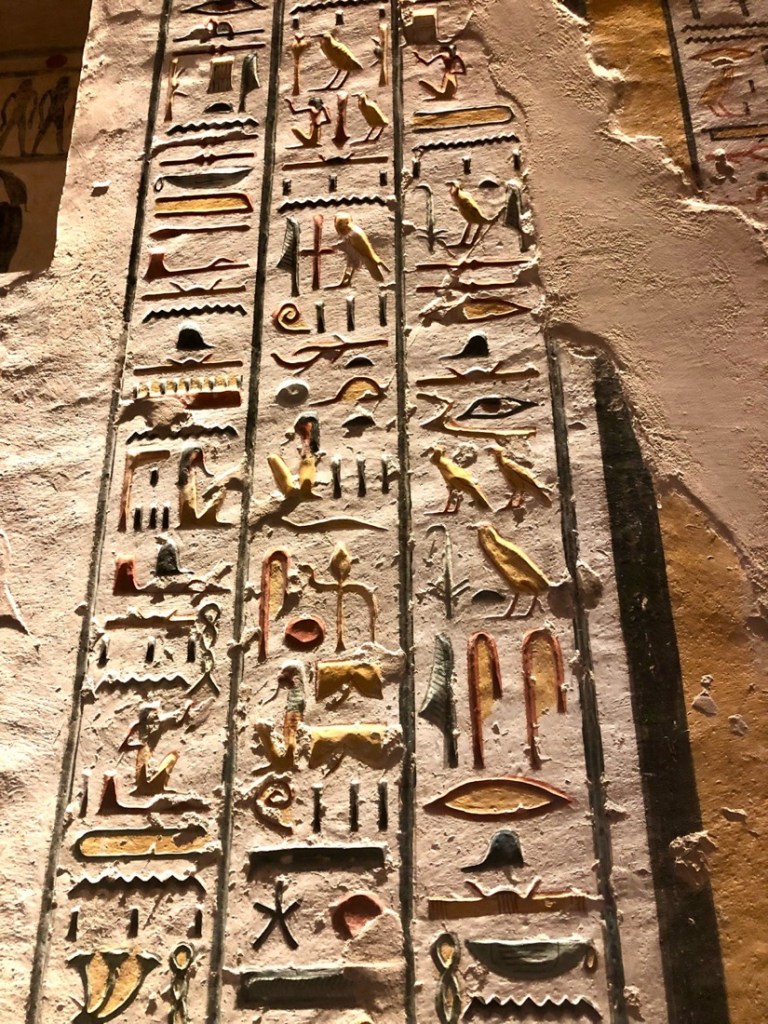
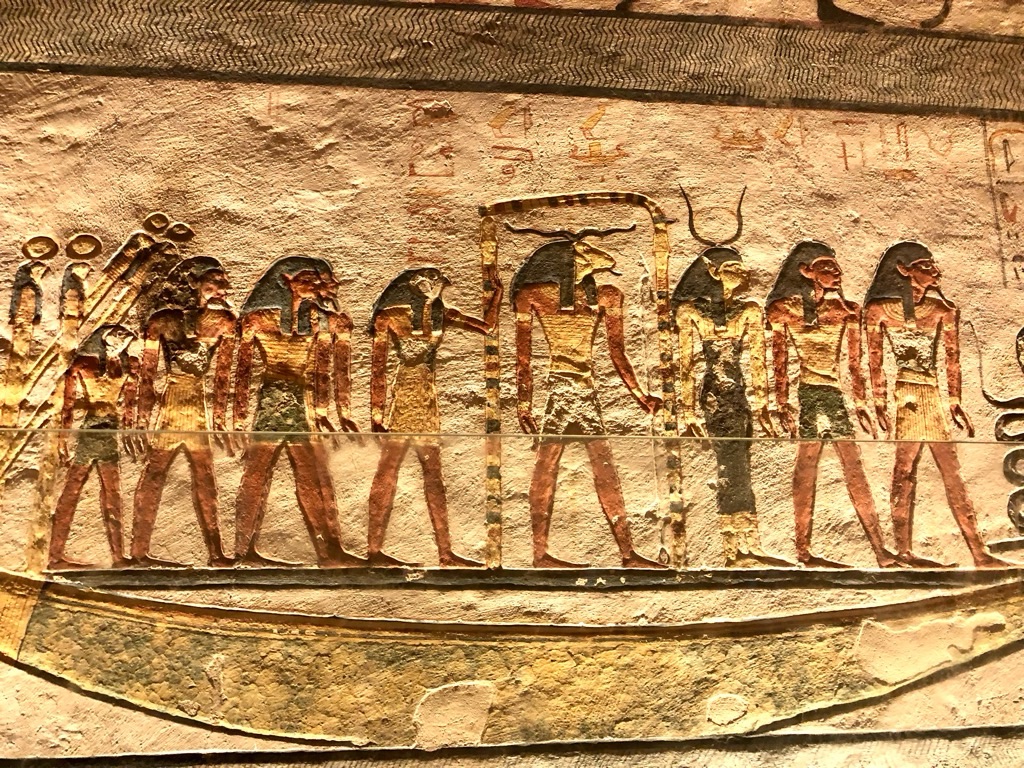
We only had time to see a couple of the tombs and it was quite a challenge to keep going with the tour as it was unbelievably hot and the tombs were jam packed with people. I hate to think what would have happened if someone had yelled “fire” as there was one way in and one way out.
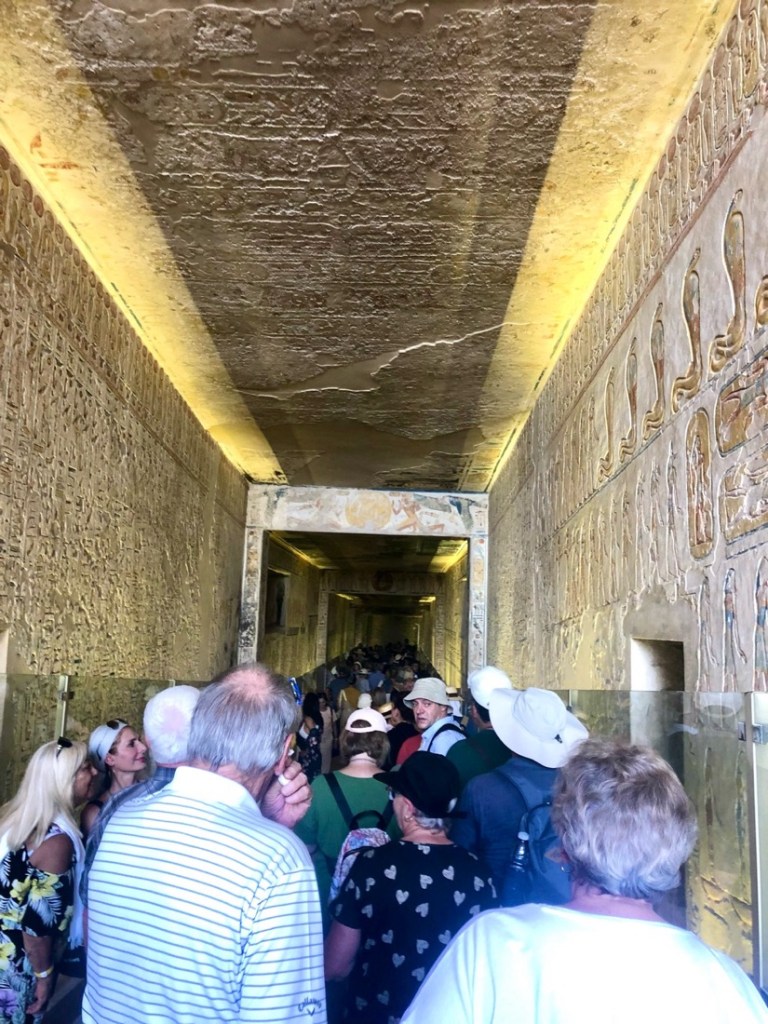
The crowds and the heat and the sense of claustrophobia were too much for some poor people and they had to fight their way out again and squeeze past those who were on their way in and blocking the exit in an attempt to gain a little more precious space.
Despite the hoards of people and the intense heat the tombs were definitely worth seeing – I think the photos speak for themselves although the colours were richer in real life!
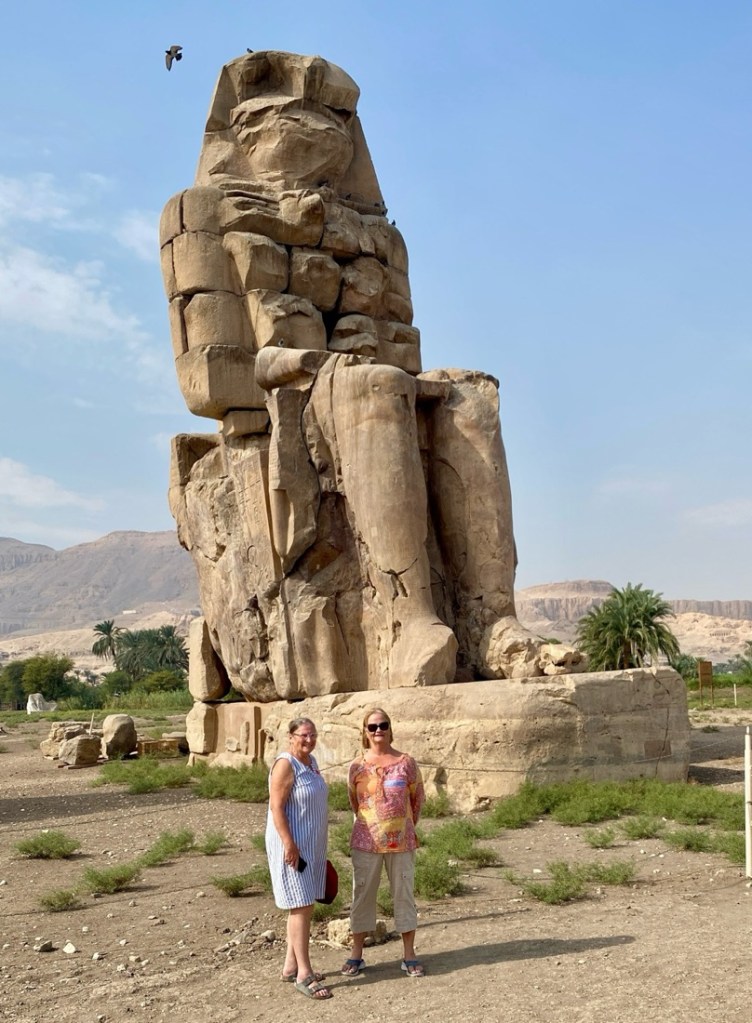
From the Valley of the Kings we went to the Colossi of Menüm – just a ten minute drive away. The Colossi are two massive stone statues of the Pharaoh Amenhotep lll which stand at the front of the ruined Mortuary Temple of Amenhotep lll.
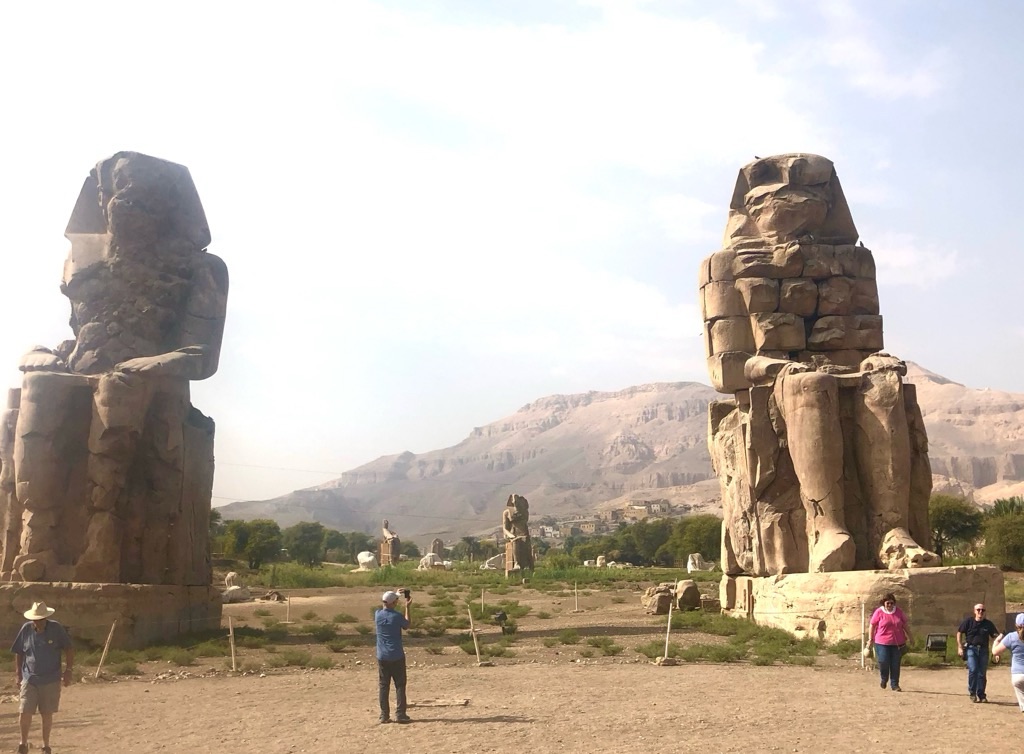
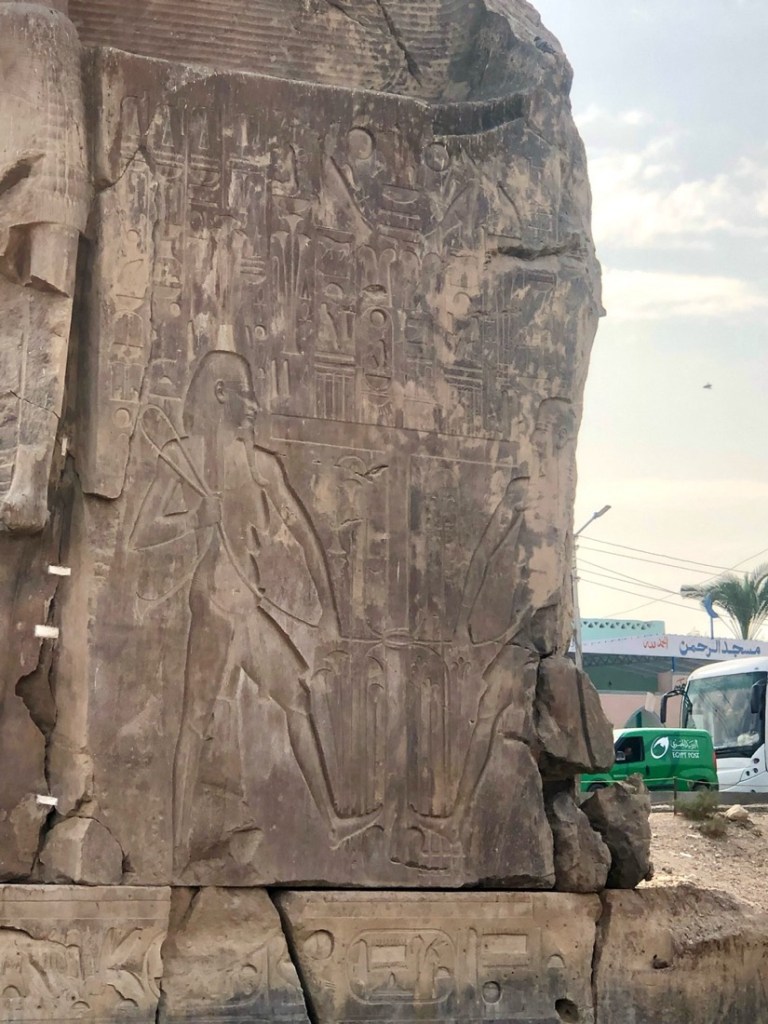
These marvellous gargantuan statues have stood guarding the temple since 1350 BC, and were well known to ancient Greeks and Romans. In fact, there are 107 Roman-era inscriptions in Greek and Latin, dated to between AD 20 and 250 on the statues.
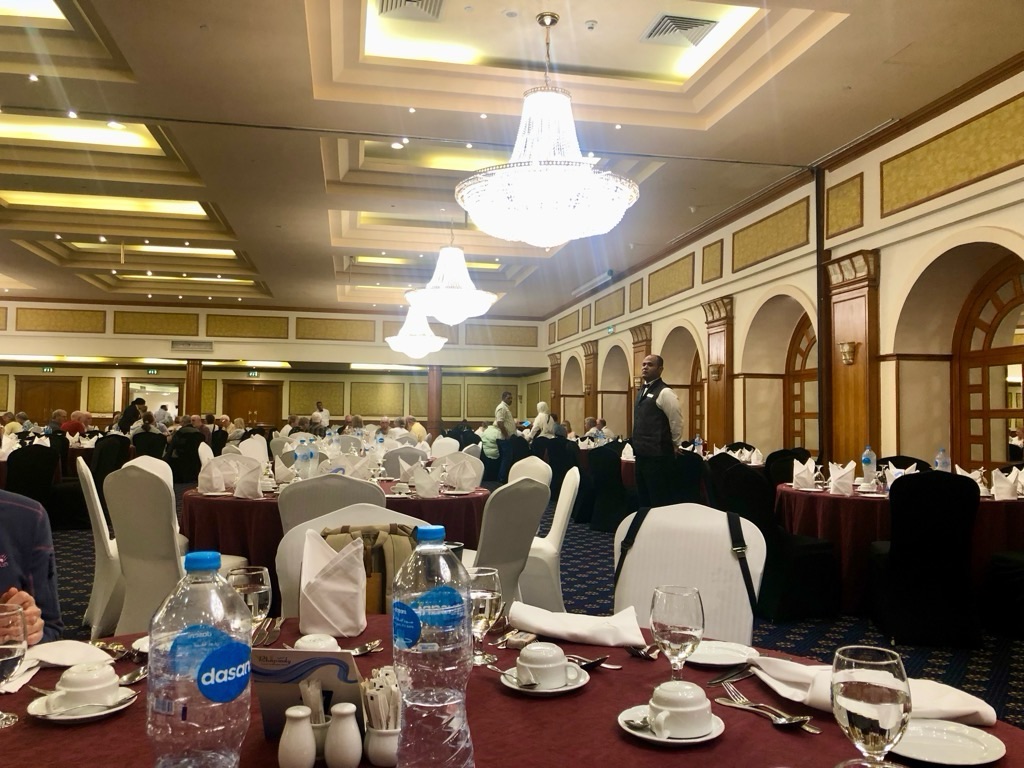
Our next stop was a hotel in Luxor on the banks of the River Nile where about one thousand of us were miraculously fed and watered in no time at all!
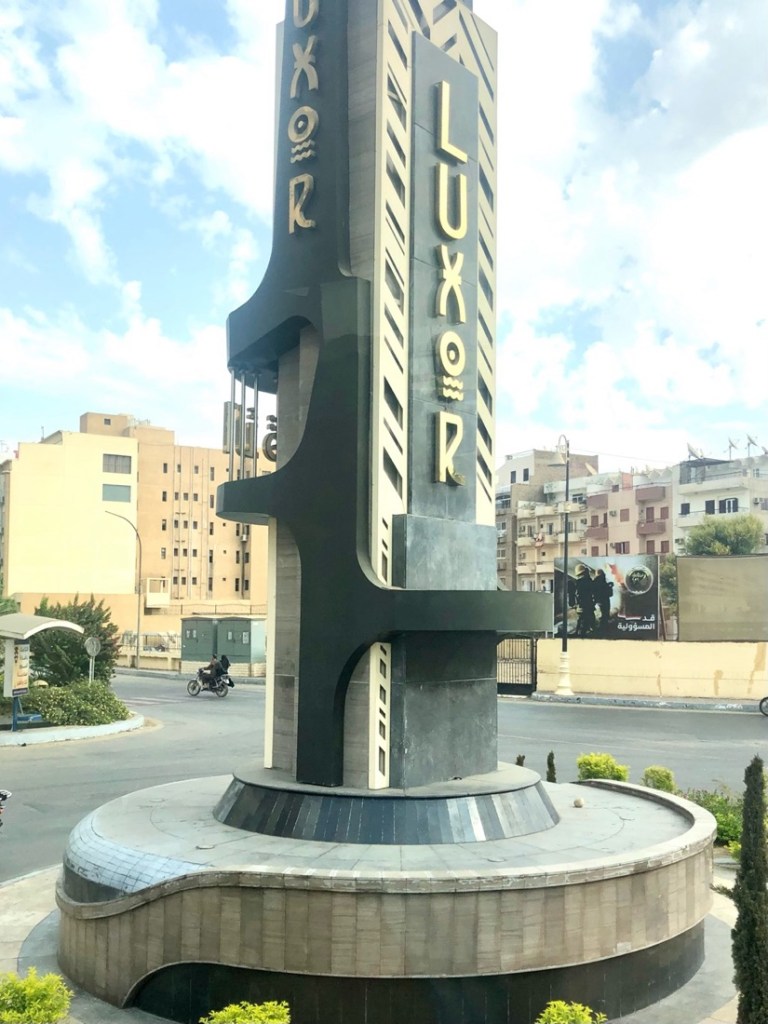
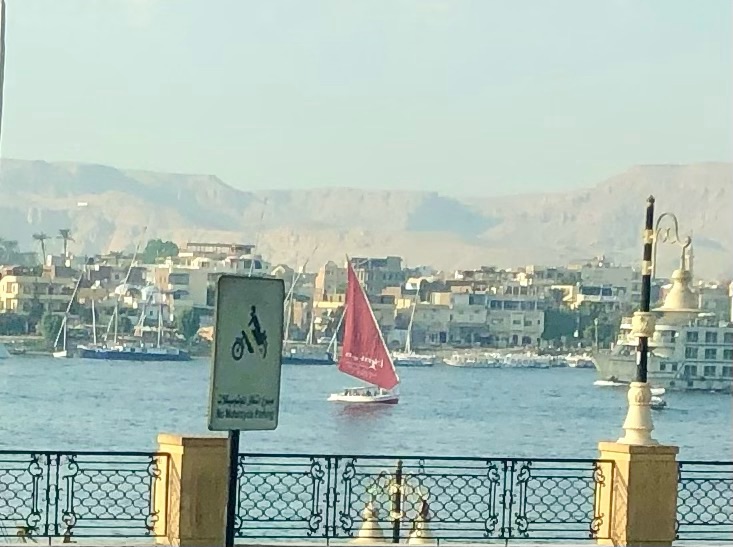
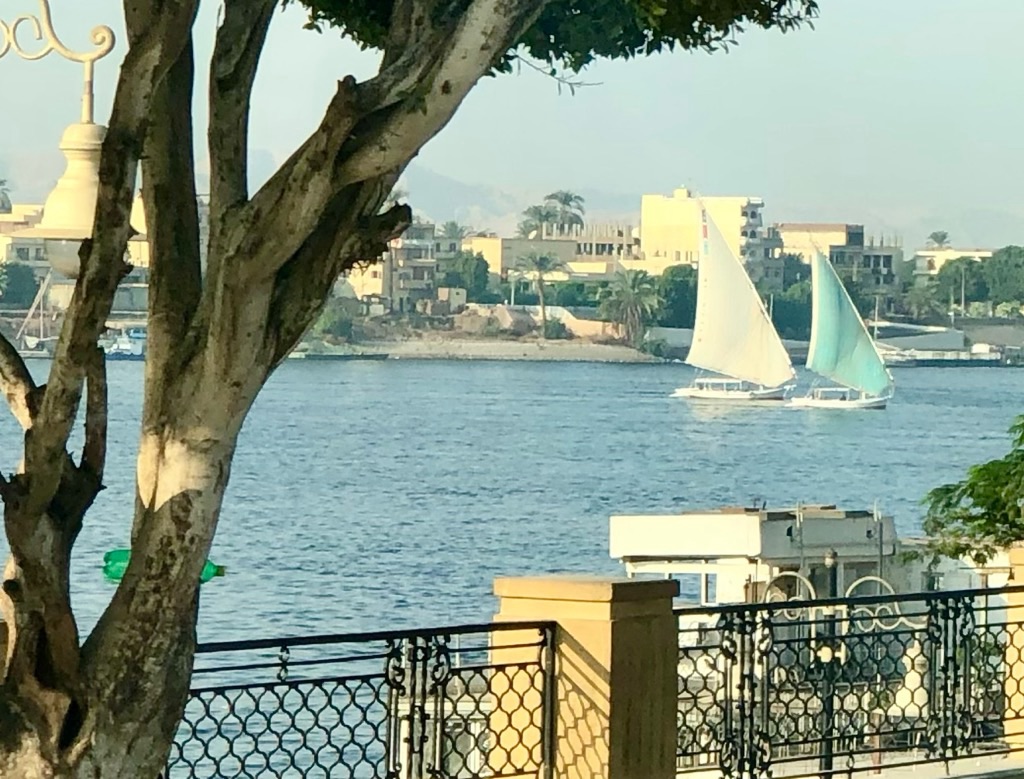
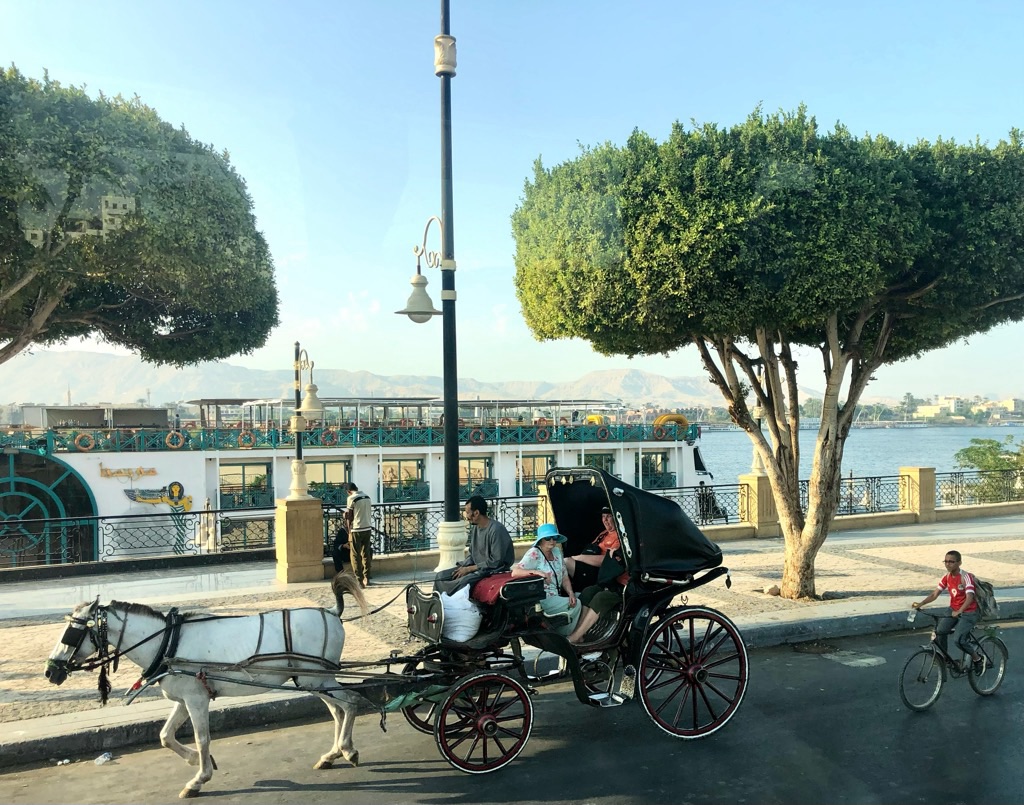
After lunch we all piled in to our buses again and drove through the streets of Luxor and along the banks of the River Nile where we had glimpses of dhows floating gently down the River Nile and of the ruins of the Luxor temples.
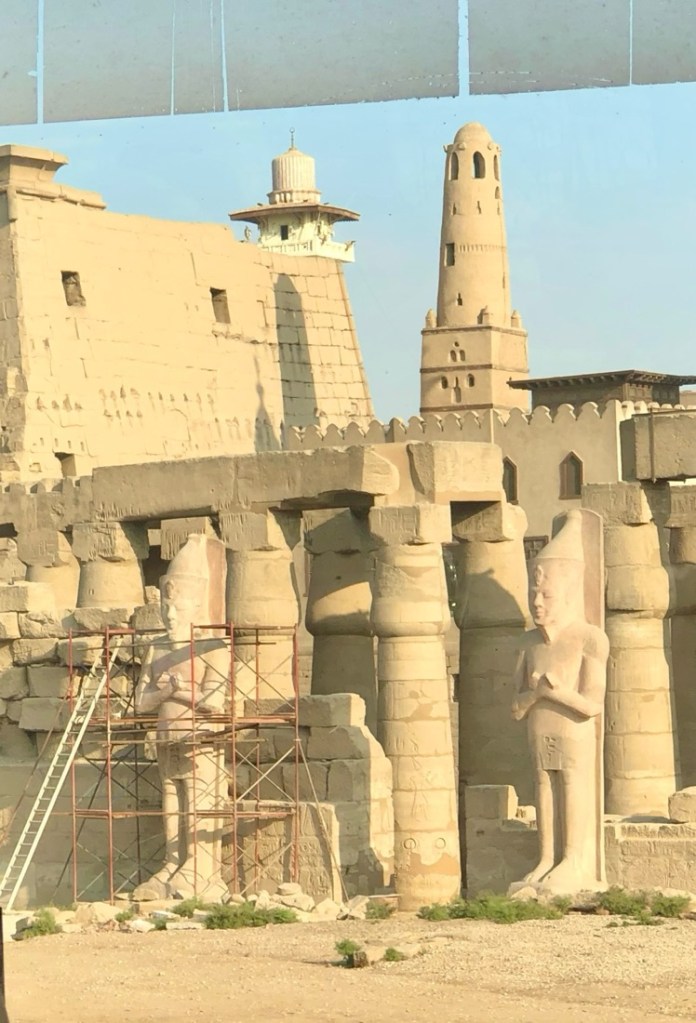
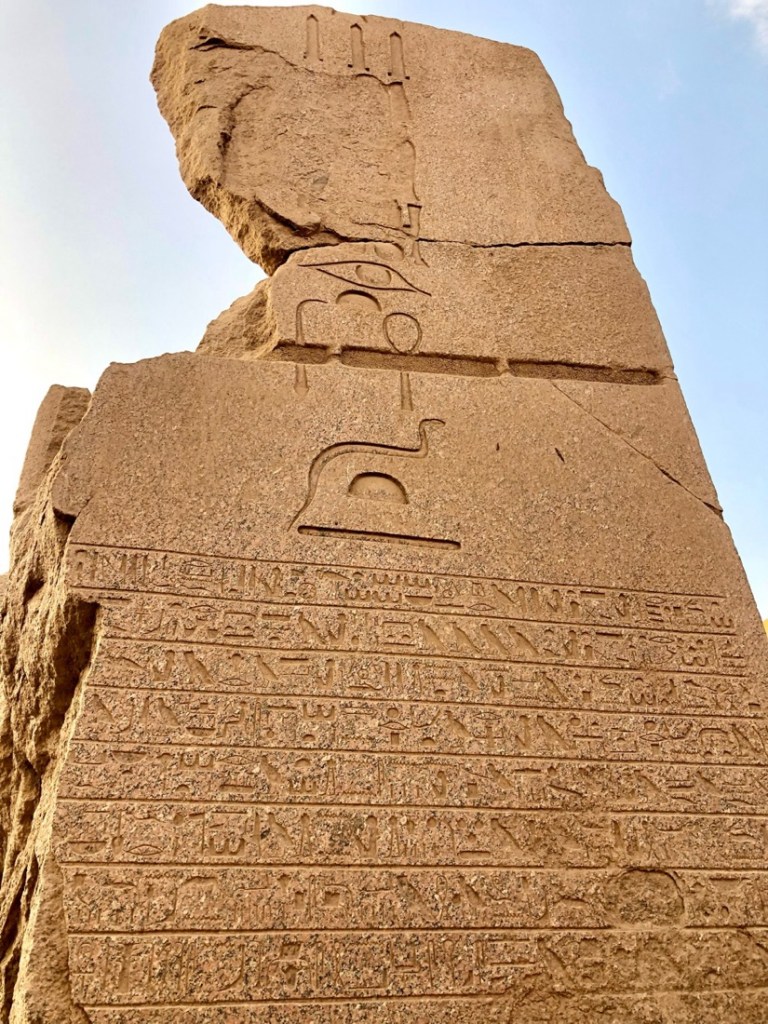
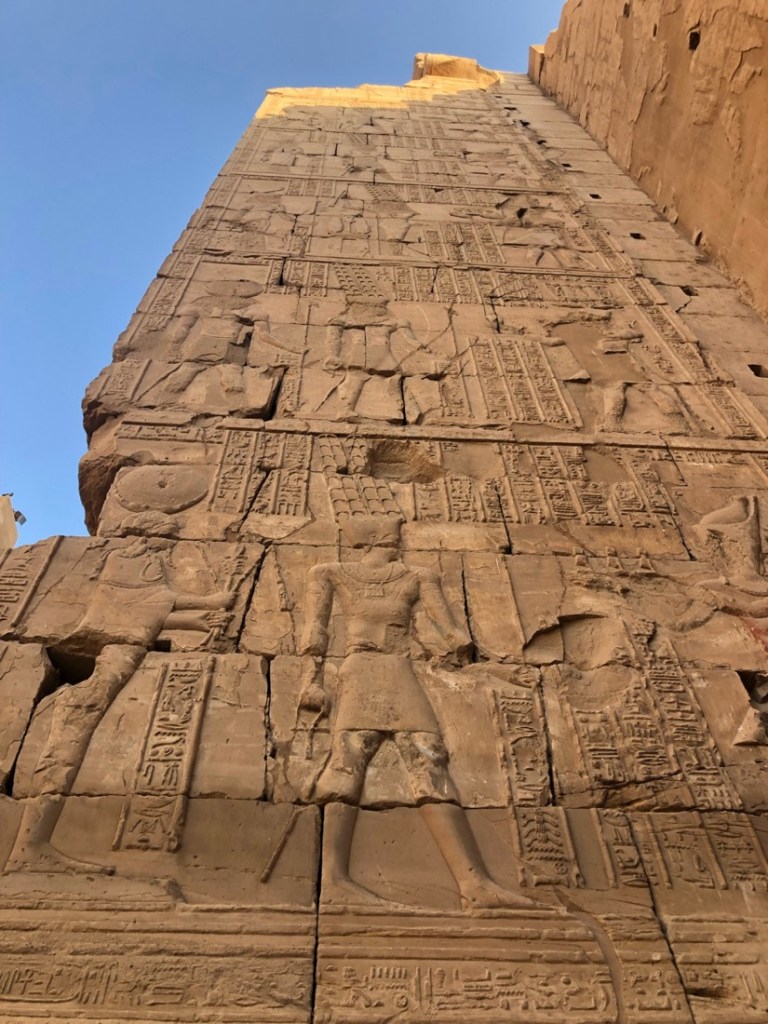
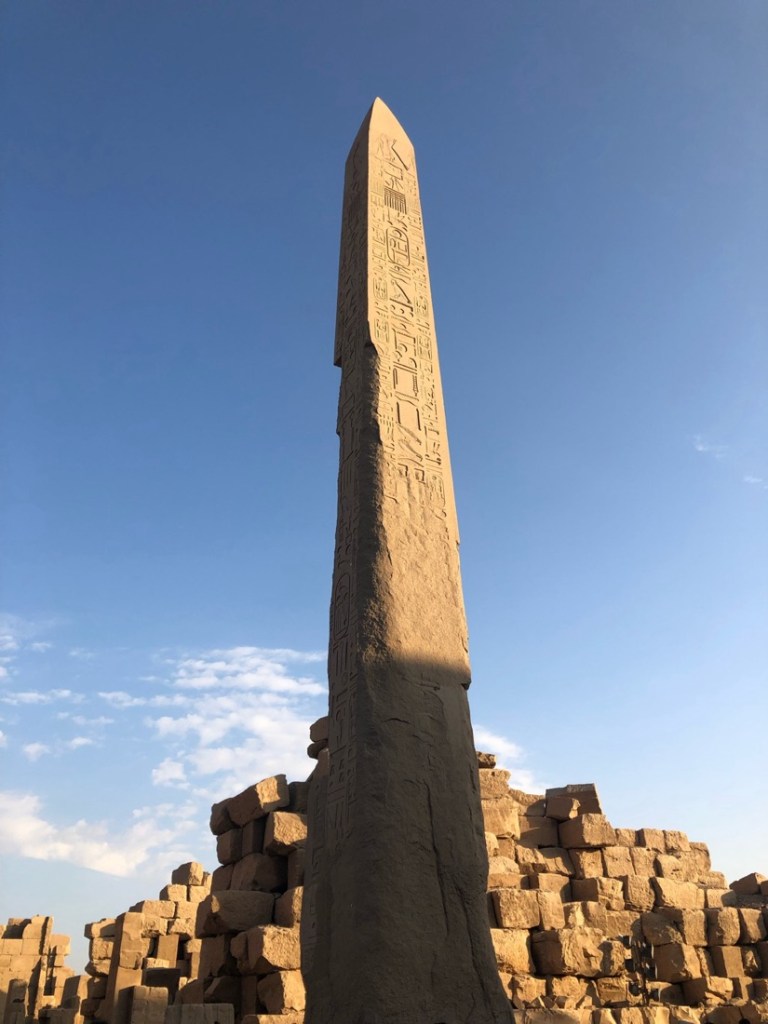
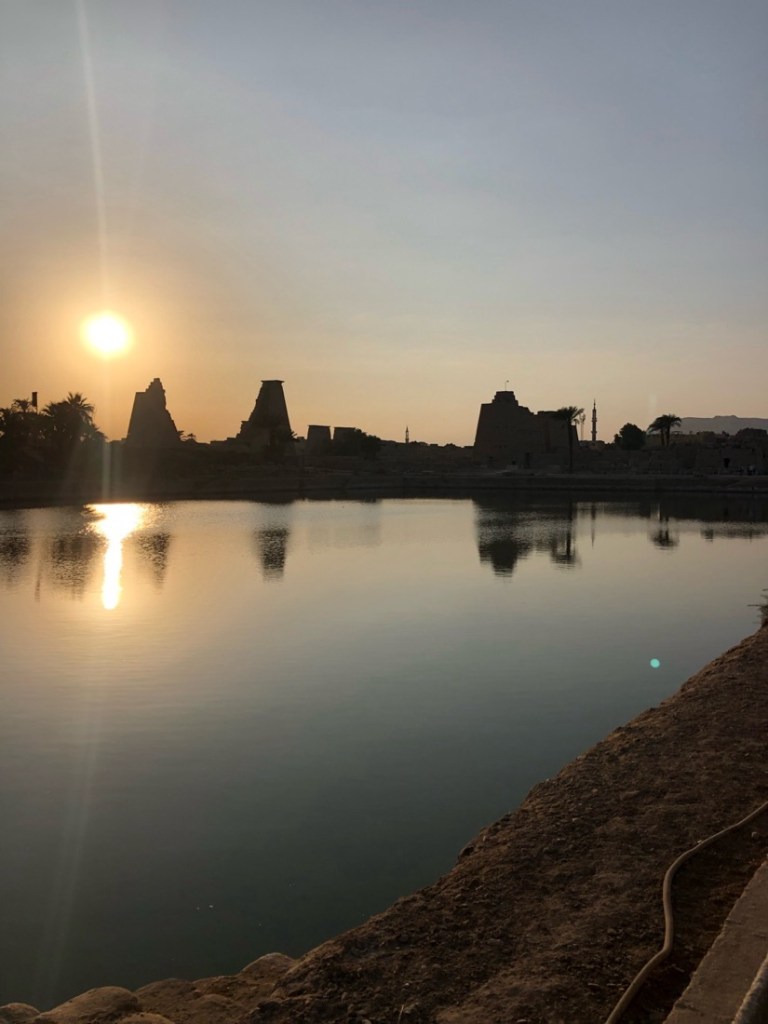
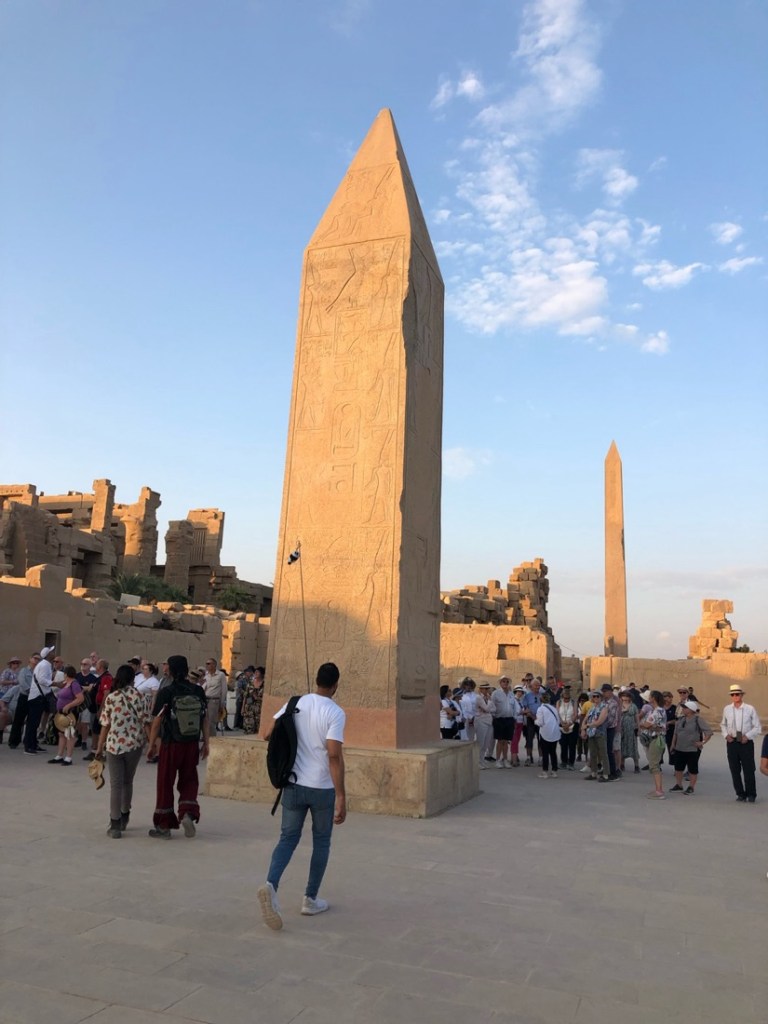
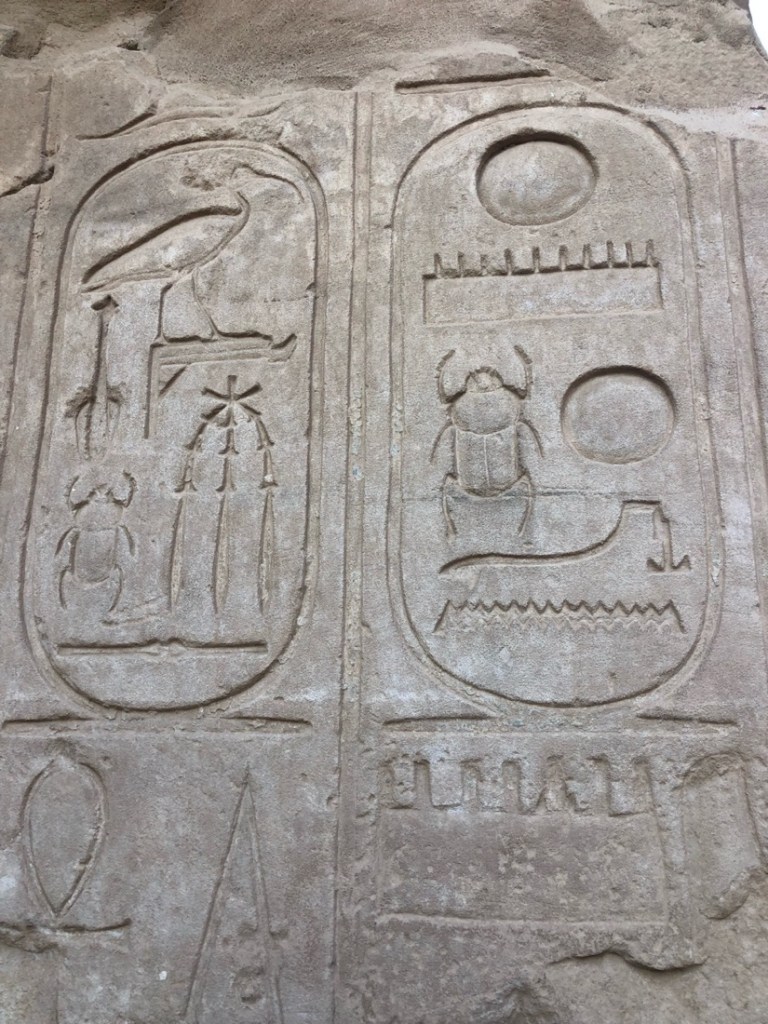
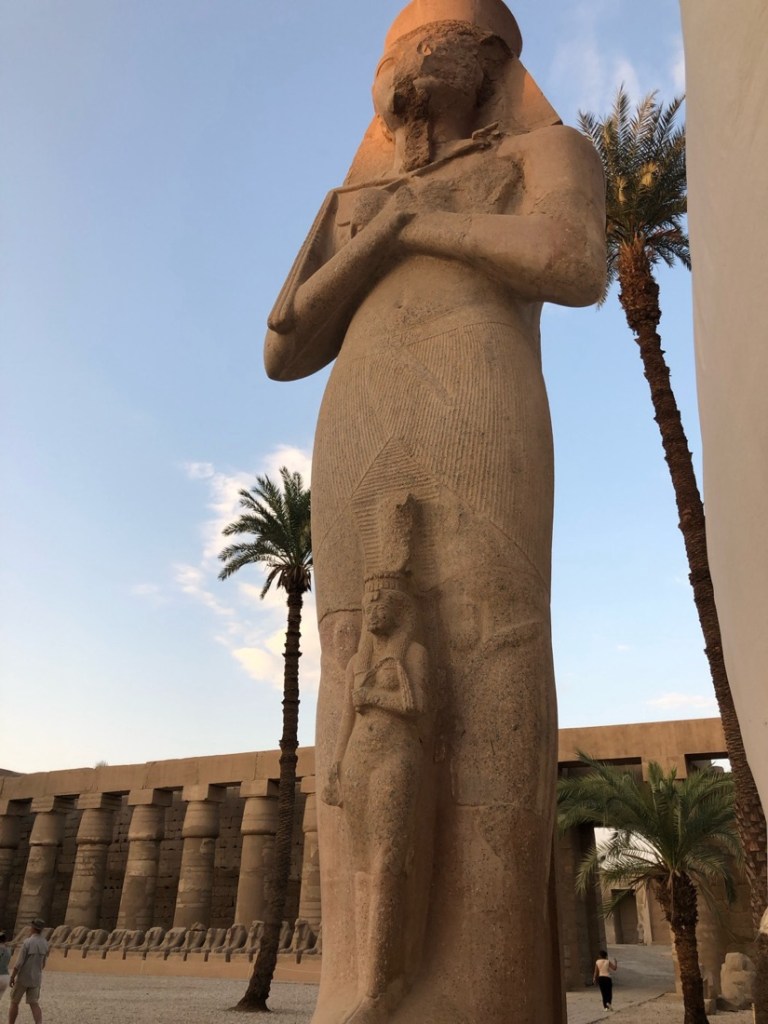
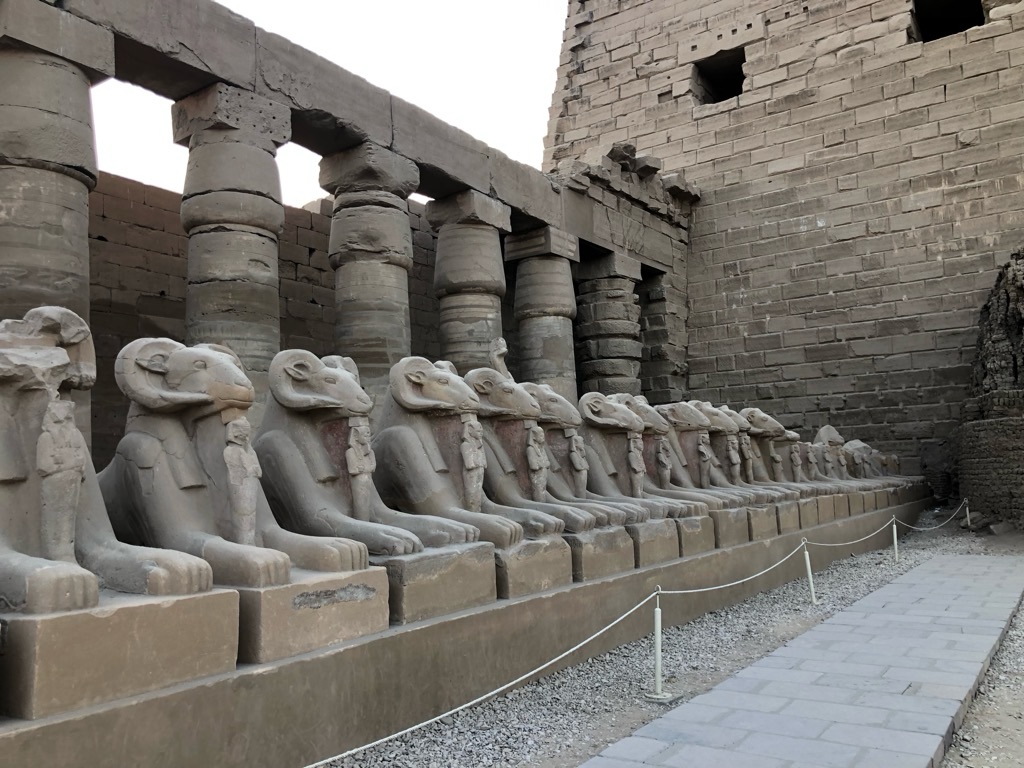
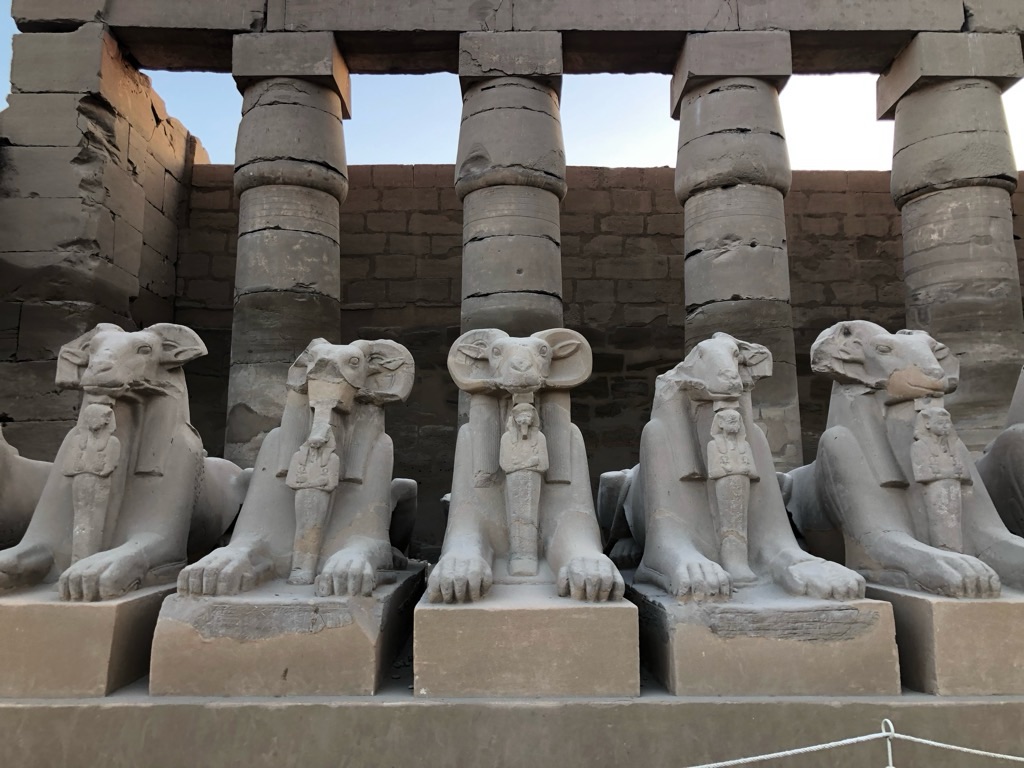
The Karnak Temple Complex was our pick of the day – this architectural wonder was a magical and captivating place.
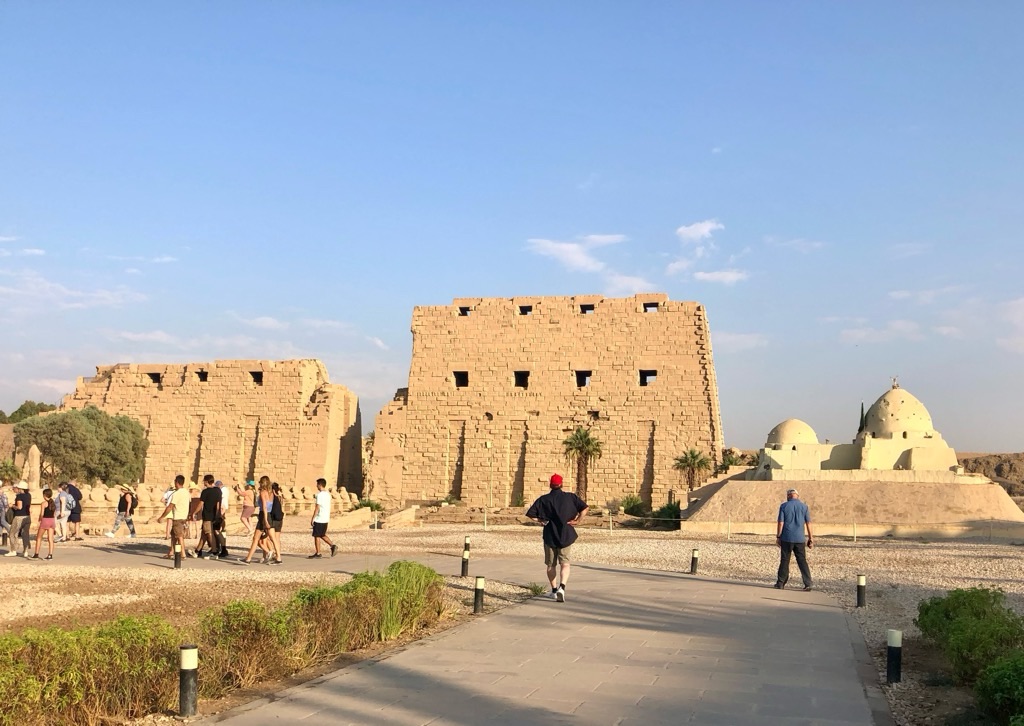
The sprawling complex of awe-inspiring structures and sacred spaces was constructed over the course of around fifteen hundred years, added to by generation after generation of pharaohs.
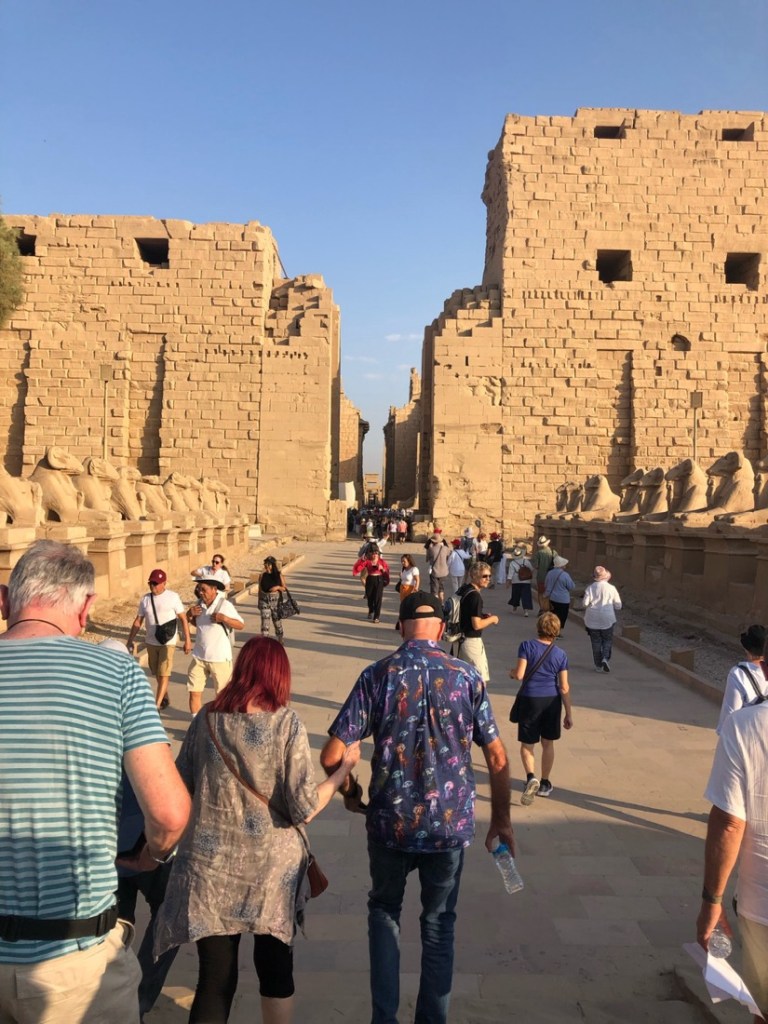
Its first beginnings were in 1971 BC and it gradually became the largest and most important religious complex in ancient Egypt.
The most significant structure, and the largest religious building ever built, is the Temple of Amun-Ra, considered to be where the god Amun-Ra lived on earth with his wife, Mut, and son, Khonsu, who also had temples at the site.

The temple complex covers some 61 acres and is the only one of the four temple enclosures open to the public.
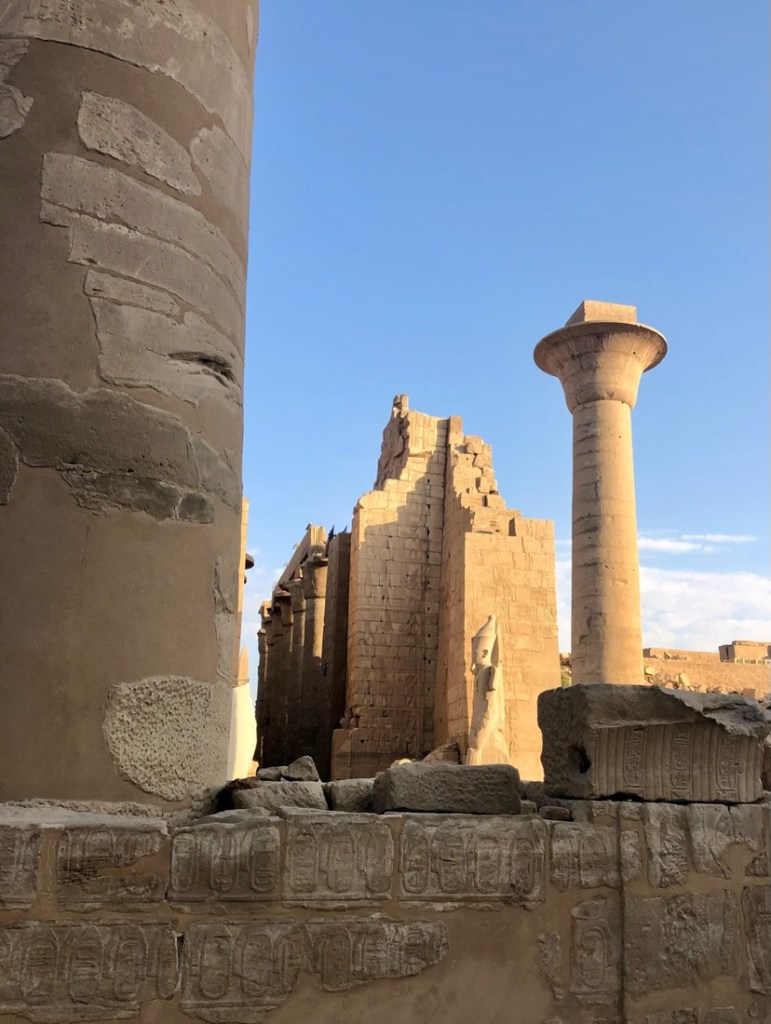
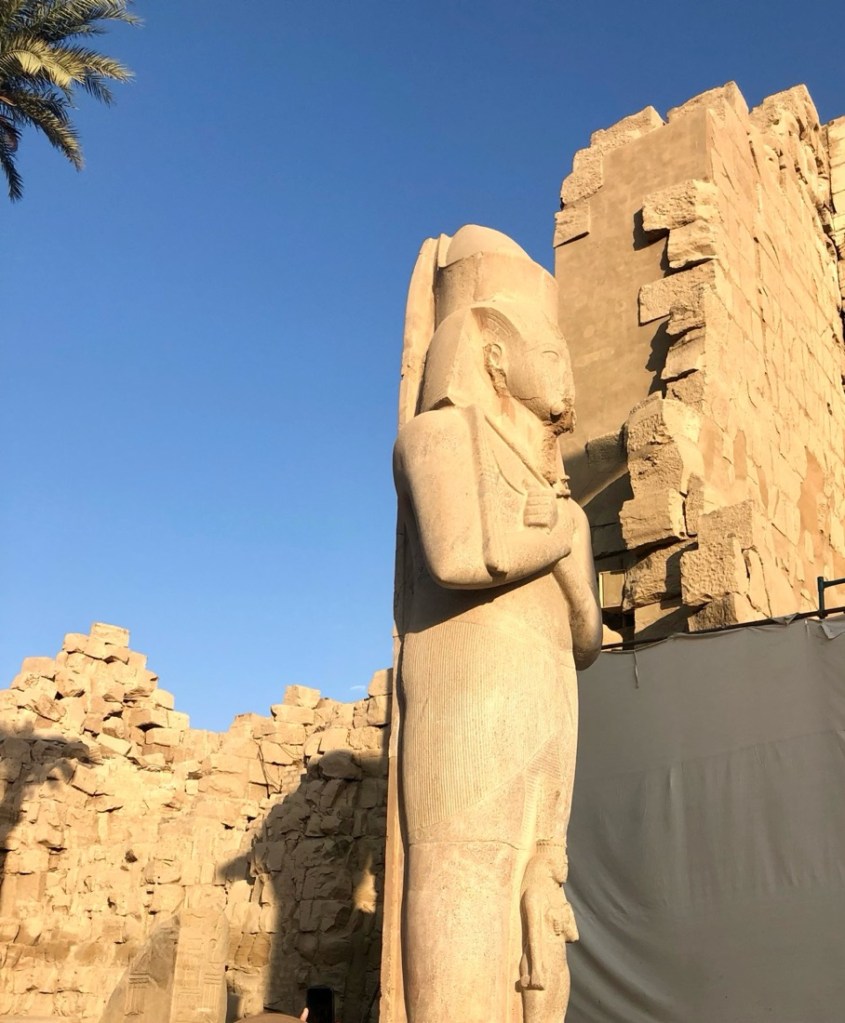
We spent some hours wandering round this spectacular site and left wanting more! It’s one of those places that you never get to see and take in all that is on offer.
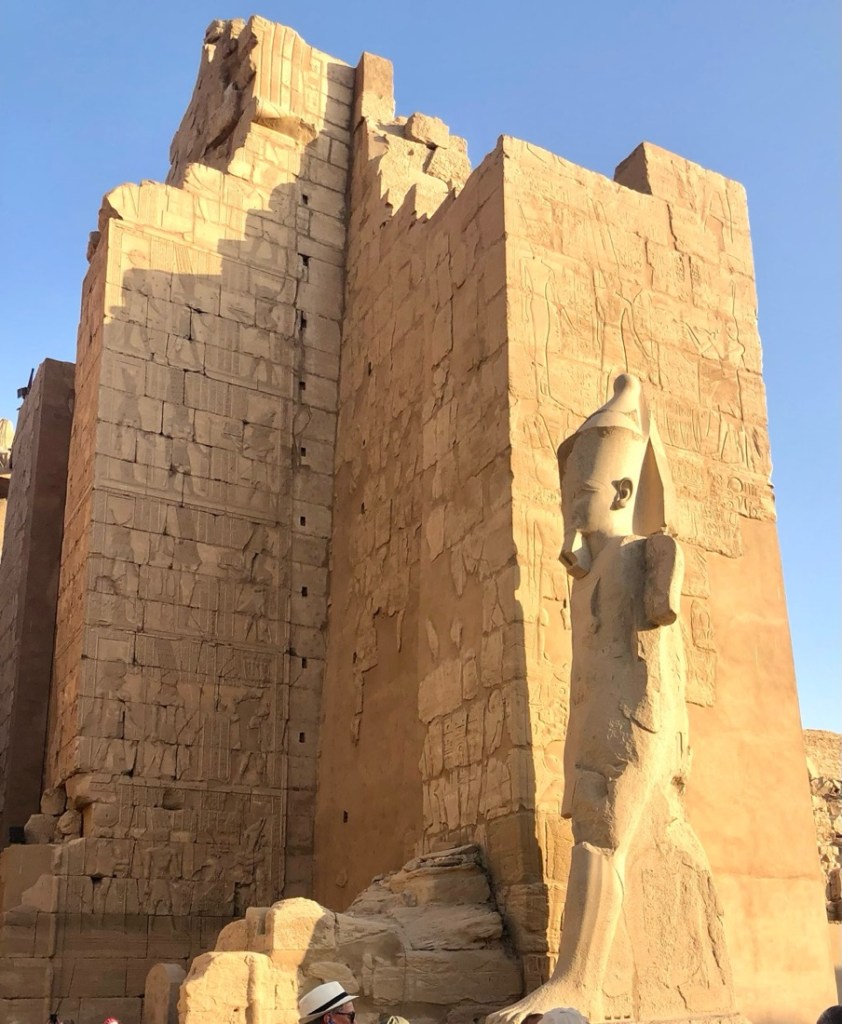
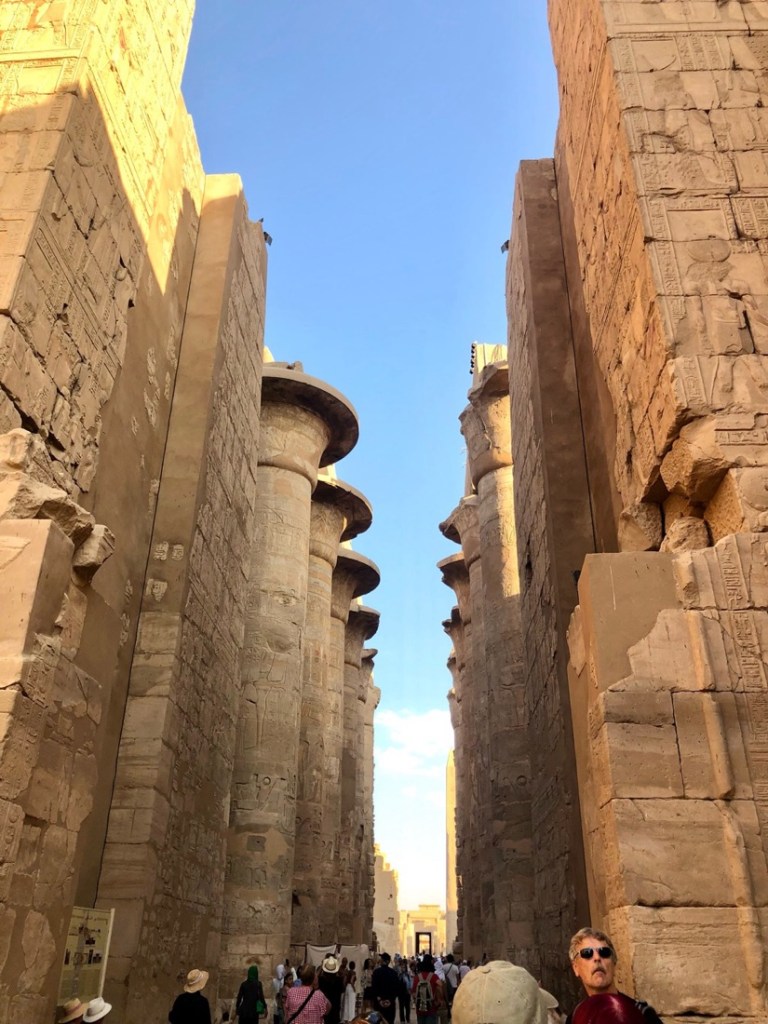

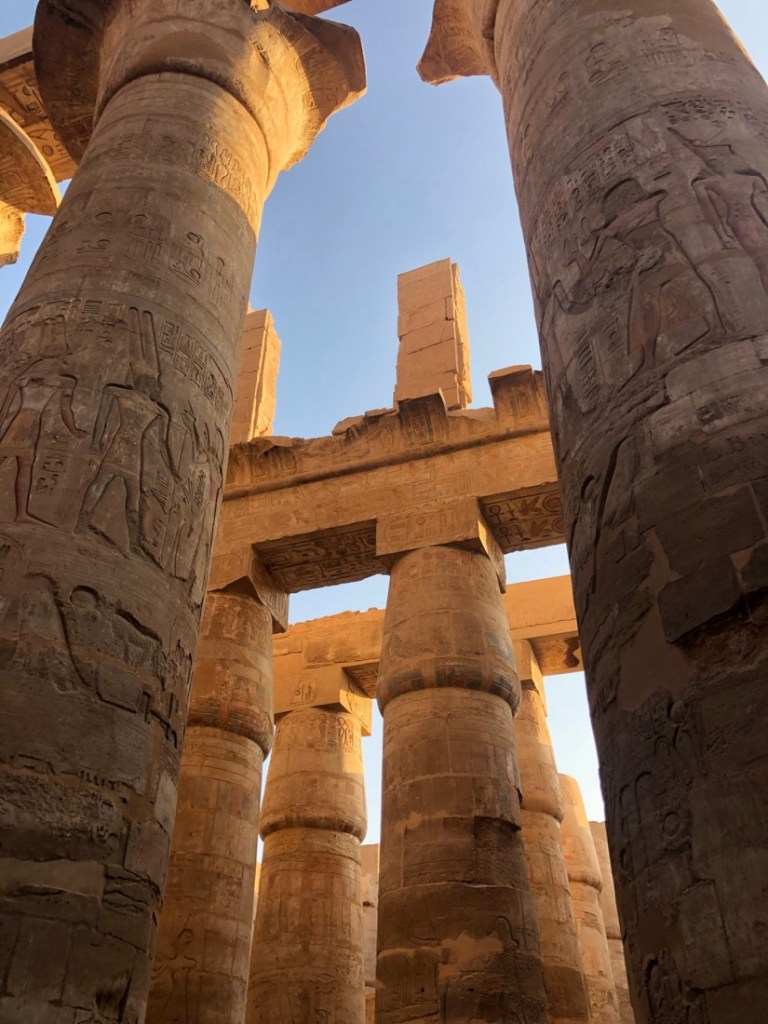


Leave a Reply