After viewing the Arctic Circle monument in Sweden – just over the border from Finland – we started to look for somewhere to park for the night. For some reason we just couldn’t find anywhere suitable so we decided to cross back into Finland where we found a very pretty camping ground on the shores of the Torne River. Borders are very easily crossed in this neck of the woods! We were the only visitors so we had a very peaceful night.
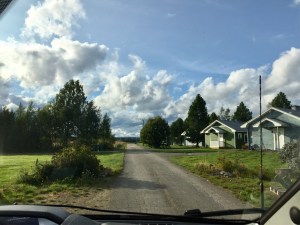
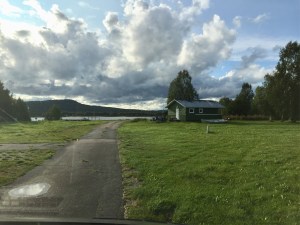
The next day we crossed back into Sweden again for the 1,064 kilometre (12 hour) drive to Stockholm. Of course it was never going to a 12 hour drive as we were determined to take the route less travelled – at least for as much of the journey as possible.
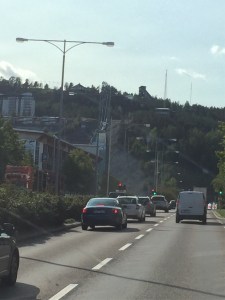
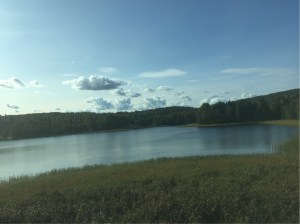
We headed first towards the University town of Umea but after a short time on a relatively major road, we grew weary of traffic and branched off into the country lanes and travelled through some pretty countryside. By early evening we found ourselves at a lovely spot to camp just behind a beach. Although we were on the shores of the Baltic Sea the water was still as a millpond. Around us were forests and just a few holiday shacks.

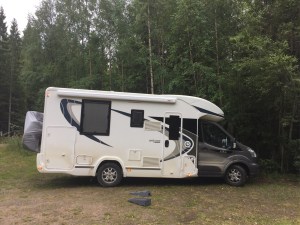
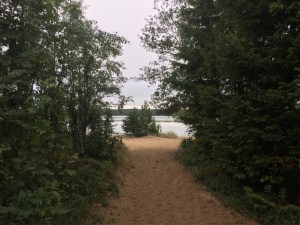
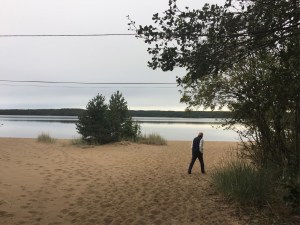
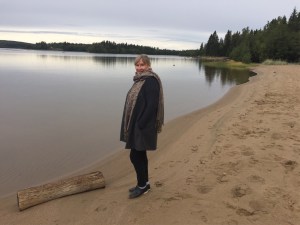
The following day we again took the scenic route most of the way and by early evening found ourselves in a picturesque and scenic village of Skatan.
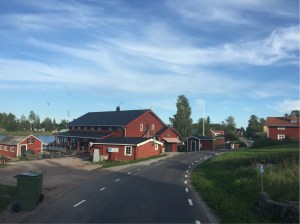
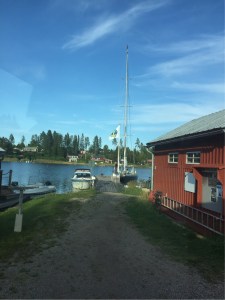

Many of the cottages on the harbour were painted in the typical red ochre seen throughout Scandinavia and many of them appeared to be holiday cottages or occupied by retirees so the village had a very sleepy atmosphere.
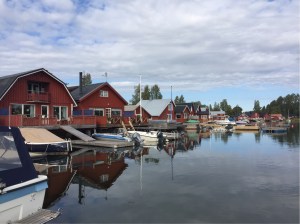
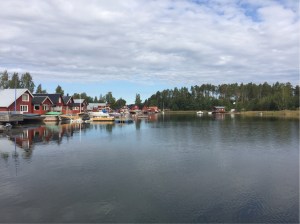
The motor home stop had bathroom facilities and water and there was no charge to stay there which was brilliant. Because we had two days with a lot of time on the road and also because it was such a pleasant spot, we decided to spend a second night there.
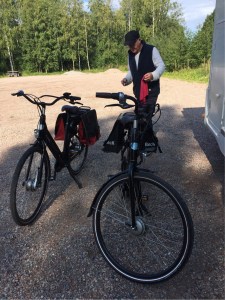
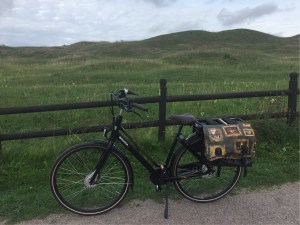
We hauled the electric bikes off the back of the truck and really enjoyed cycling through the laneways.
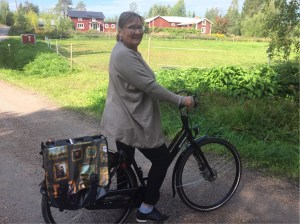
From Skatan we decided to head to the ancient village of Gamla Upsalla and again we took the scenic route. We inadvertently ended up driving on rough gravel roads through lonely pine forests where the only road signs were warning of the presence of bears! We were convinced that we would get at least glimpses of the Baltic Sea but in fact all we could see were mile after mile of silver birches and pine trees.
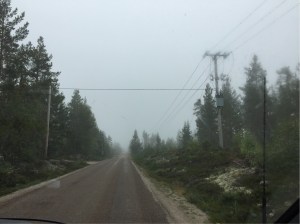
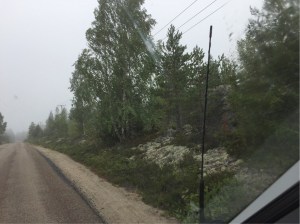

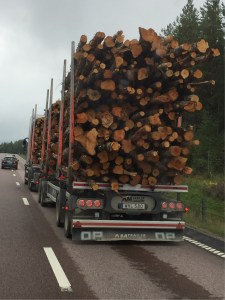
Eventually we found our way back to the main road and arrived in the fascinating village of Gamla Upsalla in the early evening.
From prehistoric times to the Middle Ages, Gamla Upsalla was the location of the “Thing (general assembly) of all Swedes” and right at the centre of Norse culture.
In the 11th Century it was a pagan cult centre with an enormous Temple containing wooden statues of Odin, Thor and Freyr. Later that Century Sweden’s first Archbishop was installed there.
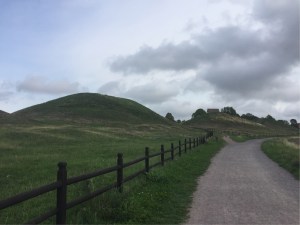
There are more than 1,000 preserved archaeological remains in Gamla Uppsala – there were more , but many hundreds have been removed by agriculture. Remains reveal that the area was settled during the Nordic Bronze Age, but most of the grave fields are from the Iron Age and the Viking Age.
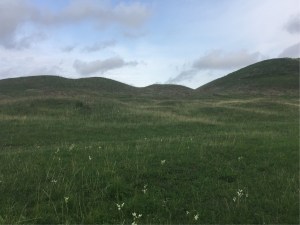
We were lucky enough to be parked just metres away from the Royal Mounds – three long barrows dating from the 5th and 6th Centuries. Excavations have proved that the people buried under them were very wealthy, powerful and probably Royal.

 Salty tales from Bali Hai on Sunday
Leave a comment