The countdown to the start of our next road trip had begun and in the weeks leading up to it, we spent considerable time planning our route with our fellow travellers Peter and Cathy, cooking and freezing some meals and writing lots of lists.
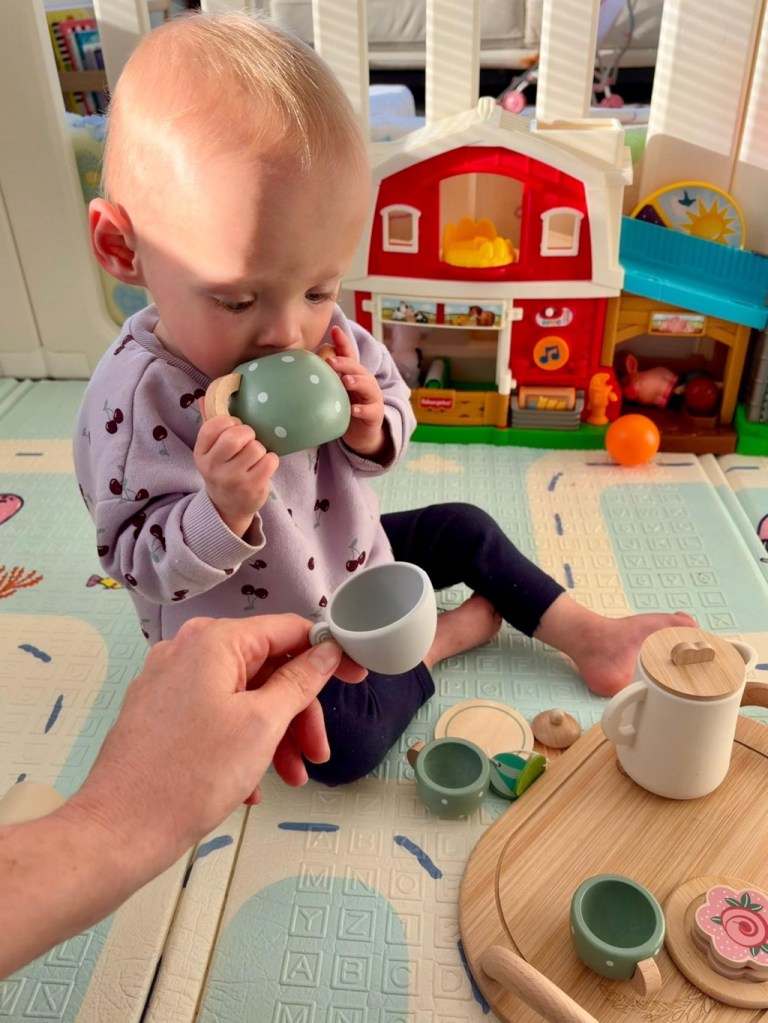
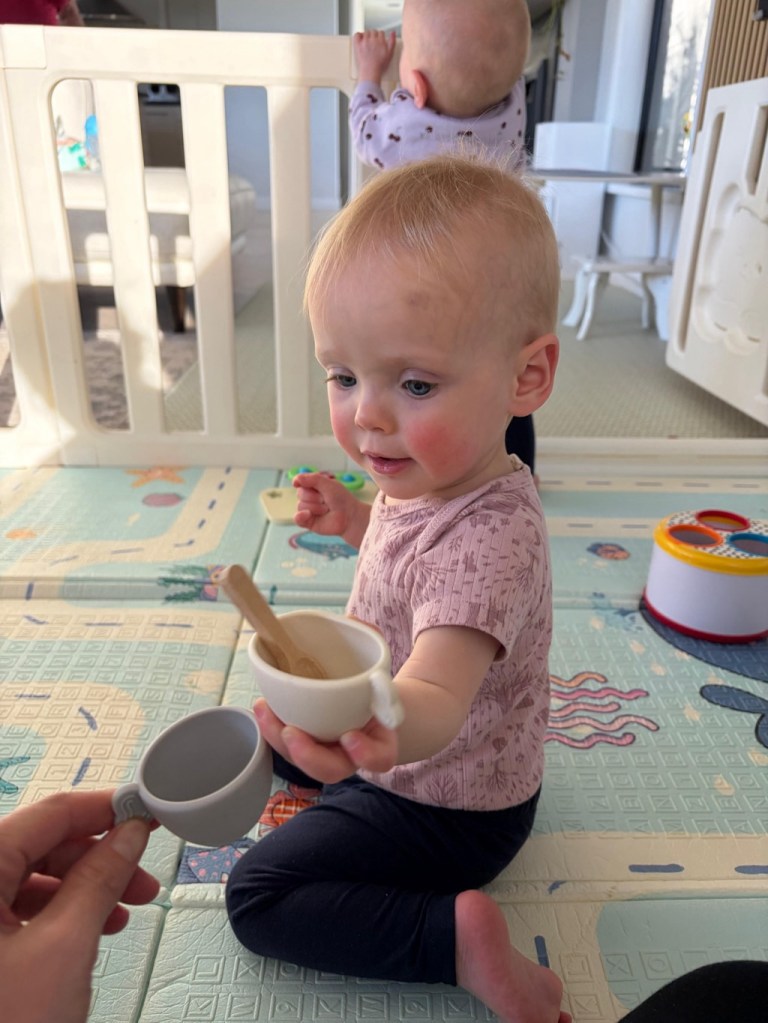
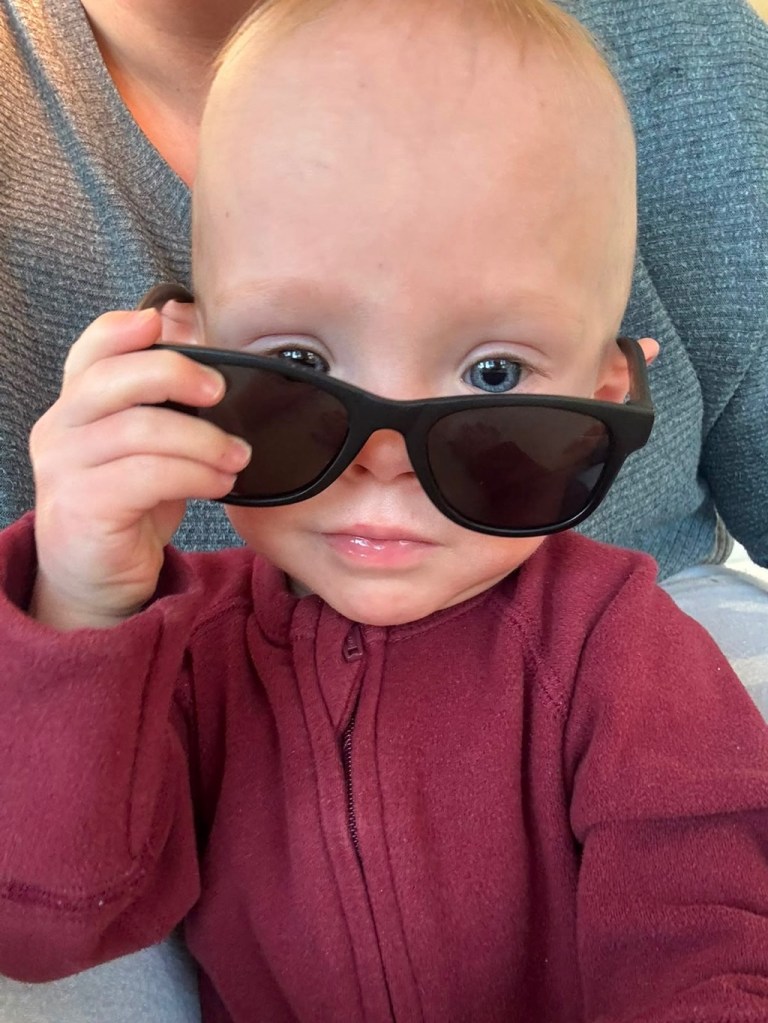
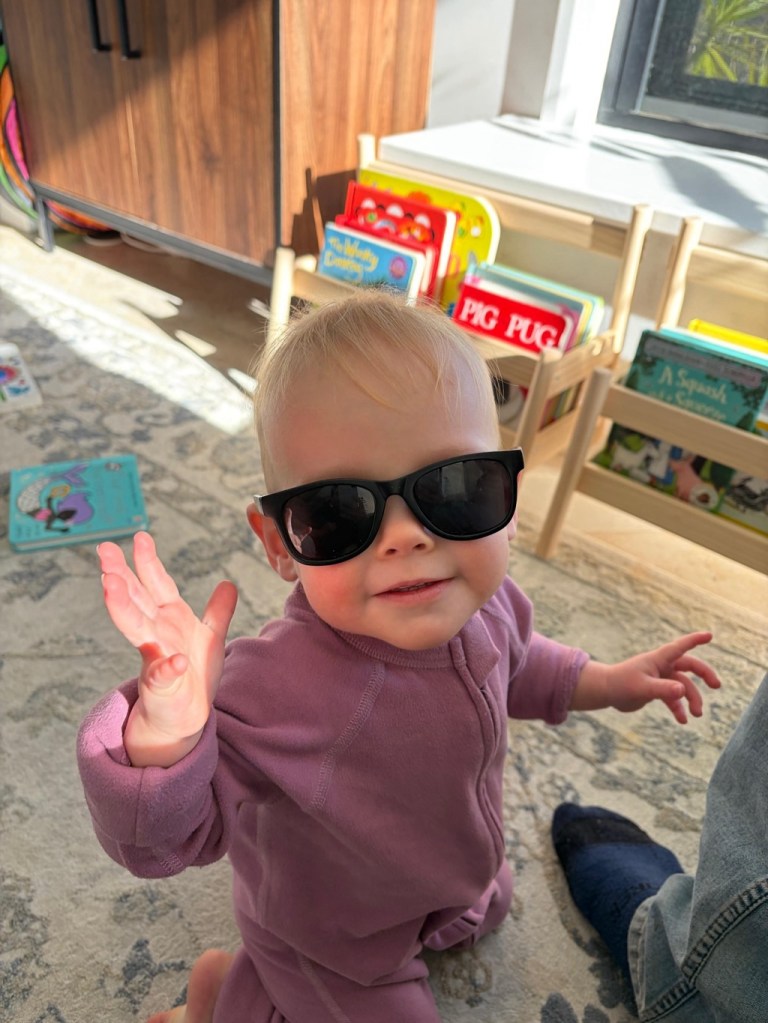
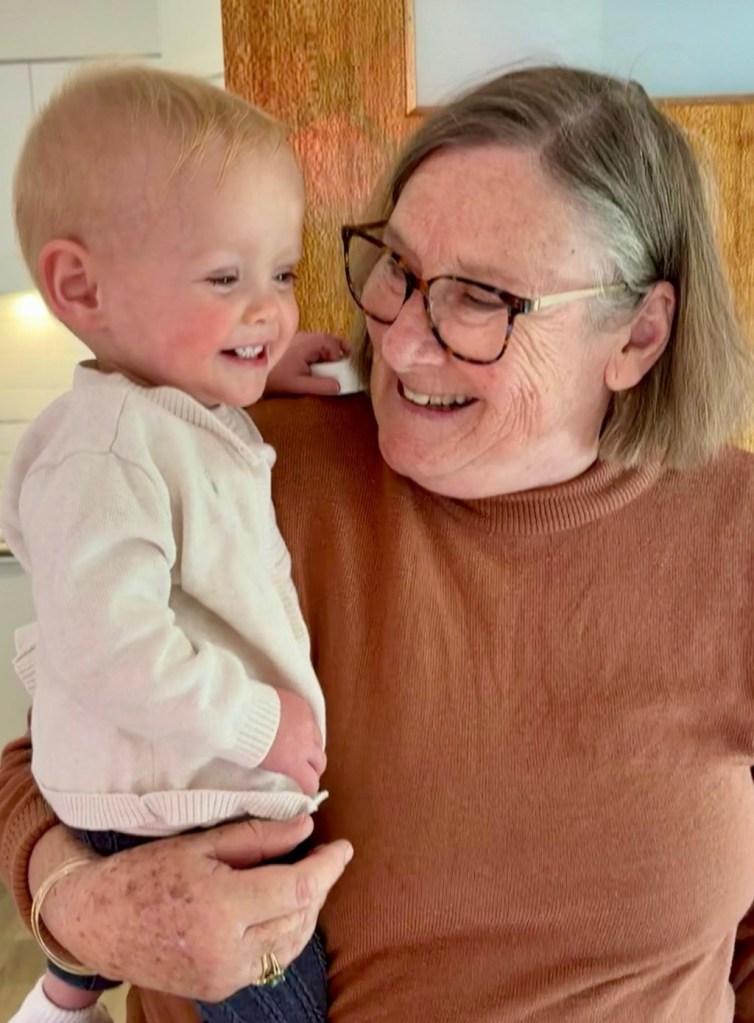
Although we were looking forward to the trip we weren’t looking forward to being away from our twin granddaughters (and their parents of course).
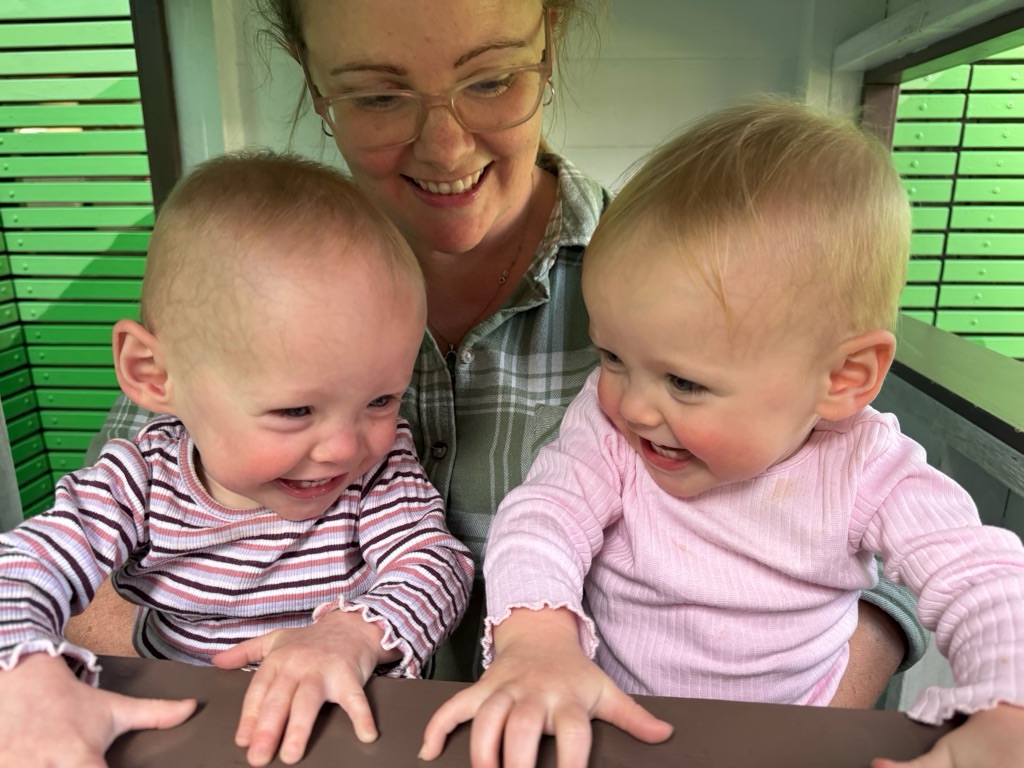
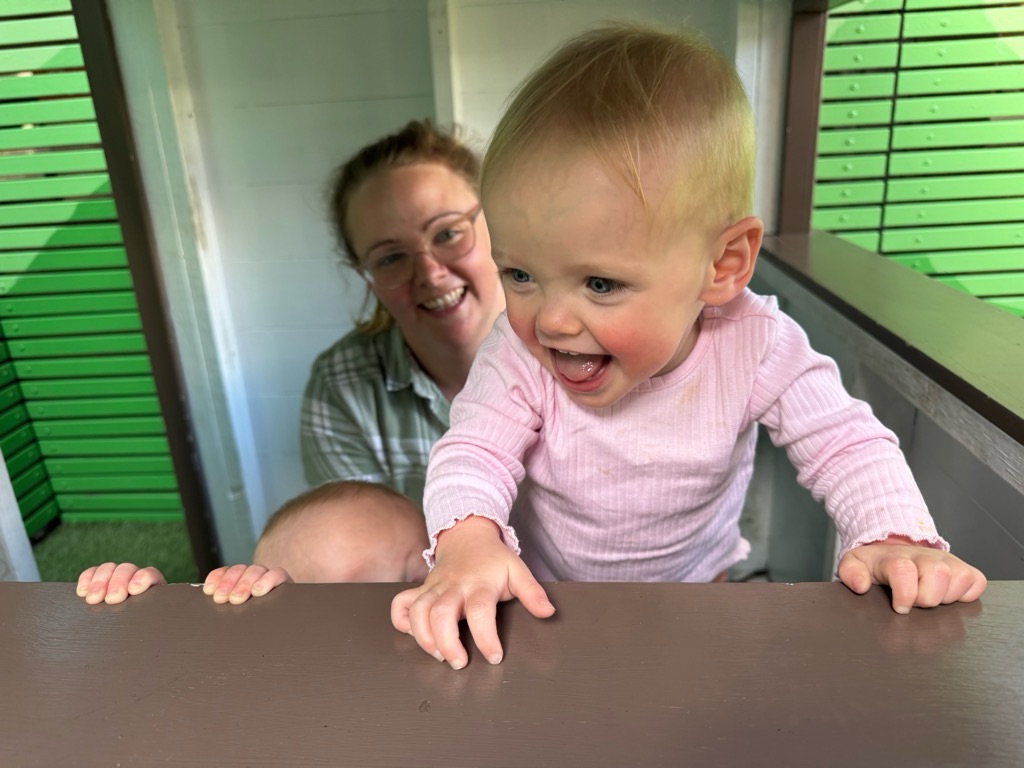
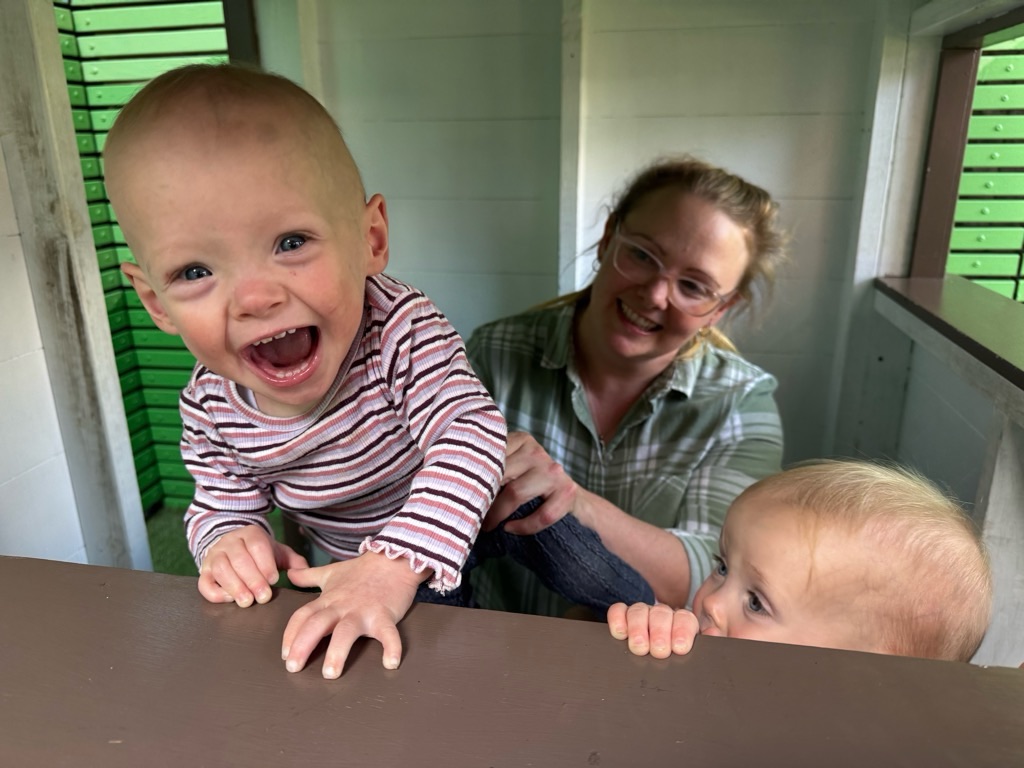
Having seen so much of them (every day even if it was just for a quick “hello”) since we arrived back in Brisbane three and a half months ago, it was going to be difficult to be apart! However, as we are heading to the Netherlands in October, our caravan trip would be a good opportunity to adjust to the withdrawal symptoms!
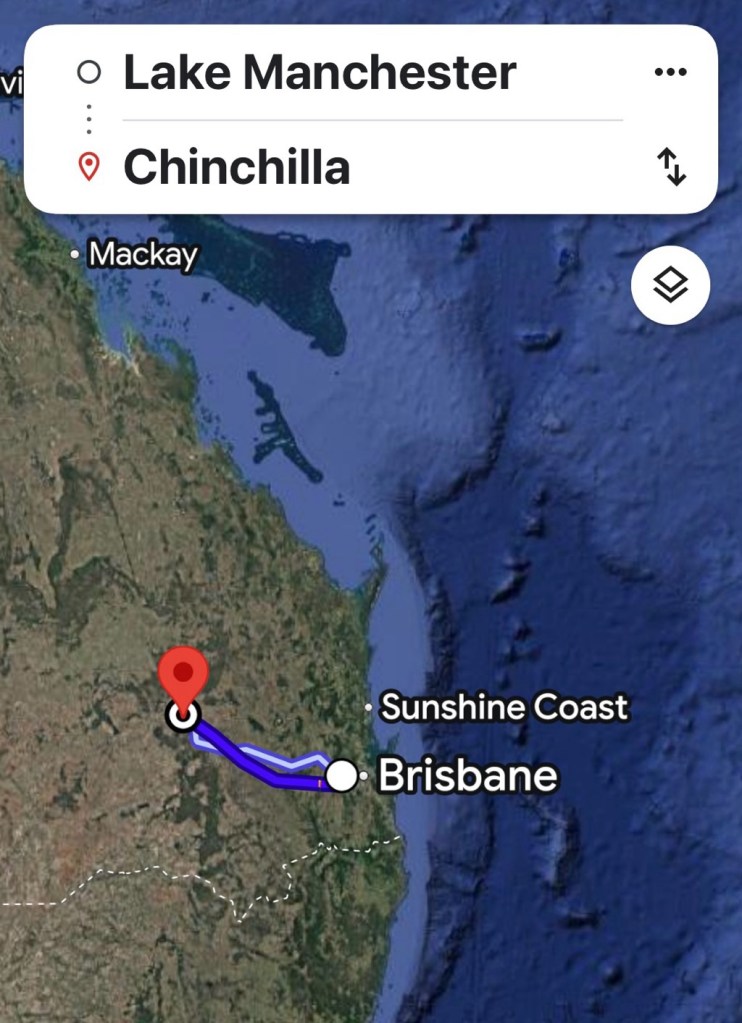
The first day of our new adventure started on 19 August and we left Lake Manchester in brilliant sunshine heading for our first stop in Chinchilla, a trip of roughly three and a quarter hours and about 265 kilometres west from our house.
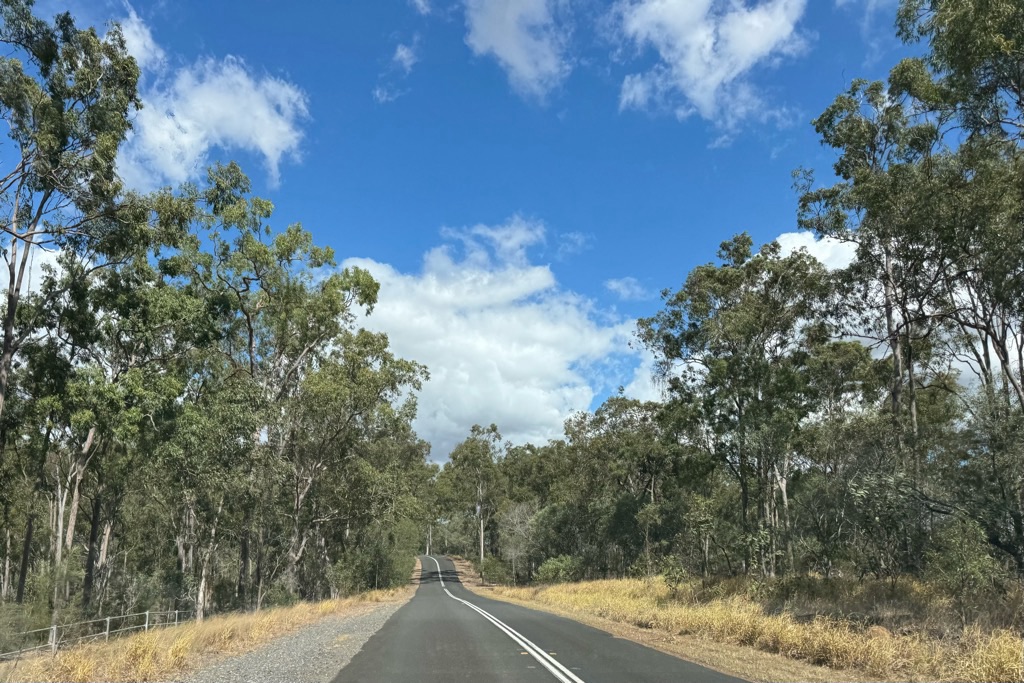
The new beefed up springs with airbags which are used to adjust the height of our four wheel drive to match the caravan, seemed to work well and we had an excellent but unremarkable trip there.
We had been to Chinchilla with Peter and Cathy (and our respective kids and our other friends Cheri and Keith and their children) years ago and had camped at a property fondly referred to as “640 acres”.
This became a bit of a catchphrase as the poor woman running it with her husband during the awful drought in the 1990s/early 2000s kept reminding us of the size of the operation between gritted teeth.
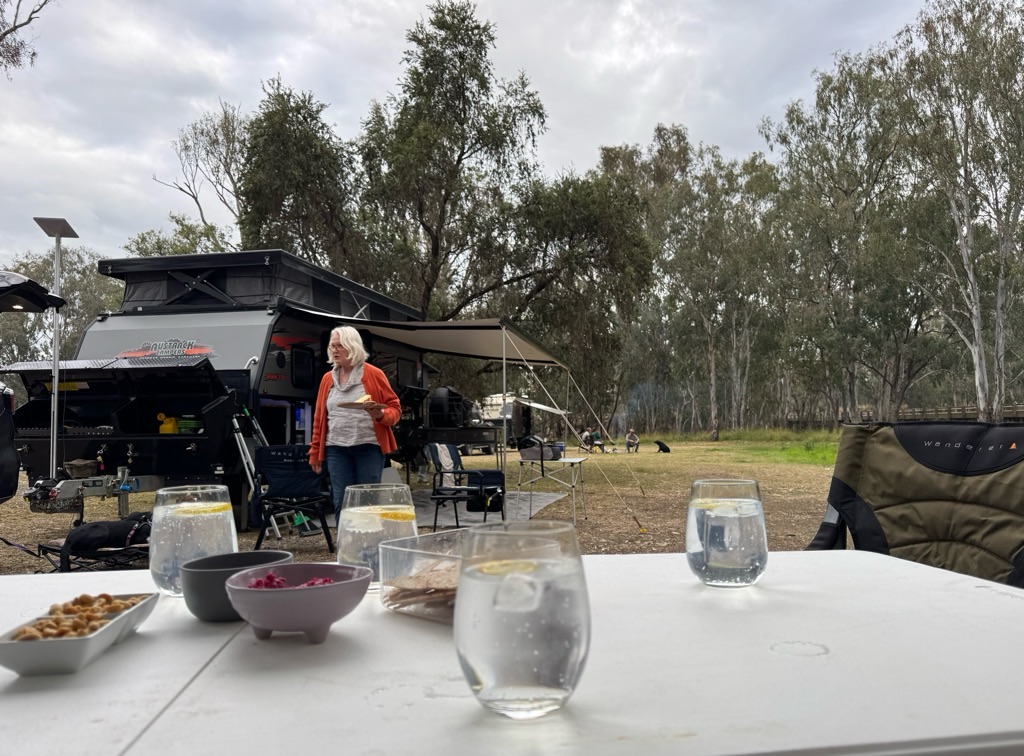
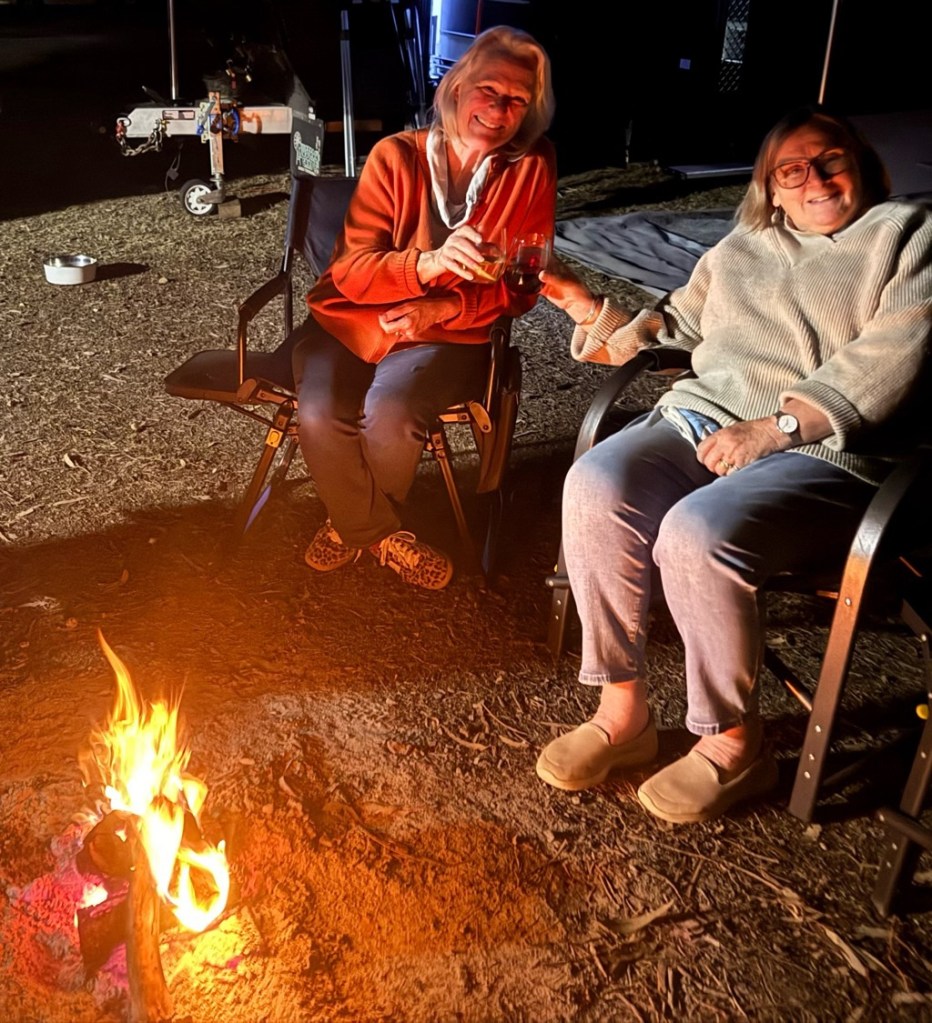
a G and T!
The route looked quite different to our last trip all those years ago – there is now the excellent Toowoomba bypass that ascends the Great Dividing Range and which saves 40 minutes of driving through the town, circumventing 18 sets of traffic lights!
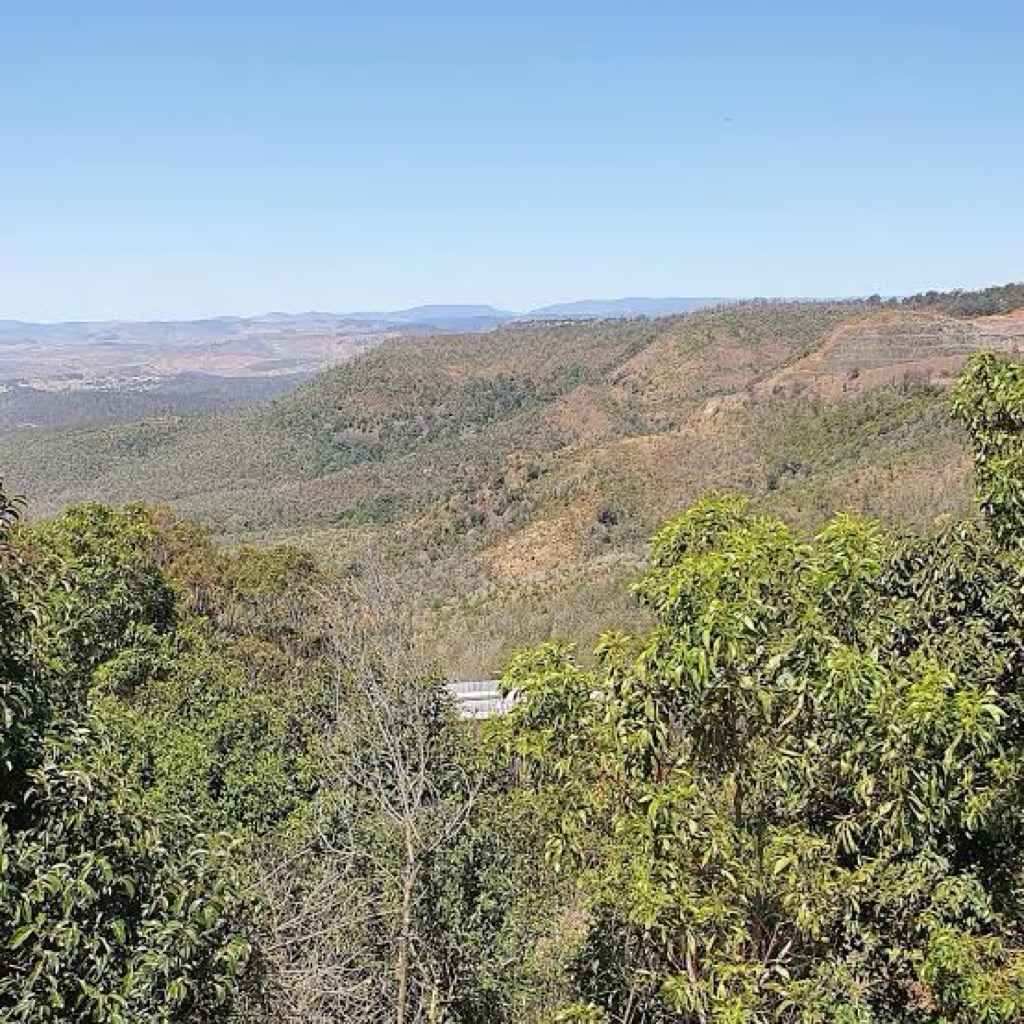
The climb was steep but the views over the Lockyer Valley were lovely.
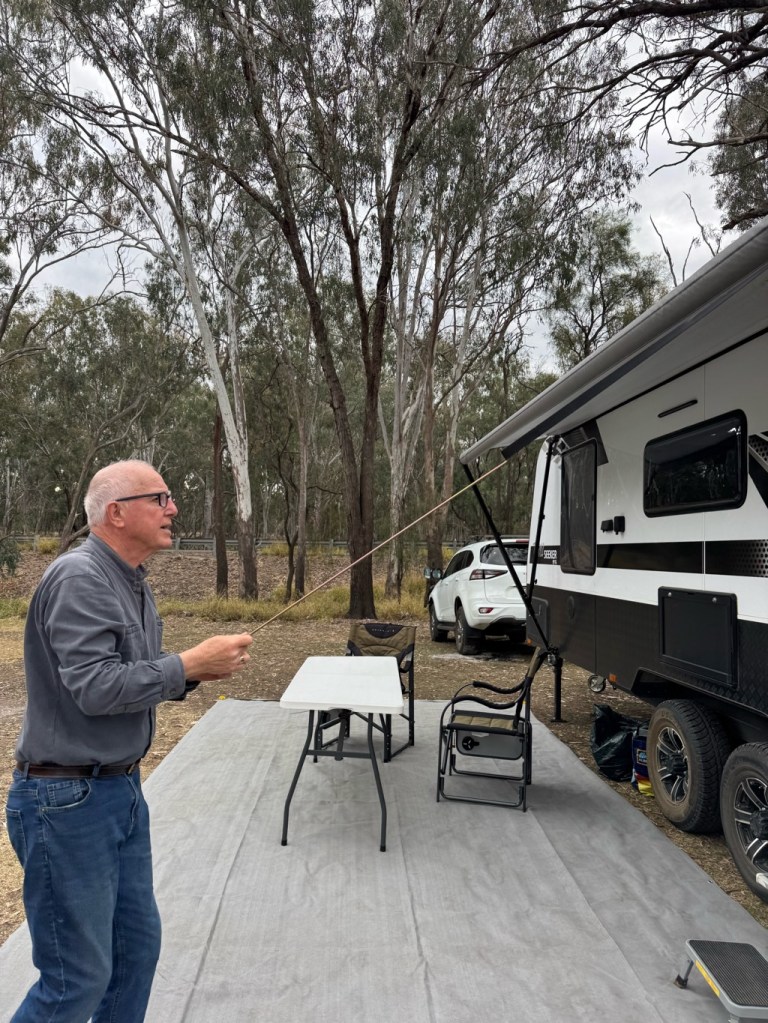
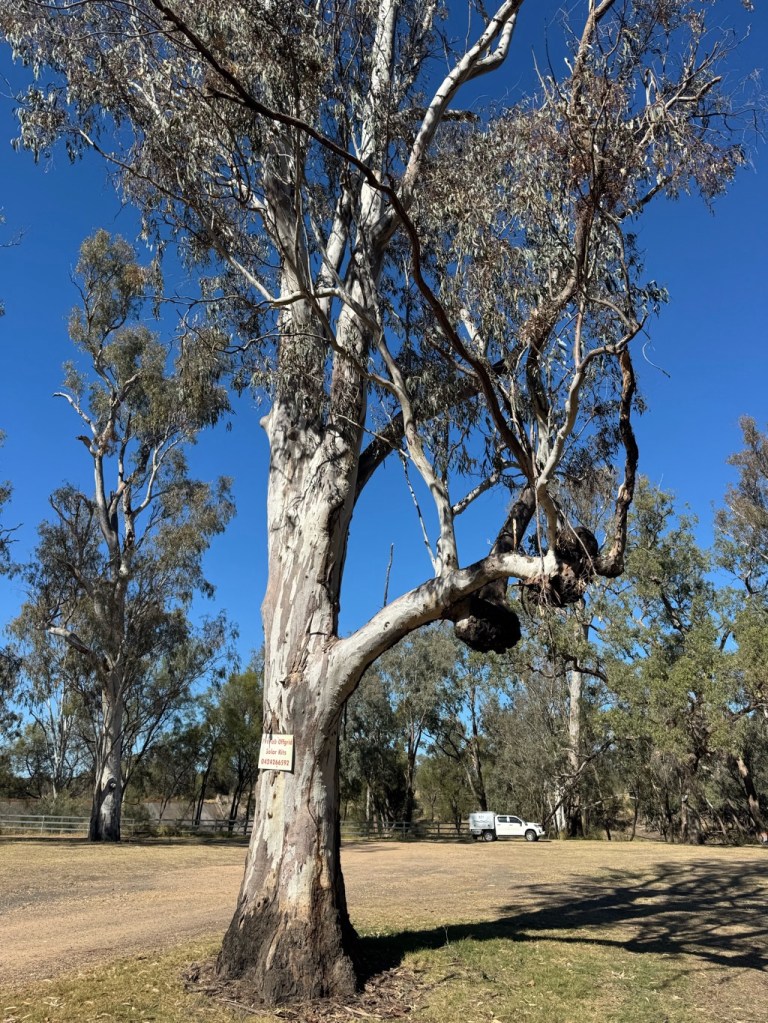
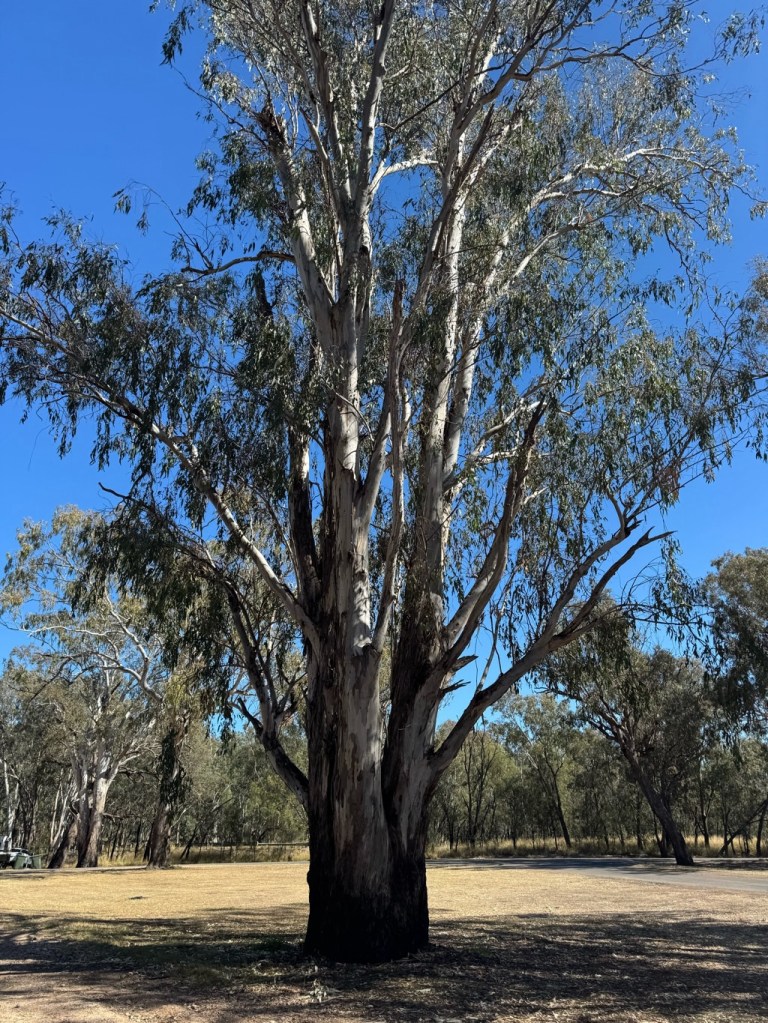
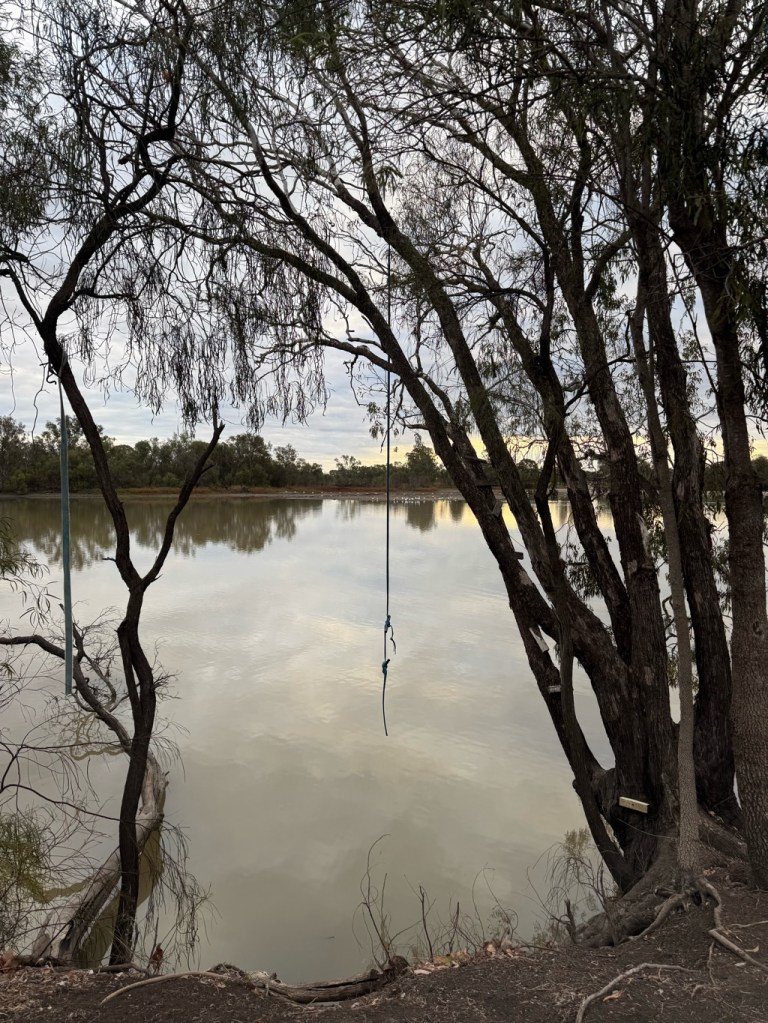
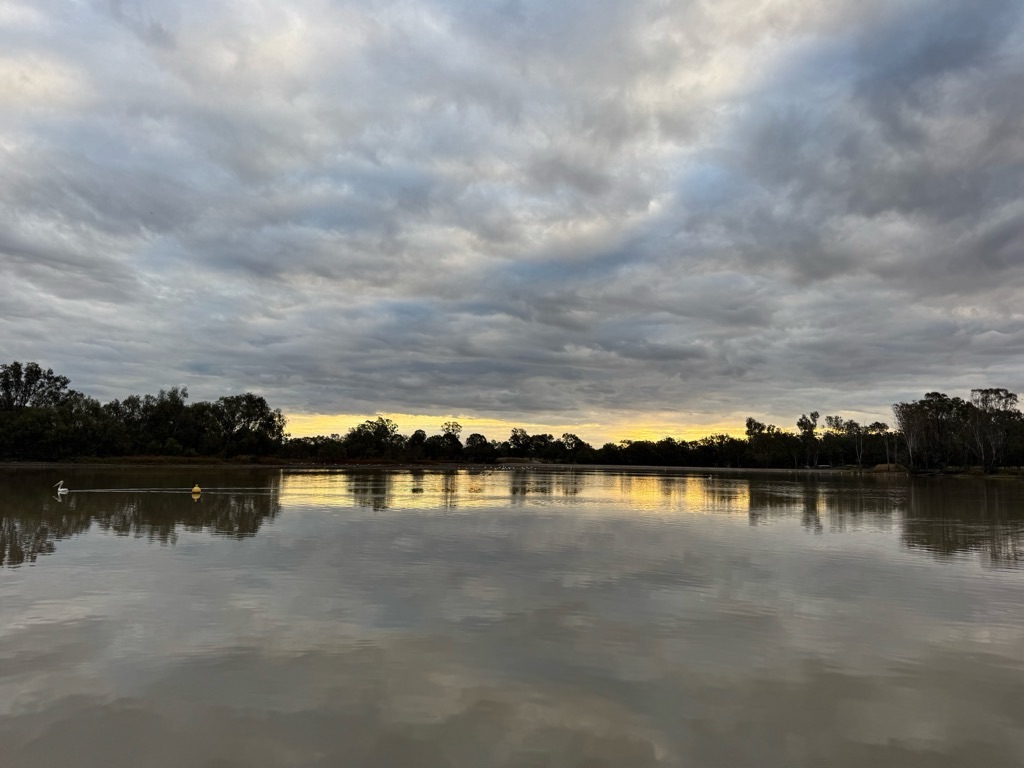
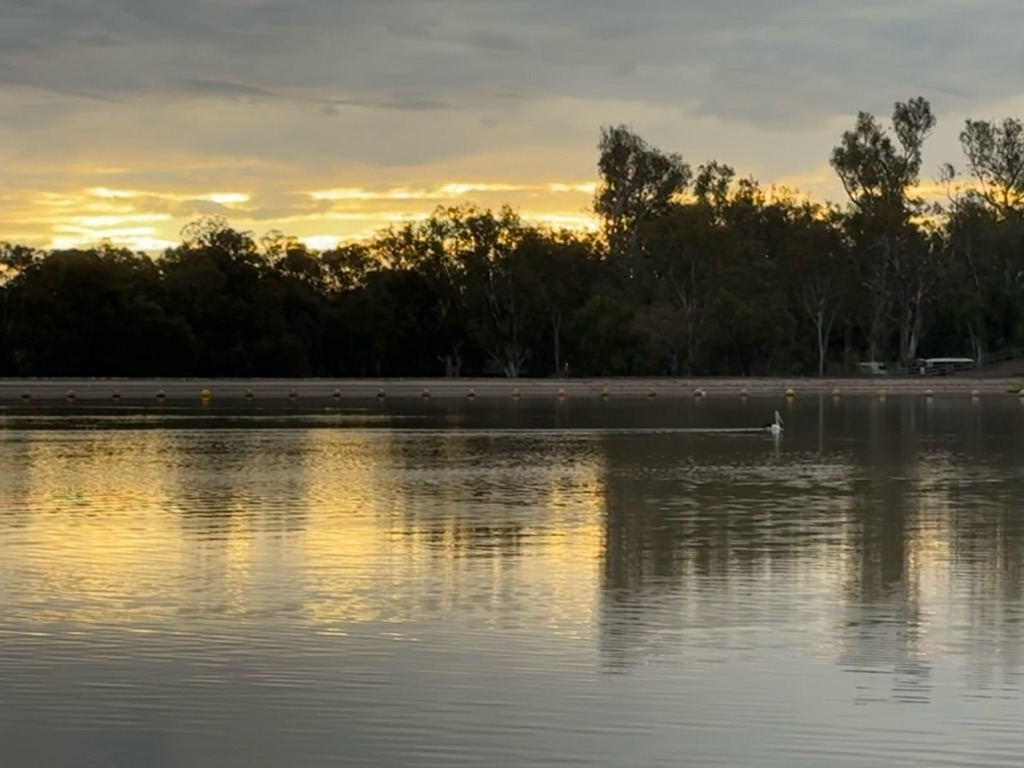
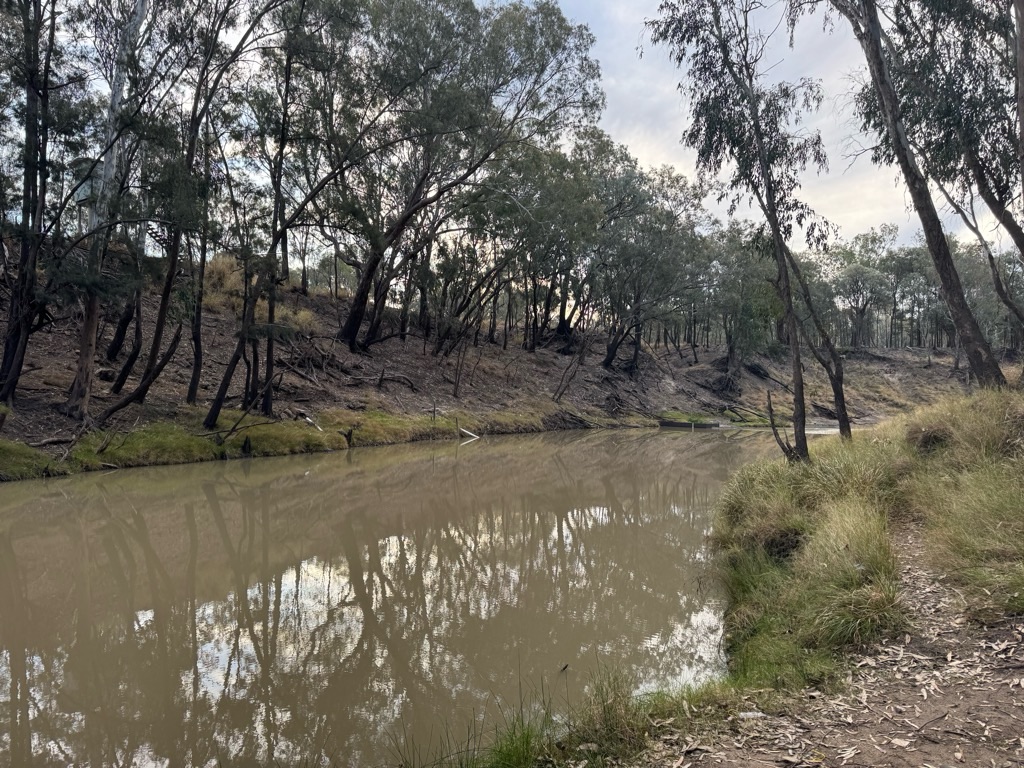
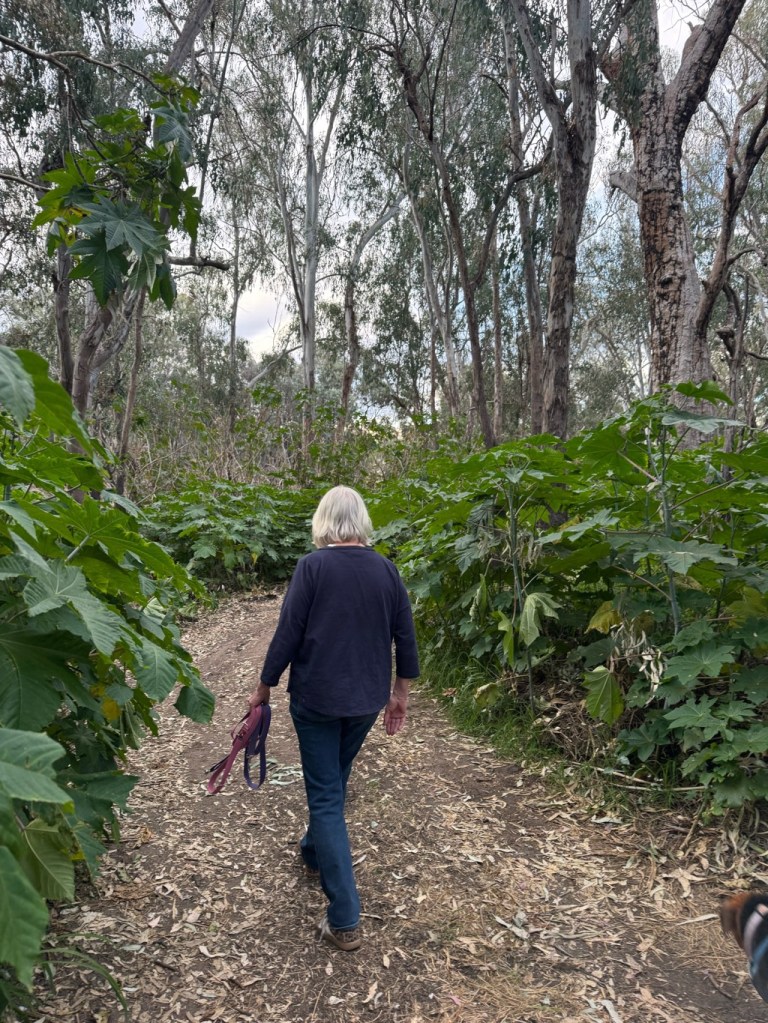
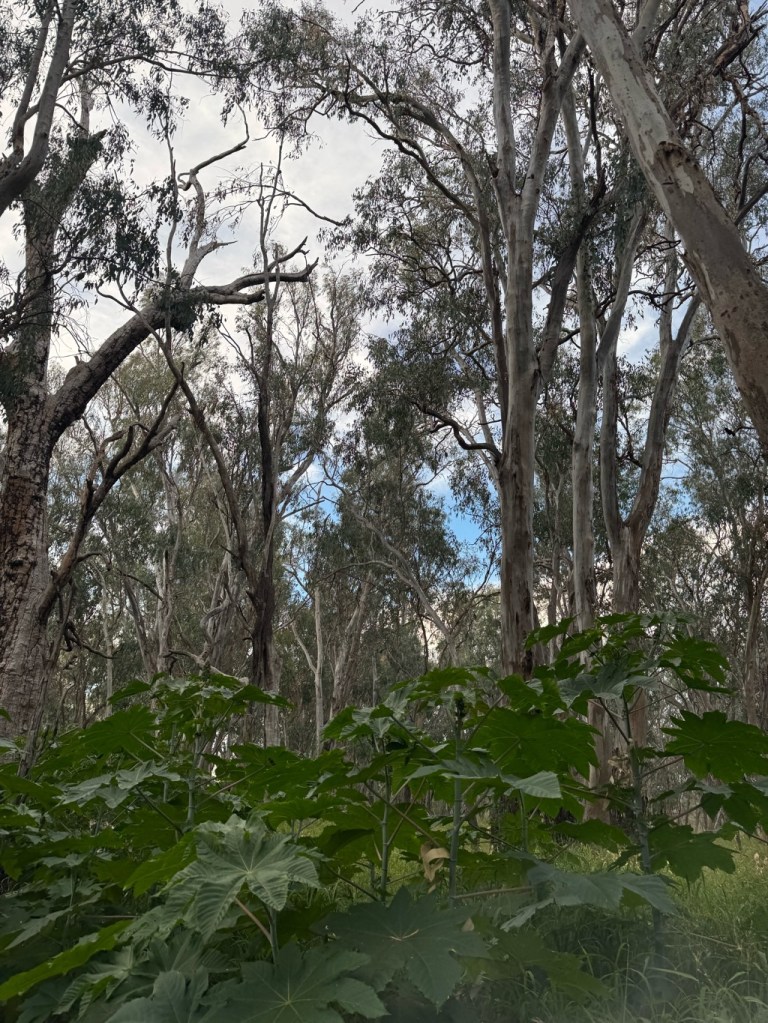
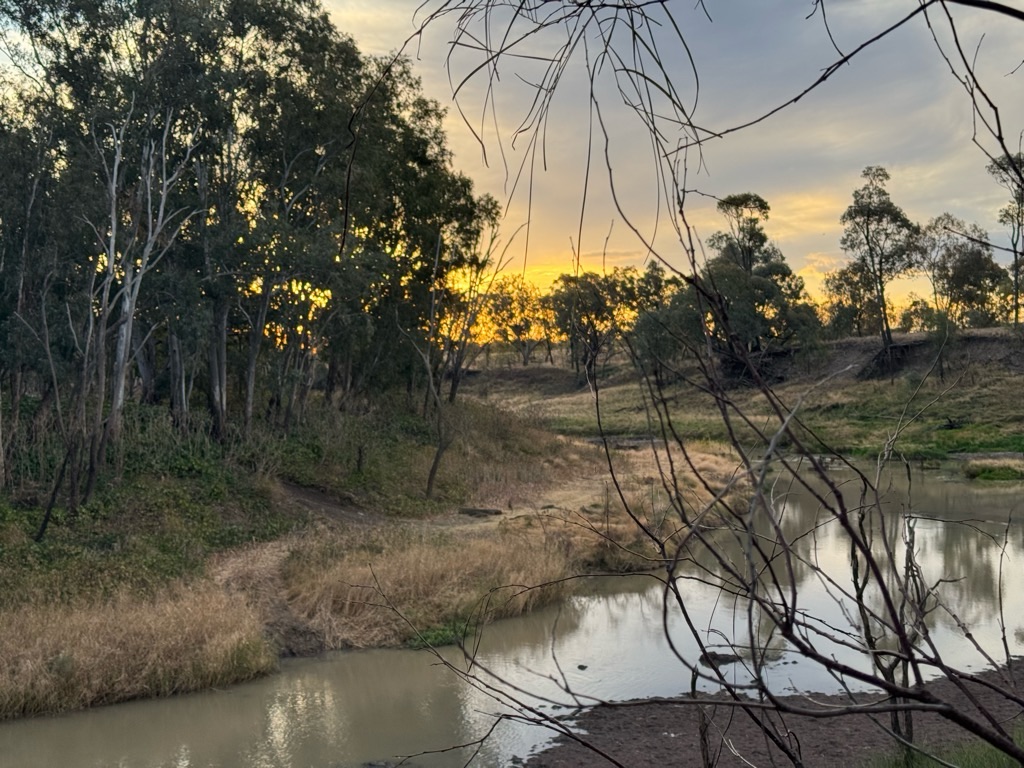
Our free camping ground at the Chinchilla Weir was a really pleasant surprise. Set along the banks of the Condamine River the camping ground was full of glorious old gum trees inhabited by masses of cockatoos and other birdlife.
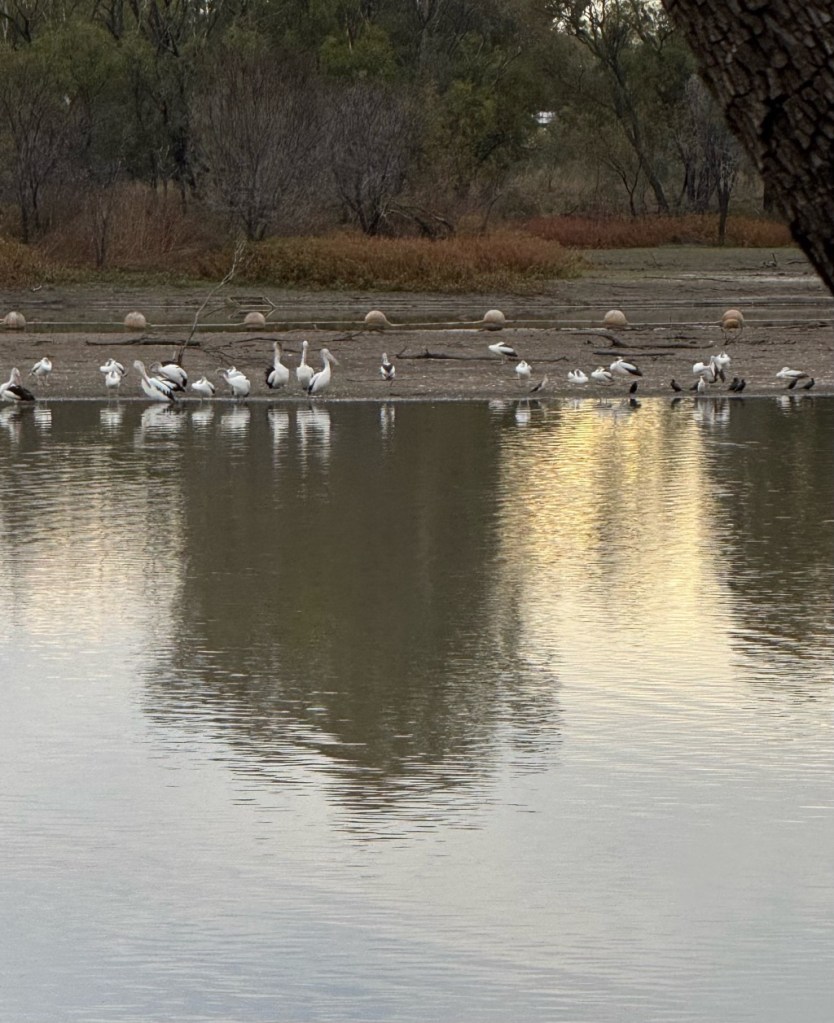
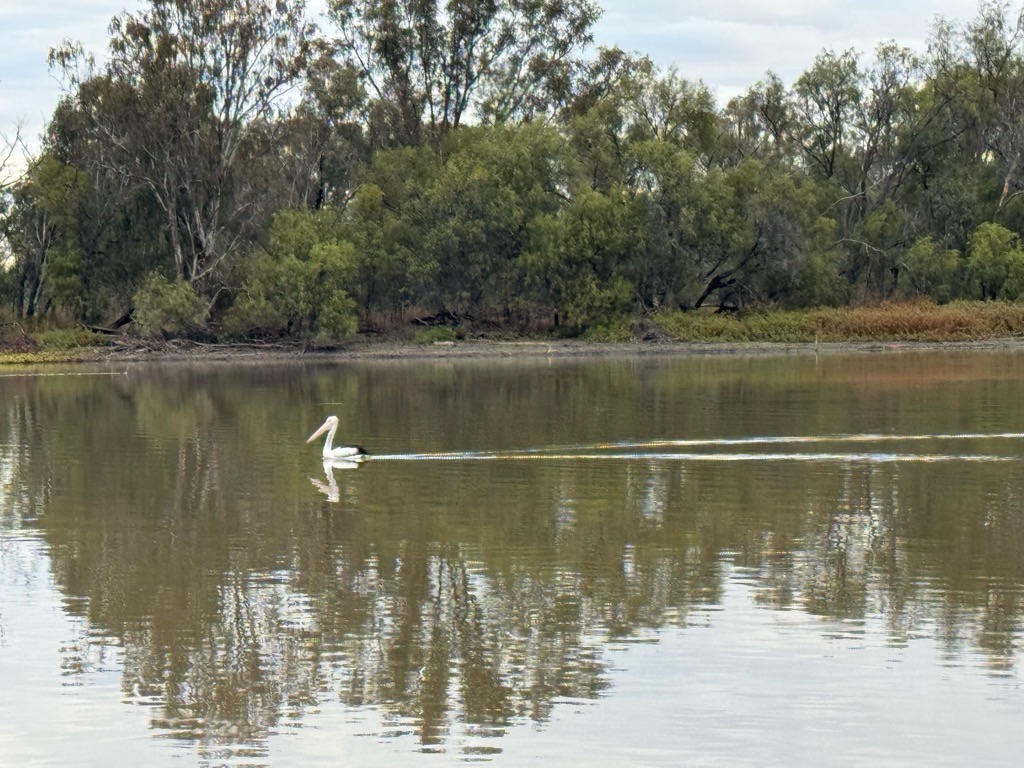
At the waters edge masses of Pelicans were lined up – some sleeping, some presumably looking out for fish! Maybe they were just enjoying the last of the warmth before sunset.
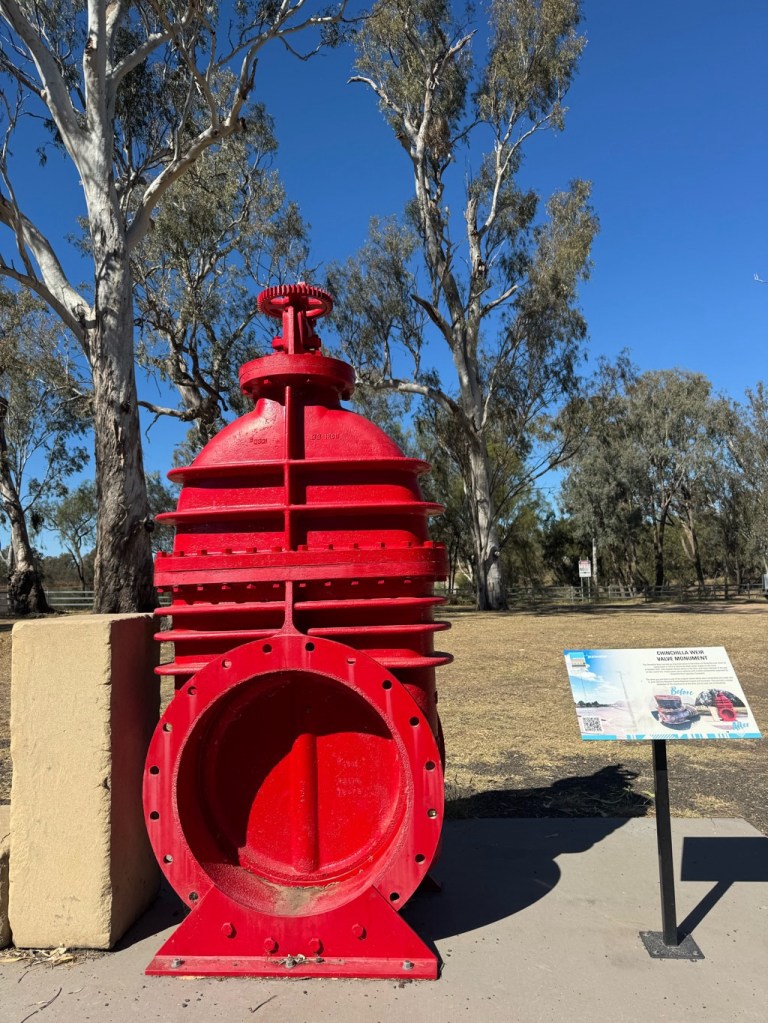
Chinchilla has been named the melon capital of Australia as it produces a massive proportion of the nation’s watermelons. It even has a massive watermelon model (weighing in at four tonnes) on the roadside near the visitor’s centre.
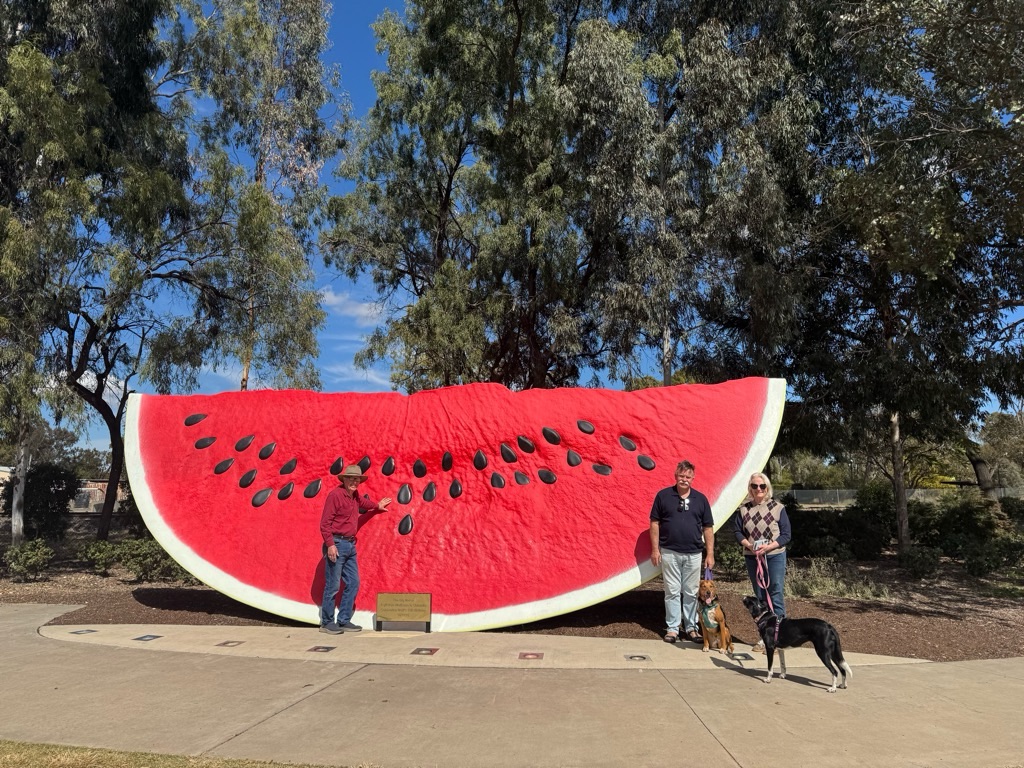
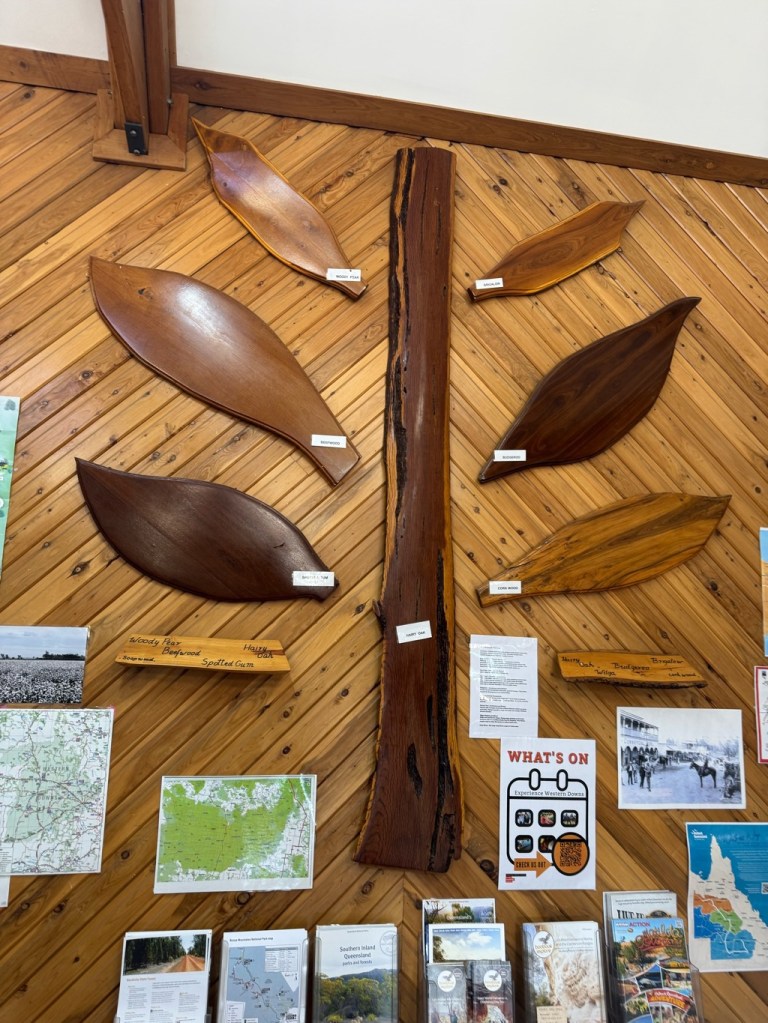
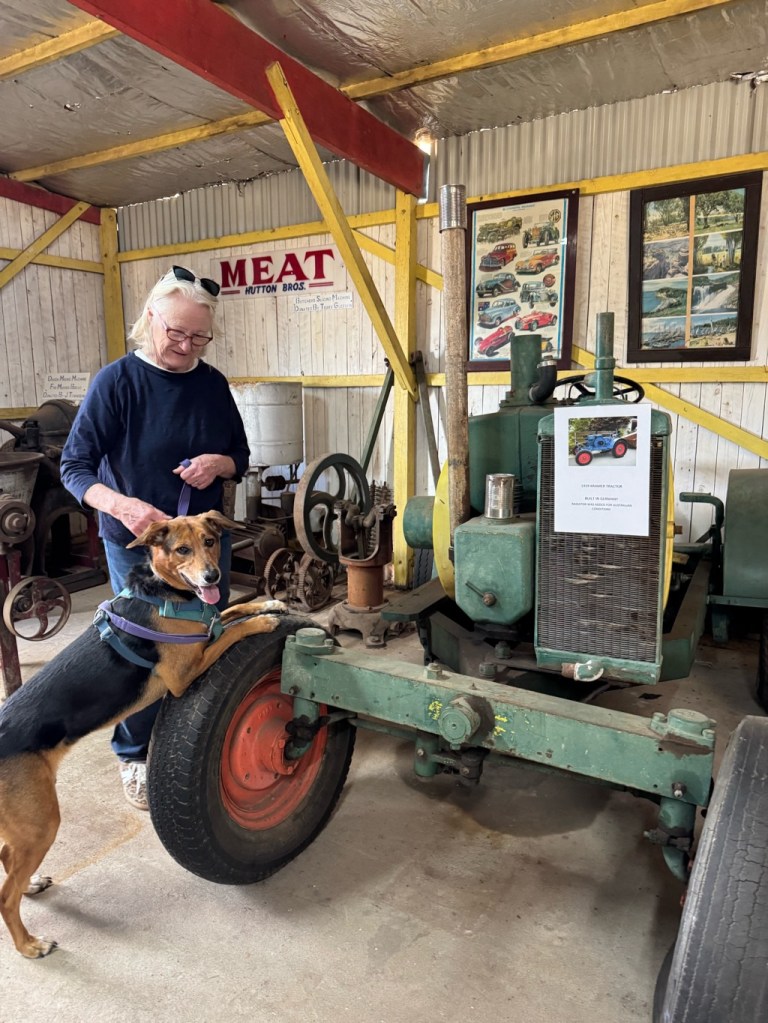
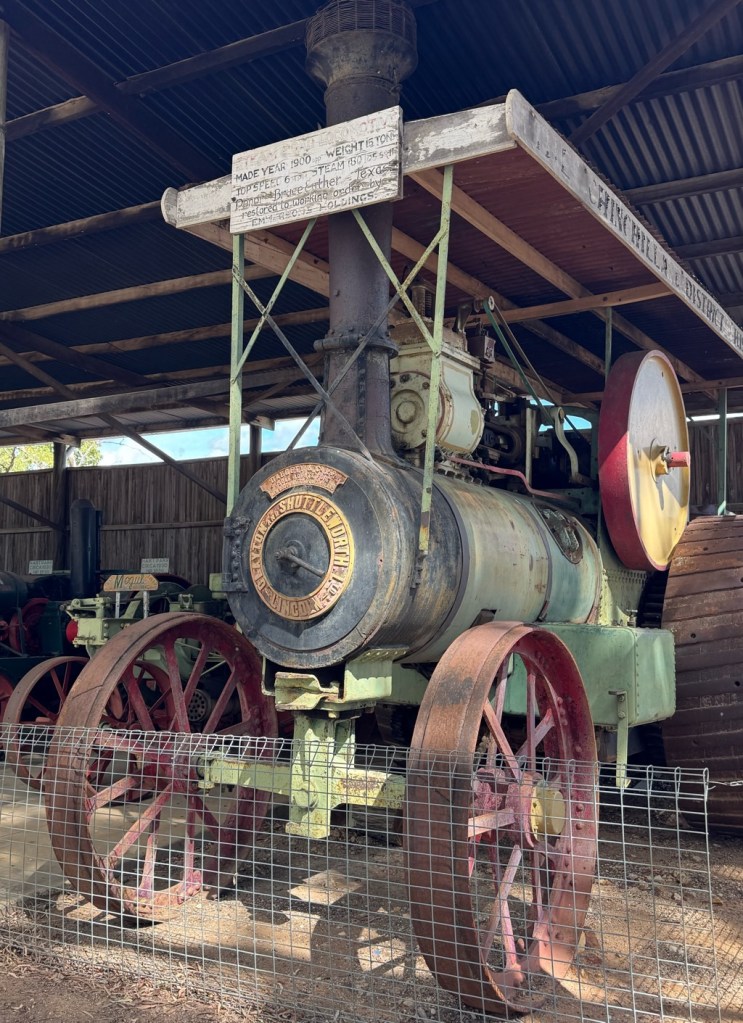
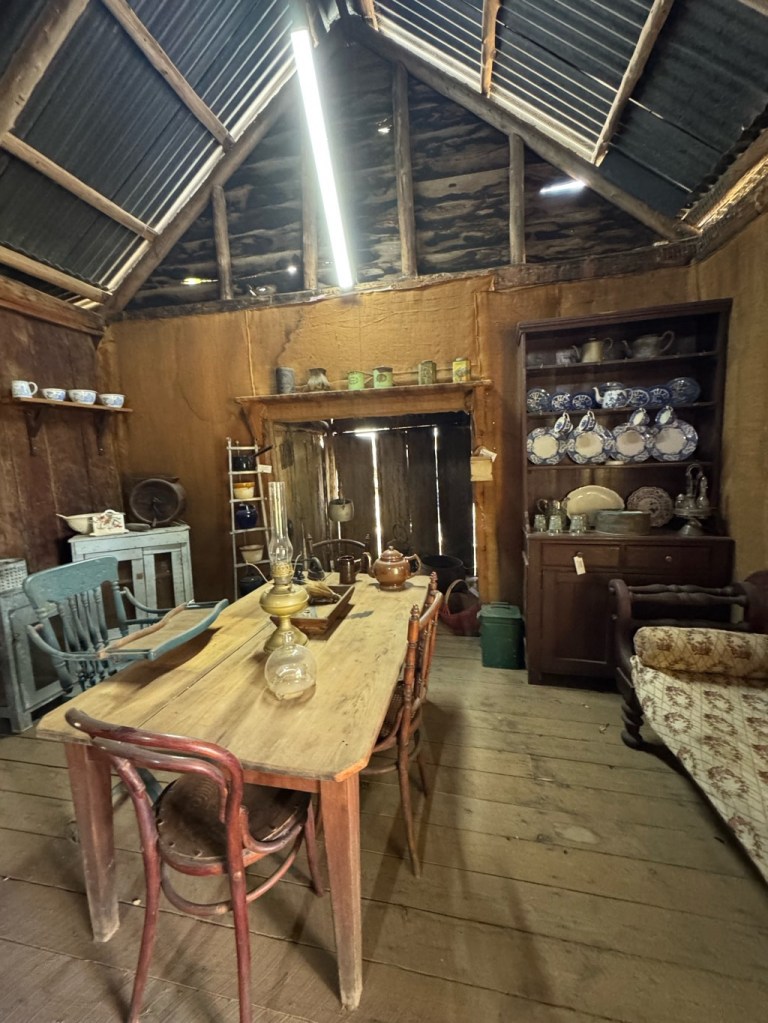
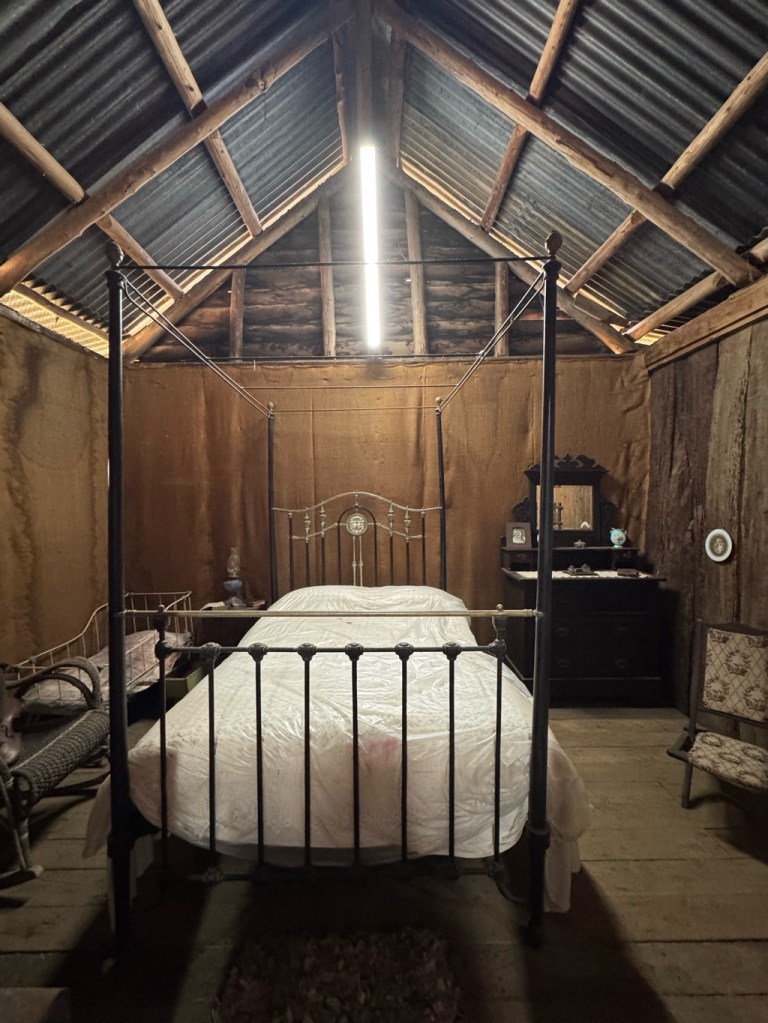
After a quick whirl round the centre and a photo stop at the “Big Melon”, we went to the Chinchilla Historical Museum which was crammed full of all sorts of treasures including a huge display of rocks and fossilized wood, and lots of historical items, including household objects from the 19th Century.
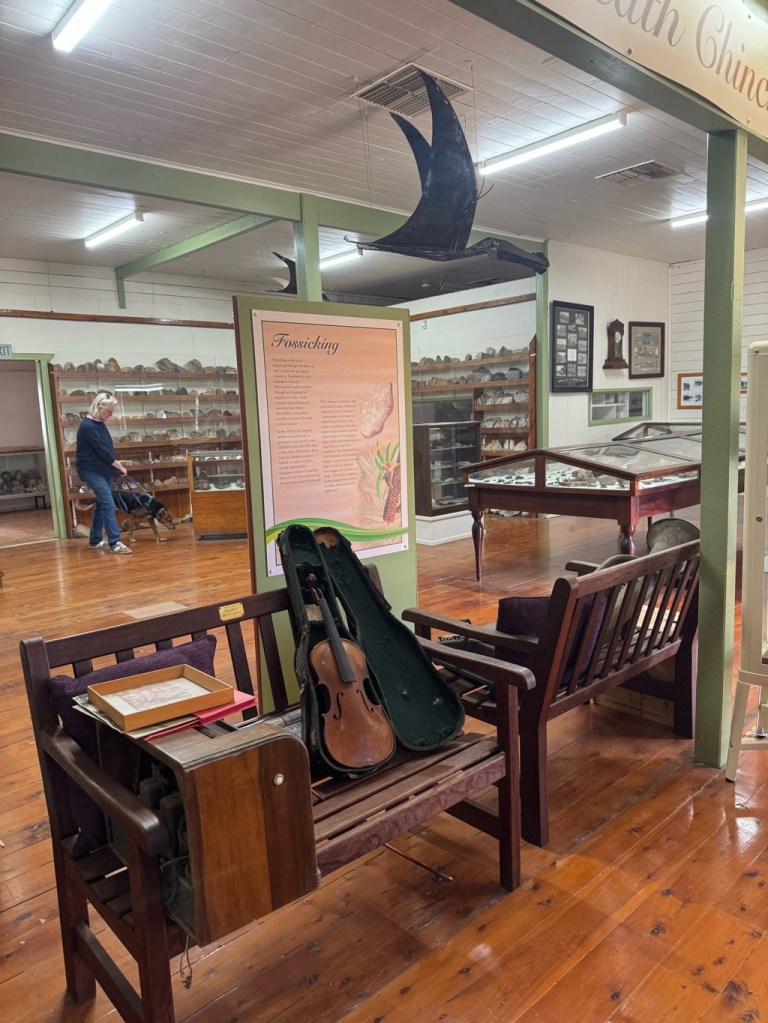
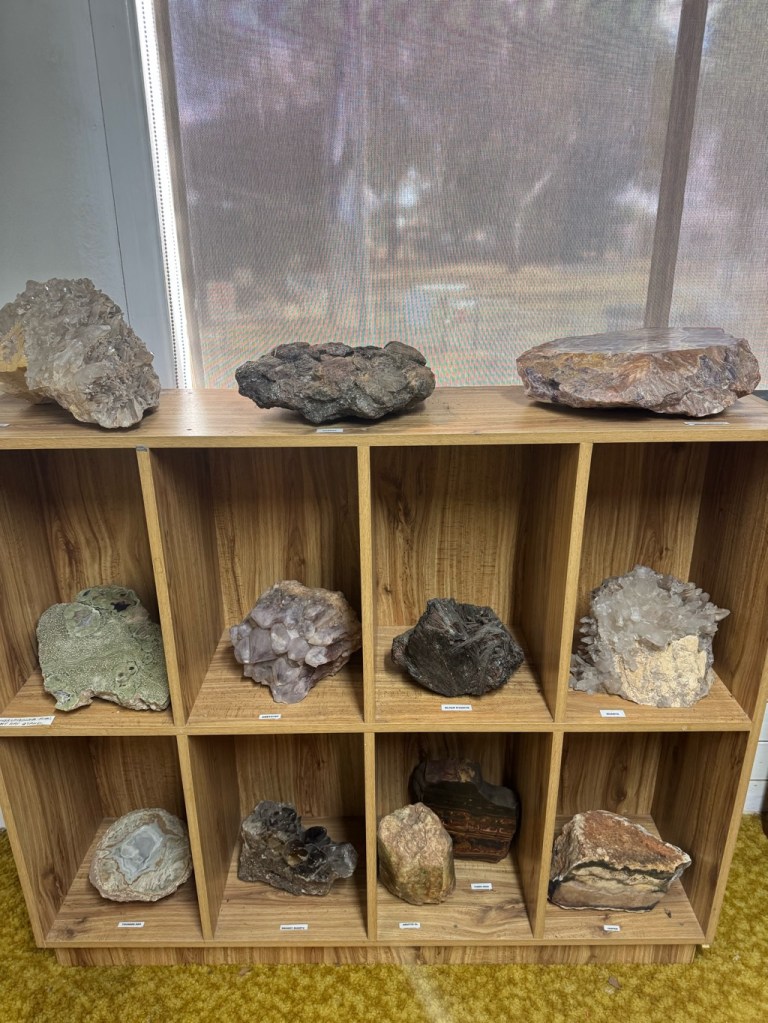
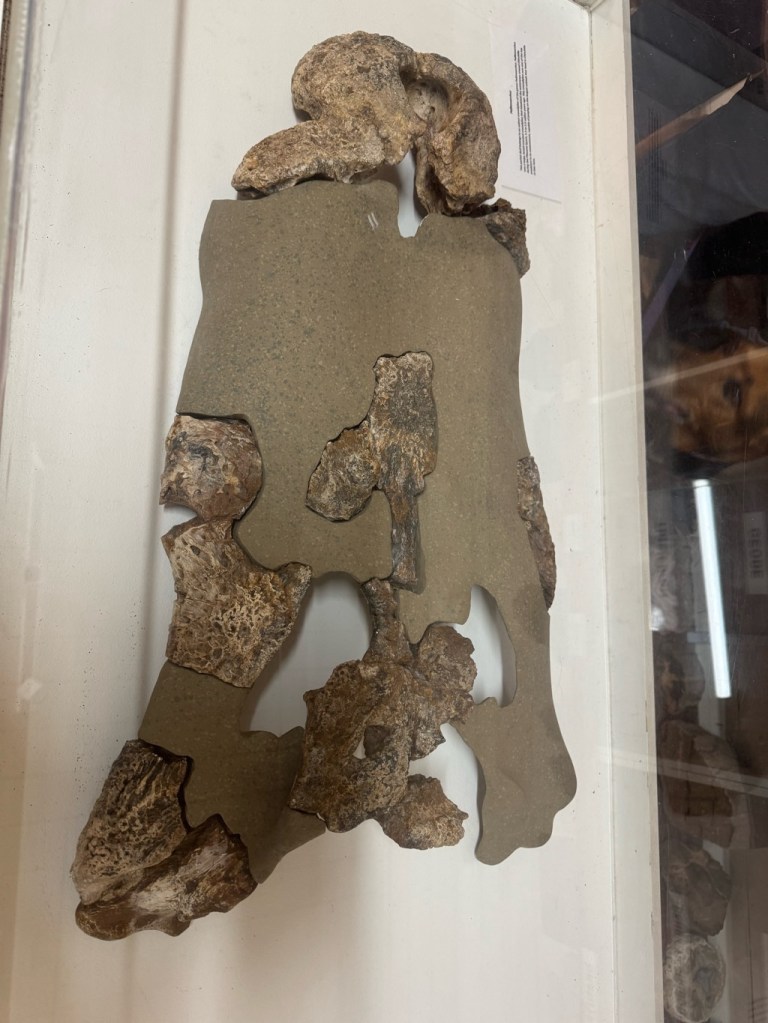
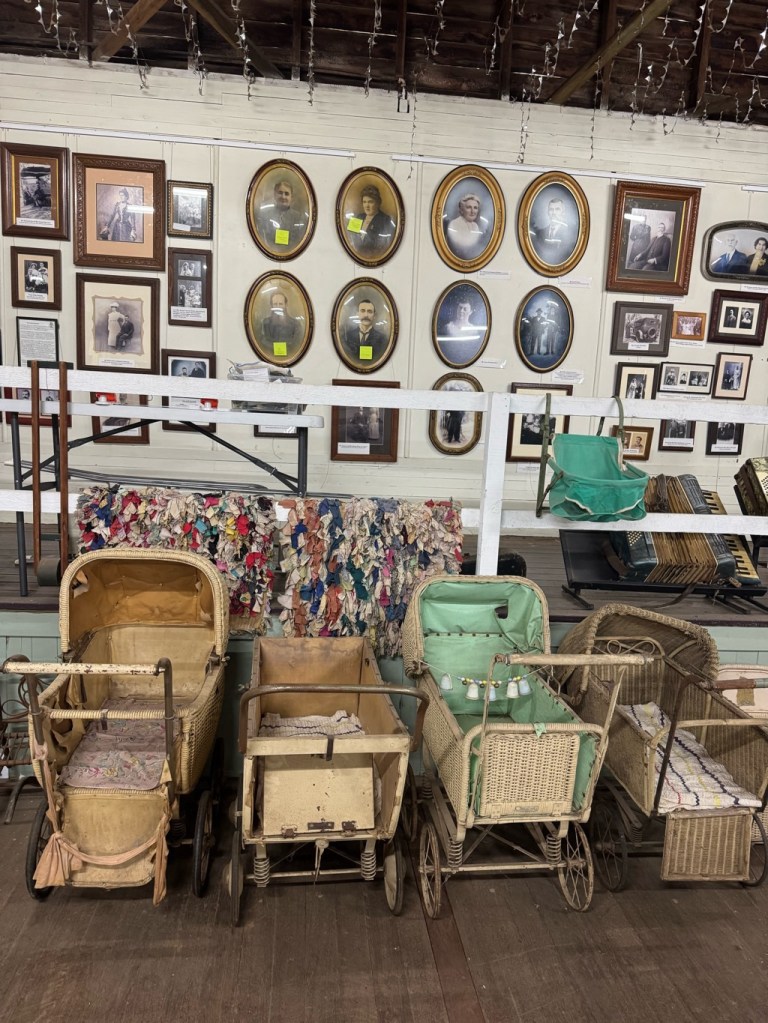
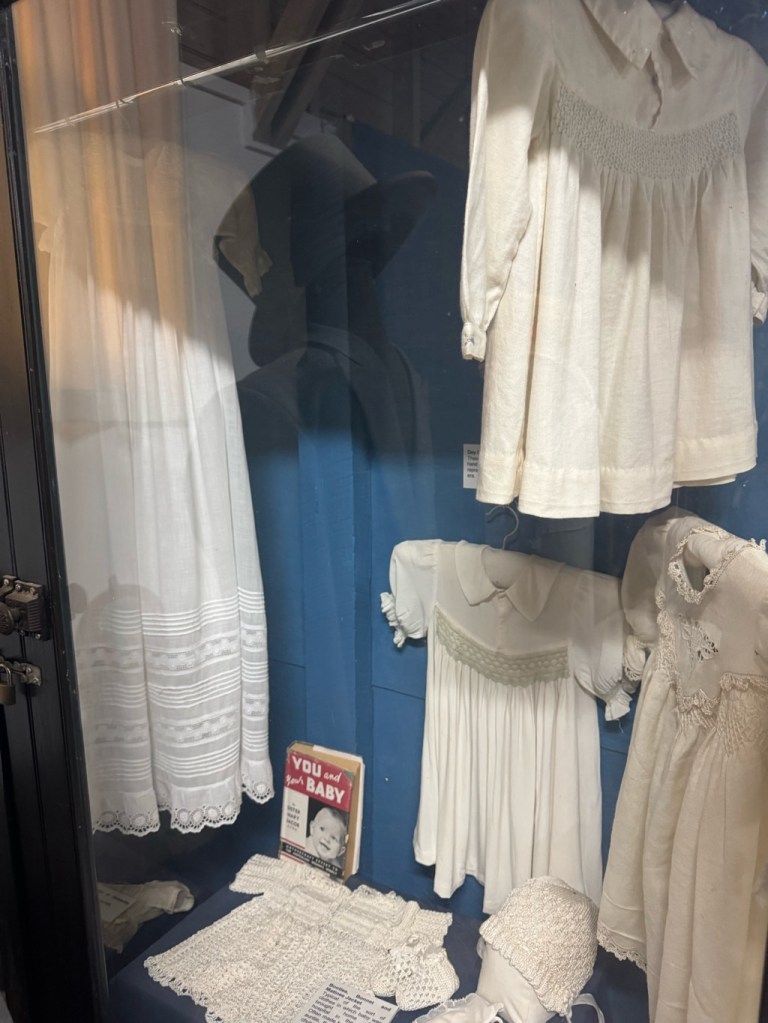
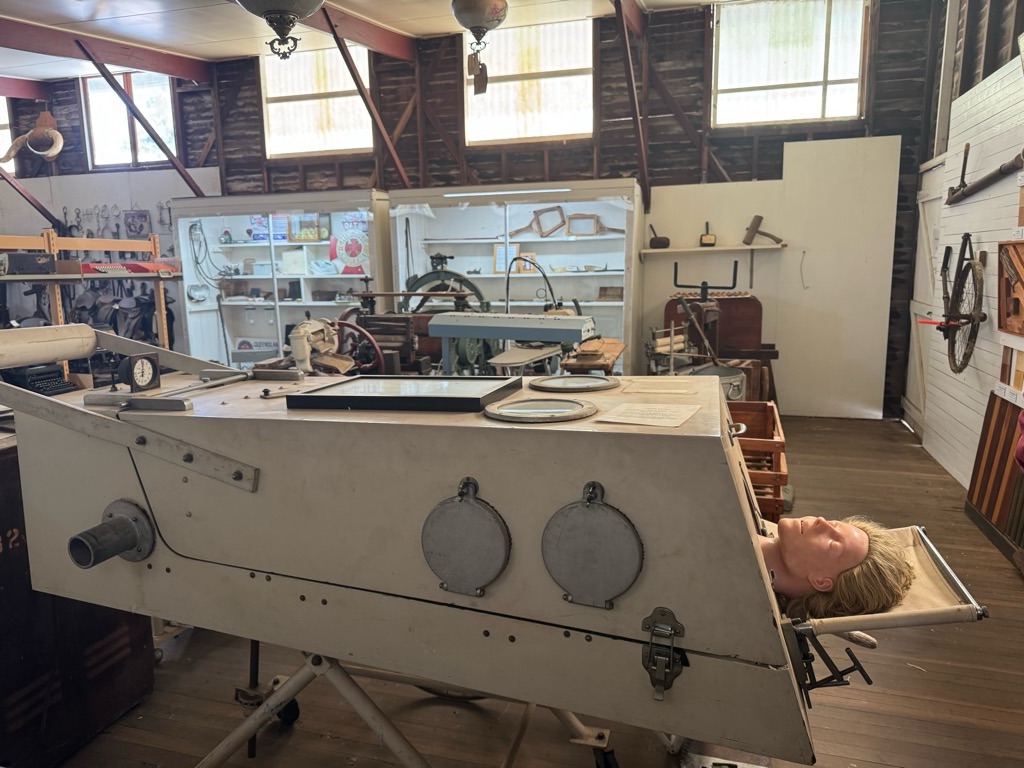
The exhibition extended across a number of buildings, one of which had been the old Goombi community hall where supper dances were held over many years.
One of the most interesting exhibits was the “Moth Memorial “ – a village hall named in honour of the Cactoblastis cactorum Moth which was introduced to Australia in 1925 to control the invasive prickly pear cactus.
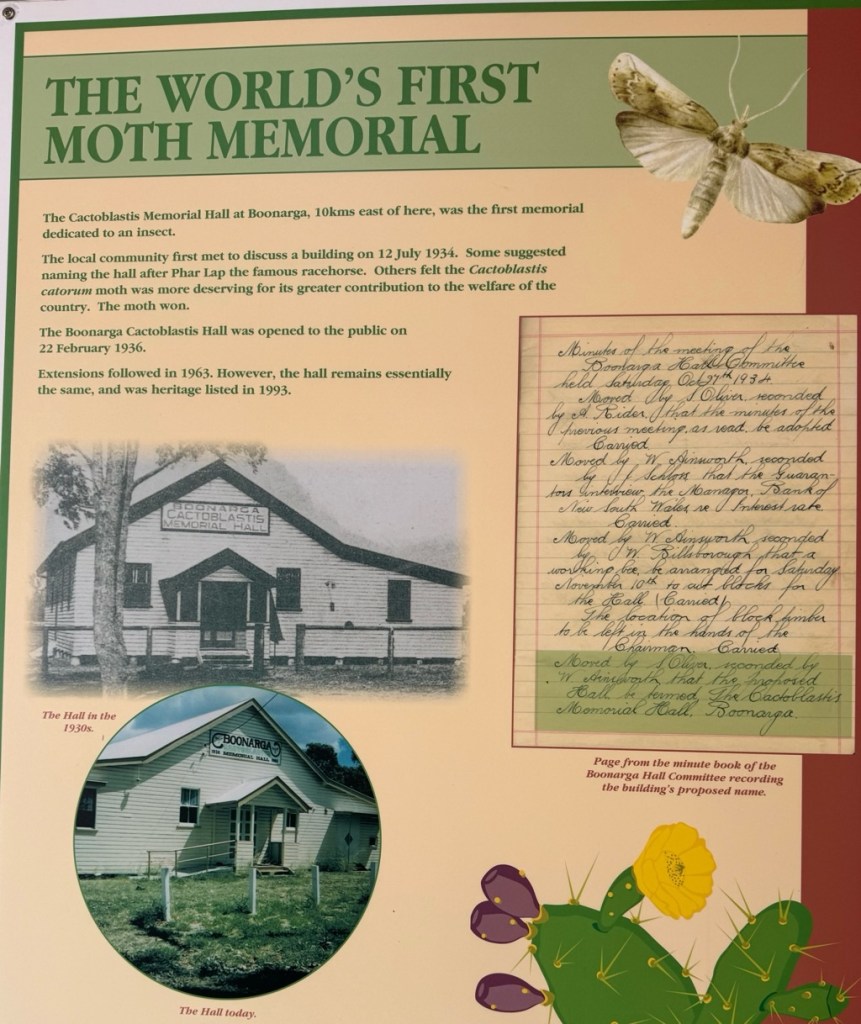
Having no natural predators the introduced prickly pear plant thrived and made much of the farm land unusable. The Cactoblastis cactorum caterpillars demolished the prickly pears, clearing millions of acres of infested farmland by the early 1930s.
The local residents in the nearby village of Boonarga, were so grateful that they named their new village hall after the moths when it was opened in 1936. The first ever memorial to a moth!
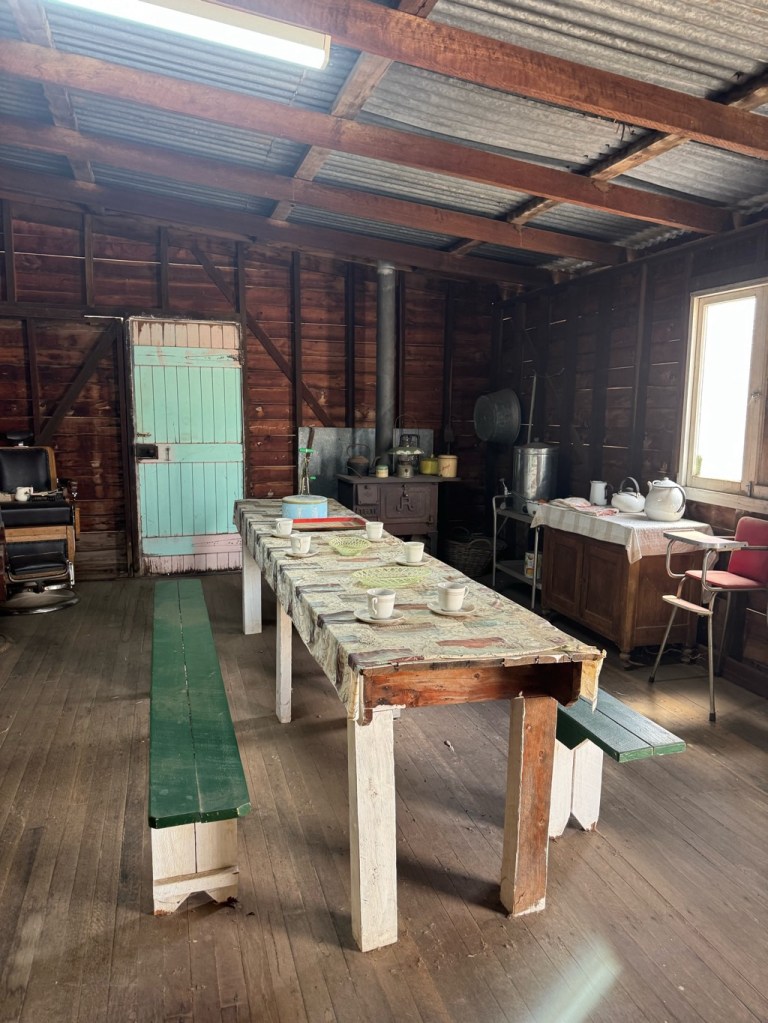
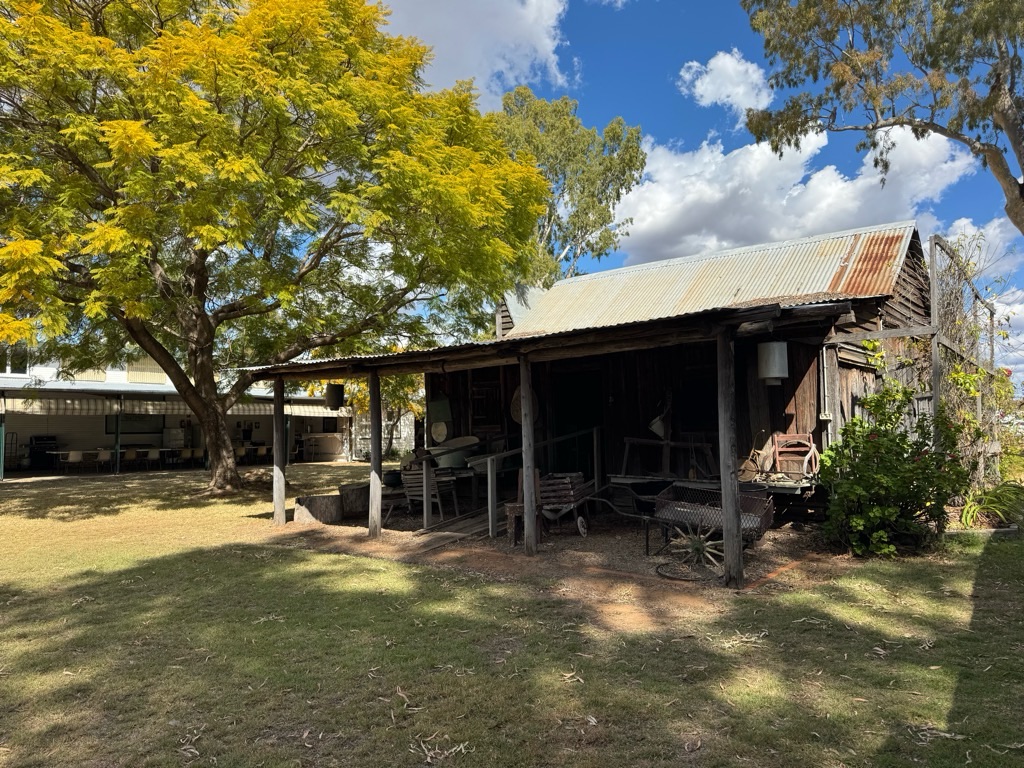
We also enjoyed looking round a beautifully built ironbark and cypress pine hut from the 1880s which had been dismantled and brought to the museum site to be reconstructed. It gave us real insight into pioneer life. How hard it would have been in those days!
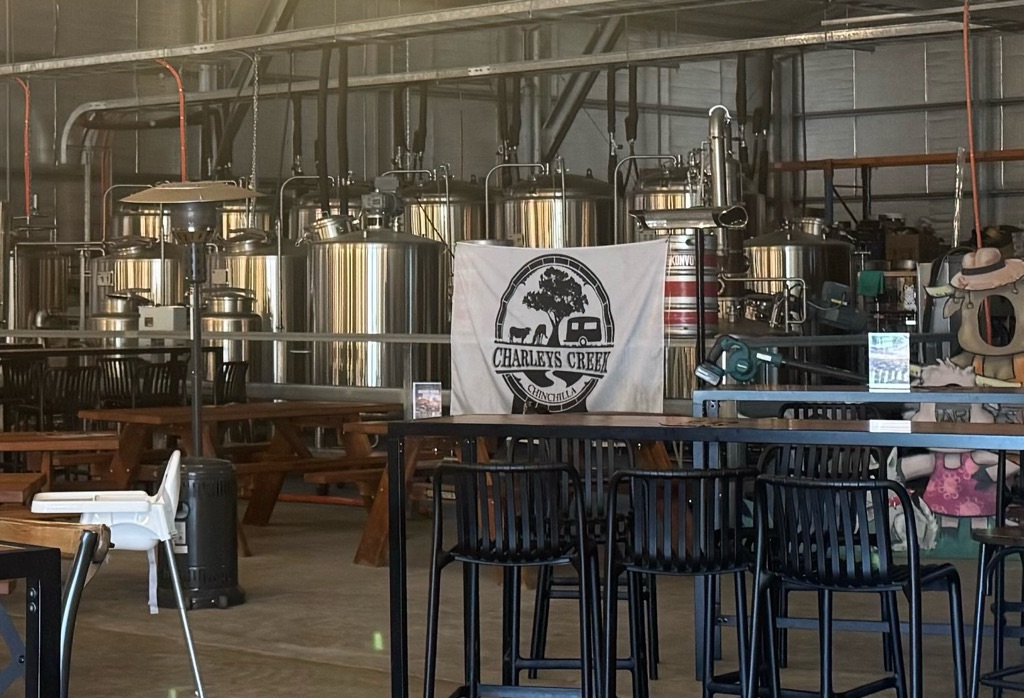
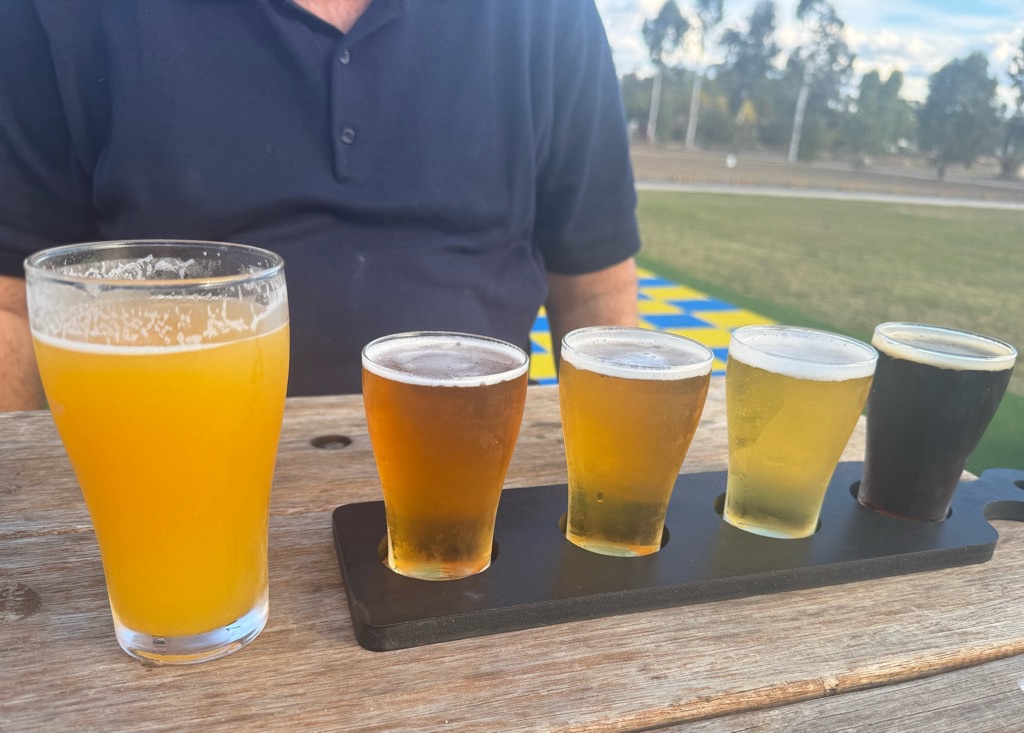
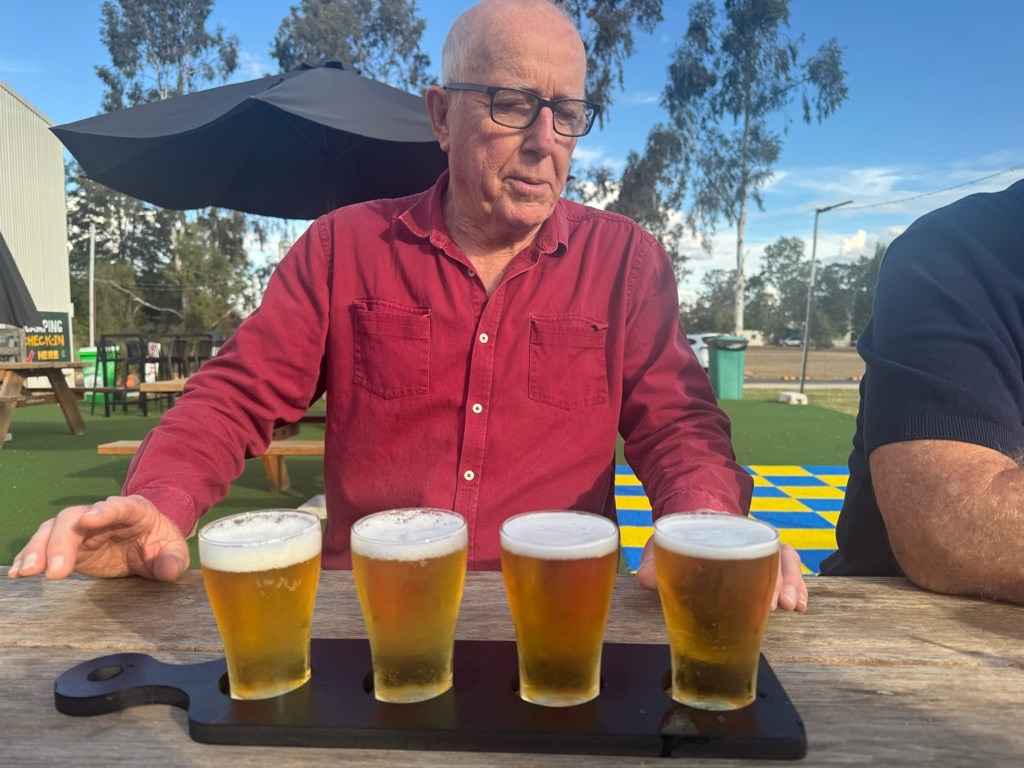
Very close by to the campground there was a brewery where we spent a pleasant afternoon sampling some of their many beers.
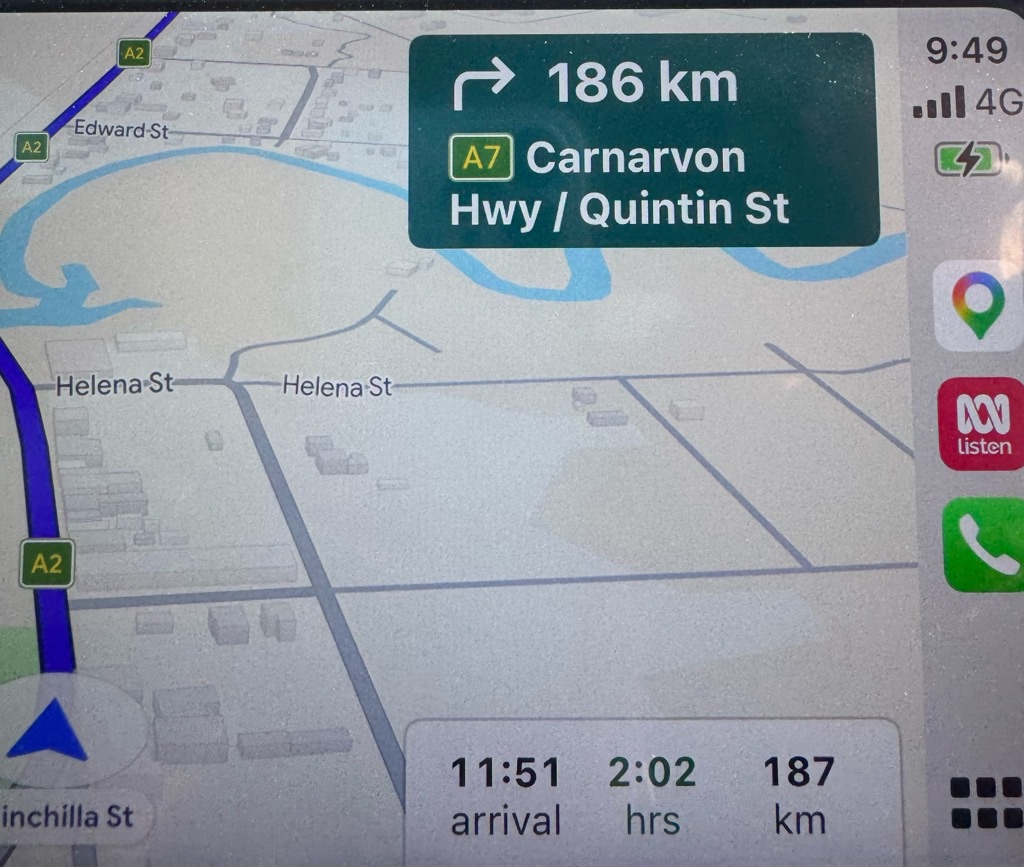
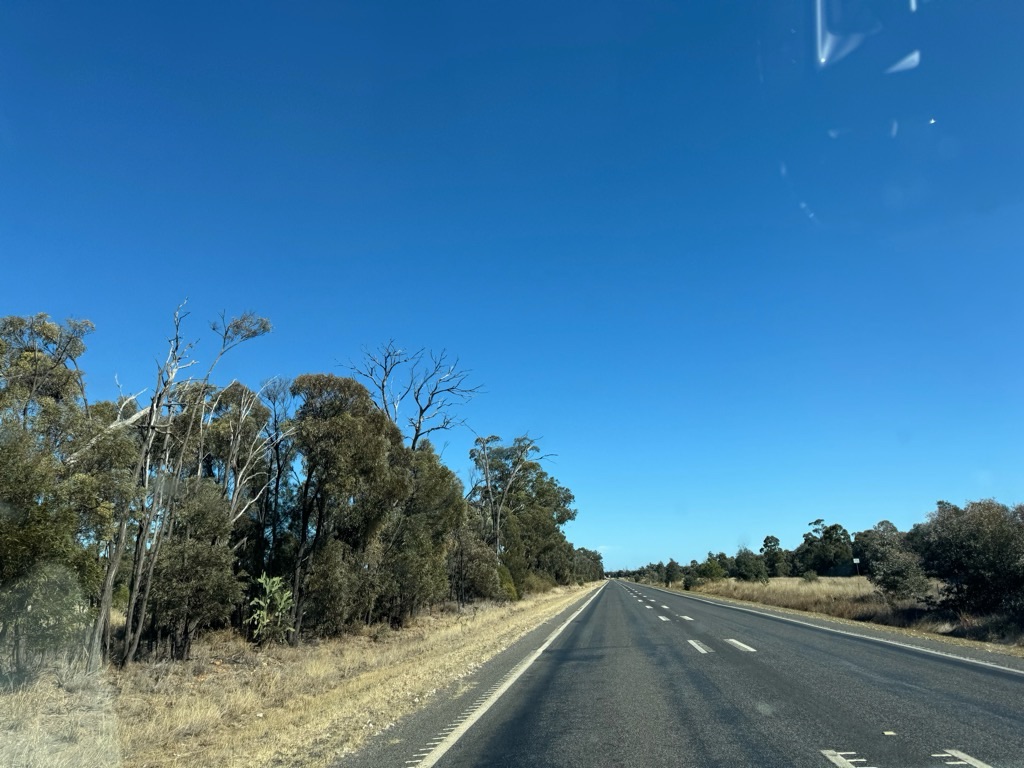
After a couple of nights in Chinchilla we set off for our next destination – the city of Roma, another 190 kms west and just over a couple of hours drive away.


Leave a Reply